
Tracking and managing business expenses takes real work, and it is easy to feel buried under receipts, reports, and approvals. In a recent survey, nearly 70% of businesses said they were dissatisfied with their current expense management process.
This post walks through how to choose the best expense management software for your financial operations. The goal is simple: make sure tracking your spending stops being a headache and your money matters stay under control.
Understanding Expense Management Software
Expense management software is a tool that helps businesses track, analyze, and manage their expenses in an efficient and organized way. Several different types are available on the market, and each one comes with its own set of features and benefits.
Definition
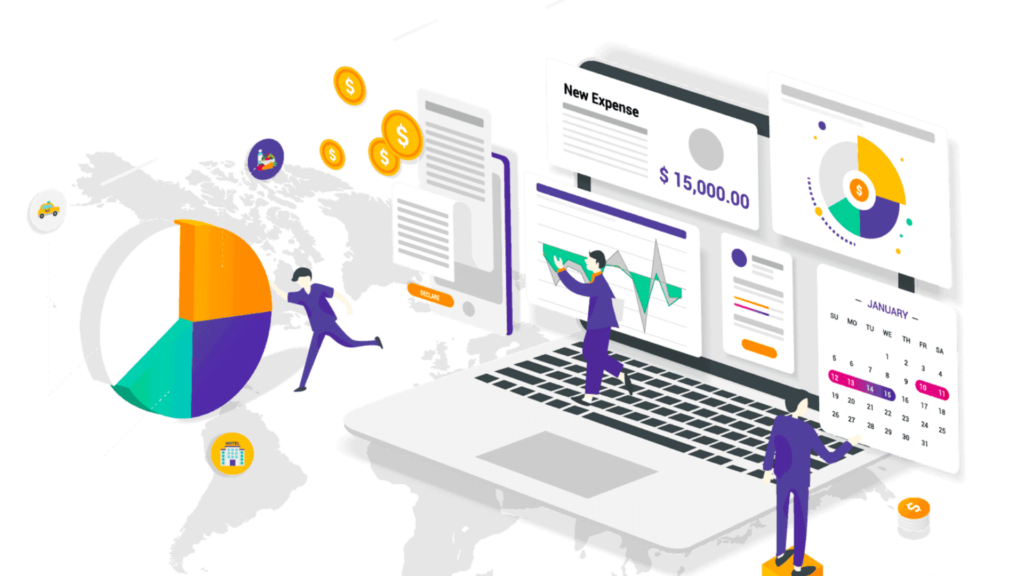
Expense management software is a tool that makes tracking and reporting expenses easier for businesses. It follows a set of steps like tracking, reporting, submitting, approving, and paying back business costs.
For example, when an employee buys something for work use, the tool helps handle that expense from start to finish. Its aim is to cut down on mistakes and save time when managing your costs.
Types of Expense Management Software
Different businesses need different ways to keep track of their costs, and there are several kinds of expense management software to match those needs. Some of the main types are:
| Type of Software | Description |
|---|---|
| Expense Tracking Software | Tracks company spending, providing visibility into where money is being spent. |
| Business Expense Management | Manages all costs within a business, offering a comprehensive overview of expenses. |
| Expense Report System | Generates detailed reports about all company costs. |
| Expense Analysis Software | Provides in-depth insights and understanding of business expenses. |
| Expense Reporting Software | Consolidates all expense information in one place for ease of access and review. |
| Budgeting Software | Assists in planning and allocating financial resources wisely. |
| Financial Management Software | Handles all aspects of financial management, including cash flow and expense details. |
Features to Look for in Expense Management Software
When choosing expense management software, it helps to weigh several key features before you commit. Look for a tool with receipt capture and management, which makes it easy to digitize and store your receipts for later reference.
The reimbursement process should be simple too, letting employees submit their expense reports easily and track the status of their reimbursements as they go. Integration with accounting software matters as well, so your expense data moves cleanly into your financial records without extra manual work.
If your business handles international expenses, check that the software supports multi-currency transactions. Reporting and analytics matter as well, since they give you insight into spending patterns and point to areas where your organization can cut costs.
Receipt capture and management
Having a good way to handle receipts is key, and expense management software gives you one. One of its features lets you photograph your receipts and save them, which means less paper and no more lost slips. The software then sorts them all out for you.
It puts each receipt together with its correct expense report, so keeping track of your spending stays fast and easy from start to finish.
Reimbursement process
Reimbursement is an important step in expense management software. Once employees submit their expense reports, the software handles approving and paying back those expenses.
It automates the workflow, which makes the whole process faster and more efficient for everyone involved. In just a few clicks, managers can review and approve expenses, so employees are paid back promptly for their business-related spending.
This helps keep employee satisfaction high and keeps record-keeping accurate for financial purposes. By simplifying the reimbursement process, the software saves time and cuts down on errors.
Integration with accounting software
Integration with accounting software is a crucial feature to weigh when you pick the best option for your business. This integration moves expense data from the expense management system straight into your accounting software, so you skip manual data entry and reduce errors.
With this in place, you can easily reconcile expenses against your financial records and keep your bookkeeping accurate. It also gives you real-time visibility into your company’s financial health, since you can view expense information right next to other financial data on one consolidated platform.
When these systems work together, your financial operations run more smoothly, and you can make well-informed decisions based on data that stays up-to-date and accurate at all times.
Multi-currency support
Expense management software with multi-currency support lets businesses track and manage expenses efficiently across different currencies. Users can convert expenses from one currency to another, which keeps their reporting and analysis accurate.
This helps companies that operate globally or deal with international clients and vendors. The software updates exchange rates automatically, saving time and reducing the risk of errors.
It also produces real-time currency conversion reports, which make it easier to monitor spending across different regions and currencies. For any business that needs to handle transactions in a range of currencies, multi-currency support is an important feature to look for.
Reporting and analytics
Reporting and analytics features are important for helping businesses gain insight into their expenses. These tools give detailed reports and analysis, so users can track their spending patterns, spot cost-saving opportunities, and make decisions that are backed by real data.
With customizable dashboards and visualizations, organizations can easily monitor expense trends, compare their budgets against actuals, and generate real-time reports for better day-to-day financial management.
Strong reporting and analytics give businesses the information they need to control their spending, improve budgeting accuracy, keep compliance monitoring in check, and run their overall finances more efficiently.

Tips for Choosing the Right Expense Management Software
To choose the right expense management software, assess your needs, consider budget and pricing options, check for a user-friendly interface, and read reviews as you compare products.
Assess your needs
Start by assessing your needs. Consider which features you require and think about how the software fits into your existing financial processes.
Do you need a system that captures and manages receipts? Do you require integration with your accounting software? Your budget and pricing options matter here too.
Look for a user-friendly interface that is easy for everyone on your team to use. Reading reviews and comparing products can help you make an informed decision. By assessing your needs first, you point yourself toward the software that fits the specific requirements of your business.
Also consider whether you need multi-currency support or detailed reporting and analytics. And factor in any unique requirements of your industry or organization as you weigh different options.
Consider budget and pricing options
Budget and pricing options deserve attention. Look for software with a range of plans suited to your business, whether you are a small startup or a larger corporation.
Account for factors such as the number of users, the features included in each plan, and any additional costs for add-ons or customization. Investing in the right expense management software can ultimately save you money by simplifying your processes and reducing errors.
Take time to weigh the cost against the benefits, and pick a solution that aligns with your business and its financial goals.
Check for user-friendly interface
It is important to check for a user-friendly interface. The software should be easy to navigate and understand, even for team members who are not technical users.
A clutter-free layout, an intuitive design, and clear instructions can make a big difference in how efficient and pleasant the software is to use day to day. A user-friendly interface saves time and reduces frustration, so you can focus on managing your expenses effectively.
Conclusion and Recommendations
Choosing the best expense management software matters for efficient tracking and accurate reporting of your business expenses. By assessing your needs, considering your budget, reading reviews, and comparing products, you can find the right software for your business.
Look for features like receipt capture and a solid reimbursement process to simplify how you manage expenses. With the right expense management software in place, you can control your costs and improve your financial planning.
And consider options that cater specifically to small businesses or independent contractors when you want a more tailored solution for your situation.

- Independent picks for exactly what you just read about
- Matched to your team size & needs
- Vendors don't pay for placement
Step 1 of 4
How big is your team?
We tailor recommendations to companies your size.















Related Articles

Accounting Software
Free Design Tools: Say Goodbye to Boring Invitations in 2026
Continue reading →
Accounting Software
Best QuickBooks Alternatives in 2026: Top Accounting Software Options
Continue reading →
Accounting Software
Best Accounting Software for Small Business in 2026 – Top 3 Picks
Continue reading →
Accounting Software
Top 10 Free Accounting Software in 2026 – Best Picks for Small Businesses
Continue reading →