
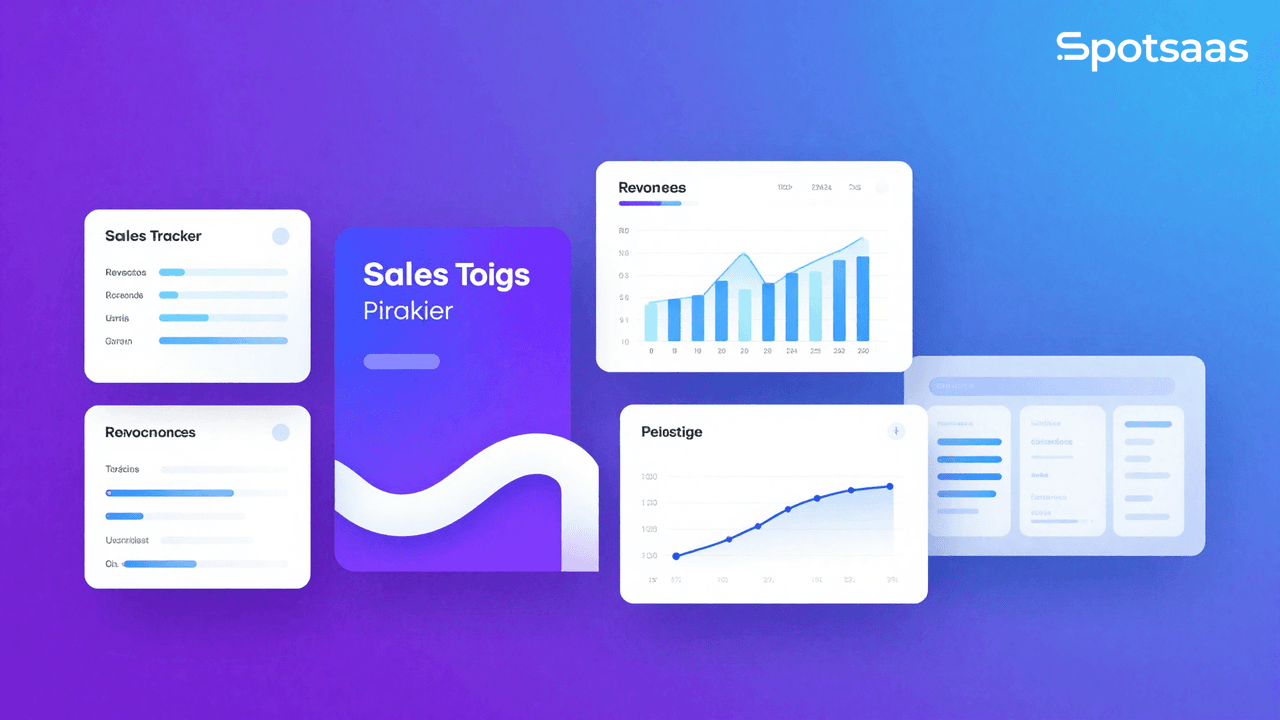
Sales work can feel like learning a whole new language, and it pulls you in several directions at once. Between crunching numbers, tracking metrics, and comparing software options, it is easy to find yourself in over your head. This guide walks through the tips that help you improve sales with sales tracking tools in 2023.
Key Takeaways
- Sales tracking gives real-time insight into sales performance, so businesses can spot trends, address problems, and act on opportunities.
- Catching problems early through sales tracking lets businesses fix issues in the sales process before they grow, saving time and resources.
- Sales tracking improves rep performance by supplying data-driven insight that supports more personal customer interactions and ongoing learning across the sales team.
- Watching and analyzing customer data leads to better resource allocation, helping businesses make informed decisions about marketing, sales processes, and staffing.
Benefits of Sales Tracking
Sales tracking carries several advantages for businesses. It gives real-time insight into sales performance, flags problems early, improves rep performance, supports more efficient resource allocation, sharpens customer service skills, and helps a business build product offerings tailored to the buyers it wants to reach.
Real-time insights
Real-time insight is a core part of sales tracking, and it is one of the reasons the practice pays off. It lets a team measure the immediate effect of various business strategies and respond quickly to shifts in the workforce or in market conditions.
With the data that arrives in real time, a team can identify trends quickly, stay ahead of potential challenges, and act on new opportunities the moment they appear. That might mean modifying a marketing campaign based on how consumers respond to it, or adjusting sales techniques according to emerging industry patterns as they take shape.
This fast feedback loop gives a business a competitive edge. It supports quick, proactive adjustments in a market that keeps changing, and it lets a team adapt without hesitation. Because each move rests on hard evidence rather than guesswork, decisions carry more confidence and hold up better over time.
Early problem recognition
Sales tracking supports early problem recognition, which matters to any working sales strategy. It lets you catch obstacles in your selling efforts before they turn into larger issues.
It can surface weak points in the sales process, such as gaps in lead generation or a pipeline that has stalled.
That insight saves time, and it saves the resources that could go to better use elsewhere. Spotting shortcomings quickly prompts fast fixes and cleaner processes across the sales pipeline. Instead of dwelling on the problem, your energy goes toward the techniques that solve it, so you make real, measurable progress on business growth and on managing customer relationships.
Improved sales rep performance
Sales tracking raises rep performance. With data-driven insight in hand, reps can rely on real-time numbers instead of gut feel. They can read customer behavior and preferences, which supports more personal interactions that lift conversion rates.
By watching individual activity and outcomes, managers can find the high-performing strategies and spread them across the team. Patterns in the gathered data also point to areas of opportunity, highlighting where immediate improvement measures should be focused. This active feedback loop builds a culture of continuous learning in the sales department, which strongly contributes to overall business success. Solid use of sales tracking software like Monday.com and HubSpot CRM is central to keeping these processes running well and producing the best results.
Efficient resource allocation
Efficient resource allocation is a key part of good sales tracking. By watching and analyzing data on customers, leads, and sales performance, a business can make informed decisions about where its resources should go.
That includes optimizing marketing efforts, finding areas to improve in the sales process, and assigning personnel to focus on high-potential leads. With the help of sales tracking tools and accurate data analysis, a business can make sure its resources are put to the most effective use possible, which drives sales growth and maximizes profitability.
Enhanced customer service skills
Better customer service is a key part of good sales tracking. By analyzing data on customer interactions and sales performance, a business can understand what its customers need and prefer.
That knowledge lets sales teams give customers a more personal and tailored experience, which raises customer satisfaction. Sales tracking tools also help a business find areas to improve in its customer service practices, such as response times, issue resolution rates, and overall communication effectiveness.
By tracking these metrics and adjusting as needed, a company can keep improving its customer service and build stronger relationships with its clients.
Creation of tailored product offerings
Building tailored product offerings is a clear benefit of sales tracking. By analyzing customer data and reading their preferences, a business can shape its products to fit the specific needs of its target audience.
That not only raises customer satisfaction but also improves the odds of a successful sale. Sales tracking gives valuable insight into which products are popular among customers and which ones need improvement or adjustment.
With this information, a company can make data-driven decisions about how to modify its existing products or develop new ones that align more closely with customer demand. This strategy helps a business stay competitive in the market by offering unique, personal solutions that cater to individual customer requirements.
Beyond higher customer satisfaction, tailored product offerings built through sales tracking also lift sales revenue. When products are tailored to customer preferences, a business is more likely to attract buyers who are specifically looking for those features or benefits. That targeted approach lets a company tap into niche markets and sets it apart from competitors that offer generic, one-size-fits-all solutions. As a result, a business can see higher conversion rates, repeat purchases, and steady overall growth.
How to Set Up a Sales Tracking Process
To set up a sales tracking process, start by identifying the important data you need to track in order to measure and improve sales performance. Share this plan with team members so everyone is on the same page and understands their role in collecting and analyzing that data.
Then use the data you collect to make informed decisions and improvements to your sales strategies.
Identify important data to track
To track sales and read performance well, you first need to identify the data that matters. By focusing on the metrics tied to your business goals, you gain useful insight into your sales process and can make informed decisions.
Consider tracking metrics such as revenue generated, number of leads generated, conversion rates, customer acquisition costs, and average deal size. Together these give a comprehensive view of your sales performance, which helps you find areas to improve and optimize your strategies accordingly.
The data you choose to track should be relevant to your business objectives and support long-term success.
Share the plan with team members
For a sales tracking process to work, you need to share the plan with your team. When everyone takes part, the sales team feels a sense of ownership and accountability.
That encourages collaboration and cooperation toward common goals. Sharing the plan also promotes transparency and open communication within the team, so each member can offer valuable input and feedback on how the process is working.
Including team members in the sales tracking process builds a collective push to improve sales performance and drive business success.
Use data to make improvements
To improve sales performance and drive business success, use your data to make informed decisions and improvements. By analyzing the data that sales tracking collects, a business gains useful insight into its customers, the efficiency of its sales process, and overall performance.
This data-driven approach helps a company find areas of opportunity for growth, tighten its sales processes, and raise customer satisfaction across the board.
By analyzing sales metrics and other key performance indicators (KPIs), a business can judge how well its marketing strategies, lead generation, and conversion rates are working.
By monitoring these metrics regularly, a company can spot patterns or trends that point to areas in need of improvement. For example, if a particular product consistently underperforms, or if there are bottlenecks in the sales pipeline that hinder progress, that information can be used to adjust strategies or allocate resources more efficiently.
Data also gives insight into customer behavior and preferences. By understanding buying patterns, or by finding possible upsell and cross-sell opportunities based on past purchases, a business can shape its offerings to meet each customer’s specific needs. This personal approach in turn raises overall customer satisfaction and loyalty levels.
Tips for Successful Sales Tracking
For sales tracking to work, gathering statistics in one place and choosing the right software both matter. There is more to it than that, though. The sections below cover further tips for getting the most out of your sales tracking process and putting the data to good use.
Gather statistics in one place
To track sales well, gather all the relevant statistics in one place. By bringing data from several sources into a central location, a business can reach and analyze the information it needs without hunting for it.
This gives a comprehensive view of sales performance, customer behavior, and overall business success. With every needed statistic in one place, teams can make informed decisions based on accurate insight and take action to improve their sales strategies.
Whether you use sales tracking software or a custom spreadsheet, keeping statistics organized and ready to hand is central to getting the most from your sales efforts.
Choose software based on business needs
Choosing software that fits your business needs is worth stressing when you set up a sales tracking process. With so many options out there, you want a tool that captures and analyzes the right data and also fits with your existing systems.
Consider factors such as scalability, ease of use, and affordability before you make your decision. By selecting the right software for your specific requirements, you can get the most from sales tracking and support success across your organization.
Only collect relevant data
Collecting relevant data matters for good sales tracking. By gathering only the data tied to your sales objectives, you keep accurate, actionable insight to work with.
That means identifying the key metrics that align with your goals and setting aside any unnecessary or extraneous information. When you collect only relevant data, your analysis process moves faster, you save time, and you make more informed decisions based on the facts in front of you.
Be selective in what you track, and make sure every piece of data serves a purpose and helps improve your sales performance.
Focus on 2 primary data sources
To track sales and pull meaningful insight, focus on two primary data sources. These sources carry information that helps a business understand its customers better and make data-driven decisions.
By narrowing the focus to these key sources, a company keeps its tracking efforts manageable and avoids being overwhelmed by excessive data. This approach keeps the collected information relevant, accurate, and actionable for improving sales performance and driving business growth.
With a clear sense of which metrics matter most, a business can measure progress, find areas of opportunity, and adjust its strategy from real-time insight in these primary data sources.
Read reviews carefully before selecting software
Before you pick software for sales tracking, read reviews carefully. They give you insight from other users who have already tested how well the software works.
Reviews help you weigh the pros and cons of different options and make an informed decision that fits your business needs. They can also tell you about the software’s ease of use, the quality of its customer support, and the overall satisfaction level of the people already using it.
Taking time to research and read reviews helps you choose reliable sales tracking software that suits your needs and supports success in your sales efforts.
Top Sales Tracking Tools for Success
Here are the top sales tracking tools that can help you succeed in your sales efforts. Read on to find the right software for your business needs and take a closer look at what each one offers.
Weflow
Weflow is a capable sales tracking tool that helps businesses tighten their sales process and improve overall performance. With Weflow, you can track the progress of your sales team and gain valuable insight into their day-to-day activities.
By monitoring key metrics such as lead generation, customer interactions, and deal closures, Weflow lets you make data-driven decisions to improve your sales strategies. The software also offers real-time analytics and reporting features, so you can find areas of opportunity and take proactive measures to improve them before they become larger issues.
With Weflow’s user-friendly interface and customizable dashboards, managing your sales pipeline is straightforward and efficient. Start using Weflow to improve your sales efforts and drive business growth.
Salesforce Sales Cloud
Salesforce Sales Cloud is a capable sales tracking tool with a range of features to help businesses monitor and improve sales performance. With Salesforce Sales Cloud, you can track leads, opportunities, and customer interactions in one central place.
That gives you valuable insight into your sales process and supports data-driven decisions that drive business growth. The software also provides advanced analytics capabilities, so you can measure how well your sales strategies work and identify the areas that need improvement.
With Salesforce Sales Cloud, businesses can tighten their sales processes, raise productivity, and drive more revenue.
HubSpot Sales Hub
HubSpot Sales Hub is a capable sales tracking tool that helps businesses monitor and improve sales performance. With lead management, data-driven insight, and sales process automation, it lets teams tighten their sales processes and find areas of opportunity.
By using the CRM system, a business can effectively manage its pipeline, generate leads, automate tasks, and analyze sales metrics for better decision-making. HubSpot Sales Hub gives businesses the tools they need to improve their sales strategies and drive success across the team.
Copper
Copper is an effective sales tracking tool that helps businesses monitor and improve sales performance. With a user-friendly interface and customizable features, Copper lets sales teams track customer interactions, manage leads, and analyze data-driven insight.
The software gives real-time updates on the status of leads and opportunities, which supports efficient pipeline management day to day. By using Copper, businesses can tighten their sales processes, find areas of opportunity for improvement, and make informed decisions based on accurate data rather than guesswork.
Close
Close is a capable sales tracking tool that can add a great deal to the success of your business. It offers features such as lead management, sales analytics, and performance measurement in one place.
With Close, you can tighten your sales process and find areas of opportunity. The software gives data-driven insight, so you can make decisions from facts rather than guesswork.
With Close, you can track the progress of your sales team and watch how efficiently they attract and nurture leads. By setting clear sales targets and monitoring progress toward them, you keep your business on track for success over the long run.
Along with its comprehensive feature set, Close also connects with other tools such as CRM systems for a smooth flow of information between them. Its easy-to-use dashboards give a clear overview of your sales performance metrics, so you can quickly analyze the data and spot trends or areas that require attention before they slow you down.
Conclusion
In conclusion, putting effective sales tracking strategies in place matters for improving sales performance and reaching business success. By using the right tools and tips, such as choosing the appropriate software and focusing on relevant data sources, a business gains valuable insight into its sales process, finds areas of opportunity, and makes data-driven decisions with confidence.
With the right approach to sales tracking, a business can tighten its processes, put its resources to better and more efficient use, and ultimately drive more leads and revenue over time.
FAQs
1. What tools can I use to track sales effectively?
You can use tools such as customer relationship management (CRM) software, sales tracking spreadsheets, or dedicated sales tracking apps to monitor and analyze your sales data.
2. How often should I track my sales?
Track your sales regularly, ideally daily or weekly, to stay updated on your progress and catch any areas that need improvement.
3. What tips can help me improve my sales tracking?
A few tips for effective sales tracking: set clear goals, organize and categorize your data, use visuals such as charts or graphs for better insight, and regularly analyze patterns or trends in your sales performance.
4. Can I track my offline sales using digital tools?
Yes. You can track offline sales with digital tools by manually entering the relevant data into a CRM system or spreadsheet. This gives you a full view of both online and offline transactions.
5. How can effective sales tracking benefit my business?
Effective sales tracking can show customer behaviors and preferences, help identify top-performing products or services, support accurate forecasting and budgeting, back strategic decisions, and contribute to the overall success of your business.
Compare alternatives to the tools in this post

- Independent picks for exactly what you just read about
- Matched to your team size & needs
- Vendors don't pay for placement
Step 1 of 4
How big is your team?
We tailor recommendations to companies your size.















Related Articles
SaaS Insights
9 Best Pipedrive Alternatives in 2026 (With Honest Pricing Breakdowns)
Continue reading →
Buyers guide
How To Choose The Best Email Finder Tools For 2026
Continue reading →
Best Tools
Best Sales Enablement Software in 2026: Top Tools for Content, Training, and Revenue Intelligence
Continue reading →
Buyers guide
How To Choose The Best Visitor Identification Software For 2026
Continue reading →