
Asana vs Semaphore Comparison

Asana
Starting at $6.92 /user/month
- Free Trial
- Free Version
- Large Enterprises
- Medium Business
Asana is built for the way you work. It gives teams a single place to track work across projects and organize the full stream of activities—from brainstorming new ideas, to moving tasks forward, to updating colleagues ar…

Semaphore
Starting at $20 /Month
- Free Trial
- Free Version
- Individuals
- Freelancers / Consultants
Semaphore is a Continuous Integration private cloud automation server designed to run automated tests on projects hosted on various platforms. The cloud-based solution is ideal for startups and small teams that cannot af…
Semaphore leads on user satisfaction with a 4.7-star rating across 146 reviews.
Consider monday.com
Comparing Asana and Semaphore? monday.com is another option worth a look: visual boards, 200+ templates and a free plan for up to 2 seats.
We may earn a commission. Affiliate disclosure
Asana vs Semaphore — at a glance
| Feature | Asana | Semaphore |
|---|---|---|
| Rating | 4.6 / 5 | 4.7 / 5 |
| Reviews | 2,428 | 146 |
| Starting price | $6.92 /user/month | $20 /Month |
| Free trial | Yes | Yes |
| Free version | Yes | Yes |
| Best for | Large Enterprises, Medium Business, Small Business | Individuals, Freelancers / Consultants, Large Enterprises |
| Category | Project Management Software | Continuous Integration Software |
| Platforms | SaaS/Web/Cloud, Mobile - Android, Mobile - iOS, Installed - Windows, Installed - Mac | SaaS/Web/Cloud |
| API | Available | Available |
| Support modes | Business Hours, Online | 24/7 (Live rep), Business Hours, Online |
Key differences between Asana and Semaphore
- Pricing: Asana starts at $6.92 /user/month, while Semaphore starts at $20 /Month.
- Target audience: Asana is built for Large Enterprises and Medium Business, while Semaphore targets Individuals and Freelancers / Consultants.
- User satisfaction: Semaphore scores higher with a 4.7-star average.
- Deployment: Asana supports SaaS/Web/Cloud, Mobile - Android, Mobile - iOS, Installed - Windows, Installed - Mac; Semaphore supports SaaS/Web/Cloud.
Asana vs Semaphore — find the better fit before you commit.
Which tool fits your team best
Which is actually cheaper for your team size
Where each product wins, per real buyers
Most Project Management Software tools look identical on paper. This comparison cuts to the differences that matter — pricing structure, team fit, and what real buyers found after signing up.
Biggest differences
Features
Pricing
Buying details
Security
Buyer feedback
Integrations
Product tour
Other options
Free PDF comparison
Download this Asana vs Semaphore comparison
Get the full side-by-side as a PDF — these picks plus the top Project Management Software tools, with verified ratings, pricing and features.
- Side-by-side on pricing, features & ratings
- Plus the category top 10, scored & ranked
- Emailed to you — no on-screen download
No file downloads on screen — we email it to you. One-click unsubscribe anytime.
Asana vs Semaphore: Biggest differences
Start here before you go deeper into features.
Best for teams needing flexible, intuitive project and task management.
- You want a highly customizable workflow adaptable to diverse team needs.
- Your team values strong collaboration tools like comments and real-time updates.
- You need multiple project views including lists, boards, and timelines.
- Your organization requires advanced Agile reporting like BurnUps and sprint metrics.
- You are a very large enterprise needing highly scalable, performance-optimized solutions.
Best for startups and small teams needing simple, cloud-based CI automation.
- You want a quick, low-complexity setup with excellent documentation.
- Your team prefers a cloud-hosted CI solution to avoid private server maintenance.
- You need automated project type detection to simplify pipeline configuration.
- Your enterprise requires advanced role-based access control for secrets management.
- Your team relies heavily on extensive beginner tutorials and example workflows.
Asana: Best for teams needing flexible, intuitive project and task management. Semaphore: Best for startups and small teams needing simple, cloud-based CI automation.
Description | Asana is built for the way you work. It gives teams a single place to track work across projects and organize the full stream of activities—from brainstorming new ideas, to moving tasks ... Read More about Asana | Semaphore is a Continuous Integration private cloud automation server designed to run automated tests on projects hosted on various platforms. The cloud-based solution is ideal for startups ... Read More about Semaphore |
|---|---|---|
Entry Level Pricing |
|
|
Free Trial Availability |
| |
SpotScoreWhat's this? ↗ | 9.7/10 | 9.7/10 |
User RatingsBased on verified Spotsaas reviews | ||
Best Company Size | 10-50 employees51-1000 employees | 1-50 employees51-500 employees |
Get pricing help | Get pricing help |
Where each option fits best
See where each product is strongest, which teams it fits, and what causes buyers to keep looking — before you commit.
Based on buyer reviews and verified product data collected by Spotsaas.
Key strengths
- Project Management: Asana helps teams organize their tasks and projects in one central location, letting managers track progress and meet deadlines without scattered communications.
- With features like task assignments, comments, and file attachments, Asana helps team members communicate effectively, improving productivity and innovation.
- Customizable Workflows: Whether you're managing marketing campaigns or software development sprints, Asana lets you design workflows that fit your team's specific needs, keeping everyone aligned on project goals.
Best fit
- 10 to 1,000 employees
- SaaS, Consulting, Marketing Technology (Martech), Project Management, and E-commerce
- Project Managers, Marketing Coordinators, Product Managers, Team Leads, and Operations Managers
Reasons buyers look elsewhere
- Users may seek alternatives to Asana due to its pricing model, as some teams find it expensive compared to other project management tools that offer similar features at a lower cost.
- Teams requiring more advanced reporting capabilities might explore alternatives, as Asana's reporting features can be limited for larger projects or organizations needing in-depth analytics.
- Organizations with specific workflow needs may look for alternatives that offer greater customization options.
Software Demo
Demo |
|---|
Need a second opinion?
Get decision help from a software advisor
Share your priorities, budget, and team needs, and we’ll help you narrow the options and understand the tradeoffs before you talk to vendors.

- Independent advice — matched to your business
- Understand the tradeoffs before you talk to vendors
- Free 15-min call with a software advisor.
Step 1 of 4
How big is your team?
We tailor recommendations to companies your size.















How do Asana and Semaphore Compare on Features?
Total Features | 18 Features | 8 Features |
|---|---|---|
Unique Features | No unique features | No unique features |
Get Quote | Get Quote |
Compare Asana and Semaphore on pricing
Review starting price, plan structure, and free-trial access side by side so you can see which option fits your budget and buying process.
Pricing Option | ||
|---|---|---|
Starting From |
|
|
Pricing Plans |
|
|
Pricing Page | 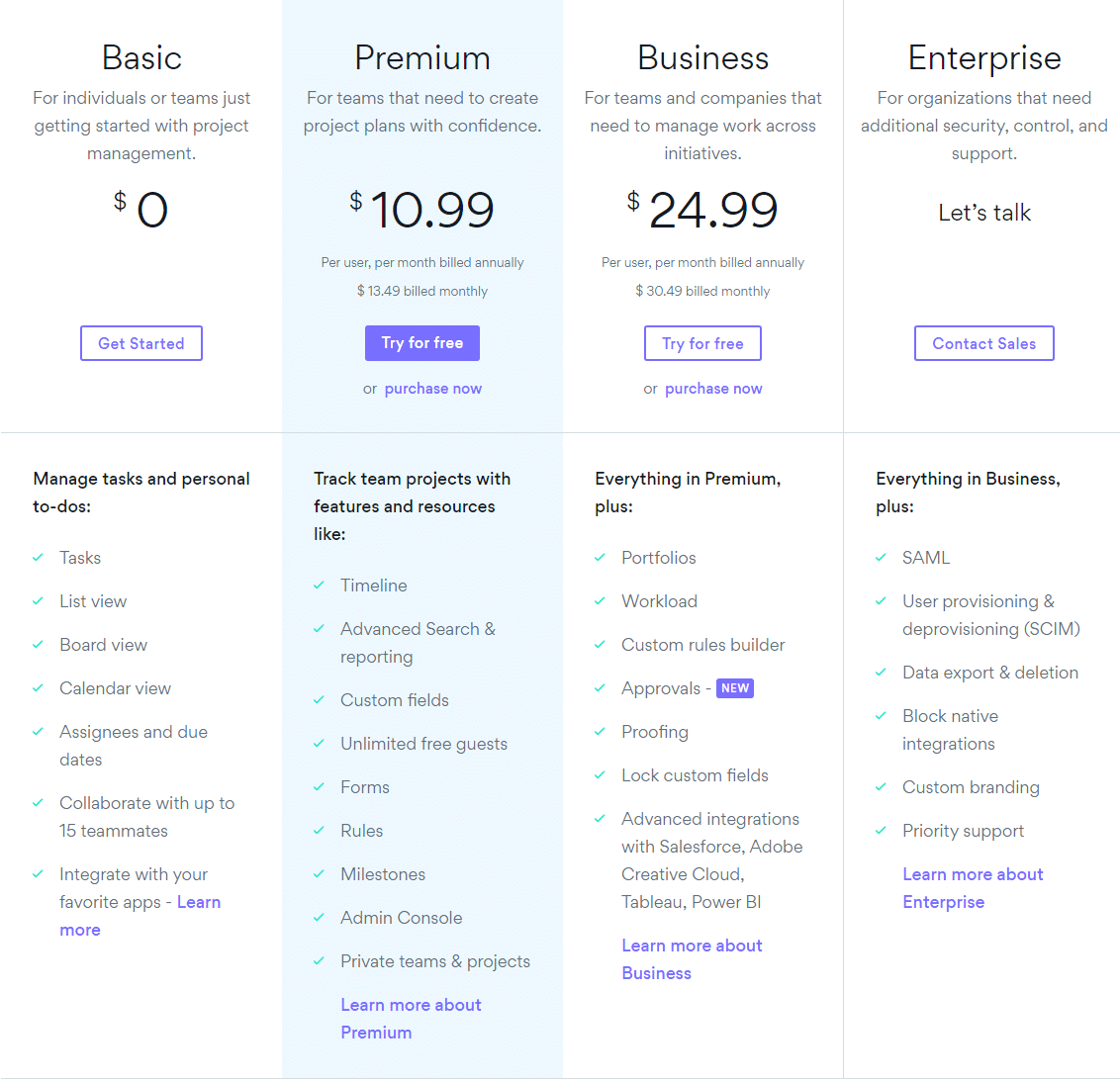 |  |
Asana vs Semaphore: Other Details
Organization Types supported |
|
|
|---|---|---|
Platforms Supported |
|
|
Modes of support |
|
|
API Support |
|
|
Get help choosing | Get help choosing |
Asana User Reviews & Rating Comparison
User Ratings | ||
|---|---|---|
Rating Distribution | ||
Spotsaas Editor’s POV generated by AI | Buyer sentiment Overall positive sentiment highlights ease of use, collaboration features, and workflow customization, tempered by concerns over learning curve and pricing. What buyers like
Common complaints
| Buyer sentiment Users generally praise Semaphore for its ease of setup, helpful support, and reliable performance, though some report UI sluggishness and limited beginner documentation. What buyers like
Common complaints
|
Pros and Cons |
|
|
Positive Reviews | No reviews available for the product | No reviews available for the product |
Asana and Semaphore Customers
Customers |  Vodafone  Deloitte  | No Customers information available. |
|---|
Media and Screenshots
Screenshots | 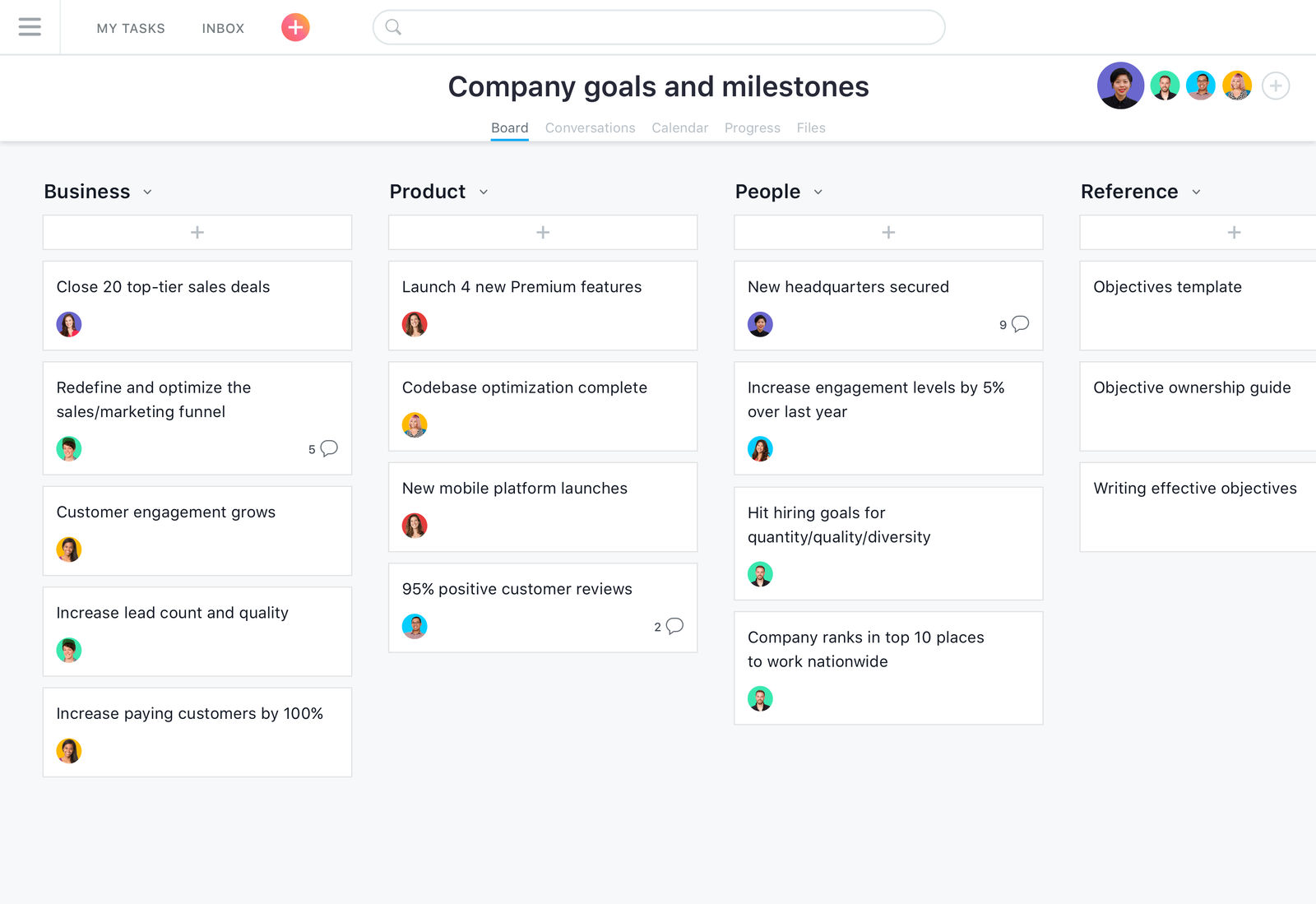 5 Screenshots |  4 Screenshots |
|---|---|---|
Videos |  3 Videos |  3 Videos |
Top Alternatives to Asana and Semaphore in 2026
Alternatives |
|---|


Add another option to compare side by side
Search by product name to compare pricing, fit, and buyer feedback in one view.Compare similar software options


Related Blogs and Articles for Continuous Integration Software
Disclaimer: This research has been collated from a variety of authoritative sources. We welcome your feedback at [email protected].
Frequently asked questions
- Which is better, Asana or Semaphore?
- Semaphore edges out the other on user ratings (4.7 vs 4.6). That said, the best pick depends on your use case, so use the comparison tables above to evaluate each dimension.
- Do Asana and Semaphore offer a free trial?
- Yes, both Asana and Semaphore offer a free trial.
- What is the starting price of Asana vs Semaphore?
- Asana starts at $6.92 /user/month. Semaphore starts at $20 /Month.
- What are the top alternatives to Asana?
- Top alternatives to Asana include Quickbase, monday Work Management, Smartsheet, ClickUp, Clarizen One.
- What are the top alternatives to Semaphore?
- Top alternatives to Semaphore include Bitrise, Travis CI, AppVeyor, Probo.CI, Codefresh.
- Is Asana worth the switch?
- Two things to weigh on Asana. It does these well: intuitive and simple user interface enabling quick adoption; reliable task and project management features including timelines, recurring tasks, and milestones. These are the trade-offs: steep learning curve for new users due to feature richness; key advanced features locked behind premium pricing, increasing cost for smaller teams. It does not cover Accounts Payable and Bank Reconciliation.
- What are the common complaints about Semaphore?
- Semaphore rates highly on the following: easy setup with excellent documentation; responsive and helpful customer support. The common criticisms: UI can be slow or buggy at times; complexity in accessing some settings via CLI. It does not include Performance Metrics and Version Control, which would need a separate product.
More Continuous Integration Software comparisons
Side by side breakdowns of the same products against other options in this category.