

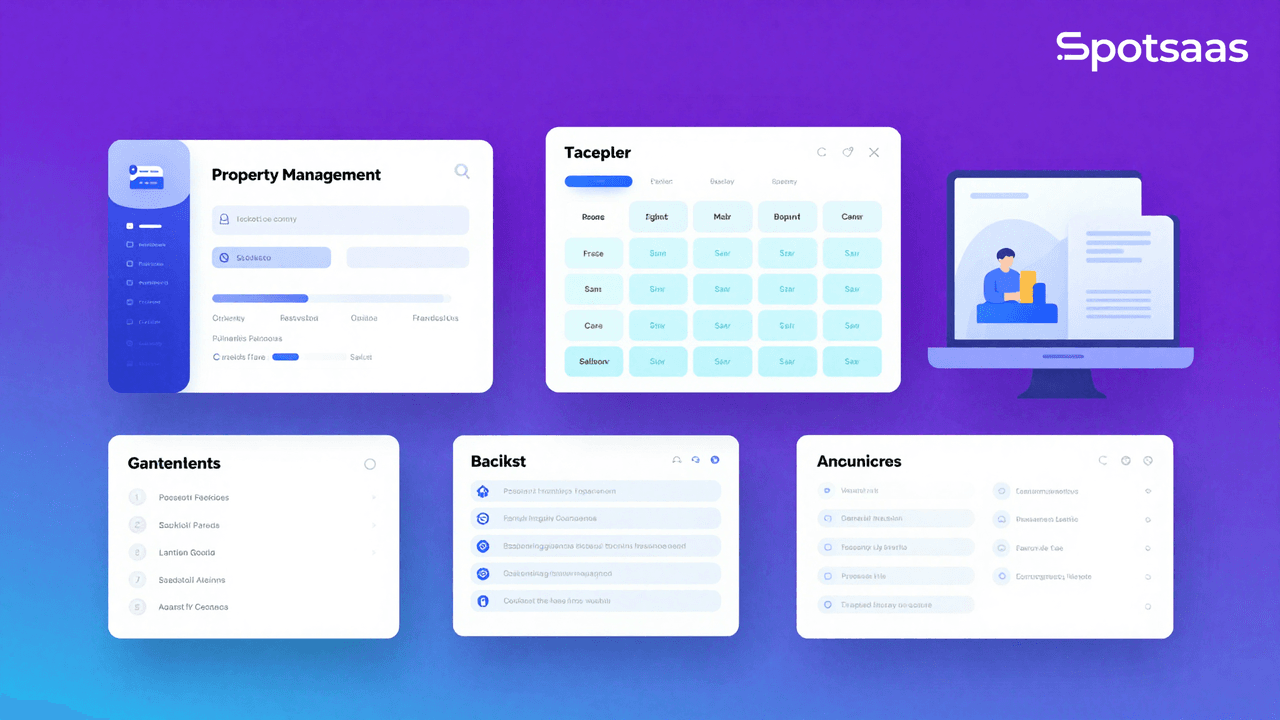
Picking property management software isn’t simple. The market is crowded with options, and the wrong choice can cost you time, money, and a fair amount of frustration down the line.
This guide walks through what the software actually does, the features worth paying attention to, and how to work through the decision so you end up with something that actually fits your rental business.
Understanding Property Management Software
Property management software automates the day-to-day work of running rental properties — rent collection, maintenance requests, tenant records, and more. It cuts down the manual effort involved and helps owners, managers, and landlords keep a rental portfolio organized without drowning in paperwork.
The goal isn’t just convenience. Handling these tasks by hand — spreadsheets for rent, a drawer of paper files for maintenance, a phone for everything else — eats up hours that could go toward actually growing a rental business. Software built for the job saves that time and, done right, improves how consistently the work actually gets done.
What is property management software?
At its core, this software is a system for tracking everything tied to a rental property: who’s paying rent, what needs fixing, and who lives where. It’s most common among people managing multiple units or buildings, since that’s where paper-based tracking starts to break down.
The appeal is that it replaces spreadsheets, paper files, and a lot of phone calls with a single system, making it far easier to handle day-to-day tasks without the usual back-and-forth.
How does it work?
Most property management platforms centralize rent collection, tenant records, and maintenance requests into one dashboard, whether that lives on your computer or in the cloud. Either way, you can typically check in on it from a screen at any time, from anywhere.
Getting value out of it is mostly a matter of entering the details: information about your property or properties, your tenants, and any repairs that are outstanding. The software then helps you manage all of that in an organized way instead of leaving it scattered across notebooks and inboxes.
For example, it can flag that rent is due from a tenant, or that a repair needs attention, instead of you having to track those dates manually in your head or on a calendar.
Who can benefit from using it?
Landlords, real estate companies, and housing associations are the most common users, especially anyone managing a large number of properties. For them, the software makes the job easier by tracking rent payments and keeping buildings maintained without a mountain of manual admin.
But it’s just as useful for smaller-scale landlords with only a few units to manage. Managers of commercial spaces, like malls or office buildings, can put it to good use too. Really, any person or company that owns rental property stands to benefit from these tools.
Even if you don’t own the property but are the one responsible for looking after it day to day, the software can still help you stay on top of things.
Important Features to Consider
When you’re choosing property management software, a handful of features are worth paying close attention to. The right ones can meaningfully improve how efficiently you’re able to run your rental operations.
Some of the key features to look for include online rent collection, tenant screening, maintenance tracking, accounting and financial management, and communication tools for staying in touch with tenants and owners.
These aren’t just nice extras — they’re what keep your day-to-day operations organized and let you make informed decisions about your rental properties, instead of reacting to problems after they’ve already piled up.
Online rent collection
Online rent collection lets landlords and property managers collect rental payments electronically instead of relying on checks or cash, which makes the whole process more convenient for everyone involved.
With it, tenants can make payments through a secure online platform, which removes the hassle of coordinating drop-offs or mailing checks. Overall, this simplifies the payment process for both landlords and tenants, saving time and helping ensure rent actually arrives on schedule.
Tenant screening
Tenant screening helps landlords and property managers evaluate potential tenants before renting out a property. With it, you can run background checks, credit reports, and eviction history to help ensure you’re bringing in responsible, reliable tenants.
This feature saves time and heads off potential problems down the line. By reviewing an applicant’s employment history, income level, and rental references, you can make a more informed decision about who to approve as a tenant.
Done well, tenant screening helps maintain a safe, secure environment for both landlords and the tenants already living on the property.
Maintenance tracking
Maintenance tracking makes it easy to keep tabs on maintenance requests and get repairs handled in a timely way. You can create work orders, assign them to contractors or in-house staff, and track the progress of each one.
This keeps you organized and helps ensure necessary repairs actually get finished, not just logged and forgotten. It also builds a record of maintenance history, which is useful for future reference or when a tenant has a question about a past repair.
With maintenance tracking in place, you can streamline how repairs get handled overall and deliver better service to tenants.
Accounting and financial management
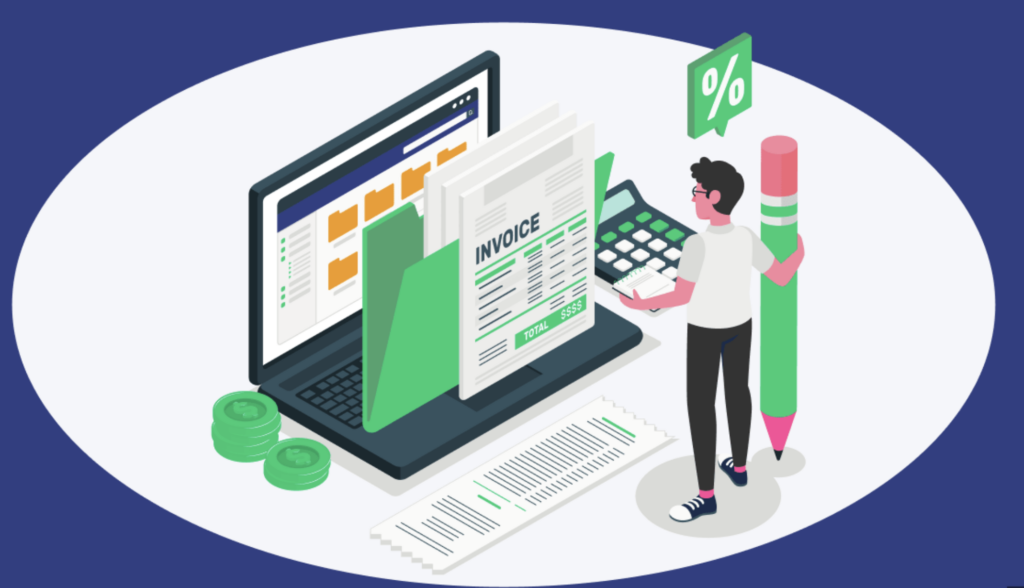
Accounting and financial management tools help you keep track of rent payments, expenses, and financial reports across your rental properties. With accounting functionality built in, you can generate invoices and statements for tenants, track overdue payments, and keep your records accurate.
See these features provided by Stessa to get a deeper look at how this works in practice.
Financial management features also let you analyze how profitable a property is, monitor cash flow, and make more informed decisions about your investments. Having these capabilities built into your software streamlines your financial processes and keeps your rental business running efficiently.
Communication tools
Effective communication matters in property management, which is why choosing software with comprehensive communication tools is worth prioritizing. These tools keep landlords and property managers connected to tenants, vendors, and team members efficiently.
With built-in messaging, you can send important announcements or updates to tenants directly through the platform. Some software also automates reminders for rent payments or maintenance requests by email or text message, so nothing slips through simply because a call wasn’t returned.
Clear, timely communication helps streamline operations, improve tenant satisfaction, and boost overall efficiency in managing rental properties.
Factors to Consider When Choosing Property Management Software
When choosing property management software, there are several factors worth weighing beyond the feature list itself. First, consider the size of your rental portfolio and make sure the software can handle the number of properties you actually have.
Next, take your budget into account and choose software that fits within your financial constraints. Think about ease of use too, and favor software that’s genuinely user-friendly and intuitive rather than something that looks impressive in a demo.
Scalability matters as well — make sure the software can grow with your business if needed. And customer support is crucial in case you run into issues or need help during setup or ongoing use.
Size of your rental portfolio
Consider the size of your rental portfolio when choosing property management software. Whether you have a few properties or a large number of them, it’s important to find software that can handle and scale to your needs.
Some software options are better suited to small portfolios, while others offer more advanced features built for larger ones. Take into account the number of units you manage and how many tenants you have — that number should shape the level of functionality and scalability you need from the software you choose.
Budget
When choosing property management software, it’s important to consider your budget. Work out how much you can afford to spend on a software solution without compromising on the quality and features you actually need.
Keep in mind that pricing models vary — some vendors charge a monthly subscription, others a one-time payment — so look for options that offer flexible pricing that aligns with your financial situation.
Also account for costs that aren’t in the sticker price, like setup fees or training expenses, when you’re evaluating the overall budget for implementing new software. A clear sense of your budget up front makes it much easier to narrow down your options and land on the best fit.
Ease of use
One important factor to weigh when choosing property management software is ease of use. You want software that’s user-friendly and intuitive, so you can navigate the system without confusion or a steep learning curve.
Complicated, difficult-to-use software wastes your time and causes frustration. Look for a platform with a clean, organized interface and clear instructions for how to perform common tasks.
Check whether the software offers training resources, like tutorials or customer support, to help you along the way. Choosing an easy-to-use property management platform saves you time and lets you focus on the more important parts of running your business.
Scalability
Scalability is an important factor to consider when choosing property management software. It refers to the software’s ability to grow and adapt as your rental portfolio expands — handling more properties, tenants, and data without slowing down or becoming difficult to use.
Scalable property management software means you can manage a growing business without needing constant upgrades or a switch to an entirely new system. Look for software that offers flexible plans and lets you add or remove features as needed.
That way, you can scale your operations without disruptions or added costs cropping up down the line.
Customer support
Choosing property management software with reliable customer support is crucial. Whether you’re a small-scale landlord or managing a large rental portfolio, having access to helpful, responsive support can make a real difference in your experience with the software.
When you run into issues or need assistance, it’s essential to have knowledgeable representatives who address your concerns promptly. Look for vendors that offer support through multiple channels, such as live chat, online documentation, and video tutorials.
Choosing property management software from a vendor known for strong customer support helps ensure you get the help you need throughout your time using the product.
How to Buy the Right Property Management Software
When it comes to purchasing the right property management software, there are several steps you can take to make sure you land on a good decision. First and foremost, thoroughly research and compare different options to find the one that best suits your needs.
Taking advantage of free trials can also give you real insight into how a piece of software functions and how easy it actually is to use. Weighing your specific needs — portfolio size, budget, and so on — is crucial to making an informed choice.
Reading reviews and getting recommendations from other users can help guide your decision-making too. And don’t forget to make use of customer support resources offered by software vendors if you have questions or concerns along the way.
Following these steps leaves you well prepared to buy the right property management software for your business.
Research and compare different options
To find the best property management software for your needs, it’s important to research and compare different options rather than settling on the first one you see. Start by looking at the features each one offers, like online rent collection, tenant screening, maintenance tracking, accounting and financial management, and communication tools.
Consider the size of your rental portfolio and your budget as well. Look for software that’s easy to use and can scale with your business, and don’t forget to read reviews and get recommendations from others in the industry before making a decision.
Take advantage of free trials offered by software vendors to try out their products before committing. And if you have questions or need assistance along the way, reach out to their customer support resources for help.
Take advantage of free trials
To make sure you choose the best property management software for your needs, take advantage of the free trials offered by different vendors. Free trials let you test the software and see whether it actually fits your requirements before you commit to a purchase.
During the trial period, explore the features and functionality the software provides in full rather than just skimming the surface. This helps you determine whether it’s genuinely user-friendly and meets your specific needs. It’s also a good opportunity to interact with customer support while you’re still deciding.
Using free trials this way helps ensure you make an informed decision about which property management software is right for your business, without any financial commitment upfront.
Consider your specific needs
To choose the best property management software, you need to consider your specific needs rather than going with whatever has the most features. Think about the size of your rental portfolio and how many properties you actually manage. Consider your budget and how much you can realistically afford to spend on software.
Ease of use matters here too, so look for a system that’s genuinely user-friendly for you and your team. If you plan to grow your business in the future, scalability should factor into the decision as well. Finally, think about the level of customer support you’re likely to need, and make sure the vendor you choose actually offers reliable assistance.
Weighing these factors together helps you find property management software that fits your unique situation and streamlines your operations efficiently, rather than software that just looks good on a features page.
Read reviews and get recommendations
To make the best decision when choosing property management software, it’s worth reading reviews and getting recommendations from others who’ve already been through the process. Doing this lets you learn from the experiences of real users and gain insight into how different software options perform in real-world scenarios, not just in a sales demo.
Reviews can surface valuable information about the pros and cons of each option, helping you judge whether it aligns with your specific needs. Recommendations from other professionals in the industry can also point you toward what’s worked well for them, potentially saving you time and effort in your own search for the right software.
Take advantage of customer support resources
If you have questions or need help with property management software, don’t hesitate to reach out to the customer support team. They’re there to assist you and guide you through using the software effectively.
Whether it’s troubleshooting an issue or understanding a specific feature, customer support can save you time and frustration. Use their knowledge and expertise to get the most out of your property management software experience.
Remember that a reliable customer support system is itself an important thing to weigh when choosing a software provider, not an afterthought once something has already gone wrong.

- Independent picks for exactly what you just read about
- Matched to your team size & needs
- Vendors don't pay for placement
Step 1 of 4
How big is your team?
We tailor recommendations to companies your size.















Related Articles
Buyers guide
Twilio Alternatives 2026: 6 Compared and What They Cost
Continue reading →

Buyers guide
How To Choose The Best Auto Dialer Software For 2026
Continue reading →

Buyers guide
How To Choose The Best Freelance Platforms For 2026
Continue reading →

Buyers guide
How To Choose The Best Audience Response Software For 2026
Continue reading →