
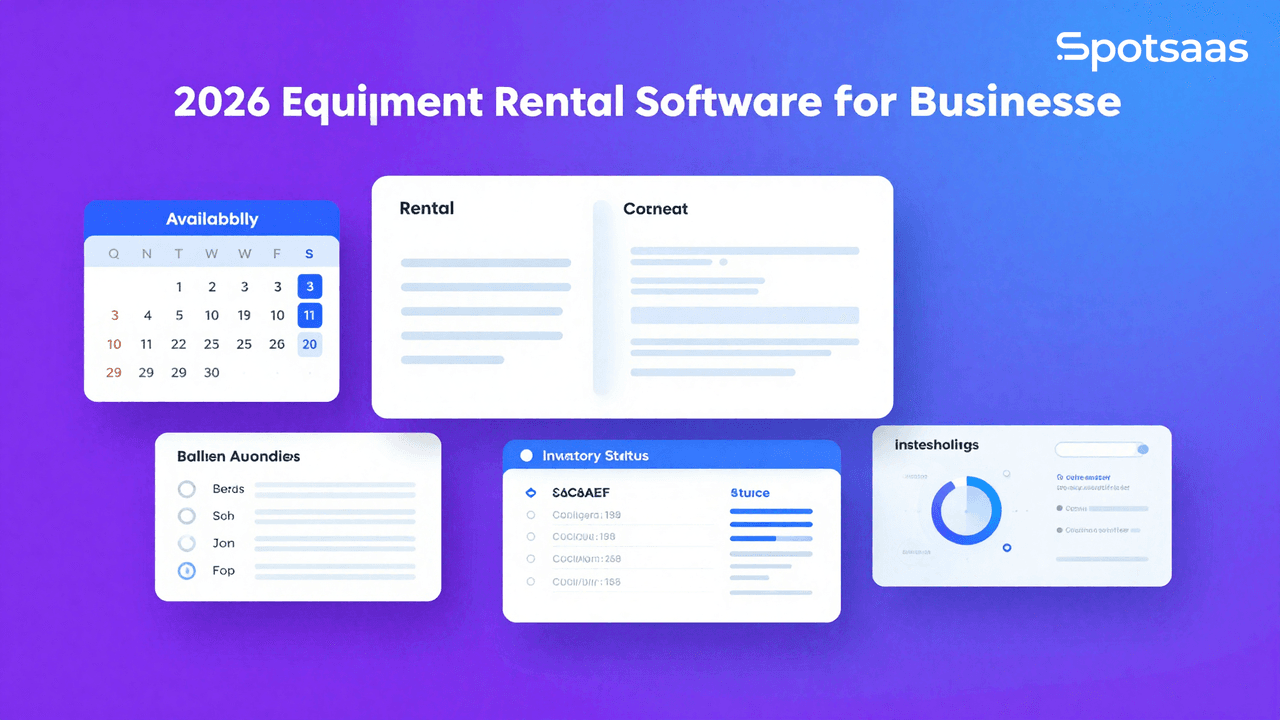
What Is Equipment Rental Software and How Does It Work?
Equipment rental software lets business owners manage rental, tracking, maintenance, and billing for their equipment online instead of juggling spreadsheets and paper contracts. Automating inventory management, contract signing, scheduling, and payment processing improves efficiency and cuts down on operational errors. For rental businesses with a large or high-value fleet, that single source of truth becomes the backbone of daily operations.
By pulling data and workflows into one place, businesses can monitor equipment availability in real time, avoid double-booking, and keep transactions running smoothly. Analytics and reporting help companies make better rental decisions instead of relying on guesswork, and cloud-based access lets users manage rentals remotely, which improves both flexibility and customer service. That remote access matters especially for businesses running more than one yard or storefront.
Why Should You Use Equipment Rental Software?
Equipment rental software streamlines and simplifies the process of renting equipment by pulling inventory management, bookings, billing, and maintenance into a single system. It cuts manual labor, helps avoid overbooking, and improves customer service, and businesses can grow revenue by using automation and real-time tracking to get more out of every asset.
Efficient inventory management
Equipment status — available, rented, or reserved — updates in real time to prevent overbooking, so the organization can allocate resources efficiently and avoid interruptions. That depth of inventory knowledge supports better decisions, and automated tracking cuts the manual labor that used to go into keeping stock counts current, freeing staff to focus on customers instead of spreadsheets.
Automated scheduling and reservations
Customers can book equipment online and get reservation confirmation right away. Automated scheduling cuts manual workload and eliminates double bookings, so a business can manage supply and demand more efficiently even during peak periods — which makes the whole rental process smoother and leaves customers more satisfied. It also cuts down on the back-and-forth phone calls that used to be needed just to confirm whether something was actually available.
Streamlined billing and payments
Invoicing, recurring payments, and accounting software integration eliminate billing errors and keep transactions moving. Secure payment gateways add financial confidence for customers, improve revenue tracking, and keep cash flow consistent.
Improved equipment utilization and maintenance
Preventive maintenance and inspections keep equipment in good working condition, catching problems early and heading off expensive repairs before they happen. That extends equipment lifespan, supports smoother operations, and helps a business stay within safety standards and industry benchmarks — all of which protects the value of the fleet itself.
Reduced operational errors
Automating booking and billing cuts the manual processes where human error tends to creep in, removing ambiguity at the steps that matter most for accuracy. That reduces confusion, promotes clearer communication, and lightens the administrative burden so a business can focus more on growth.
Enhanced customer experience
Customers can browse, book, and pay online through a mobile app without much friction. Self-service options improve accessibility and cut down on wait times, and automated notifications plus faster response times give customers a smoother, more effortless rental experience overall.
Compliance and security
Rental agreements, contracts, and safety protocols get documented digitally, reducing legal risk and making compliance tracking easier. Secure data storage protects both business and customer information, which supports better regulatory compliance and more transparency across the business.
What Are the Key Features of Equipment Rental Software?
Core features include real-time inventory tracking, online bookings, automated invoicing, and maintenance scheduling. Many systems also incorporate GPS and RFID tracking, legal compliance management, and remote operation through mobile access. Advanced reporting and analytics help businesses analyze performance and customer trends, and cloud technology keeps data synchronized across multiple devices.
Real-time inventory tracking
This tracks inventory levels and usage history so equipment stays available without getting overbooked, helping businesses see at a glance what’s rented, available, or under maintenance. GPS and RFID technology help track physical assets and cut the risk of loss or theft, while automated updates reduce the manual errors that come with tracking stock by hand. That accuracy supports better forecasting of stock fluctuations, smarter resource allocation, and more profitable use of high-value equipment, and barcode scanning speeds up warehouse operations on top of that.
Online booking and customer portal
Customers can manage bookings and check equipment availability online through a straightforward interface that keeps transactions simple. Self-service options cut the manual labor involved on the business side, and automated confirmations and reminder emails keep customers informed without extra staff time. Synchronized availability data helps a business avoid real-time booking conflicts, and customers can quickly change, extend, or cancel a reservation themselves — which makes the whole process smoother for everyone involved.
Automated invoicing and payment processing
This handles payment details, manages invoices, and integrates with accounting software such as QuickBooks, cutting manual effort and errors out of recurring billing cycles. It supports credit card payments and online payment options, sends automated payment reminders, and adds encrypted payment gateways with fraud protection for security. That transparency into transactions strengthens cash flow visibility and helps a business collect revenue more efficiently by reducing late payments.
Maintenance and service scheduling
Preventive maintenance scheduling helps avoid equipment failure before it happens, with the system sending automatic reminders for upcoming maintenance and repairs. Businesses can track service history to cut down on unforeseen repair costs while staying aligned with safety regulations and manufacturer guidelines. Regular checks and preventive treatment boost productivity and extend equipment lifespan, and maintenance can be scheduled without disrupting active rentals.
GPS and RFID tracking
GPS and RFID identify and monitor rented equipment in real time to prevent theft or loss, sending geofencing alerts if equipment travels somewhere it shouldn’t. RFID also keeps check-in and check-out accurate, cutting the need for manual tracking and improving operational effectiveness overall. That visibility helps businesses recover lost or stolen equipment, manage fleets remotely, and track equipment movement across logistics and transportation.
Contract and document management
Compliance documents, rental agreements, and waivers get stored and retrieved electronically, cutting the paperwork and processing time that comes with drafting contracts manually. E-signature features speed up and secure the signing process, and digital records mean documents don’t get lost or misplaced. That keeps agreement history transparent and accountable, and businesses can pull up contracts instantly for audits or customer questions.
Mobile app and cloud access
Users can view rental data, bookings, and payments remotely through a mobile app, with real-time notifications and updates keeping everyone current. Both customers and staff can handle rental activity from anywhere, and cloud-based access reduces the need for dedicated office systems. Real-time updates on rental changes and check-outs boost customer satisfaction, and cloud storage keeps rental data backed up and secure while coordinating information across multiple locations.
Reports and analytics
Reporting tools surface insights into rental trends, customer habits, and earnings, helping businesses evaluate performance metrics and make informed, data-backed decisions. They can identify which equipment is most valuable for optimizing inventory and pricing, keep accurate accounts of revenue and expenses, and factor in seasonal rental trends to strengthen forecasts. That same data helps businesses understand customer behavior for sharper marketing and supports long-term progress through comprehensive operational reporting.
What Are the Benefits of Equipment Rental Software?
Businesses that use this software see better equipment utilization, faster rental processing, and lower maintenance expenses. Automated workflows cut down on paperwork and reduce booking and billing errors, self-service portals let customers book and pay without added friction, and the software’s scalability lets a business expand its operations without outgrowing the tool.
Better equipment utilization
Refined asset allocation maximizes rental income and keeps idle stock to a minimum by tracking demand closely enough to prevent underutilization. That data helps businesses pinpoint slow-moving equipment, make strategic decisions about what to keep or retire, and schedule maintenance and rotations that prevent equipment failure. Evaluating rental rates against actual usage highlights the most profitable items, which improves the efficiency of every dollar invested in the fleet.
Faster rental processing
Automatic reservations, billing, and contract generation speed up transactions and cut out manual paperwork. Check-in and check-out move faster, errors in bookings and payments drop, and the rental experience improves through speedier processing across both online and mobile workflows. That lets a business handle rental demand more reliably without adding headcount just to keep up.
Lower maintenance costs
Scheduled preventive maintenance minimizes equipment failure and the costs that come with it, cutting down on emergency service calls and unexpected breakdowns. Efficient servicing extends the lifespan of rental equipment, and catching maintenance needs early avoids the bigger repairs that show up when problems go unnoticed. Tracking service records supports better maintenance budget planning, keeps safety protocols intact through regular checks, and helps prevent operational disruptions across the fleet.
Enhanced customer satisfaction
Self-service portals and automated notifications boost customer engagement by letting customers check availability, book equipment, and track orders on their own. Instant booking confirmations and digital contracts shorten wait times, and automatic reminders keep customers updated with the option to modify or cancel a rental themselves. That combination of speed and convenience improves loyalty and retention, especially with mobile access and quick support built in.
Increased revenue opportunities
Upselling, rental extensions, and bundled pricing all give a business more ways to grow profit from the same customer base, whether that’s suggesting additional rental items or encouraging longer rental durations through competitive pricing. Identifying high-demand products helps determine the most profitable price points, while automated invoicing and timely payments prevent revenue from slipping through the cracks. Insight into customer behavior also makes it easier to tailor promotions and special offers, and integration with online reservation systems opens up additional booking channels.
Scalability for growing businesses
This kind of software works for businesses of any size, from small rental operations to large enterprises, letting a business expand without disrupting existing workflows. It supports multi-location oversight and centralized inventory management, and cloud-based flexibility means remote access and data synchronization aren’t a bottleneck. Automating repetitive work frees up resources for growth, and the ability to integrate new technologies helps a business stay competitive as rental demand increases.
What Are the Different Types of Equipment Rental Software?
Industries like construction, medical, event planning, general rentals, and vehicle leasing each use their own type of rental software. Each type is built to manage specialized equipment, monitor usage, and keep operations within industry guidelines, supporting digital contracts, maintenance scheduling, and financial management along the way. Industry requirements and the scope of operations usually determine which system fits best.
Building and heavy equipment rental software
This manages the rental of machinery, tools, and vehicles for construction work, tracking equipment availability, maintenance schedules, and project usage. It boosts productivity by optimizing fleet and asset management, keeps operations aligned with safety guidelines and protocols, and uses GPS technology to monitor rental activity in real time. Integration with project management software helps coordinate workflows, giving construction businesses the information they need to manage their rental fleet well.
Point of Rental and Wynne Systems are some examples
Medical equipment rental software
This covers the rental of medical equipment, hospital beds, and mobility devices, staying compliant with healthcare legislation and industry norms. It manages repair schedules for medical instruments, tracks patient rental history and contracts, and handles billing alongside insurance claim processing. Automated inventory tracking and invoicing improve efficiency, and it cuts down on errors in managing rental logistics for hospitals and clinics.
Examples: EZRentOut, Rentrax
Event and party equipment rental software
This manages bookings for AV equipment, tents, furniture, and decorations, letting customers book online with availability updating in real time. Contracts convert to digital signatures automatically for speed, and delivery schedules and on-site setup get coordinated through the same system. Inventory tracking prevents shortages during peak seasons, and smoother event planning and order management improve the customer experience — which helps businesses scale up for large events and multi-location operations.
Examples: RentMaster, Event Rental Systems
General equipment rental software
This is built for rental purposes across multiple industries, including tools and consumer electronics, and can track items with a barcode or RFID for easy identification. It speeds up invoicing, payments, and contracts, syncs data in real time through cloud services, and manages promotions and discounts within the same system. It handles both small and large rental operations while scaling with business growth, and it can integrate with online retail systems to widen a business’s market reach.
Examples: Booqable, Quipli.
How to Choose the Best Equipment Rental Software?
Choosing the best equipment rental software matters for businesses in the rental industry. The right software helps manage inventory, track equipment usage, streamline billing, and optimize customer interactions.
It should improve efficiency, reduce operational costs, and support customer satisfaction through a rental experience that feels seamless from booking to return.
What Should Defining Your Equipment Rental Software Goals Include?
Before selecting equipment rental software, it’s worth defining your goals clearly. Whether you’re focused on improving inventory management, streamlining booking, or enhancing customer service, clear objectives will guide your choice of software.
Simplify Rental Process
The software should automate rental processes, including reservation, contract generation, invoicing, and payment collection, cutting manual work and human error.
Improve Inventory Management
An ideal system should offer real-time tracking of equipment availability, condition, and usage, making sure equipment stays properly maintained and accessible when needed.
Streamline Billing & Payment
The software should integrate with payment gateways to streamline billing, track payments, and offer flexible pricing models based on rental duration, type, and equipment condition.
Enhance Customer Experience
The platform should offer features like online booking, contract management, and prompt customer support, keeping the experience easy and efficient for your customers.
What Are the Preferred Equipment Rental Software Models?
Understanding the different models of equipment rental software is important for finding the one that aligns with your business needs, size, and scale.
Cloud-Based Equipment Rental Software
Cloud-based solutions offer scalability, access from anywhere, and automatic updates, making them ideal for businesses with remote teams or multiple locations.
On-Premise Equipment Rental Software
On-premise solutions give a business complete control over data security and customization, best suited to companies that need full control over their software infrastructure.
All-in-One Equipment Rental Platforms
All-in-one platforms consolidate inventory management, booking, payments, and reporting into one system, simplifying operations and cutting the need for multiple separate tools.
Specialized Equipment Rental Solutions
Some platforms are built for specific industries, such as construction or event management, offering specialized tools and features to meet those industries’ particular requirements.
What Should Understanding Your Data Requirements Include?
Selecting software that integrates smoothly with other business systems matters for data consistency and efficiency.
Inventory Management Systems
The software should integrate with inventory management tools to track equipment availability and condition, with real-time updates that prevent overbooking.
Payment Gateways
Integration with popular payment systems like Stripe or PayPal keeps transactions seamless, giving customers multiple payment options while automating invoicing.
Customer Relationship Management (CRM) Systems
CRM integration keeps customer details, rental history, and communication organized in one place, enabling better customer service and more targeted marketing.
Maintenance and Service Tools
For equipment that needs regular maintenance, the software should integrate with service management tools to schedule maintenance, track service history, and keep equipment in good condition.
What Are the Key Features to Evaluate in Equipment Rental Software?
The best equipment rental software provides comprehensive features that help businesses manage rental processes efficiently and cost-effectively.
Core Features
Inventory Tracking & Management
The software should let businesses track each piece of equipment’s location, condition, and availability in real time, so customers can rent what they need without delays.
Reservation & Booking System
A reliable reservation system should let customers book equipment easily online, manage their rentals, and receive automated confirmations and reminders.
Flexible Pricing Models
The platform should allow flexible pricing based on rental duration, delivery location, and additional services, letting businesses offer competitive, customizable pricing.
Contract Generation & Digital Signatures
The software should generate rental contracts automatically and let customers sign digitally, simplifying the process while keeping it compliant with terms and conditions.
Advanced Features
Maintenance Scheduling & Alerts
An advanced system automatically schedules and tracks maintenance alerts when service is due, keeping equipment operational.
GPS Tracking
For high-value or frequently rented equipment, GPS tracking provides real-time location data, adding security and reducing the risk of loss or theft.
Integration with Logistics & Delivery Tools
Integration with logistics platforms helps coordinate delivery and pickup of rental equipment, keeping logistics timely and accurate.
Reporting & Analytics
Built-in reporting and analytics tools help track business performance, monitor revenue, and surface insights into equipment usage, maintenance costs, and customer behavior.
What Should You Assess in Reporting and Analytics?
Practical reporting tools let businesses track key performance indicators (KPIs), monitor financial performance, and make data-driven decisions for improving operations.
Granular Reporting
Rental Utilization & Revenue Reports
Track how often equipment is rented, revenue generated per item, and overall rental performance, so you can identify top-performing items and adjust pricing accordingly.
Customer Reports & Insights
Analyze customer demographics, rental patterns, and feedback to sharpen marketing efforts and customer retention strategies.
Visualization Tools
Custom Dashboards
Customizable dashboards give an overview of key metrics like equipment availability, pending bookings, revenue, and maintenance status, letting managers monitor operations in real time.
Exportable Reports
Exporting reports to formats like PDF or Excel makes it easy to share information with stakeholders or use it for tax and accounting purposes.
What Pricing Models and Cost Considerations Matter?
When selecting equipment rental software, it’s worth weighing the pricing model against your budget and your business’s size.
Subscription-Based Pricing
Most equipment rental software providers use a subscription model, with monthly or annual pricing based on the number of users, equipment, or features. This offers predictable costs and scalability.
Pay-Per-Use Pricing
Some providers offer pay-per-use pricing, charging based on rental or transaction volume — a good fit for companies with fluctuating demand.
Custom Pricing Plans
Larger businesses or those with specific needs may opt for custom pricing, which comes with tailored features, premium support, and enterprise-level functionality.
What Should You Check for Scalability in Equipment Rental Software?
The software should grow with your business, handling more rentals, locations, and users without a drop in performance.
High-Volume Transaction Handling
The software should process a high volume of transactions efficiently, including bookings, payments, and contracts, without performance issues.
Multi-Location Support
For businesses with multiple locations, the software should allow centralized management, with the ability to track equipment and manage rentals across different sites.
Expandable Features & Integrations
Look for software that integrates easily with third-party tools or expands with additional features as your business grows, such as more advanced reporting or new payment methods.
What Support and Training Should You Expect?
Reliable customer support and training resources make sure your team can use the software effectively, resolve issues quickly, and keep optimizing rental processes over time.
Customer Support
Good customer support matters for addressing issues quickly and minimizing downtime. Look for providers offering 24/7 support via phone, email, or chat.
Onboarding & Tutorials
Make sure the software provider offers comprehensive onboarding resources, including video tutorials, user guides, and FAQs, to help your team get up to speed quickly.
What Are the Top Equipment Rental Software Options?
What matters most in equipment rental software comes down to features, pricing, scalability, and integrations — things like automation capabilities, cloud-based access, reporting tools, and ease of use.
Effective software lines up with your business objectives, comes with solid customer support, and integrates with the systems you already use. Businesses can use the comparison below to find the most effective, cost-efficient platform for their needs.
| Software | Pricing | Key Features | Best For |
|---|---|---|---|
| EZRentOut | Starting at $69/month | Cloud-based rental tracking, inventory management | General rental businesses |
| Point of Rental | Custom Pricing | Multi-industry rental management, mobile access | Construction, party rentals |
| Wynne Systems | Custom Pricing | ERP-based rental software, fleet tracking | Large-scale enterprises |
| Rentrax | Starting at $50/month | Medical and sports equipment rental | Healthcare, sports rentals |
| RentMaster | Custom Pricing | Event rental automation, contract management | Event planning, AV rentals |
| Booqable | Starting at $29/month | Online booking, invoicing, POS system | Retail, general rentals |
| Quipli | Custom Pricing | AI-driven rental software, revenue tracking | Equipment and tool rentals |
Final Thoughts On Choosing Equipment Rental Software
The right equipment rental software matters for any business renting out construction equipment, medical devices, or anything in between. It improves efficiency, inventory management, and customer satisfaction, and it helps with scheduling, tracking, and billing all at once, which is a lot of ground to cover well with a single tool.
Which platform makes sense depends on factors like industry demands and how much automation a business actually needs. With the right platform, rental businesses can run more efficiently, cut equipment-related costs, and generate more revenue.
It also means better equipment utilization by reducing downtime and preventing overbooking. With advanced analytics and reporting, businesses can make informed, data-backed decisions that improve profitability over time, turning what used to be reactive fleet management into something closer to a planned, predictable operation.

- Independent picks for exactly what you just read about
- Matched to your team size & needs
- Vendors don't pay for placement
Step 1 of 4
How big is your team?
We tailor recommendations to companies your size.















Related Articles
Buyers guide
Twilio Alternatives 2026: 6 Compared and What They Cost
Continue reading →
Buyers guide
How To Choose The Best Auto Dialer Software For 2026
Continue reading →
Buyers guide
How To Choose The Best Freelance Platforms For 2026
Continue reading →
Buyers guide
How To Choose The Best Audience Response Software For 2026
Continue reading →