
Understanding how customers behave and how they interact with your business is hard without a clear method. Effective customer behavior analysis improves marketing strategies and increases customer engagement, and it gives you a repeatable way to read what your audience actually does.
This guide covers the full process of conducting an in-depth customer behavior analysis, step by step, from defining objectives to collecting data, segmenting your audience, and identifying the key insights that shape your decisions.
Key Takeaways
- Customer behavior analysis is the process of studying how customers behave, make decisions, and interact with a business.
- It helps businesses tailor their marketing strategies, improve customer engagement, increase conversions, and achieve their goals.
- Conducting a customer behavior analysis involves defining objectives, collecting relevant data, segmenting the customer base, analyzing behavior patterns, creating customer personas, and identifying key insights.
- Tools like Google Analytics, Hotjar, Mixpanel, Kissmetrics, and Salesforce Customer 360 can help in conducting effective customer behavior analysis.
What is Customer Behavior Analysis?

Customer behavior analysis is the process of studying and understanding how customers behave, how they make decisions, and how they interact with a business. It involves analyzing data and patterns to gain insight into consumer preferences, motivations, and buying habits.
By understanding customer behavior, businesses can tailor their marketing strategies, improve customer engagement, increase conversions, and ultimately meet their business goals.
Definition
Customer behavior analysis is a close look at how buyers act with your company. It uses both quantitative data and qualitative opinions to examine customer actions. The study lets companies see how customers use their products, services, and brand.
Businesses divide their audience into groups during this process. They find out why each group prefers the company’s offers, and then they can plan their sales approach and campaigns around that information.
Companies that study consumer actions well can stay ahead of their rivals. They may find cues that get customers to take part more fully, and they learn about shopping habits and how customers respond to different sales plans.
With these details, businesses understand their audience better and meet their needs.
Benefits for Business Success
Knowing your customers can make a big difference to your business. Customer behavior analysis helps you learn about your clients, and that information helps you plan better, more focused marketing efforts.
It also lets you meet the needs of each client, rather than treating every buyer in your audience the same way.
With it, businesses can find out how often their customers buy things and whether clients respond well to their ads or not. All of this data is useful for companies that want to do better and grow bigger.
Over time, this deeper understanding of your customers leads to more sales and happier, more loyal customers.
How to Conduct a Customer Behavior Analysis

To conduct a customer behavior analysis, start by defining your objectives and collecting relevant data. Then segment your customer base so you can understand their behavior patterns more clearly.
Next, create customer personas to learn more about their preferences and motivations. Finally, identify key insights that inform your marketing strategies and help you acquire and retain customers.
Define Objectives
Start with clear goals. Ask what you want to learn from the customer behavior analysis. Do you want to find out why people buy your products, or are you more interested in knowing which ads work the best? Naming this up front keeps the work focused.
Clear objectives guide what data to collect and help track progress. This is how businesses make sound plans for their customers’ needs.
Collect Relevant Data
Collecting relevant data is a key part of a customer behavior analysis. The data shows how customers interact with your company and its products or services.
You can gather this information through several methods, such as surveys, interviews, website analytics, and social media monitoring. By analyzing the collected data, you can identify patterns and trends in customer behavior that help you make informed decisions about your marketing strategies.
Keep in mind that collecting accurate and up-to-date data is essential for drawing meaningful conclusions about customer behavior; stale or partial data can point you in the wrong direction.
Segment Customer Base
Segmenting your customer base is an important step in analyzing customer behavior. Dividing your customers into distinct groups based on their characteristics, preferences, and behaviors shows how to target and engage each segment more effectively.
This lets you tailor your marketing strategies and communication to the specific needs of different customer groups. For example, if you discover that one segment is mostly young professionals who prefer mobile shopping, you can focus on improving your mobile app or website for that group.
When you understand the specific benefits each segment gets from your products or services, you can write personalized marketing messages that resonate with those customers and drive conversions.
Analyze Behavior Patterns
Analyzing behavior patterns is an important step in customer behavior analysis. By examining how customers interact with your products, services, and brand, you can gain a clear view of their preferences and needs.
The analysis helps businesses understand how often customers make purchases and how they respond to marketing campaigns. Once you identify these patterns, you can adjust your strategies to better meet customer expectations and raise engagement.
It also helps companies deepen their understanding of their target audience, make informed decisions, and improve their marketing efforts as they go.
Create Customer Personas
Creating customer personas is an important step in a customer behavior analysis. Personas are detailed profiles that represent different segments of your target audience.
These profiles help you understand the needs, preferences, and behaviors of your customers, so you can speak to them more directly.
To create customer personas, you need to gather data about your customers through surveys, interviews, and a review of how they interact with your website or app. Look for patterns and shared characteristics among your customers to identify distinct groups.
This can include demographics such as age, gender, and location, along with psychographic factors such as interests and values.
Once you have identified these segments, give each persona a name and describe its characteristics in detail, including goals, challenges, motivations, preferred communication channels, and buying habits.
With a clear picture of these personas, it is easier to customize marketing messages and tailor products or services to their specific needs.
Identify Key Insights
Customer behavior analysis helps businesses identify key insights about their customers. By studying how customers engage with your products and services, you can gain valuable information about their preferences, purchasing patterns, and motivations.
These insights help you understand what drives customer satisfaction and loyalty, and they point out the pain points or areas that need improvement. With that knowledge, businesses can make informed decisions, refine their marketing strategies, and tailor their offerings to meet the needs of their target audience.
Tools like Google Analytics, Hotjar, Mixpanel, Kissmetrics, and Salesforce Customer 360 help gather data and draw meaningful conclusions from customer behavior analysis.
Tools for Conducting Customer Behavior Analysis
Some of the top tools for conducting a customer behavior analysis include Google Analytics, Hotjar, Mixpanel, Kissmetrics, and Salesforce Customer 360, each with its own strengths.
Google Analytics
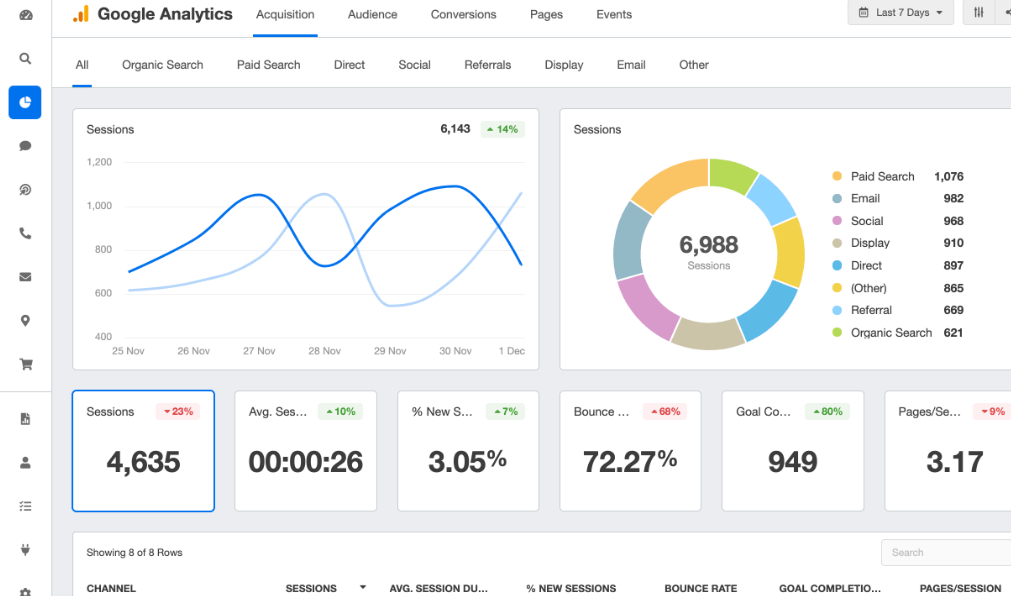
Google Analytics is a popular tool for customer behavior analysis. It shows how customers interact with your website and online campaigns, and it tracks metrics such as page views, bounce rate, and conversion rates.
You can also segment your audience based on demographics and study their behavior patterns over time. This information helps you personalize the customer experience, identify pain points, and make accurate predictions about customer preferences.
By using Google Analytics, businesses can refine their marketing strategies and work to acquire and retain customers more effectively.
Hotjar
Hotjar is a tool for customer behavior analysis. It shows how users interact with a website or app, which helps companies understand what drives customer behavior.
With Hotjar, businesses can track and analyze user sessions, heatmaps, click maps, and conversion funnels. The data points to places where users run into trouble or drop off in the conversion process.
By understanding these pain points, businesses can make informed decisions about how to improve their website or app design and the overall customer experience. Hotjar also offers features such as feedback polls and surveys, so companies can gather input directly from their customers.
Mixpanel
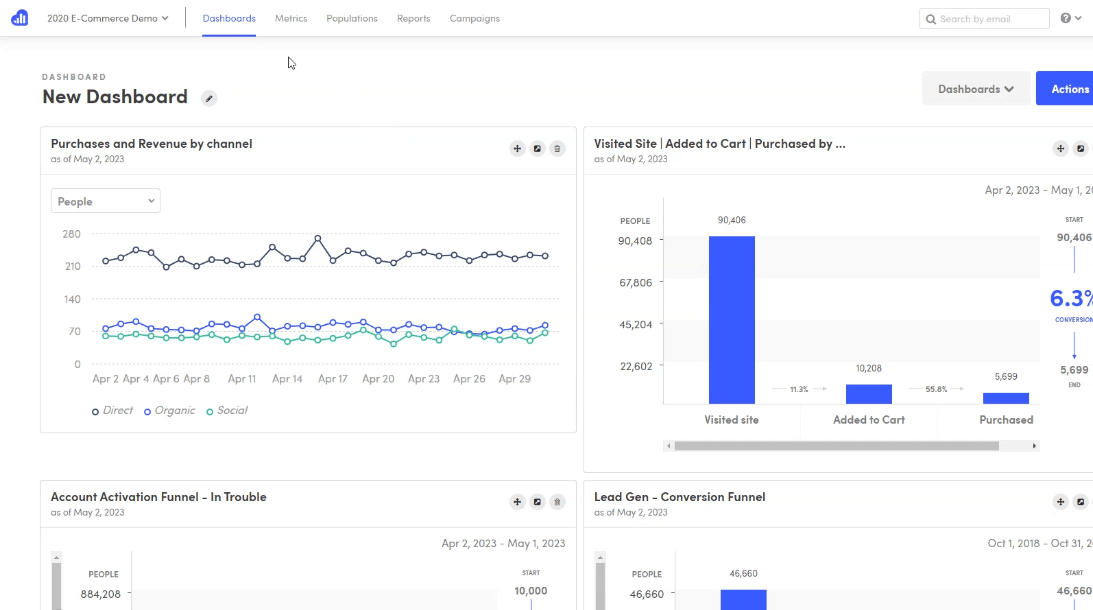
Mixpanel is a tool for customer behavior analysis. It lets businesses track and analyze user interactions on their websites or mobile apps. With Mixpanel, businesses can see how customers move through their platforms, which features they use most, and what actions lead to conversions.
This data helps businesses make informed decisions about their marketing strategies and improve their products or services to meet customer needs. With its clear, easy-to-use interface and detailed analytics, Mixpanel surfaces insights that drive customer engagement and support overall business success.
Kissmetrics
Kissmetrics is a tool that helps businesses analyze customer behavior. With Kissmetrics, companies can track and measure how customers interact with their websites, products, and marketing campaigns across different touchpoints.
This tool shows customer engagement and helps businesses see which strategies drive conversions. With Kissmetrics, businesses can spot trends, preferences, and pain points among customers and personalize the customer experience.
Kissmetrics also lets companies segment their audience based on different parameters, such as demographics or buying habits. That segmentation enables businesses to build targeted marketing campaigns that speak to specific groups of customers rather than a single broad audience.
In short, Kissmetrics is a useful resource for businesses that want a fuller view of customer behavior and want to strengthen their marketing strategies over time.
Salesforce Customer 360
Salesforce Customer 360 supports customer behavior analysis. It gathers and analyzes data from many touchpoints, such as website interactions, social media engagement, and customer support inquiries.
Through this platform, businesses can gain a clearer view of customer preferences and behaviors, which helps them personalize the customer experience and make accurate predictions about future trends.
By using Salesforce Customer 360, businesses can strengthen their marketing strategies, acquire new customers, retain existing ones, and ultimately meet their business goals.
Tips for Success with Customer Behavior Analysis

Personalize the customer experience, identify and address pain points, make accurate predictions, and focus on acquiring and retaining customers.
Personalizing the Customer Experience
One important part of customer behavior analysis is personalizing the customer experience. By tailoring your marketing strategies to specific customer segments, you can create a more personalized and targeted approach.
This helps customers feel understood and valued, which raises engagement and loyalty. By analyzing customer behavior, businesses can identify individual preferences, interests, and purchase patterns.
With that information, they can deliver customized offers, recommendations, and content that fit each customer’s unique needs. Personalization improves the overall customer experience by providing relevant solutions and building stronger relationships between businesses and their customers.
Identifying and Addressing Pain Points
Another important part of customer behavior analysis is identifying and addressing pain points. Pain points are the specific challenges or problems customers face when they interact with a company’s products or services.
By understanding and resolving these pain points, businesses can improve customer satisfaction and loyalty. Customer behavior analysis helps identify them by reviewing customer feedback, complaints, and support inquiries.
Once you know the issues, you can develop targeted solutions to address them and give customers a better overall experience. This not only improves customer retention but also strengthens the company’s reputation in the market.
Making Accurate Predictions
Making accurate predictions is an important step in customer behavior analysis and a key part of long-term success. By studying existing data and patterns, businesses can forecast future customer behavior and make informed decisions before acting.
This helps them improve their marketing efforts, anticipate consumer trends, and shape their strategies around customer needs. Accurate predictions help businesses stay ahead of the competition and provide personalized experiences that drive conversions.
It also helps them acquire new customers and retain existing ones by addressing pain points. As they learn customer behavior trends, businesses can adapt their products or services, which raises customer satisfaction and loyalty.
Acquiring and Retaining Customers
Business success depends on attracting new customers and keeping existing ones. Acquiring and retaining customers is a key part of customer behavior analysis.
When you understand your target audience’s preferences and behaviors, you can develop effective marketing strategies that resonate with them. Customer behavior analysis identifies the pain points of your customers so you can address them accordingly and raise overall satisfaction.
Analyzing behavioral patterns also supports accurate predictions about future consumer trends and purchasing decisions. This helps businesses personalize their offerings and build stronger customer loyalty over the long term.
Conclusion
Customer behavior analysis is a valuable practice for businesses that want to understand and engage their customers. By analyzing behavior patterns and creating customer personas, businesses can build personalized marketing strategies that address pain points and anticipate future trends.
With the right tools and insights, businesses can acquire new customers, retain existing ones, and meet their business goals. Start conducting a customer behavior analysis to gain useful insights and improve your overall understanding of your target audience.
Frequently Asked Questions
What is customer behavior analysis?
Customer behavior analysis is the process of studying and understanding how customers behave, make decisions, and interact with businesses in order to improve marketing strategies and customer experiences.
Why is customer behavior analysis important for businesses?
Customer behavior analysis is important for businesses because it provides insights into customer preferences, needs, and motivations. This information helps businesses tailor their products, services, and marketing efforts to better meet customer expectations.
How can I conduct a customer behavior analysis?
To conduct a customer behavior analysis, you can collect data through surveys, interviews, observation, or by analyzing online interactions such as website clicks or social media engagements. You can also use tools like CRM software to track customer behaviors over time.
What are the benefits of using customer behavior analysis in business decision-making?
Using customer behavior analysis in business decision-making allows companies to make informed choices about product development, pricing strategies, promotional campaigns, and overall marketing efforts. It helps increase sales conversions, improve customer satisfaction levels, and build long-term relationships with customers.
Are there any ethical considerations when conducting a customer behavior analysis?
Yes, there are ethical considerations when conducting a customer behavior analysis. Businesses should ensure that they obtain proper consent from customers before collecting their data. They should also protect this data from unauthorized access or misuse and adhere to privacy regulations to maintain trust with their customers.
Compare alternatives to the tools in this post

- Independent picks for exactly what you just read about
- Matched to your team size & needs
- Vendors don't pay for placement
Step 1 of 4
How big is your team?
We tailor recommendations to companies your size.















Related Articles

Customer Support Software
13 Best Intercom Alternatives in 2026 (For Every Budget)
Continue reading →

Customer Support Software
Best Customer Support Software in 2026: Complete Guide for Every Team Size
Continue reading →

Best Tools
15 Best Zendesk Alternatives in 2026: Cheaper, Simpler, More Powerful
Continue reading →
Buyers guide
How To Choose The Best Restaurant Takeout and Delivery Software For 2026
Continue reading →