
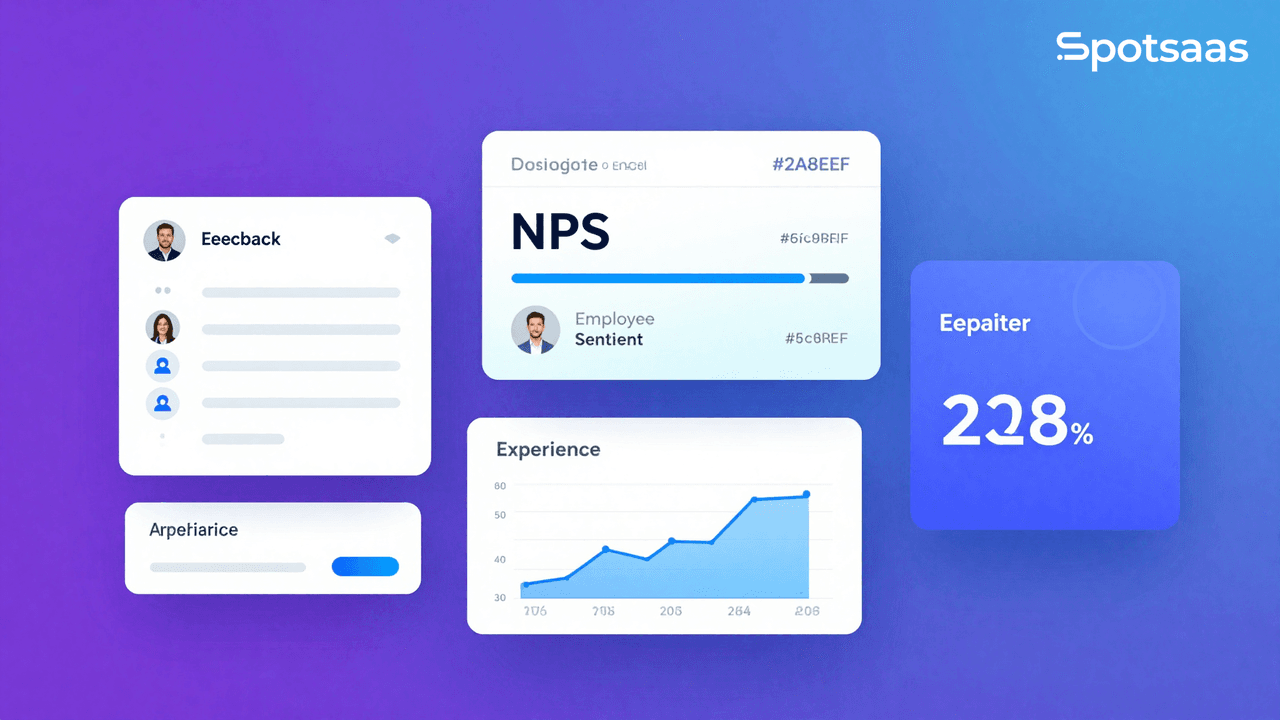
How Does Experience Management Software Work and What Does It Do?
Experience management software gives organizations a way to capture, analyze, and act on data from customer, employee, and brand interactions. It pulls in real-time feedback from comments, surveys, and analytics, and layers on AI-driven insights so businesses can gauge satisfaction, respond faster, and make better decisions. That combination helps companies spot trouble spots early, anticipate how customers will behave, and make changes before small issues turn into bigger ones.
Why Should Businesses Use Experience Management Software?
Businesses adopt experience management software to raise customer satisfaction, strengthen employee engagement, and base decisions on real data instead of guesswork. These platforms let organizations personalize customer journeys, manage brand reputation, and sharpen day-to-day service. Many also come with AI features that predict behavior and support strategies aimed at retention and loyalty.
Enhanced Customer Experience
Real-time feedback helps businesses understand what customers actually need and expect, and it surfaces service gaps that are otherwise easy to miss. Acting on that feedback lets businesses tailor products and services to what customers are telling them, and addressing problems before they escalate builds stronger, longer relationships.
Improved Employee Engagement
Regular feedback gives organizations an ongoing read on employee satisfaction and workplace culture, which makes it easier to address issues before they affect productivity. It also highlights where people need room to grow professionally, and a more engaged, motivated workforce tends to stick around longer.
Data-Driven Decision Making
AI and analytics tools analyze feedback trends and help predict how customers and employees are likely to behave, giving businesses something concrete to act on when adjusting strategy. That keeps organizations ahead of market shifts and competitor moves, and it replaces guesswork with continuous improvement based on real-time data.
What Are The Key Features Of Experience Management Software?
Experience management software brings together the core tools organizations need to capture, analyze, and act on customer, employee, and brand feedback. It typically combines AI-driven insights, data collection across channels, and real-time analytics to lift engagement. Together, these features help companies stay competitive, build loyalty, and protect their brand image.
Surveys and Feedback Tools
Survey tools let businesses build fully customizable surveys to pull insights from customers, employees, and stakeholders, using formats like rating scales, open-ended questions, and multiple choice. They help organizations measure satisfaction, service quality, and areas that need work, and they automate distribution through email, SMS, and in-app pop-ups. Response data feeds back in real time, so decisions don’t have to wait on a manual review.
Sentiment Analysis and AI Insights
AI reads written and spoken feedback to interpret emotional tone and detect patterns, sorting reviews, comments, and survey responses into positive, neutral, or negative sentiment. It flags the biggest drivers of dissatisfaction so teams know where to focus, and it warns businesses when a shift in sentiment signals a brewing problem. Predictive analysis adds a forward-looking view of trends and expectations, giving teams a data-backed basis for decisions instead of a hunch.
Omnichannel Feedback Collection
Feedback comes in from multiple channels at once, including email, social media, SMS, websites, and mobile apps, and gets pulled into a single view of customer and employee interactions across touchpoints. Structured and unstructured input get combined automatically, which helps businesses spot trends and pain points across different customer segments. Because collection happens in real time, issues can be addressed quickly, and pulling from several channels at once helps confirm whether a signal is real or just noise.
Automated Reports and Analytics
Reporting tools build real-time reports and dashboards that track customer and employee experience in detail, covering satisfaction scores, feedback trends, and service quality metrics. Data visualizations can be customized to fit how a team interprets and acts on the numbers, and automated report generation cuts down on manual analysis work. Pattern recognition in the feedback helps forecast customer behavior and expectations, which makes handling experience data a more manageable, ongoing process rather than a periodic scramble.
Customer Journey Mapping
Journey mapping tracks customer interactions across every lifecycle stage to identify pain points and openings for better engagement, laying out the entire customer experience as a visual map. That lets businesses optimize the touchpoints that matter most for satisfaction and loyalty, and it makes it easier to tailor experiences to how users actually behave. Mapping also pinpoints exactly where customers drop off or hit friction, which in turn helps improve conversion rates across the journey.
Employee Experience Monitoring
Employee experience monitoring tracks the factors that affect engagement, satisfaction, and retention, gathering feedback on workplace culture, job satisfaction, and career growth opportunities. That gives HR teams a clearer basis for addressing concerns and building retention strategies. Real-time insight into workforce sentiment supports overall morale, and tracking broader trends in well-being, productivity, and performance helps organizations get ahead of employee needs rather than reacting after the fact.
Brand Reputation Monitoring
Brand monitoring tracks reviews, social media mentions, and sentiment trends online to help businesses understand how consumers and the public actually perceive them. Watching negative feedback in real time surfaces potential PR risks early, and benchmarking sentiment against industry standards shows where a brand stands relative to competitors. That combination lets companies get ahead of reputational threats and, over time, build more trust and credibility with the public.
Actionable Insights and Alerts
AI-generated recommendations pair with automatic alerts whenever negative feedback comes in, so companies can respond to complaints quickly instead of finding out about them late. Critical feedback that needs immediate attention triggers a real-time notification, and acting on complaints promptly tends to stop escalation and reduce churn. Over time, the suggestions get smarter about what would actually improve the experience, turning the software into an ongoing source of insight rather than a one-time report.
What Are The Benefits Of Experience Management Software?
Experience management software offers a range of advantages that let companies get more out of customer interactions, employee engagement, and brand reputation. These platforms help businesses build customer loyalty, boost productivity, and base decisions on real data.
Higher Customer Satisfaction and Loyalty
Analyzing direct customer feedback surfaces opportunities to improve products and services, and it helps businesses tailor interactions in ways that boost engagement and retention. The insights generated point directly at what would raise service quality, and resolving issues quickly keeps small problems from turning into lost customers. Over time, that consistency builds trust and reliability, which is what turns one-time buyers into a steady, loyal customer base.
Ramp-Up Employee Productivity and Retention
Addressing workplace concerns before they grow helps organizations keep employee engagement high. The software identifies concrete factors dragging down morale and suggests fixes, which supports a feedback-driven culture that tends to raise job satisfaction. That kind of environment helps retain talent, and performance trend data gives managers a clearer picture for optimizing how the workforce operates. A reputation for treating employees well also makes it easier to attract strong talent in the first place.
Better Brand Perception and Crisis Management
Protecting and improving brand image starts with monitoring customer sentiment and online reputation closely. Managing customer response and addressing concerns directly helps prevent small issues from becoming full PR crises, and spotting trends in negative feedback early gives organizations time to act before problems spread. A brand’s presence and reputation improve as a result, and benchmarking sentiment against competitors shows where it stands. Resolving issues the right way, consistently, is what builds credibility over time.
Accelerated Incident Resolution
Real-time feedback collection and automatic alerts let companies spot issues right away and address them before they escalate. Reviewing complaints and grievances as they come in gives teams a chance to act quickly and reduce churn, and removing operational bottlenecks makes service more efficient overall. Quick, effective resolutions build trust with both customers and employees, and staying proactive rather than reactive is what keeps service quality consistent.
Informed Strategy and Growth
Access to market trends, customer expectations, and competitive analysis gives businesses the information they need to fine-tune products and services with data instead of guesswork. Watching how customer needs shift over time supports better long-term strategic planning, and catching emerging issues early reduces the risk that they’ll disrupt operations. Ongoing improvement to customer and employee experience compounds into broader business growth, especially when experience data is linked directly to business intelligence tools for sharper decision-making.
What Are The Types Of Experience Management Software?
Experience management solutions differ mainly by focus, with separate tools built around customer, employee, brand, and product experience. Some add AI-driven analytics for prediction and automated decision-making on top of that. Which type makes sense depends on a business’s goals, its industry, and how it interacts with its audience.
Customer Experience (CX) Management Software
CX management software focuses on improving customer satisfaction and engagement through data-driven insights. It gives companies a central place to collect and analyze feedback across multiple touchpoints, which helps improve service quality by pinpointing exactly where the customer journey breaks down. AI and analytics layered on top produce personalized recommendations aimed at retaining customers.
Employee Experience (EX) Management Software
EX management software tracks employee satisfaction, workplace engagement, and organizational culture, feeding feedback back to HR teams to sharpen job satisfaction and retention strategies. It offers visibility into well-being, productivity, and motivation, and flags trends in engagement, both the highs and the lows, along with recommendations for what to do about them. The result, over time, is a more responsive culture built on continuous listening, and a stronger employer brand grows out of that.
Brand Experience (BX) Management Software
BX management software tracks brand perception, customer sentiment, and online reputation, mapping mentions across social media and customer reviews alongside competitive positioning. That helps maintain a consistent, positive brand perception, and sentiment analysis flags when that perception starts to shift. It also shows where marketing and communication strategies need adjustment, giving organizations a head start on reputational concerns before they become urgent.
Product Experience (PX) Management Software
PX management software monitors usability, performance, and customer satisfaction feedback on a product, helping companies improve design based directly on what users say and suggest. It surfaces recurring issues and areas that need work, and assessing in-app interactions and usability trends helps keep the overall user experience smooth. The data-driven suggestions it generates give product teams a concrete backlog to work from, and optimizing functionality based on that insight tends to improve both adoption and retention.
AI-Based Experience Management Platforms
AI-based platforms lean on machine learning and predictive analytics to support decision-making, automating the analysis needed to spot trends and patterns in experience feedback. Real-time suggestions aim at improving interactions between customers and employees, and the predictive layer helps anticipate new behaviors before they show up in the numbers. Personalization gets sharper through AI-supported engagement strategies, turning experience management into an ongoing, insight-driven process rather than a manual one.
How to Choose the Best Experience Management Software?
Choosing the right experience management software is a key step toward improving performance across your business.
The software you pick should integrate cleanly with your existing systems and let you track and analyze every type of feedback, so continuous improvement actually happens rather than staying an aspiration.
What Does Defining Experience Management Software Goals Include?
Defining clear goals up front makes sure the software you choose actually aligns with your business objectives, whether that’s customer satisfaction, employee engagement, or brand loyalty. Those goals also make it easier to identify exactly which features and functionality you need to get there.
Improve Customer Experience
Good software gives detailed insight into customer preferences, behaviors, and pain points, so you can improve your offerings and build stronger relationships. It should also let you act on that insight quickly, since consistent service depends on speed as much as accuracy.
Monitor Employee Engagement
Tracking employee feedback regularly helps you spot workplace challenges early and build strategies to improve morale, job satisfaction, and productivity.
Strong engagement is what actually reduces turnover and supports a positive company culture over time.
Track Brand Perception
Tracking brand perception gives businesses the information needed to adjust marketing strategies, sharpen communication, and keep brand image aligned with what customers actually expect. Ongoing monitoring, done consistently, is what builds a more resilient, trusted brand over time.
Enable Real-Time Feedback & Insights
Real-time feedback keeps you agile, letting you respond to concerns before they escalate rather than after. It keeps operations flexible enough to adjust quickly when trends or customer expectations shift.
What Are the Preferred Experience Management Software Models?
Which experience management tool works best depends on your business’s specific needs: team size, how complex your goals are, and how much feedback you’re actually managing.
Picking the right model helps you scale effectively while still optimizing customer, employee, and brand experience.
All-in-One Experience Management Platforms
An all-in-one platform pulls all your feedback and analytics into a single solution, so you can monitor multiple aspects of experience management from one dashboard. Centralizing data this way simplifies workflows and tends to boost overall efficiency.
Customer Experience Management (CXM) Tools
CXM tools focus specifically on measuring and improving customer satisfaction. They collect feedback, flag opportunities for improvement, and suggest personalized actions to raise overall customer experience.
Employee Experience Management (EXM) Tools
EXM tools help businesses collect employee feedback aimed at improving engagement, retention, and overall satisfaction. Measuring employee sentiment on an ongoing basis lets you take proactive steps to improve internal culture instead of reacting after morale has already dropped.
Brand Experience Management (BXM) Tools
BXM tools track how a brand is perceived in the market, which helps companies adjust messaging, marketing campaigns, and customer service interactions to keep brand consistency and public perception on track.
What Does Understanding Data Requirements Mean?
Experience management software needs to integrate with the systems you already run, including CRMs, HR systems, and social media platforms.
That integration is what makes it possible to collect data from multiple touchpoints reliably, so feedback gets captured and analyzed accurately instead of falling through the cracks.
CRM Integration
Integrating with your CRM lets the software put customer data to use for more personalized experiences. It also makes it easier to track interactions, anticipate needs, and manage customer relationships with more precision.
HRIS & Employee Data
Integrating with your HRIS makes it possible to track employee sentiment, engagement, and satisfaction across different teams. That connection supports better management of employee needs and, over time, a more productive and satisfied workforce.
Social Media & Brand Monitoring
Integrating with social media tools lets businesses monitor real-time customer feedback and analyze brand sentiment across platforms. Tracking public conversation this way means companies can react quickly to problems and lean into positive feedback while it’s fresh.
Survey & Feedback Tools
Integrating with survey tools lets businesses gather both structured and unstructured feedback from customers and employees, turning it into actionable insight for improving experiences across every touchpoint.
What Key Features Should You Evaluate in Experience Management Software?
The software should offer a broad enough feature set to support your experience management strategy, whether through data visualization, reporting, or real-time feedback. What matters most is whether those features actually translate raw data into insight you can act on.
Core Features
Real-Time Feedback Collection
Real-time feedback collection means businesses can act as soon as an issue comes up, which speeds up resolution and helps satisfaction on both the customer and employee side. Keeping everyone informed and engaged also tends to speed up decision-making generally.
Analytics & Reporting
Strong analytics and reporting tools turn raw data into something you can act on, helping you understand trends, measure performance, and adjust strategy accordingly. Customizable reports let you zero in on whatever matters most to your team.
Dashboards & Data Visualization
Dashboards put key metrics and trends into a format that’s actually easy to read. Simplifying complex data this way helps leaders make informed decisions based on the most current insight available, rather than digging through spreadsheets.
Actionable Insights & Recommendations
Beyond just gathering data, the software should generate actionable insights and recommendations for improving experience management strategy. That’s what lets businesses make proactive changes based on what’s happening right now, not last quarter.
Advanced Features
AI & Machine Learning Integration
AI-powered features can predict trends, analyze sentiment, and dig deeper into customer behavior than manual analysis usually can, helping businesses personalize how they approach each customer or employee interaction.
Sentiment Analysis
Sentiment analysis helps businesses understand the emotional tone behind feedback, positive or negative, and act accordingly: reinforcing what’s working or addressing what isn’t.
Automation & Workflow Management
Automation streamlines the process of collecting feedback, analyzing it, and triggering follow-up actions, which cuts down manual workload and speeds up response times to customer or employee concerns.
Customizable Surveys & Polls
Customizable surveys let businesses target specific questions at the right audience, so the feedback that comes back is relevant and something you can actually act on. That flexibility makes it easier to gather data on specific pain points or areas that need attention.
How Should You Assess Reporting and Analytics?
Effective reporting gives you a way to measure key metrics like satisfaction, engagement, and sentiment. Good reports bring transparency, guide strategic decisions, and point directly at where improvement is needed.
Granular Reporting
Customer Satisfaction & Loyalty Reports
Satisfaction and loyalty reports show how well your products, services, or workplace environment are actually meeting customer or employee needs, which helps you focus effort on improving retention.
Employee Engagement & Retention Reports
These reports let you monitor employee sentiment and track satisfaction levels over time, giving you a basis for strategies that improve retention and boost morale.
Visualization Tools
Interactive Dashboards
Interactive dashboards lay out key metrics and trends in an easy-to-read format, making it simpler to spot areas of concern and act on them right away when needed.
Customizable Reports
Customizable reports let you filter data by specific criteria and focus on whatever matters most to you, supporting more informed, targeted decisions.
What Pricing Models and Cost Considerations Matter?
When evaluating experience management software, weigh your budget against how well the pricing model fits your company’s size and goals. The aim is the best value you can get while still meeting every requirement your business actually has.
Subscription-Based Pricing
Most experience management software runs on a subscription model, billed monthly or annually. That structure makes it easier to budget and to scale spending as your business grows.
Pay-Per-Use Pricing
Some platforms charge based on usage, such as the number of surveys sent or pieces of feedback collected. That can work well for businesses with needs that fluctuate, or for smaller operations that don’t need a full subscription.
Custom Pricing Plans
Larger organizations, or those with specific requirements, often end up on a custom pricing plan that bundles in tailored features, extra support, or enterprise-level capabilities.
What Should You Check for Scalability in Experience Management Software?
Experience management software should be able to scale alongside your business, so growth doesn’t mean outgrowing the tool or slowing it down.
Multi-Location & Multi-Team Support
Check that the software supports multiple locations or teams, so you get centralized management while each team or department can still track the experience data relevant to its own function.
High-Volume Feedback Management
As your customer or employee base grows, the software needs to keep handling larger volumes of feedback without insights slowing down or losing usefulness.
Customizable Features for Growth
Scalable software should let you customize and add features as your business grows, adapting to new challenges or priorities as they come up rather than requiring a switch to a new platform.
What Support and Training Should You Expect?
Solid customer support and training make it possible to actually use the software to its full potential. That shortens the learning curve and gets your team up to speed faster.
Customer Support
Round-the-clock support means technical problems get addressed quickly, which limits disruption to your experience management process.
Onboarding & Tutorials
Solid onboarding and training materials help your team learn the platform efficiently, which supports smoother implementation and adoption across the organization.
What Are the Top Experience Management Software Options?
Experience management software varies quite a bit in setup, pricing, and feature set depending on what a business actually needs. Some tools focus on customer and employee experience specifically, while others are built around brand perception or product usability. Which one makes sense comes down to scalability, automation, and how well it integrates with the rest of your stack.
| Software | Pricing | Key Features | Best For |
|---|---|---|---|
| Qualtrics | Custom Pricing | AI-powered experience analytics, real-time feedback | Enterprises, customer-centric brands |
| Medallia | Custom Pricing | Omnichannel feedback, sentiment analysis | Customer experience management |
| Culture Amp | Starting at $4 per user/month | Employee engagement, performance insights | HR teams, employee feedback |
| Peakon (Workday) | Custom Pricing | Employee feedback, retention analytics | Workforce experience tracking |
| Reputation.com | Custom Pricing | Online reputation monitoring, brand insights | Brand management |
| Sprinklr | Custom Pricing | AI-driven customer sentiment tracking | Social media experience management |
| Pendo | Free to enterprise | Product analytics, user engagement | Product experience optimization |
| Gainsight PX | Custom Pricing | Customer journey mapping, retention analysis | User experience improvement |
Final Verdict On Choosing Experience Management Software
Experience management software has become essential for businesses trying to make sense of, and improve, their customer, employee, product, and brand interactions.
Whether the focus is customer feedback, employee engagement, or brand reputation, these tools provide insight that’s genuinely useful for growth. The right choice ultimately comes down to integration needs, analysis capabilities, and how feedback gets collected. Done well, it helps organizations improve satisfaction and retention while making informed decisions about building and maintaining a genuinely strong experience.

- Independent picks for exactly what you just read about
- Matched to your team size & needs
- Vendors don't pay for placement
Step 1 of 4
How big is your team?
We tailor recommendations to companies your size.















Related Articles
Buyers guide
How To Choose The Best Auto Dialer Software For 2026
Continue reading →
Buyers guide
How To Choose The Best Freelance Platforms For 2026
Continue reading →
Buyers guide
How To Choose The Best Audience Response Software For 2026
Continue reading →
Buyers guide
How To Choose The Best Workforce Management Software For 2026
Continue reading →