
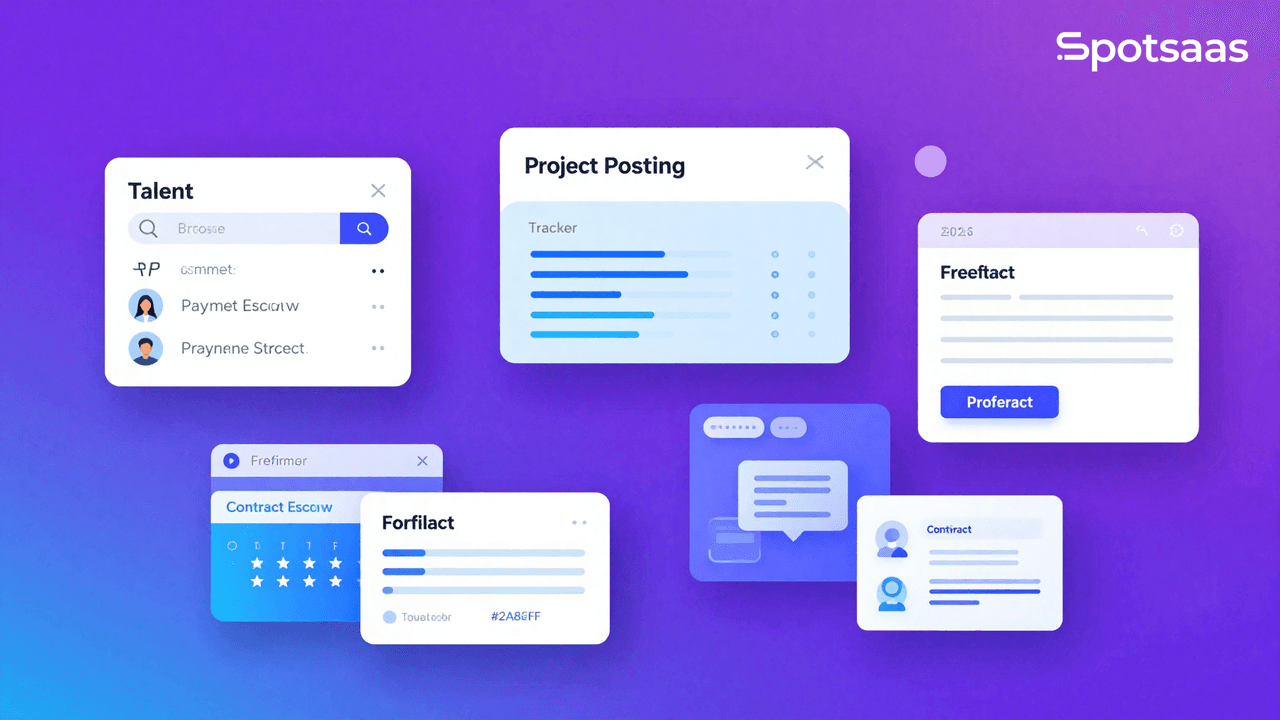
What Are Freelance Platforms and How Do They Work?
Freelance platforms are online marketplaces that connect businesses with independent professionals across various industries. These online marketplaces simplify hiring, project management, and payment processing so companies can easily find suitable freelancers for short-term or long-term projects.
They offer rating and review systems to help businesses confidently hire the best talent. Most platforms provide built-in tools for collaboration, time tracking, and secure transactions. Using freelance platforms helps both parties simplify their work processes and maximize efficiency.
Why Should Businesses Use Freelance Platforms?
Freelance platforms connect businesses with skilled professionals worldwide. They provide flexible hiring without long-term commitments, simplify recruitment, and offer secure payments and tools for collaboration. Freelancers can access diverse job opportunities and reliable sources of income.
Accessing a global talent pool
Freelance platforms allow businesses to connect with skilled professionals worldwide, eliminating geographic limitations. Companies can find specialized experts in various fields. This ensures the best match for their needs. This access to diverse talent helps businesses complete projects efficiently and with high-quality results.
Cost-effective hiring options
Freelancers offer the business an inexpensive option of replacing full-time workers because they receive payment only when work is accomplished. No one incurs expenses on offices, benefits, or permanent employment. It allows businesses to hire workers only as necessary for projects without overheads.
Flexible work arrangements
Freelancers and businesses can choose from work arrangements, including hourly, fixed-price, or per-project contracts. This flexibility allows companies to hire talent based on specific project needs without long-term obligations. Businesses can engage freelancers for short-term tasks or extended collaborations as needed.
Secure payment and dispute resolution support
Most freelance platforms offer escrow payment systems, which hold funds until project milestones are accomplished, thus ensuring fair transactions. Some platforms also provide dispute resolution services to mediate disputes over a particular case. This maintains trust.
Faster recruitment process
Businesses can get, assess, and hire the best freelancers in hours or days instead of a lengthy traditional hiring process. Businesses get filters, ratings, and reviews from a platform while choosing the most suitable candidates. The simplified approach allows companies to scale their teams quickly while ensuring efficient meeting schedules.
Tools for smooth collaboration
Freelance platforms provide tools for messaging, time tracking, project management, and other facilities. This helps facilitate smooth collaboration between freelancers and clients, even in cross-time zones. Some examples of these features include file sharing and even milestone tracking to enhance workflow efficiency.
What Are the Key Features of Freelance Platforms?
These sites provide profile-making, job tendering, and secure escrow payments. Integrated messaging, file sharing, and time tracking are added features that facilitate collaboration. AI-based matching and rating mechanisms help businesses to find the right talent.
Profile creation and portfolio management
Freelancers can create detailed profiles showcasing their skills, certifications, and past work samples. A strong portfolio helps attract potential clients by demonstrating expertise in a specific field. Businesses can review freelancer profiles to assess qualifications before hiring. Many platforms allow freelancers to link external portfolios or highlight notable projects.
Job posting and bidding system
Businesses can post job listings specifying project requirements, budgets, and deadlines. Freelancers submit proposals outlining their experience, pricing, and work approach. Employers can compare bids and select the most suitable candidate for their needs. Some platforms offer AI-powered suggestions to help businesses find the best match. This system ensures a competitive hiring process. This allows freelancers to showcase their value.
Payment protection and escrow services
Payments are held safely in an escrow system and released only when agreed-upon milestones or project completion are reached. Escrow services, therefore, act as a surety for any financial security involved between clients and freelancers. They ensure payments to freelancers on time and give clients quality assurance. Should there be issues with project deliverables, this service offers solutions to disputes. Escrow services ensure security and transparency throughout transactions.
Skill verification and testing
Skill verification and certification can be done through some platforms to help freelancers confirm their skills. ID verification and background checks provide an added advantage to freelancers in trusting each other. Verifications also enable higher rankings on search results and, hence, higher visibility. Businesses filter candidates based on their certifications before hiring freelance workers. It minimizes the risks of getting an unqualified freelancer.
Collaboration and communication tools
Many platforms have integrated messaging, video calls, and file-sharing features to facilitate collaboration. Clients and freelancers can communicate in real-time. This reduces project delays. Built-in task management tools help track project progress and deadlines. Some platforms offer shared workspaces for better project coordination. These tools enhance productivity and minimize miscommunication.
Rating and review system
Both freelancers and clients can provide feedback after completing a project. Reviews and ratings are ways of maintaining transparency and credibility in the platform. High ratings give freelancers a better chance of securing future projects. Businesses can use this feature to identify reliable professionals and avoid possible risks, creating a trustworthy freelance environment.
Dispute resolution support
Platforms provide mediation services regarding payment disputes, changes in project scope, or deadline disputes. Third-party support teams judge both parties’ evidence to devise an unbiased resolution. Misuse claims against freelancers and clients are protected through dispute mechanisms. Automated conflict resolution tools allow easy dispute resolution in most cases, which is balanced and secure for freelancing.
AI-powered matching
Some freelance platforms use artificial intelligence to recommend freelancers based on skills, experience, and project requirements. AI-driven algorithms analyze freelancer profiles and match them with relevant job listings. This feature helps businesses find qualified candidates quickly without manual searches. AI-based suggestions improve efficiency and increase freelancer success rates. Automated matching ensures better job-client compatibility.
What Are the Benefits of Freelance Platforms?
Businesses can hire quickly. This reduces recruitment time and costs. Freelancers gain access to global projects, increasing earning potential. Secure transactions and structured contracts ensure transparency for both parties.
Faster hiring process
Freelance platforms allow businesses to quickly find skilled professionals without lengthy recruitment procedures. Employers can review profiles, send invitations, and onboard freelancers in hours. This efficiency is beneficial for urgent projects and short-term assignments. Job-matching algorithms and filters help simplify the hiring process. Faster hiring enables businesses to remain agile and responsive to market needs.
Increased earning opportunities for freelancers
Freelancers can work with various clients simultaneously, maximizing their earning potential. Freelance platforms can reach out to professionals from anywhere in the world. A skilled professional can charge as much as they wish and scale up or down according to their availability. Most freelance sites offer premium features that enable freelancers to market their services more effectively. The flexibility of freelancing allows income diversification and professional growth.
Diverse job categories for every industry
Freelance platforms are available for various industries, such as IT, marketing, design, writing, finance, and engineering. Businesses can find specialists for technical and creative roles. This variety allows freelancers to explore different job opportunities within their expertise. Industry-specific platforms ensure tailored job listings for niche professionals. The broad scope of freelance work makes these platforms suitable for many career paths.
Remote work convenience
Freelancers can work from anywhere. This provides flexibility and improved work-life balance. Businesses benefit from hiring professionals without location-based restrictions. Many platforms support international contracts. This makes global collaboration easier. This flexibility appeals to both employers and independent professionals.
Secure and transparent transactions
With structured contracts, milestone payments, and escrow services, freelance platforms ensure fair transactions. Freelancers receive timely payments, while businesses are protected from incomplete or subpar work. Transparent rating and review systems help build trust between both parties. Dispute resolution mechanisms provide additional security for financial transactions. These features make freelancing more reliable and risk-free.
What Types of Freelance Platforms Are Available?
General marketplaces like Upwork cover multiple industries, whereas niche platforms focus on particular fields. Gig-based sites like Fiverr offer fixed-price services, and enterprise platforms cater to large businesses. Remote job boards list full-time remote work opportunities.
General freelance marketplaces
These platforms cover multiple industries. This enables businesses to recruit professionals from various fields. They allow posting jobs and competing bids and facilitating payments for easy recruitment. General marketplaces are suitable for businesses requiring various kinds of work from freelancers. These platforms are flexible to companies and freelancers, making them perfect for startups, agencies, and enterprises.
Specialized niche platforms
These platforms concentrate on particular industries, including design, writing, and technology development. They offer highly skilled professionals with expertise in specific fields. This ensures quality results. 99designs specializes in graphic design, Toptal connects companies with top-tier tech talent, and ProBlogger is dedicated to freelance writers. Businesses looking for specialized services benefit from curated freelancer pools. These platforms help employers find industry experts quickly.
Gig-based freelance platforms
Gig platforms are focused on micro tasks and small projects where freelancers list predefined services at fixed rates. These platforms are best for quick tasks like graphic design, writing, or video editing. Fiverr and PeoplePerHour allow freelancers to offer services at different pricing tiers. Businesses can purchase ready-made services without complex hiring processes. This model is ideal for cost-effective and fast project execution.
Enterprise-level freelance platforms
These platforms cater to large organizations looking for top-tier professionals and long-term projects. They offer exclusive access to highly vetted consulting, software development, and business strategy experts. Toptal, Catalant, and Gigster provide high-quality freelancers for complex enterprise needs. These platforms focus on quality over quantity. This ensures businesses work with the best talent. Enterprise-level hiring is ideal for large-scale and strategic projects.
Remote work and job boards
Unlike other freelance websites, these websites focus on full-time or contract-based remote jobs. They help professionals find long-term work-from-home opportunities with companies around the world. We Work Remotely, FlexJobs, and similar sites specialize in listing remote job opportunities across different industries. Businesses use these platforms to hire remote employees rather than temporary freelancers. These job boards cater to professionals seeking stable, location-independent work.
How Do You Choose the Best Freelance Platform?
Freelance platforms provide businesses and independent professionals with a structured marketplace for hiring, project management, and secure payments. The right platform depends on project needs, industry focus, and collaboration features.
What should your freelance platform goals be?
Access to a skilled talent pool
Freelance platforms connect businesses with professionals across various industries, including design, writing, software development, and marketing.
These platforms offer access to verified talent pools. This makes it easier for businesses to find qualified professionals who match their project requirements. A well-structured freelancer vetting process ensures high-quality output and professional reliability.
Secure payment processing
These platforms offer escrow and milestone-based payments. This ensures financial security for both freelancers and clients. Payment protection mechanisms build trust and prevent disputes, while automatic invoicing and integrated payment systems simplify transactions.
Businesses can pay freelancers via multiple methods, such as credit cards, bank transfers, and online wallets. This makes global hiring smooth.
Project management and collaboration
Many platforms offer smooth communication, file sharing, and task-tracking tools. Integrated messaging, time tracking, and workflow automation improve efficiency for remote collaborations.
Businesses can assign tasks, set deadlines, and review work through centralized dashboards. This ensures projects remain on track. Some platforms offer AI-powered collaboration tools that suggest optimal timelines and resources for efficient execution.
Cost-effective hiring
Freelance platforms provide flexibility in budget allocation. Businesses can find professionals for one-time projects, hourly tasks, or long-term collaborations without the overhead costs of full-time hires.
By using freelance marketplaces, companies can optimize expenses by hiring specialized talent only when needed. Some platforms even provide cost calculators to estimate project expenses before hiring.
Scalability and flexibility
Companies can scale their workforce based on project needs. Whether hiring for short-term gigs or ongoing contracts, freelance platforms provide the flexibility to adjust work volume efficiently.
As business demands fluctuate, companies can onboard or offboard freelancers quickly without lengthy HR procedures. This scalability is ideal for startups, agencies, and enterprises managing dynamic workloads.
What freelance platform models are available?
General freelance marketplaces
These platforms, such as Upwork and Fiverr, cater to multiple industries and skill levels. This offers businesses a vast talent pool for various tasks and projects.
Competitive bidding and reviews
They provide a competitive marketplace where freelancers bid on jobs, allowing businesses to find the best fit based on experience, pricing, and reviews.
Industry-specific platforms
Some freelance platforms focus on specific industries, such as Toptal for tech professionals or 99designs for designers.
Specialized talent with screening
These platforms ensure higher-quality talent within niche sectors by implementing stringent screening processes and industry-specific skill assessments. This benefits businesses seeking specialized expertise in AI development, legal consulting, or digital marketing.
Gig-based platforms
Platforms like Fiverr enable freelancers to showcase their expertise by offering clearly defined services at fixed prices. This makes it incredibly convenient for businesses to obtain ready-made solutions tailored to their needs. This ensures project efficiency and quality.
Ideal for quick, small projects
These platforms suit businesses seeking fast turnaround projects such as logo design, content writing, and website fixes.
Hybrid platforms
Some platforms offer both freelance bidding and direct hiring options. Depending on their hiring preferences, these platforms allow businesses to post jobs or browse freelancer profiles.
Flexible hiring methods
Hybrid models allow companies to hire based on project scope, duration, and budget.
What data requirements should you consider?
CRM and HR systems
Integration with HR and CRM tools allows businesses to track freelance contracts, manage payments, and store collaboration history.
Long-term tracking and reporting
Companies can track freelancer contributions, performance ratings, and contract renewals. This ensures long-term efficiency.
Payment gateways
Freelance platforms should support multiple payment methods, including credit cards, PayPal, and bank transfers. This ensures global accessibility.
Financial safety and convenience
Secure payment encryption and fraud detection tools are critical for avoiding financial risks.
Analytics and reporting
Built-in analytics provide insights into hiring trends, freelancer performance, and budget tracking. Businesses can optimize freelancer selection and improve cost efficiency.
Smarter decision-making
Companies can determine which freelancers deliver the best ROI and improve future hiring decisions by analyzing productivity metrics.
Legal and compliance support
Compliance with local tax laws, freelancer classification rules, and intellectual property protections ensures legal safety when working with global freelancers.
Ready-to-use legal templates
Some platforms also provide contract templates and non-disclosure agreements (NDAs) to simplify legal compliance.
What features should a reliable freelance platform offer?
Core Features
Profile and portfolio review
Freelancers should have detailed profiles showcasing their skills, experience, ratings, and past projects to help businesses make informed hiring decisions.
Secure contracts and payments
Milestone-based payment systems and escrow services provide security for clients and freelancers. This ensures fair compensation for completed work.
Built-in communication tools
Platforms with chat, video conferencing, and document-sharing capabilities help teams stay connected and maintain transparent project workflows.
Job posting and bidding
Businesses should be able to post jobs, set budgets, and receive competitive bids from freelancers with relevant skills.
Dispute resolution and support
A strong support system with mediation services ensures that conflicts between freelancers and clients can be resolved fairly and efficiently.
Advanced Features
AI-powered talent matching
Some platforms use AI to recommend the best freelancers based on project requirements. This saves time in the hiring process.
Multi-currency support
Global payment options with currency conversion capabilities enable smooth transactions for international freelancers.
Time and activity tracking
Freelancers working on hourly contracts can log hours and activities. This ensures transparency in work completion and payments.
Multi-user accounts
Businesses with multiple hiring managers can benefit from platforms that allow different team members to collaborate on freelancer selection and project tracking.
What reporting and insights matter?
Granular Reporting
Hiring performance metrics
Businesses can track freelancer success rates, completed projects, and contract completion times to refine hiring strategies.
Cost analysis
Analytics on spending trends, cost per project, and freelancer efficiency help businesses budget effectively.
Visualization Tools
Dashboard analytics
Platforms with interactive dashboards help users view active contracts, pending payments, and freelancer ratings at a glance.
Exportable reports
Financial and performance reports should be exportable in formats like PDF or CSV for easy review by accounting and HR teams.
How do freelance platform pricing models work?
Service fees
Most freelance platforms charge a percentage-based service fee on payments made to freelancers. Understanding these fees helps businesses plan budgets effectively.
Subscription plans
Some platforms offer premium subscriptions with additional hiring features, such as priority freelancer matching and lower service fees.
Pay-per-hire fees
Platforms with one-time hiring fees allow businesses to pay only when they successfully hire a freelancer. This is ideal for companies with occasional hiring needs.
Can the platform scale with your business?
Volume hiring capabilities
Platforms should accommodate bulk hiring options for businesses managing multiple freelancers across projects.
Long-term contract support
Platforms should provide flexible contract terms, automated payments, and performance tracking for ongoing freelance engagements.
Multi-department access
Larger organizations benefit from platforms allowing multiple departments to manage their freelance hiring independently.
What support and training should you expect?
Customer Support
Round-the-clock customer service ensures that hiring issues and disputes are resolved promptly.
Training Resources
Step-by-step guides and video tutorials help businesses and freelancers navigate platform features and optimize their profiles.
What are the top freelance platforms to consider?
Below is a comparison table of top freelance platforms according to pricing, key features, and ideal use cases. Upwork and Freelancer offer a bidding system; Fiverr focuses on fixed gigs, and Toptal has high-end professionals. FlexJobs specializes in long-term remote job listings.
| Platform | Pricing for Clients | Key Features | Users |
|---|---|---|---|
| Upwork | 3-5% service fee |
|
Small to large businesses, agencies |
| Fiverr | No posting fee, 5% per transaction |
|
Entrepreneurs, small businesses |
| Toptal | Custom pricing |
|
Tech companies, enterprises |
| Freelancer | Free to post, 3-10% fee |
|
Startups, SMEs |
| PeoplePerHour | 20% freelancer fee (reduces with earnings) |
|
Local and global businesses |
| 99designs | Project-based pricing |
|
Marketing teams, startups |
| We Work Remotely | $299 per job posting |
|
Companies seeking remote employees |
Final Verdict on Choosing a Freelance Platform
Freelance platforms have changed how businesses and independent professionals connect, making finding talent easier, managing projects, and completing work efficiently. Whether hiring for short-term projects or seeking long-term collaboration, choosing the right platform depends on budget, industry needs, and required features.
With secure payments, verified professionals, and scalable options, freelance platforms are a powerful tool for businesses and freelancers worldwide. They offer businesses an affordable way to scale operations without the overhead of full-time employees.
Freelancers, in turn, benefit from increased job flexibility, global exposure, and opportunities to build a strong professional reputation. As remote work grows, these platforms will continue to shape the future of work and digital collaboration.
Compare alternatives to the tools in this post

- Independent picks for exactly what you just read about
- Matched to your team size & needs
- Vendors don't pay for placement
Step 1 of 4
How big is your team?
We tailor recommendations to companies your size.















Related Articles
Buyers guide
Best MFA Software in 2026: 12 Multi-Factor Authentication Tools Compared
Continue reading →
Buyers guide
Best SSO Software in 2026: 12 Single Sign-On Providers Compared
Continue reading →
Buyers guide
Twilio Alternatives 2026: 6 Compared and What They Cost
Continue reading →
Buyers guide
How To Choose The Best Workforce Management Software For 2026
Continue reading →