
What Is Analytics Platforms Software?
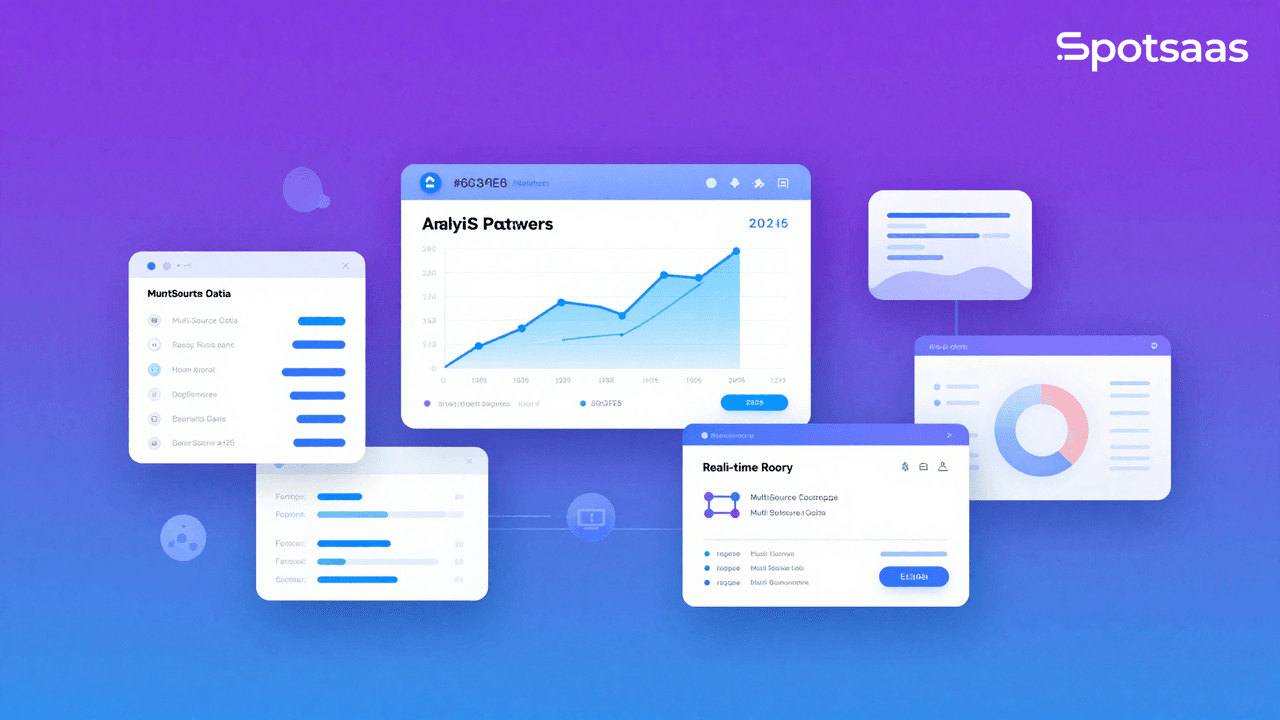
Analytics platforms software is a set of technologies that help businesses collect, analyze, and visualize information, making data-informed decisions possible instead of decisions based on gut feeling alone. These platforms pull data from various sources and provide insight via dashboards, reports, and predictive analytics. By offering advanced analytics, machine learning, and artificial intelligence, these solutions allow organizations to search for hidden patterns and optimize their strategies for maximum efficiency. They support real-time data processing, letting businesses fast-track their responses to market trends and operational challenges as they come up.
Why Should Businesses Use Analytics Platforms Software?
Analytics platforms software enables businesses to put data to work for strategic decision-making across departments. These platforms provide real-time insights, predictive analytics, and automation to optimize operations and improve efficiency.
Data-Driven Decision-Making
Any analytics platform provides valuable insight into raw data, which informs businesses’ decisions rather than leaving them to guesswork. By identifying trends and patterns, companies can optimize strategies, improve operations, and enhance customer experience. Data-informed choices reduce organizational risk and foster sustainable growth over the long term.
Real-Time Data Monitoring
These platforms monitor key performance indicators (KPIs) and business metrics instantly, letting teams adapt quickly to market dynamics rather than reacting days or weeks after the fact. Live dashboards give teams real-time updates so they can track progress, detect anomalies, and optimize performance as conditions shift.
Predictive Analytics and AI Integration
Machine learning and artificial intelligence working together make it possible to predict future trends by analyzing historical data instead of relying on static, backward-looking reports. These predictions let businesses anticipate customer behavior, market demand, and operational risks, keeping organizations a step ahead of their competitors.
Automated Reporting and Data Visualization
These tools turn complicated data into interactive reports, dashboards, and charts that are easy to read and act on, rather than leaving stakeholders to interpret raw spreadsheets. Automated reporting reduces errors and speeds up the report-generation process by removing manual work. These visual tools support faster decision-making and better communication across teams.
Integration with Multiple Data Sources
Analytics platforms link with various sources of integration, like CRMs, ERPs, marketing tools, and cloud databases, to centralize business data in a single location without much extra effort. This integration removes data silos, supports collaboration, and gives a single view of all operations. Businesses can analyze data across sources and draw sharper insights as a result.
Better Business Efficiency
These platforms automate the entire process, from gathering data to analysis and reporting, streamlining business processes and improving productivity across the board. Spotting inefficiencies and streamlining processes lowers operational costs. In turn, improved efficiency frees the team to focus on innovation and strategic initiatives instead of routine, repetitive work.
Scalability for Growing Businesses
Built to handle very large amounts of data, analytics platforms scale alongside business growth without requiring a full replacement down the line. Startups and enterprises alike can rely on these tools to support their climbing data needs. Scalable solutions support a business’s long-term growth by giving it the flexibility to adapt to changing requirements.
What Are the Key Features of Analytics Platforms Software?
Analytics platforms software covers data collection, integration, and advanced analytics for diverse, in-depth insights across every part of the business. Customizable dashboards and automated reporting bring clarity to complex data visualization. Artificial intelligence and machine learning sharpen predictive ranges and help forecast trends for businesses of any size.
Data Collection and Integration
The collecting and integrating capabilities that different analytics platforms have consolidate multi-source data, including databases, APIs, spreadsheets, and cloud applications. This lets businesses bring different departments’ information together into one system. Automating the collection of information cuts down on errors and improves accuracy. By integrating multiple data sources, an analytics platform gives a full view of business operations, and companies use this capability to keep their data consistent and reliable.
Customizable Dashboards and Reports
This kind of platform brings interactive dashboards along with business-specific customized reports. These representations let a user visualize critical performance indicator (KPI) metrics. Real-time data updates allow rapid observation of trending business numbers. Custom reports let organizations focus on what’s really relevant to them, and drill-down features plus filters help analyze data at various levels. A tool like this improves decision-making and makes complex data easier to understand.
Advanced Query and Data Processing
These platforms allow deep data analysis with the support of SQL queries, data blending, and complex analytics modeling. Large datasets can be processed quickly, surfacing valuable insights. Advanced query capabilities let users efficiently merge, filter, and transform data. The ability to run real-time and historical analysis helps identify trends and anomalies, and organizations can automate workflows with sophisticated calculations that add value to the business.
AI-Driven Insights and Machine Learning
Using artificial intelligence, these platforms monitor data patterns and produce predictive insights. They employ machine learning methods to detect outliers, segment customers, and suggest possible actions. AI-controlled automation reduces manual effort and speeds up decision-making compared to manual work. This helps companies sharpen their marketing, customer relations, and even risk assessments. The continuous-learning model improves its accuracy over time based on new sales data, which keeps companies proactive about market challenges and trends.
Predictive and Prescriptive Analytics
Predictive analytics forecasts future trends based on historical data, optimizing resource allocation, demand forecasting, and risk management for organizations. Prescriptive analytics takes it a step further by advising optimal courses of action. Together, these tools help organizations run more efficiently in resource allocation, demand forecasting, and risk management, with AI-managed recommendations that inform pricing, inventory control, or marketing strategy.
User Access Control and Data Security
Strict permissions keep sensitive data visible only to authorized people. Data protection and security breaches are addressed through encryption and compliance features. Multi-factor authentication and audit logs trace users’ activities. These security measures align with industry regulations to comply with GDPR and HIPAA. Businesses can manage and share data as needed without risking confidentiality, and strong security protocols build trust with customers and stakeholders.
Collaboration and Sharing Tools
Analytics platforms let teams share reports, dashboards, and insights with each other in real time. Users can annotate and add comments on specific reports to cooperate during data analysis. Cloud-enabled sharing means people working from different regions can access and update insights without changing systems. Automated reporting schedules keep stakeholders updated, and role-based sharing controls support teamwork while maintaining data privacy.
Cloud and On-Premise Deployment Options
Depending on business needs, an organization can choose between cloud-based and on-premise deployment. Cloud solutions offer scalability, remote access, and lower maintenance costs. On-premise deployments give more control over data security and compliance. A hybrid approach lets organizations keep both flexibility and security. With these options, businesses can tailor the solution to their infrastructure and grow their analytics capability as they grow.
What Are the Benefits of Analytics Platforms Software?
The benefits of analytics platform software include faster, better decision-making and more accurate insight drawn from real-time data instead of stale, outdated reports. Businesses can better understand their customers, automate processes, and streamline work, which saves money and frees up staff time.
Faster and More Accurate Decision Making
Analytics platforms process data in real time, letting businesses make snap decisions instead of waiting on a weekly or monthly report cycle. Insight-driven AI minimizes human errors and improves precision. Automated reporting means all stakeholders continuously get accurate, timely information. Turning complexity into clear, actionable data through visualization is vital for reacting quickly to market trends or internal performance indicators. Speedier decision-making adds up to a more efficient, more competitive company overall.
Better Customer Insights
Analytics tools track customer behavioral patterns, preferences, and purchasing patterns. This wide net of data gives companies the chance to personalize marketing campaigns and build experiences around them. AI-driven segmentation targets the most relevant audience with tailored messaging. Customer journey analysis surfaces pain points and areas for improvement. Real-time feedback collection allows instant adjustment of products or services. Together, these insights open doors for companies to build deeper relationships with customers and drive loyalty.
Fine-Tuned Business Performance
Organizations can monitor workflow and spot inefficiency in operations with business process analytics, catching problems before they compound. Performance tracking shows where things stand against key goals and objectives. Once tedious, repetitive functions are automated, more of the workforce and resources are freed up for strategic tasks. Insights drawn from the data support smarter decision-making and process improvement across the board.
Cost Reduction Through Optimizing Data
Analytics platforms find cost savings in operations by spotting and quickly identifying counterproductive activities that would otherwise go unnoticed. Automating data processing lessens the need for manual work and cuts down on mistakes. Inventory optimization gained through econometric analysis minimizes waste and excess costs. Streamlined reporting trims the downtime that manual report generation used to cost. The result is a business that saves time, allocates resources more effectively, and improves profit margins over time.
Better Competitive Edge
Data-based insights help organizations stay ahead by identifying and acting on emerging trends and new market opportunities before competitors notice them. Competitive analysis features show how a business performs compared to others and help fine-tune strategy. Predictive analytics helps foretell shifts in the market and prepares companies to act before the change happens. Personalized customer treatment builds brand loyalty and retention. AI-powered automation speeds up processes, reducing the time-to-market for products. Put together, effective analytics give businesses the strength to hold a firm market position over the long run.
Improved Compliance and Data Governance
Analytical platforms can help ensure compliance with industry regulations, protecting and securing data to meet specific integrity standards that regulators and customers both expect. Built-in governance features capture how data is used, who accesses it, and validate security protocols. Encryption and secured storage prevent loss and unauthorized access. Audit trails maintain transparency around user actions and data changes. Compliance features help a business operate within frameworks defined by GDPR, HIPAA, and other regulatory requirements. Stronger governance minimizes risk and builds trust in the overall accuracy of the data across the organization.
What Are the Types of Analytics Platforms Software?
Different kinds of analytics platforms software meet different business needs, and picking the wrong category can mean paying for capabilities you don’t actually use. These include Business Intelligence (BI), Big Data Analytics, and AI-driven Predictive Analytics. BI centers on visualization and report generation, while big data platforms handle processing large amounts of data. AI-based applications add prediction and support better strategic planning.
Business Intelligence (BI) Software
BI covers enterprise-wide reporting, visualization, and analysis, turning unstructured raw data into actionable insights through dashboards and reports that non-technical staff can actually read. These tools make decision-making easier with historical, real-time, and predictive analysis. Self-service analytics lets people analyze data without needing technical knowledge. BI platforms can also pull in data from multiple sources for a full view of the organization’s performance. Tableau, Microsoft Power BI, and Qlik Sense are popular BI tools.
Big-Data Analytics Platforms
These platforms process large amounts of data, largely through distributed computing, analyzing large datasets that include both structured and unstructured data in a thorough way most single-server tools can’t match. High-level machine learning and AI capabilities extract functional patterns out of big data. These applications focus on real-time processing, fraud detection, and customer sentiment analysis. A scalable architecture keeps performance high even as data volumes grow. Apache Hadoop, Google BigQuery, and Cloudera are examples in this category.
Marketing and Consumer Analysis Software
Marketing analytics focuses on consumer activity, sales, and marketing outcome metrics, tracking the consumer’s experience across each channel from first click to purchase. AI makes analytics more efficient at targeting consumers with ads and optimizing marketing spend. Real-time tracking lets company interactions be adjusted quickly based on changing consumer trends. Integration with CRM and social networks deepens personalization and retention. Google Analytics, Adobe Analytics, and HubSpot Analytics are top tools in this category.
Finance and Operations Analytical Software
These tools focus mainly on optimizing financial planning, budgeting, and operational performance, analyzing income streams, cost structures, and profitability metrics down to the department level. Automated forecasts support risk management and long-term financial planning. Improved operational analytics helps identify bottlenecks and inefficiencies in real time and streamline operations, while compliance tracking supports accountability. IBM Cognos, Oracle Analytics Cloud, and SAP Analytics Cloud are commonly used tools in this space.
AI-Powered Predictive Analytics Software
Predictive analytics uses machine learning models to forecast future trends and outcomes well before they show up in a standard report. These tools help businesses maximize their demand and risk analysis for predicting future customer churn. AI-driven insights guide data-based actions to increase the effectiveness of the business strategy. Automated anomaly detection identifies operational risks and fraud, and continuous learning from new data enhances the platforms’ accuracy over time.
How Do You Choose the Best Analytics Platform Software?
Choosing the right analytics platform software is critical for businesses that want to use data to drive insights and make data-driven decisions instead of relying on instinct alone.
The right software should let enterprises collect, analyze, and visualize data from various sources, offering real-time analytics, custom reports, and predictive insights, all in a format the whole team can actually use.
What Goals Should You Define Before Choosing an Analytics Platform?
Before selecting analytics platform software, it’s essential to define your business goals.
Setting clear objectives guides your entire software selection process, whether you’re focused on improving operational efficiency, tracking sales performance, or enhancing customer experience.
Collect and analyze data from multiple sources
The software should integrate with various data sources, such as marketing platforms, CRMs, and financial systems, to give a full view of your business performance. It should allow seamless data collection and transformation for deeper insights.
Visualize and interpret data easily
The software should include data visualization tools, such as dashboards and interactive charts, to simplify complex data interpretation and share insights with stakeholders. Visualization helps teams make quick, informed decisions.
Enable predictive analytics and reporting
Analytics platforms should offer predictive analytics features, using historical data to forecast trends and outcomes. This lets businesses anticipate changes, mitigate risks, and make proactive decisions.
Provide real-time insights for fast action
The platform should offer real-time data analysis and reporting, giving immediate feedback on key metrics and helping you monitor performance continuously. Real-time insights help you respond quickly to emerging trends and changes.
What Analytics Platform Models Are Available?
Understanding the different models of analytics platforms software is key to choosing the right solution for your needs, since each model trades off differently on cost and control. Depending on your business’s size, complexity, and data requirements, you might opt for a cloud-based, on-premise, or hybrid solution.
Cloud-based tools for flexibility
Cloud-based analytics platforms offer flexibility, scalability, and ease of access from anywhere. They’re a good fit for businesses with a distributed workforce or those who need to access data on the go.
On-premise solutions for security
For businesses with strict data security requirements, on-premise platforms give greater control over data storage and processing. These platforms require a dedicated IT team to maintain and support the system.
Self-service tools for business users
Self-service analytics platforms let business users create reports and dashboards without technical expertise. These platforms empower teams to explore data independently and make informed decisions quickly.
Embedded platforms for seamless access
Embedded analytics platforms integrate data analysis and reporting capabilities directly into business applications, making data insights available as part of everyday business operations.
What Data Capabilities Should Your Analytics Software Include?
Analytics platforms software needs to handle a wide variety of data from multiple sources. It should be able to clean, integrate, and process large amounts of data from different systems and formats.
CRM and ERP integration
The platform should integrate with CRM and ERP systems to pull data from customer interactions, sales records, and inventory management. This integration provides a unified view of your business operations.
Marketing and sales tools connectivity
Integrating with marketing platforms (like Google Analytics or social media analytics) and sales tools helps businesses track customer behavior, sales performance, and marketing campaign effectiveness in one place.
Data warehouse and big data support
Analytics software should integrate with data warehouses and big data platforms to process large volumes of data efficiently. This matters most for businesses dealing with massive datasets that need real-time analysis.
IoT and operations data connection
For companies using Internet of Things (IoT) devices, the software should be able to collect and analyze data from these devices to monitor operations and surface actionable insights.
What Key Features Should You Look for in Analytics Software?
The best analytics platform software should provide solid features to enable data analysis, visualization, reporting, and decision-making across your organization.
Core Features
Advanced data visualization tools
The software should offer various visualization options, including charts, graphs, and interactive dashboards, to help turn raw data into actionable insights.
Real-time reporting and dashboards
Real-time dashboards let you monitor critical metrics and track business performance at any moment. Customizable reports give you control over the data you want to analyze and present.
Predictive analytics and forecasting
The software should use machine learning and AI algorithms to provide predictive analytics that forecasts trends and outcomes, helping businesses make informed strategic decisions.
Data filtering and segmentation
The software should let you filter and segment data by specific criteria (region, product, or customer demographics, for example) to get more granular insights and make targeted decisions.
Advanced Features
Machine learning and AI capabilities
Advanced platforms use machine learning and AI to identify patterns and correlations within your data. These tools support deeper insights, process automation, and strategy optimization.
Data governance and security tools
With strong data governance features, the software ensures compliance with data protection regulations. It helps safeguard sensitive business information while maintaining data privacy and security.
Collaboration and sharing features
The platform should support collaboration by letting users share reports, dashboards, and insights with team members or stakeholders for informed decision-making.
Custom alerts and notifications
Customizable alerts notify users when specific metrics or conditions are met, such as when sales reach a threshold or an anomaly is detected, so teams can respond quickly.
How Can Reporting Tools Help Improve Performance?
Effective reporting and analytics tools help businesses gain insight into their operations, optimize performance, and improve decision-making processes.
Granular Reporting
Sales, revenue, and performance reports
The software must let you generate reports on key performance metrics, such as revenue, sales, and customer satisfaction, so you can assess business performance and identify areas for improvement.
Customer insights and behavior analytics
The platform should offer deep insight into customer behavior, such as buying patterns, engagement levels, and retention rates, helping businesses optimize marketing efforts and customer experience.
Visualization Tools
Custom dashboards
Custom dashboards give a clear, at-a-glance view of critical business metrics, letting you monitor the health of your business and make quick decisions.
Exportable reports
Exporting reports in various formats, such as CSV, PDF, or Excel, makes it easy to share insights with stakeholders or use the data for further analysis.
How Should You Evaluate Analytics Platform Pricing?
When evaluating analytics platforms, weigh the software’s pricing model, scalability, and feature set. Choose a solution that aligns with your budget and provides value for your business.
Subscription-based pricing
Most analytics platforms run on a subscription-based pricing model, charging monthly or annually based on the number of users, features, or data volume. This gives businesses the flexibility to scale their usage.
Pay-per-use pricing
In this model, businesses are charged based on the volume of data analyzed or the number of reports generated. This suits companies with fluctuating data analysis needs.
Custom pricing plans
Custom pricing plans are available for larger organizations or businesses with specific data requirements. These plans may include tailored features, additional support, and enterprise-level functionality.
Why Is Scalability Important in Analytics Platforms?
As your business grows, so will your data analysis needs. The software should be scalable to handle more data, users, and complex analytics without compromising performance.
High-volume data handling
The platform should be able to handle large volumes of data from various sources, ensuring smooth performance even as your business scales.
Multi-user and multi-team support
Scalable software should support multiple users and teams, allowing for collaborative analysis and shared dashboards without performance issues.
Customizable features for growth
Look for software that offers customizable features and integrations, so you can adapt to changing business needs as your company grows.
How Important Is Support and Training?
Strong customer support and comprehensive training resources are vital for smooth onboarding and effective use of the software across your team.
Always-available technical support
Make sure the software provider offers 24/7 technical support to resolve issues quickly, minimizing downtime and keeping operations running continuously.
Easy learning and onboarding
Make sure the software includes detailed onboarding resources, video tutorials, and FAQs, so your team can get up to speed quickly and get the most out of the platform’s capabilities.
What Are the Best Analytics Platforms to Compare?
The Top Analytics Platforms Software Comparison Table below features leading analytical solutions side by side. It compares critical features, pricing, scalability, integration capabilities, and ease of use across platforms, making it easier to identify which one would meet your business’s needs. A well-structured comparison like this puts the tradeoffs in front of you at a glance, rather than making you dig through separate pricing pages.
| Software | Pricing | Key Features | Best For | Customers |
|---|---|---|---|---|
| Tableau | Starting at $70/user/month | Advanced data visualization, real-time analytics | Business intelligence | Enterprises, data analysts |
| Microsoft Power BI | Free to premium | Interactive dashboards, AI-powered insights | Small to large businesses | Corporate teams, data analysts |
| Google Analytics | Free to enterprise | Website and marketing analytics, customer tracking | Digital marketing teams | E-commerce, online businesses |
| Adobe Analytics | Custom Pricing | AI-driven customer insights, real-time segmentation | Marketing and customer analytics | Large brands, enterprises |
| IBM Cognos | Custom Pricing | AI-powered BI, predictive analytics | Financial and operational analytics | Enterprises, finance teams |
| Oracle Analytics Cloud | Custom Pricing | Cloud-based analytics, self-service data discovery | Enterprise data management | Global corporations, IT teams |
| SAS Analytics | Custom Pricing | Advanced predictive analytics, AI modeling | Data science and AI research | Financial, healthcare, insurance |
| DataRobot | Custom Pricing | Automated machine learning, AI-driven predictions | AI-powered analytics | Large enterprises, AI teams |
Final Thoughts On Choosing Analytics Platforms Software
Analytics platform software is best for companies that want to make data-driven decisions, forecast trends, and grow through performance optimization rather than trial and error.
Whether the focus is business intelligence, customer analytics, or big data processing, analytics platforms provide the data collection, analysis, and visualization tools that make that possible for teams of any size.
The right software comes down to three dimensions: integration capabilities, analytics features, and scalability, and getting all three right matters more than chasing the flashiest dashboard. For organizations, tapping into these analytics platforms improves operational efficiency, customer engagement, and competitive advantage in the industry.

- Independent picks for exactly what you just read about
- Matched to your team size & needs
- Vendors don't pay for placement
Step 1 of 4
How big is your team?
We tailor recommendations to companies your size.















Related Articles
Buyers guide
Twilio Alternatives 2026: 6 Compared and What They Cost
Continue reading →
Buyers guide
How To Choose The Best Auto Dialer Software For 2026
Continue reading →
Buyers guide
How To Choose The Best Freelance Platforms For 2026
Continue reading →
Buyers guide
How To Choose The Best Audience Response Software For 2026
Continue reading →