

Traditional sales and marketing tactics don’t always deliver the growth they promise. Product-led growth (PLG) takes a different approach: instead of relying on outbound selling to win and keep customers, the product itself does the work of convincing people it’s genuinely worth paying for.
For a lot of software companies, that shift matters because buyers increasingly want to try a product before anyone pitches them on it. Rather than sitting through a sales call to learn what a tool does, they’d rather sign up, poke around, and decide for themselves. PLG businesses build for that behavior instead of fighting it.
PLG is a business model that prioritizes the product itself as the primary driver of customer acquisition, retention, and expansion.
This article covers 10 PLG principles that can help you build a product that sells itself and drives sustainable growth for your business.
What Is Product-Led Growth (PLG)
Product-led growth (PLG) is a business strategy that puts the product itself at the center of customer acquisition, retention, and expansion. Instead of a sales team leading the relationship from the first conversation, the product does that job, and sales gets involved later, if at all, once a user is already convinced.
In other words, PLG businesses focus on building a product that’s valuable and simple enough to spread through word of mouth and attract new users, rather than relying on conventional sales and marketing to recruit and retain customers.
The PLG model usually starts with a free or inexpensive version of the product with limited functionality, then invites users to upgrade to a paid version with more features and benefits.
The goal for PLG businesses is to build strong customer loyalty and long-term growth by getting a high-quality product in front of people early.
What Are Product-Led Growth (PLG) Principles
PLG principles are a set of guidelines businesses can follow to build a product-centric growth strategy that puts customer needs first and supports sustainable growth. They apply across company stages, from an early-stage startup validating its first product to a larger company trying to reduce how much it relies on sales-led acquisition. The principles below aren’t a strict checklist to follow in order; most PLG companies apply several of them at once and revisit each one as the product and user base mature.
At the core of PLG is building a product that solves a real problem and delivers value to customers upfront. That means identifying a problem your target customers face and building something that solves it better than the alternatives already out there, whether those alternatives are other software products, a spreadsheet, or just doing the work manually.
PLG businesses also prioritize user experience, building products that are intuitive, easy to use, and deliver a smooth experience from the first session. When a product can explain itself without a sales rep in the room, the whole company benefits: support tickets drop, onboarding gets cheaper, and word of mouth starts doing part of the marketing team’s job instead of every new user coming from a paid campaign.
10 Product-Led Growth (PLG) Principles
Develop a product or service that solves real problems for customers
To apply this principle, identify a pain point or challenge your target customers face, then build a solution that addresses it directly. This is the foundation everything else in PLG sits on: if the product doesn’t solve a real problem, no amount of onboarding polish or referral incentives will make up for it. Teams sometimes skip this step and jump straight to growth tactics, only to find that a slicker signup flow can’t fix a product nobody actually needed.
Here are the steps to build a product that solves a real problem using PLG:
- Identify the customer problem: Research the challenges your target customers face in their daily lives, through surveys, user interviews, or customer feedback. For example, suppose you run a healthcare startup and find that patients struggle to keep track of their medications, leading to missed doses and ineffective treatment.
- Define the value proposition: Once you’ve identified the customer problem, define your value proposition: how your product solves it. In our example, that could be a medication management app that reminds patients when to take their medications and tracks their progress.
- Build a minimum viable product (MVP): Develop an MVP that covers the core functionality of your solution. It should be simple and easy to use, with features that align with the value proposition. For the medication app, that could mean setting reminders, tracking medications, and sending notifications to caregivers. You can also hire an MVP development company to build it faster and more professionally.
- Measure product success: Track key performance indicators (KPIs) such as user engagement, retention, and conversion rates. Use that data to iterate on the product and improve its features based on user feedback.
- Scale the product: As your product gains traction and positive feedback, scale its features and functionality to reach a broader customer base. Word-of-mouth marketing and customer referrals can help drive that growth.
Example: Dropbox found that customers struggled to transfer large files across devices, leading to lost data and time-consuming workarounds. Their value proposition was a cloud-based file storage system that let users sync files across devices, collaborate with team members, and access files from anywhere.
Dropbox’s MVP was a simple drag-and-drop interface for uploading and sharing files, and its success was measured by user engagement and referral rates. As Dropbox scaled, it added features like file recovery, collaboration tools, and integrations with other apps to reach a broader customer base. Its focus on solving a real problem with a smooth product experience made it one of the most successful PLG companies.
Focus on user experience
Focusing on user experience means prioritizing an enjoyable, frictionless product experience that drives engagement, retention, and ultimately growth. PLG companies design products that are intuitive, easy to use, and built around the needs and preferences of their target users. Every extra click, confusing menu, or unclear label is a small tax on that experience, and in a self-serve product, there’s no salesperson standing by to smooth it over.
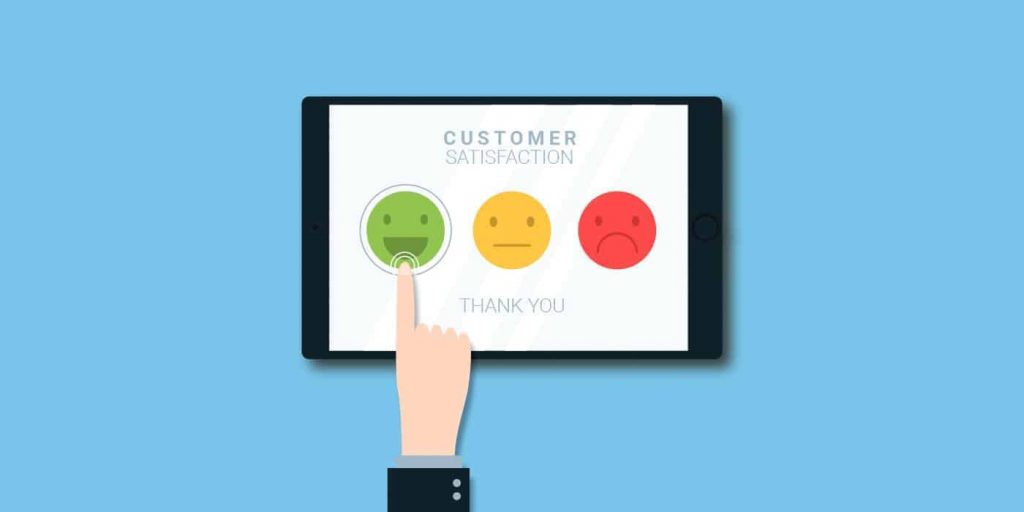
Here are the steps to focus on user experience as a PLG principle:
- Conduct user research: Understand the needs and preferences of your target users through surveys, interviews, or feedback analysis. The goal is to learn which features and functionality matter most to them.
- Define user personas: Based on that research, build personas representing different segments of your audience. Personas help you understand your users’ goals, motivations, and pain points, which shapes your product design.
- Design user-centered products: Build products that are intuitive and align with your personas’ needs. This involves creating user flows, wireframes, and prototypes based on feedback, then testing the product with real users to confirm it meets their needs.
- Measure user experience: Track KPIs such as engagement, retention, and satisfaction rates, and use that data to iterate and improve features based on feedback.
- Continuously improve user experience: Keep gathering feedback and insights and folding them back into the product design. This creates a cycle of ongoing improvement that keeps the product experience driving growth.
Example: Canva is a graphic design platform that lets users create professional-looking designs with ease, even with no prior design experience. Canva focuses on user experience through a simple, intuitive interface that makes it easy to create designs quickly.
Canva’s product design incorporates user feedback, such as the ability to save templates and collaborate with team members, keeping the product aligned with what its users actually need. Canva also tracks metrics like engagement and retention, which has driven continuous improvement of its features. That focus on user experience has helped Canva grow rapidly into one of the most successful PLG companies.
Provide value upfront
“Provide value upfront” means offering customers a free or low-cost version of the product that delivers real value, so they can experience the benefits before paying for it. If customers see the value upfront, they’re more likely to become paying customers and stay loyal over time. This is different from a time-limited trial designed mainly to create urgency; the free tier has to be genuinely useful on its own, not just a teaser.
Example: HubSpot, a marketing and sales platform, offers a free CRM tool that delivers real value to small businesses. The free tool lets users manage their contacts, deals, and tasks, making it an essential tool for small businesses without the budget for a dedicated CRM. It has helped HubSpot build a large user base and attract paying customers who see the value in its full suite of marketing and sales tools.
Encourage word-of-mouth referrals
This principle means designing a product to be shareable and encouraging existing users to refer friends and colleagues. Word-of-mouth referrals are powerful because people are more likely to trust recommendations from people they know than they are to trust an ad or a cold email, which makes referrals a cheaper and more durable acquisition channel over time.
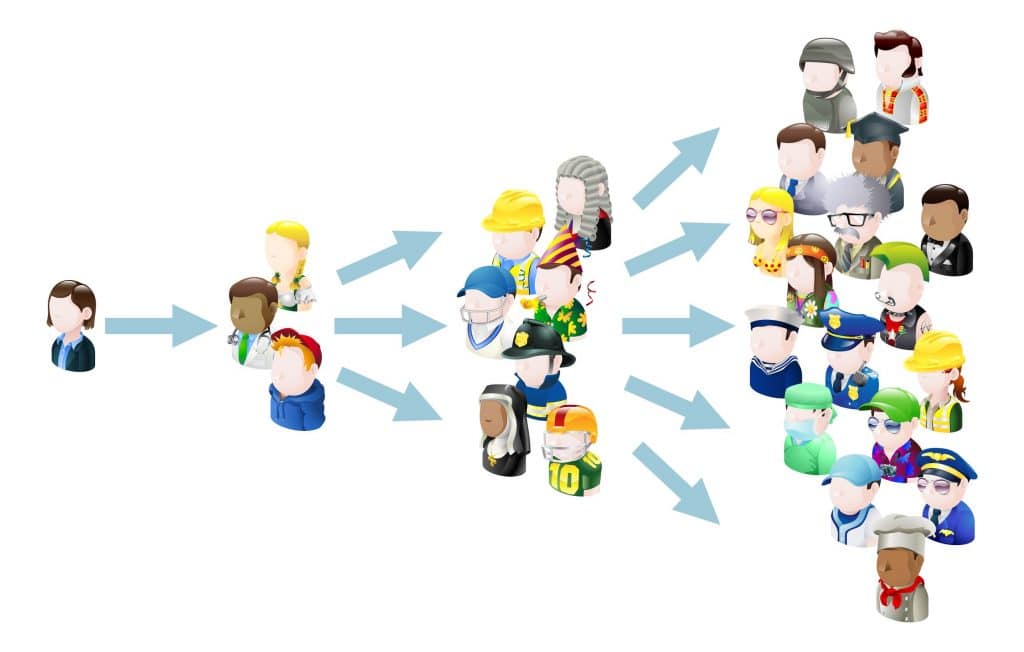
Example: WeTransfer makes it easy for users to share large files through a simple interface that lets them upload and share files in a few clicks. When a user shares a file, the recipient gets an email with a download link and a message from the sender that includes a link to sign up for WeTransfer, encouraging the recipient to become a user too.
Foster a product-led culture
This principle means building a company culture that puts the product and its users at the center of everything the company does. A product-led culture builds a deeper understanding of the customer, which helps the company design products that meet real needs and deliver real value. That usually means engineering, design, and marketing all stay close to user feedback instead of only one team owning the customer relationship.
Example: Slack, a messaging platform for teams, has built a culture that puts users at the center of everything it does, with a focus on making a product that’s intuitive and designed to fit the needs of teams at work. That culture helped Slack become a market leader with millions of active users worldwide.
By fostering a product-led culture, companies like Slack build a deep understanding of their customers, which lets them design products that provide real value and drive sustainable growth over time. This principle matters for any company trying to run a successful PLG strategy and build a product people love.
Empower users to succeed
This principle means giving users the tools, resources, and support they need to succeed with your product. Users who succeed with your product are more likely to stay loyal and recommend it to others, while users who get stuck without any help tend to churn quietly rather than ask for support.
Example: Canva, a graphic design platform for everything from social media posts to business cards, has built a suite of features and resources to help users succeed, including a library of design templates, a drag-and-drop interface, and a learning center with tutorials and articles that teach people how to use the platform effectively.
Canva also offers support options, including a help center with answers to common questions and a community forum where users can ask for help and share tips. By giving users these tools and resources, Canva has helped them create high-quality designs and driven long-term engagement and loyalty.
Prioritize customer feedback
This principle means collecting and analyzing customer feedback to inform product decisions and improve the user experience. Listening to customers and folding their feedback into product development helps companies build products that better meet real needs and ultimately drive growth, rather than shipping features based on internal guesses about what users want.
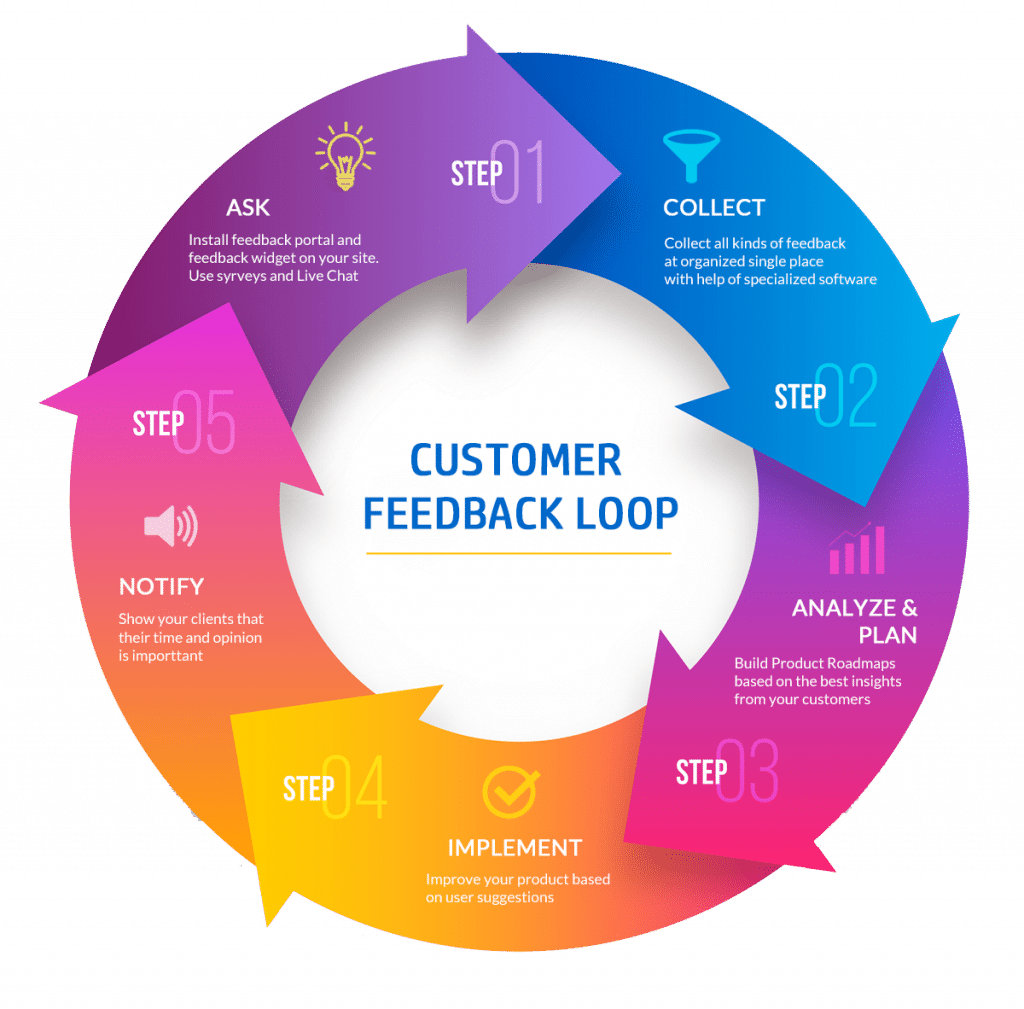
Example: Airbnb, a platform that connects travelers with unique accommodations around the world, regularly collects feedback through channels like surveys, customer support interactions, and reviews. That feedback informs product decisions aimed at improving the user experience and increasing customer satisfaction.
For example, in response to feedback that the booking process felt confusing and cumbersome, Airbnb redesigned its website and mobile app to make booking easier. It also added a feature that lets users save favorite listings and create wishlists, based on feedback about the difficulty of keeping track of interesting listings.
By prioritizing customer feedback, Airbnb has been able to build a product that meets its users’ needs and keeps improving over time. This feedback-driven approach has helped Airbnb maintain a strong competitive advantage in the travel industry and establish itself as a leader in the space.
Optimize for retention
This principle emphasizes focusing on retaining existing users over constantly acquiring new ones. It’s usually more cost-effective to keep current users engaged and satisfied than to keep bringing in new users to replace the ones who leave, since a leaky product forces the acquisition engine to work harder just to stay flat.
Example: Instagram’s focus on retention shows up in features designed to keep users engaged and coming back. Its algorithm surfaces content users are more likely to be interested in based on past behavior, and its personalized Explore page shows content tailored to individual interests, keeping people engaged for longer.
Instagram also encourages interaction through features like direct messaging, tagging and mentioning other users, and following and unfollowing accounts. These features help users build a sense of community and stay engaged with the platform.
Overall, this focus on retention has been a key factor in Instagram’s success. By keeping users engaged and satisfied, the platform has built a loyal user base that keeps growing while also attracting new users through word-of-mouth recommendations from existing ones.
Enable virality
Enabling virality means building product features that encourage users to share the product with others, leading to growth through word of mouth. The strongest version of this happens when sharing is a natural part of using the product, not a bolted-on prompt asking people to invite friends.
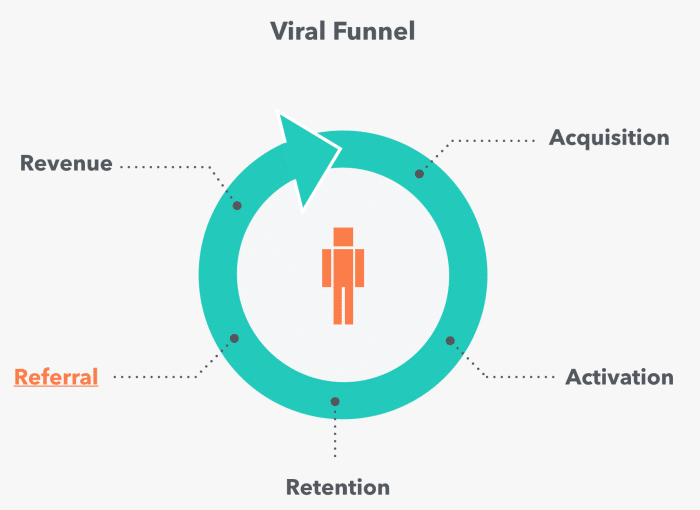
Example: Dropbox, a cloud storage service, lets users share files and folders with others, even if the recipient doesn’t have a Dropbox account. That makes it easy to share files with friends, family, and colleagues, who then discover Dropbox and may sign up themselves.
Dropbox also incentivizes referrals through its referral program: users get additional storage space for free when they refer friends. That encourages users to share the product and helps Dropbox acquire new users at low cost.
Measure and optimize
This principle means using data to measure the effectiveness of product-led strategies and continually optimizing them to improve user acquisition, retention, and conversion rates over time. Without that measurement step, it’s easy to assume a tactic is working just because it feels intuitive, rather than because the numbers actually back it up.
Example: HubSpot offers a free CRM tool that lets users manage customer data and interactions, plus a free Marketing Hub tool that includes email marketing, landing pages, and analytics. Offering these free tools helps HubSpot attract users who may eventually upgrade to paid plans.
HubSpot tracks the performance of its free tools, such as how many users sign up and how many eventually upgrade. It also measures the effectiveness of its content marketing, like blog posts and webinars, by tracking metrics such as traffic, engagement, and lead generation.
Based on that data, HubSpot continuously optimizes its product-led strategies to improve acquisition, retention, and conversion. For example, it may adjust its free tool offerings or content marketing tactics based on what’s driving the most engagement and upgrades.
By measuring and optimizing its product-led strategies this way, HubSpot has achieved significant growth and become a leader in the marketing software industry.
Conclusion
Implementing the right PLG principles can help businesses build a sustainable, user-driven growth model that compounds over time. By focusing on delivering value to users, improving the product experience, and using data to measure and optimize strategies, businesses can drive real growth and long-term success without leaning as heavily on paid acquisition or a large outbound sales team to hit their numbers.
Whether you’re a startup or an established enterprise, working these 10 PLG principles into your business strategy can help you stay ahead in a rapidly evolving market. None of them work in isolation: a great product with no feedback loop will stagnate, and a shareable product that doesn’t solve a real problem won’t hold onto the users it attracts in the first place.
Start putting these principles into practice today, one at a time if needed, and take your business to the next level without waiting for every piece to be perfect first.
Do you also relish reading startup books? Here are best ones picked out for you!
Read More
Buyers guide to AI Writing Software
Product-led growth: 3 important lessons from the front line
Frequently Asked Questions (FAQs)
What does PLG mean?
Product-led growth (PLG) is a business strategy in which a company focuses on creating a product that is so good that it naturally attracts and retains users, leading to organic and sustainable growth of the business. PLG is characterized by the product itself being the primary driver of customer acquisition, retention, and expansion, as opposed to traditional sales and marketing tactics.
What does PLG mean in marketing?
In marketing, product-led growth (PLG) is a strategy that focuses on using the product itself as the main driver of customer acquisition and retention. In a PLG model, the goal is to create a product that is so useful and valuable that it naturally attracts and retains users, leading to organic and sustainable growth.
Top PLG examples?
Top examples of PLG based companies in 2023 include: Slack Dropbox Calendly DocuSign HubSpot ClickUp Figma
What are PLG principles?
There are several key principles of product-led growth (PLG) that companies can follow to implement this strategy effectively. Here are some of the main principles: Focus on delivering a great user experience Provide value upfront Optimize for self-service Encourage product virality Collect user feedback Monitor and analyze user behavior
Related Articles
Buyers guide
Twilio Alternatives 2026: 6 Compared and What They Cost
Continue reading →

Finance & Billing Software
Best Payroll Software for Contractors and Freelancers in 2026
Continue reading →
Buyers guide
How To Choose The Best Auto Dialer Software For 2026
Continue reading →
Buyers guide
How To Choose The Best Freelance Platforms For 2026
Continue reading →