

Table of Contents
Startup advice is everywhere, but most of it is recycled from the same handful of blog posts and conference talks. The founders, investors, and operators who actually built something worth learning from tend to put their best thinking into a book rather than a hot take, which is where most of the durable ideas in this space still come from.
This list rounds up 11 startup books worth reading, covering company building, growth, network effects, management, and the harder parts of running a team and a career.
Some come from founders who lived through the mess of building something from nothing. Others come from investors and operators who studied hundreds of companies to figure out what separates the ones that make it from the ones that don’t.
Each entry below covers what the book is about, its Amazon rating, and where to buy it.
Top 11 Startup Books for Entrepreneurs
Zero to One 𝑏𝑦 Peter Thiel
Entrepreneur and investor Peter Thiel wrote “Zero to One: Notes on Startups, or How to Build the Future.” Thiel argues that, rather than competing in markets that already exist, building genuinely new ones offers the best odds for growth and wealth creation.
He calls this idea “moving from zero to one,” and argues that startups and small businesses have the power to radically reshape society by opening up markets that didn’t exist before. Among the subjects the book covers are the importance of monopolies, the role of technology in business, and the case for a contrarian, go-against-the-grain mindset.
It’s essential reading for anyone interested in where technology is headed, or for anyone trying to launch or grow a business of their own.
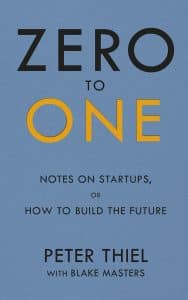
Amazon Book Review: 4.6/5
Buy At: Zero to One
Hooked 𝑏𝑦 Nir Eyal
In “Hooked: How to Build Habit-Forming Products,” Nir Eyal examines the psychology behind why some products capture a lot of attention and become deeply woven into people’s lives. Understanding the psychological triggers that push customers to interact with a product again and again, he argues, is essential to designing effective products.
He introduces the four-step Hook Model, which describes how effective products build habits through triggers, actions, rewards, and investment. The book offers insight into consumer behavior and the factors that shape how engaged people become with a product, along with practical advice for product designers and founders who want to build habit-forming items.

Amazon Book Review: 4.6/5
Buy At: Hooked
Hacking Growth 𝑏𝑦 Sean Ellis
Sean Ellis, CEO of GrowthHackers.com, wrote “Hacking Growth: How Today’s Fastest-Growing Companies Drive Breakout Success,” which lays out a methodology for founders to achieve and sustain rapid growth.
Ellis argues that a data-driven approach to growth is essential to success, and that growth should be a top priority for a business from day one. He defines “growth hacking,” the use of innovative, inexpensive, and scalable techniques to attract and keep customers, and lays out a process for developing, testing, and scaling growth initiatives.
The book offers useful case studies and examples from leading companies like Airbnb, Dropbox, and Uber, along with practical advice for businesses at every stage of growth.
It also covers experimentation, growth metrics, and cross-functional collaboration, giving businesses a plan for improving their growth efforts over time.
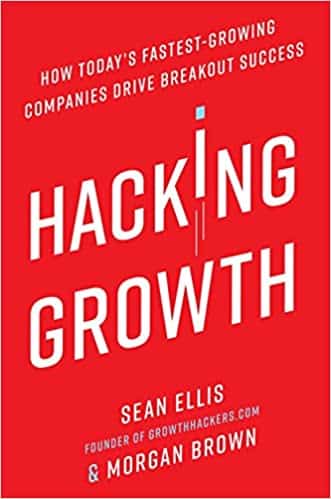
Amazon Book Review: 4.5/5
Buy At: Hacking Growth
Blitzscaling 𝑏𝑦 Chris Yeh
The idea of blitzscaling, prioritizing speed over efficiency in order to achieve outsized growth, is explored in “Blitzscaling: The Lightning-Fast Path to Building Massively Valuable Companies” by Chris Yeh. The author argues that blitzscaling is the key to building companies with billion-dollar valuations, and that founders who act swiftly and decisively hold a major advantage over their slower-moving rivals.
The book offers a thorough framework for businesses pursuing blitzscaling, including approaches to hiring, raising money, and making decisions. To offer advice and insight for founders, the author draws on his own experience as co-founder of a successful startup and as an investor, along with the experiences of companies like Airbnb, Amazon, and Uber.
The book covers the trade-offs involved in blitzscaling, the importance of culture and leadership, and the challenges and risks that come with rapid growth.
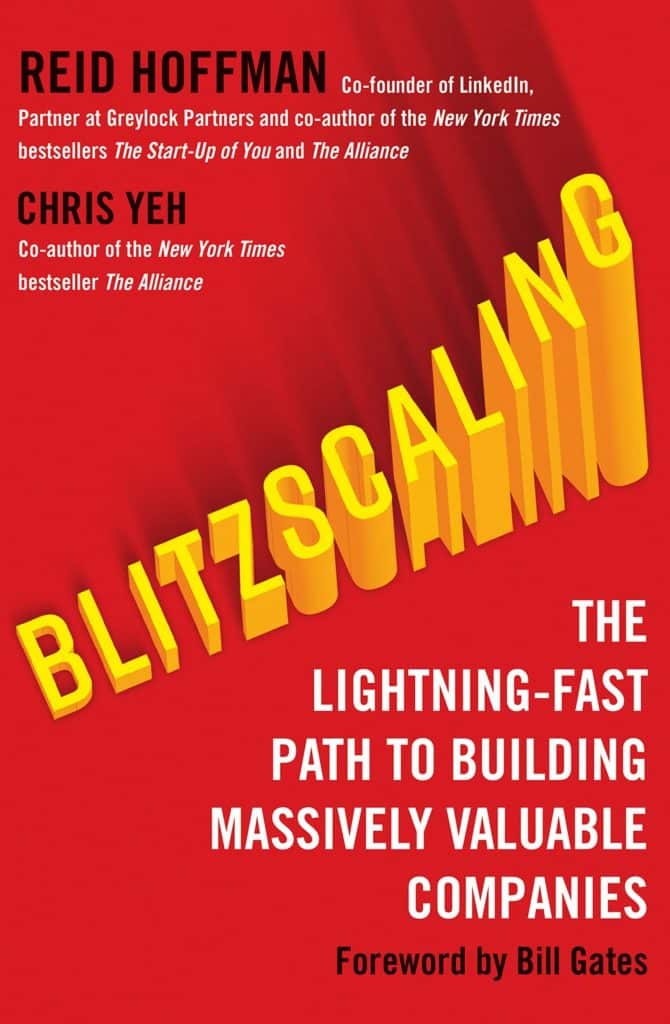
Amazon Book Review: 4.5/5
Buy At: Blitzscaling
The Lean Startup 𝑏𝑦 Eric Ries
Eric Ries’ book, “The Lean Startup: How Today’s Entrepreneurs Use Continuous Innovation to Create Radically Profitable Businesses,” gives entrepreneurs a framework for developing and marketing successful products.
Ries argues that the old approach of writing a business plan and then carrying it out no longer holds up in a business environment that moves this fast and changes this quickly. Instead, startups should use a “lean” method of product development: build a minimum viable product (MVP), test it with real users, and adjust based on what that feedback shows.
The book covers subjects including customer development, validated learning, and agile product development, and offers a step-by-step approach to the lean startup process.
The author also shares case studies and examples from successful startups such as Dropbox, Etsy, and Zappos, along with insight into the challenges and pitfalls of startup life.

Amazon Book Review: 4.6/5
Buy At: The Lean Startup
The Cold Start Problem 𝑏𝑦 Andrew Chen
In “The Cold Start Problem: How to Start and Scale Networks,” Andrew Chen investigates the difficulties entrepreneurs run into while building and scaling their networks, and offers ways to work through them.
Chen argues that one of the biggest challenges facing network-driven companies is the “cold start problem,” the difficulty of getting a network off the ground and recruiting its first customers.
He defines the term “network effects,” the positive feedback loop that can occur when a product becomes more valuable as more people use it, and offers a framework for companies to put network effects to work toward fast growth.
The book covers topics such as user acquisition, network structure, and viral marketing, with case studies and examples from successful startups such as Airbnb, Dropbox, and Uber.

Amazon Book Review: 4.5/5
Buy At: The Cold Start Problem
Shoe Dog 𝑏𝑦 Phil Knight
Phil Knight, a co-founder of Nike, Inc., wrote “Shoe Dog: A Memoir by the Creator of Nike,” a first-person account of the birth and growth of the well-known sports company. From Knight’s early years as a student to his first import business selling Japanese shoes, and eventually to the founding of Nike, the book takes the reader through the full journey.
The author writes about his personal struggles with competitiveness, his relationships with his first employees and business partners, and the highs and lows of his personal life along the way. He also shares his own experiences and insight into the difficulties and successes involved in building a successful company.
The book is an inspiring and often funny account of a startup’s journey, and offers lessons and insight into the entrepreneurial spirit and the value of perseverance.
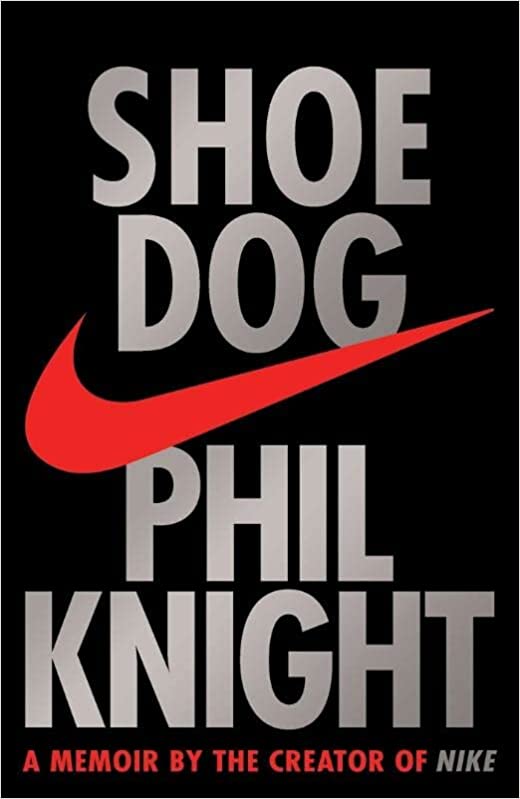
Amazon Book Review: 4.7/5
Buy At: Shoe Dog
The Start-up of You 𝑏𝑦 Reid Hoffman
Reid Hoffman, co-founder of LinkedIn, wrote “The Start-Up of You: Adapt to the Future, Invest in Yourself, and Transform Your Career,” which offers readers a framework for approaching their careers the way they would approach a business.
Hoffman makes the case that succeeding and staying ahead in a job market that keeps shifting requires people to be proactive and adaptive.
The book offers a number of tips and approaches for building a successful career, such as creating a personal brand, networking, and never stopping learning.
To offer helpful guidance and insight into the working world, the author draws on his own experience as an investor and entrepreneur as well as the experiences of successful people across a range of fields.
The book covers topics such as managing risk, seeking mentorship, and making strategic career decisions.

Amazon Book Review: 4.4/5
Buy At: The startup of you
The Founder’s Dilemmas 𝑏𝑦 Noam Wasserman
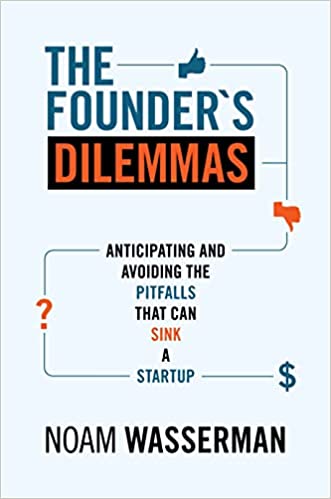
Noam Wasserman’s book, “The Founder’s Dilemmas: Anticipating and Avoiding the Pitfalls That Can Sink a Startup,” examines the difficulties experienced by startup founders and offers ways to work through them.
The author draws on ten years of study and analysis of thousands of businesses to offer insight into the problems that crop up throughout a startup’s lifecycle, such as issues with founding team composition, equity allocation, and CEO succession.
The book addresses issues like balancing ownership and control, resolving disputes among co-founders, and making the crucial choices that shape a company’s future. The author backs it up with useful case examples that put these difficulties and solutions into a real-world setting.
Amazon Book Review: 4.6/5
Buy At: The Founder’s Dilemmas
Expert Secrets 𝑏𝑦 Russell Brunson
“Expert Secrets: The Underground Playbook for Finding Your Message, Building a Tribe, and Changing the World” is a book by Russell Brunson, a successful entrepreneur and marketing expert. The book provides a step-by-step guide for people who want to turn their expertise and knowledge into a successful business.
The author argues that everyone has a unique message to share with the world, and provides a framework for finding and sharing that message with a group of people eager to learn and be inspired by it. The book covers topics such as building a following, creating a marketing funnel, and launching a successful business.
The author draws on his own experience and that of other successful entrepreneurs to offer practical advice and insight into the world of marketing and entrepreneurship.

Amazon Book Review: 4.7/5
Buy At: Expert Secrets
High Output Management 𝑏𝑦 Andrew S.Grove
The influential management and leadership book “High Output Management” was written by Andrew S. Grove, the former CEO of Intel Corporation. The book offers a thorough look at the duties and skills needed to be an effective manager and leader in a business environment driven by technology.
The author covers a wide range of subjects, including goal-setting, team management, and strategy development.
In a company environment that keeps changing, he emphasizes the value of clear communication, ongoing learning, and adaptability. Anyone hoping to build a career in management should find useful insight and recommendations in this book.

Amazon Book Review: 4.6/5
Buy At: High Output Management
Conclusion
The world of startups is always evolving, and there is always something new to learn. The books covered in this list offer a wealth of knowledge and guidance for aspiring entrepreneurs.
From understanding the lean startup methodology to developing a successful pitch, building a network, or leading a team, these books cover a wide range of topics that are essential for starting and building a business. Whether you’re just starting out or have years of experience, they’re a great resource for refining your skills and picking up new insight.
By working the principles and lessons from these startup books into your own startup journey, you can improve your odds of success and make a lasting impact in the world through your business. None of them replace the actual work of building a company, but they can help you avoid mistakes that other founders already paid to learn.
Read More
Improve Business Processes With IAM Strategy Identity And Access Management
4 Book Categories To Read In 2023
Frequently Asked Questions (FAQs)
What book does Elon Musk read for business?
Some books recommended by Elon Musk are: Steve Jobs Human Compatible Zero To One Merchants Of Doubt Life 3.0 The Big Picture
What do successful people read?
Successful people tend to read a variety of materials that align with their personal and professional interests. Here are some types of materials that successful people may read: Non-fiction books Biographies and autobiographies News and current events Industry publications Fiction It’s worth noting that what someone reads is not the only factor that contributes to their success. Other factors such as hard work, perseverance, and a strong work ethic also play important roles.
How many hours does Bill Gates read?
Bill Gates is known to be an avid reader and has spoken publicly about his love for reading. In interviews and on his blog, Gates Notes, he has mentioned that he reads for about an hour before bed each night.
Are business novels worth reading?
Yes, absolutely, business novels can prove to be worth reading as they can provide valuable insights and lessons on various aspects of business and leadership.
Related Articles

SaaS Insights
10 Best TrustRadius Alternatives in 2026 (For Buyers and Vendors)
Continue reading →

SaaS Insights
Online Review Statistics 2026: Trust, Fake Reviews & How Reviews Drive B2B Software Buying
Continue reading →

SaaS Insights
First-Party vs Third-Party Intent Data: Which Should You Buy? (2026)
Continue reading →

SaaS Insights
12 Best ZoomInfo Alternatives in 2026 (By Use Case and Budget)
Continue reading →