
Some companies seem to appear out of nowhere with fully built technology and no history of public buildup. These are usually ‘stealth startups’ — companies that deliberately operate in secrecy until they’re ready to launch.
This post covers what stealth mode actually means, why startups choose it over a more public build-in-the-open approach, and a few companies that used the strategy on their way to success.
Key Takeaways
- A stealth startup keeps its product or service details hidden from the public until its official launch.
- Operating in secret is mainly about protecting new technology from competitors who might copy the idea before it launches.
- It also gives a company room to refine its product without outside interference, build anticipation ahead of launch, and position itself as an innovative player once it does go public.
- Mist Systems, Velo3D, Coda, Proprio Vision, and Koverse are a few companies that used stealth mode successfully.
Definition of a Stealth Startup
A stealth startup operates out of public view, keeping product and service details concealed and staying low-profile right up until its official launch.
A company that operates in secrecy
A stealth startup keeps quiet about what it’s actually building, working in secret and withholding details about its products or services until it’s ready to reveal them.
The public typically doesn’t learn much about the company until its official product launch, sometimes not even the company’s name. Companies choose to stay hidden for a range of reasons, but protecting new ideas from rivals who might copy them is usually the main one.
Concealing details about their product or services
Stealth startups keep essentially every detail of their work under wraps, so outsiders have no way of knowing what they’re actually building.
That secrecy acts as a defense against competitors who might otherwise get a head start by copying the idea early, before the original team has even finished building it out. It also sets up a more dramatic public launch, since nobody has seen the product coming.
Maintaining a low profile until their official launch
Staying quiet all the way up to launch does double duty: it builds anticipation for the release and keeps competitors guessing about what the company is actually working on.
Snapchat and Uber both operated this way in their early days, well before they became household names in tech.
Reasons for Going Stealth
There are a few recurring reasons startups choose to operate in secrecy: protecting new technology, preparing for a bigger launch moment, and avoiding distraction from competitors.
Protecting new technology
Protecting the technology itself is usually the main driver behind going stealth. Keeping innovations under wraps makes it harder for competitors to copy or beat a company to market with a similar idea.
That secrecy preserves a competitive advantage and means there’s still something genuinely new to show when the product finally launches. It also buys time to refine the technology without outside pressure or premature judgment from the public before the team believes it’s actually ready.
Snapchat and Uber are commonly cited examples of this strategy paying off in real market impact once each company was ready to go public.
Preparing for a grand debut
Once a stealth startup is confident in its finished product development, it shifts focus to planning the actual launch — timing and staging it for maximum impact with customers and investors alike.
That planning usually draws on a mix of different marketing tactics: social media campaigns, press releases, influencer partnerships, and targeted advertising, all aimed squarely at building anticipation before the reveal.
Getting the timing right is how a startup captures attention, wins over early adopters, and establishes itself as a serious, innovative player in its industry from the very first day it’s visible to the public.
Avoiding distractions and competitors
Secrecy also functions as a way to avoid distraction. Keeping plans quiet lets a team stay focused on building the product instead of managing outside noise or reacting to competitors.
It has the added effect of denying competitors any visibility into the startup’s innovations and strategy, which preserves whatever advantage the company will have when it does eventually launch its product to the public.
Examples of Successful Stealth Startups
A handful of companies illustrate how stealth mode has worked in practice, as covered by Business Insider: Mist Systems, Velo3D, Coda, Proprio Vision, and Koverse. Here’s a closer look at each.
Mist Systems
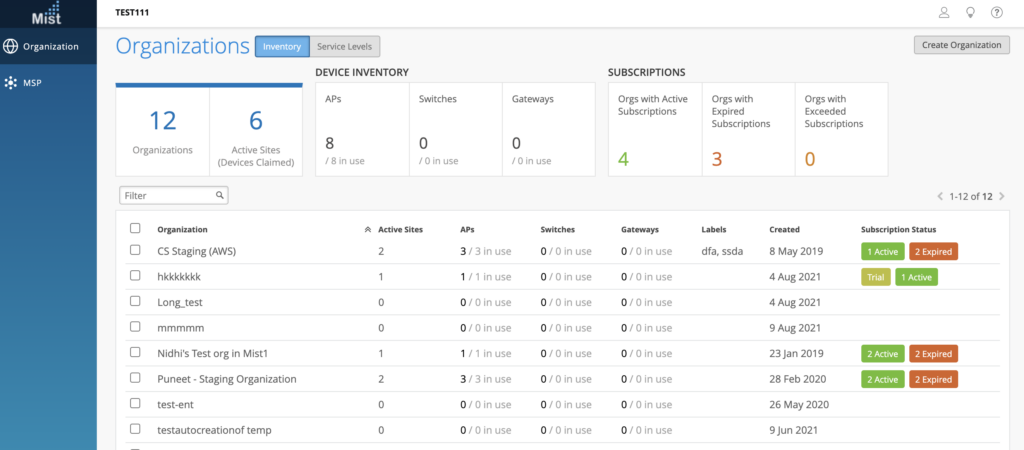
Mist Systems operated in secrecy before its official launch, building wireless networking solutions for businesses out of public view.
Keeping operations hidden from both competitors and the public gave the company time to develop its product and secure significant funding before revealing anything. By the time Mist Systems unveiled its innovative wireless networking technology, it had already refined the product well past a first draft.
That approach preserved a competitive advantage over rival networking companies and helped generate real excitement once the company finally went public with its technology.
Velo3D
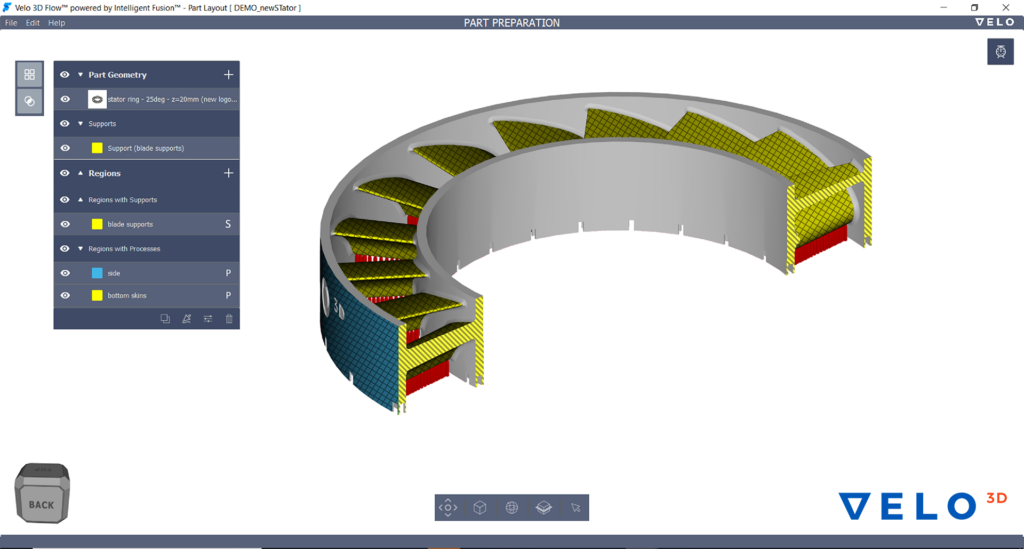
Velo3D built its early reputation in the tech industry while still operating in secrecy, keeping product details under wraps ahead of a bigger debut. The company’s focus is 3D printing technology, aimed at changing how manufacturing processes work through new techniques and materials.
Staying in stealth mode let Velo3D protect that technology from competitors and keep refining its products before anything reached the public. It also gave the company more control over press coverage and let it build anticipation ahead of a wider release.
Its continued work on advancing 3D printing capabilities positioned Velo3D to make a real mark on the manufacturing industry once it eventually stepped out of stealth mode.
Coda
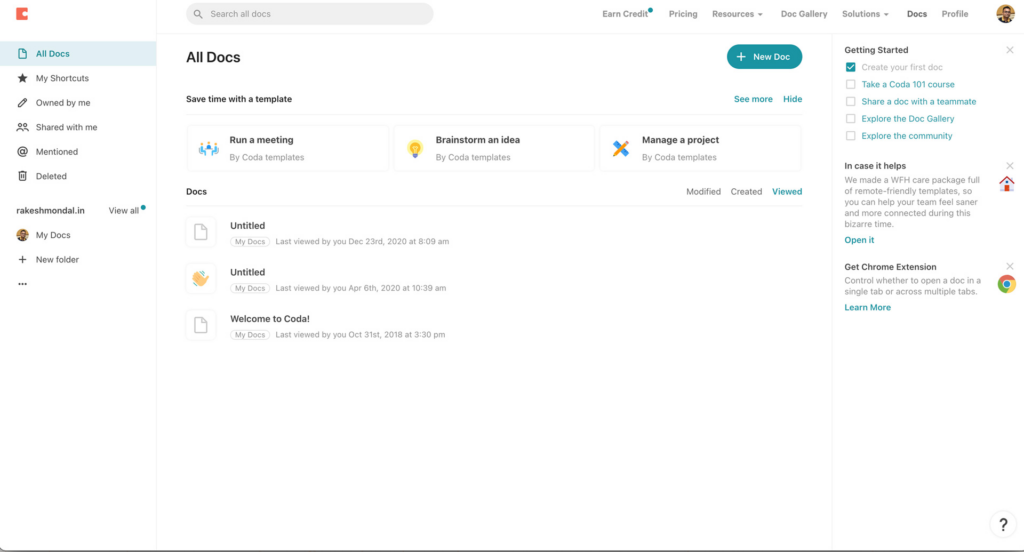
Coda is another example of a company that stayed in secrecy until its product was ready to launch. Like the others on this list, the goal was protecting its technology while setting up a bigger surprise for the market.
Staying hidden gave the team room to refine the product without distraction or premature judgment from outside observers, which is part of why the eventual reveal landed with real impact on the market.
Proprio Vision
Proprio Vision operated in secrecy until it was ready to make its mark on the tech industry, using the time out of the spotlight to refine its product without premature judgment from outsiders.
Its focus was vision technology that combines artificial intelligence and robotics for use in surgical procedures. Staying under the radar until the product was fully developed helped the company generate real interest among investors and secure significant funding ahead of its official public launch.
Koverse
Koverse is another company that operated in secret until it was ready to make its mark, withholding information from competitors while managing its public image carefully.
That quiet period gave the company time to fully develop its product before going public, rather than rushing something incomplete out the door. Stealth mode has real tradeoffs, but Koverse’s decision to stay quiet until it was actually ready paid off in the buzz and interest generated at launch.
Pros and Cons of Stealth Mode
Stealth mode isn’t purely upside. It protects intellectual property, preserves anonymity, and gives a company control over press coverage — but it can also get in the way of finding product-market fit, limit community support, and make fundraising and hiring harder.
Here’s a closer look at both sides.
Benefits: Protecting intellectual property, anonymity, control over press
The upside of operating in stealth mode generally comes down to three specific things. It protects the company’s intellectual property from competitors who might otherwise copy or imitate it. It keeps the company anonymous, sidestepping premature judgment from the public before the product is ready. And it puts the company in control of how its story reaches the press, rather than having that story shaped by outsiders.
Drawbacks: Impedes finding product-market fit, lack of community support, limitations on fundraising and talent recruitment
The drawbacks of this approach are real, too. Without active, ongoing feedback from potential customers, it’s genuinely harder to find the right product-market fit before launch.
Staying quiet also limits community support significantly, since there’s no public presence or ongoing engagement with a target audience to build on over time. Raising money gets harder as well — investors are naturally more cautious about funding a company they can’t learn much about publicly.
And hiring takes a hit, since potential employees may have no idea the company or its open roles even exist in the first place. All of this is worth weighing carefully before committing to stealth mode as a strategy.
Conclusion
A stealth startup, at its core, is simply a company that keeps its product or service under wraps until it’s genuinely ready to launch officially. That secrecy is usually about protecting new technology, setting up a bigger debut, and staying focused on building instead of getting distracted by competitors.
Stealth mode has real tradeoffs, but examples like Snapchat and Uber show it can work well when used deliberately and with a clear plan. Whether it makes sense for a given startup ultimately comes down to the nature of the product, the competitive landscape, and what the company is actually trying to accomplish.
Frequently Asked Questions
1. What is a stealth startup?
It is a company that operates in secret, keeping its product or service under wraps until it is ready to launch or make an announcement.
2. Why do some startups choose to be stealthy?
Usually to protect their ideas, preserve a competitive advantage, or avoid premature publicity that could draw unwanted attention from competitors or investors.
3. How do stealth startups operate without revealing their plans?
They maintain strict confidentiality within the team, conduct business discreetly, and stay away from traditional marketing channels that would create public exposure.
4. Are there any disadvantages of being a stealth startup?
Yes. Limited customer feedback during development, difficulty attracting investors without disclosing details, and the risk of losing market share to more visible competitors are the main ones.
5. When do most stealth startups reveal themselves?
Typically once they have hit significant milestones in product development, or secured the investments and partnerships that put them in a position to actually enter the market.
Related Articles
Buyers guide
Twilio Alternatives 2026: 6 Compared and What They Cost
Continue reading →

Finance & Billing Software
Best Payroll Software for Contractors and Freelancers in 2026
Continue reading →

Buyers guide
How To Choose The Best Auto Dialer Software For 2026
Continue reading →

Buyers guide
How To Choose The Best Freelance Platforms For 2026
Continue reading →