
Understanding the Importance of Stata Software in Statistical Analysis and Data Science

Working with large volumes of numbers can quickly become hard to manage. Stata is a statistical software package built to bring structure to that work, with a broad set of tools for analyzing and interpreting data. This post explains how Stata turns raw data into clear, usable results.
The goal is to give you a practical picture of what the software does and where it fits in real analysis work, from cleaning a dataset through to reporting the final results.
Key Takeaways
- Stata provides advanced statistical methods such as Bayesian model averaging and causal mediation analysis, both useful for careful, detailed data interpretation.
- The software supports Python integration, which extends its data-manipulation capabilities and widens the range of research a data scientist can take on.
- Its user-friendly interface lets users move through commands quickly and produce publication-quality graphics for sharing results.
- Through regular updates, Stata keeps pace with new statistical challenges and gives users current methods for their analyses.
- A strong community support system — documentation, forums, netcourses, tutorials, and conferences — helps users at every level get more out of the software.
Understanding Stata Software
Stata is a statistical software package used by researchers across many fields, including economics, biomedicine, epidemiology, and sociology. It covers data manipulation, visualization, statistical analysis, and automated reporting in one environment.
What is Stata Software?
Stata is a capable tool for professionals doing statistical analysis and data management. It handles complex data work in a single place, so users can run advanced statistical modeling, simulation, regression, and custom analyses without switching tools.
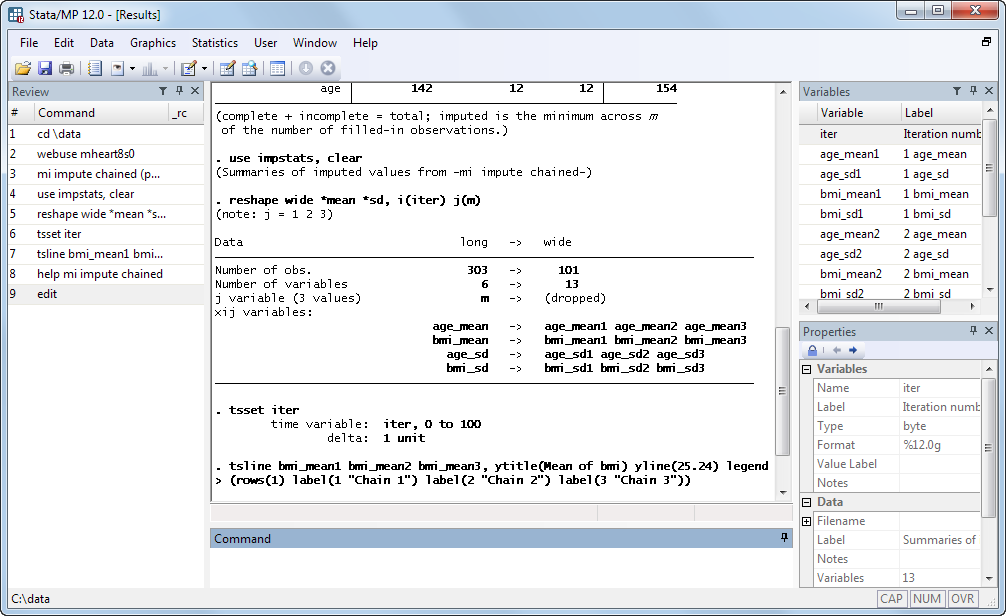
Its integration capabilities let Stata connect directly with programming languages such as Python, which makes it a strong choice for reproducible research.
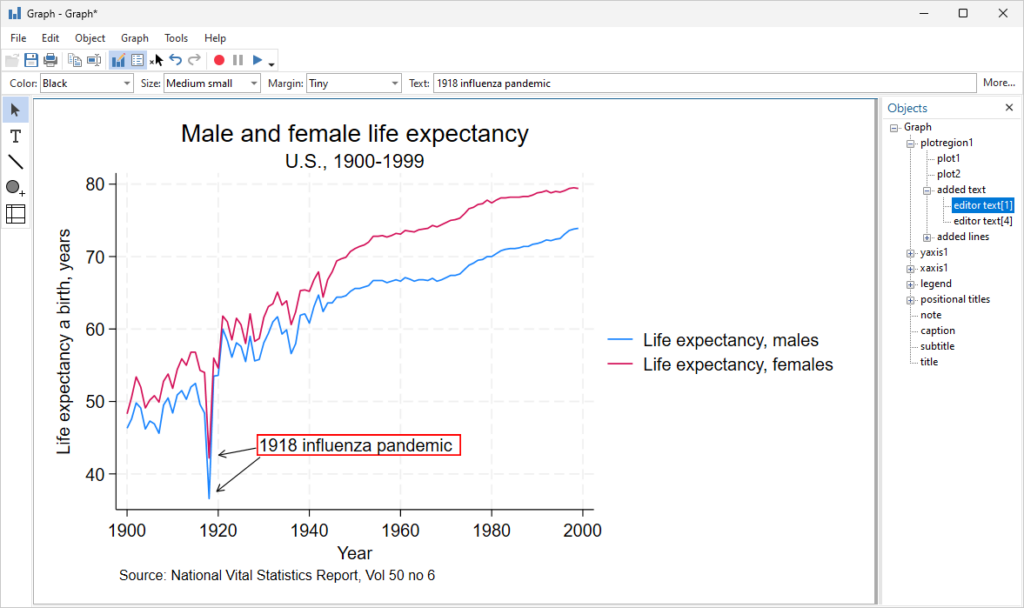
Many users choose Stata for its clear interface, which makes it straightforward to create publication-quality graphics and to automate reporting.
The software also scales to the task at hand. It processes large datasets quickly through automatic multicore support, and it runs across several operating systems, so teams are not locked into a single platform to share the same work.
Behind that system sits strong technical support that helps users through difficult tasks, along with an active community where questions get answered and solutions get shared.
Check more Data Analytics vs Business Analytics – Find out major differences
Features of Stata Software
With the basics covered, here is a closer look at the features that make Stata a standard tool for technical work:
| Feature | Description |
|---|---|
| User-Friendly Interface | Technology professionals appreciate Stata for its intuitive user interface. This accessibility speeds up data analysis, allowing users to navigate through options and commands with ease. |
| Advanced Statistical Tools | With a comprehensive array of statistical techniques available, Stata empowers users to perform quantitative analysis and complex statistical modeling confidently. |
| Publication-Quality Graphics | Visualizing data is pivotal in technology, and Stata’s sophisticated graphics tools produce high-quality visuals for presentations and publications. |
| Python Integration | Stata enhances the scope of data science by integrating with Python, enabling more extensive data manipulation and analysis possibilities. |
| Reproducible Research | Ensuring results can be replicated, Stata promotes reproducible research with its robust command syntax and documentation features. |
| Support Resources | From net courses to video tutorials, Stata offers abundant learning resources, supporting both beginners and advanced users in their quest to master the software. |
| Continuous Updates | The latest version of Stata includes cutting-edge updates like Bayesian model averaging (BMA) and causal mediation analysis, ensuring users are at the forefront of statistical methodologies. |
Importance of Stata Software in Statistical Analysis
Stata is a core tool in statistical analysis, giving researchers and analysts the means to work through complex data. Its wide feature set supports advanced methods such as Bayesian model averaging, which allows for more careful reading of results.
Analysts use Stata to run causal mediation analysis, which helps them understand indirect effects between variables rather than just the direct ones. The software supports precise estimation with inference techniques that hold up under peer review, which matters when results are published or reused by others.
Because Stata adds regular updates and new features, users can take on emerging problems in data science and keep their methods current. Its support programs and resources are extensive, from detailed documentation to active user forums where help is easy to find.
Its conferences give the community a place to exchange ideas across disciplines, so knowledge builds up across the whole user base rather than staying siloed.
Role of Stata Software in Data Science
Stata has a central place in data science, giving practitioners one platform for statistical analysis, data visualization, and modeling. Features such as Bayesian model averaging (BMA), causal mediation analysis, and group sequential designs let data scientists work through demanding statistical techniques.
With Stata’s support for Python integration, researchers can pair Stata’s strengths with Python’s flexibility for advanced data manipulation and interpretation.
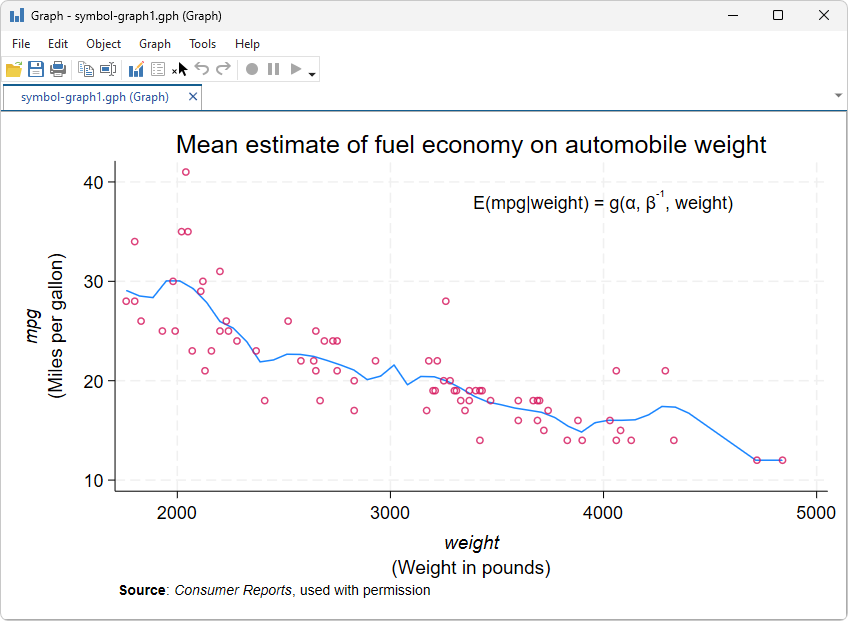
Stata’s publication-quality graphics and automated reporting also make it easier to present findings clearly. Its focus on reproducible research means data scientists can manage, analyze, and interpret their datasets while meeting sound methodology standards.
For professionals who need dependable answers in statistical analysis and interpretation, Stata is a practical, well-supported option that covers the full path from raw data to a finished analysis.
Conclusion
Knowing what Stata offers in statistical analysis and data science opens the door to advanced statistical modeling and data interpretation. Users can manage, manipulate, and visualize datasets for work in research, biomedicine, economics, or sociology.
Stata’s user-friendly interface and broad feature set help economists and researchers make informed decisions with sound statistical methods. Its active community also gives professionals a place to learn, grow, and try new approaches with confidence.
Learning Stata is a solid step toward putting statistics to work for better decisions across a range of fields.
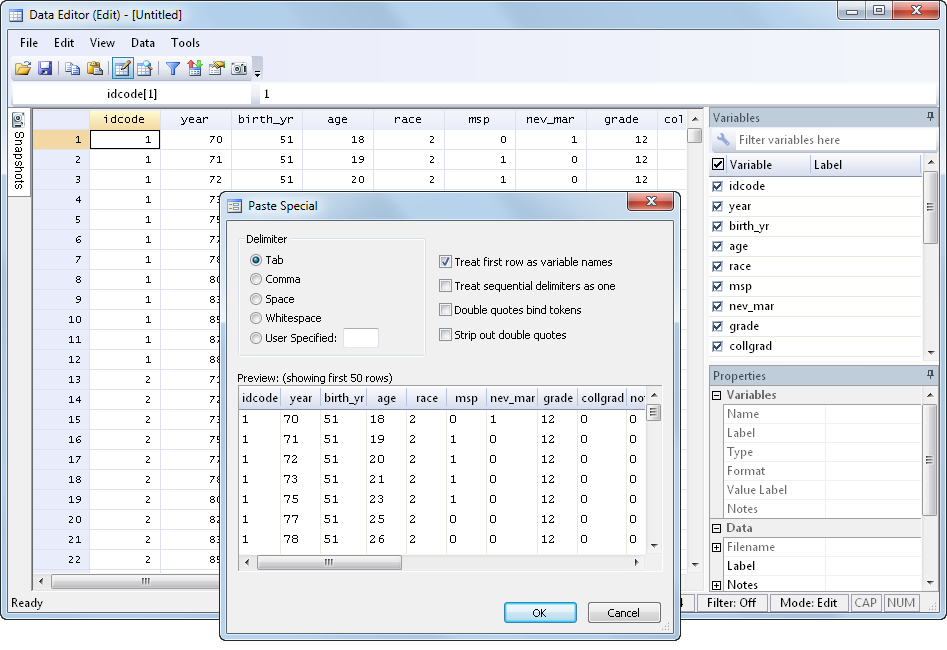
(Image Credit: Stata)
Frequently Asked Questions
Why is Stata software important in statistical analysis and data science?
Stata is important in statistical analysis and data science because of its features for data manipulation, visualization, statistical modeling, and reproducible research.
How can I benefit from learning Stata for statistical analysis?
Learning Stata gives you the ability to handle large datasets efficiently, run advanced statistical analyses, and create publication-quality graphics.
What role does Stata software play in research and academia?
In research and academia, Stata is widely used for analyzing survey data, conducting econometric analyses, performing complex simulations, and creating professional reports.
Can beginners with no programming experience learn to use Stata effectively?
Yes. Beginners without programming experience can learn Stata effectively, since it offers a user-friendly interface along with extensive documentation and support resources.
Are there practical benefits to using Stata in real-world scenarios?
Yes. Stata lets professionals tackle real-world problems by managing data efficiently, applying sophisticated analytical techniques, sharing reproducible workflows, and presenting findings with confidence.

- Independent picks for exactly what you just read about
- Matched to your team size & needs
- Vendors don't pay for placement
Step 1 of 4
How big is your team?
We tailor recommendations to companies your size.















Related Articles
IT Management
Microsoft Intune Pricing 2026: Plan 1, Plan 2, Suite and What Microsoft 365 Includes
Continue reading →
IT Management
Best Remote Access Software 2026: 11 Tools Compared by Price
Continue reading →
IT Management
Splashtop Pricing 2026: Solo, Pro, Performance and SOS Costs
Continue reading →
IT Management
Atera Pricing 2026: Every Plan, Per-Technician Cost and What You’ll Pay
Continue reading →