

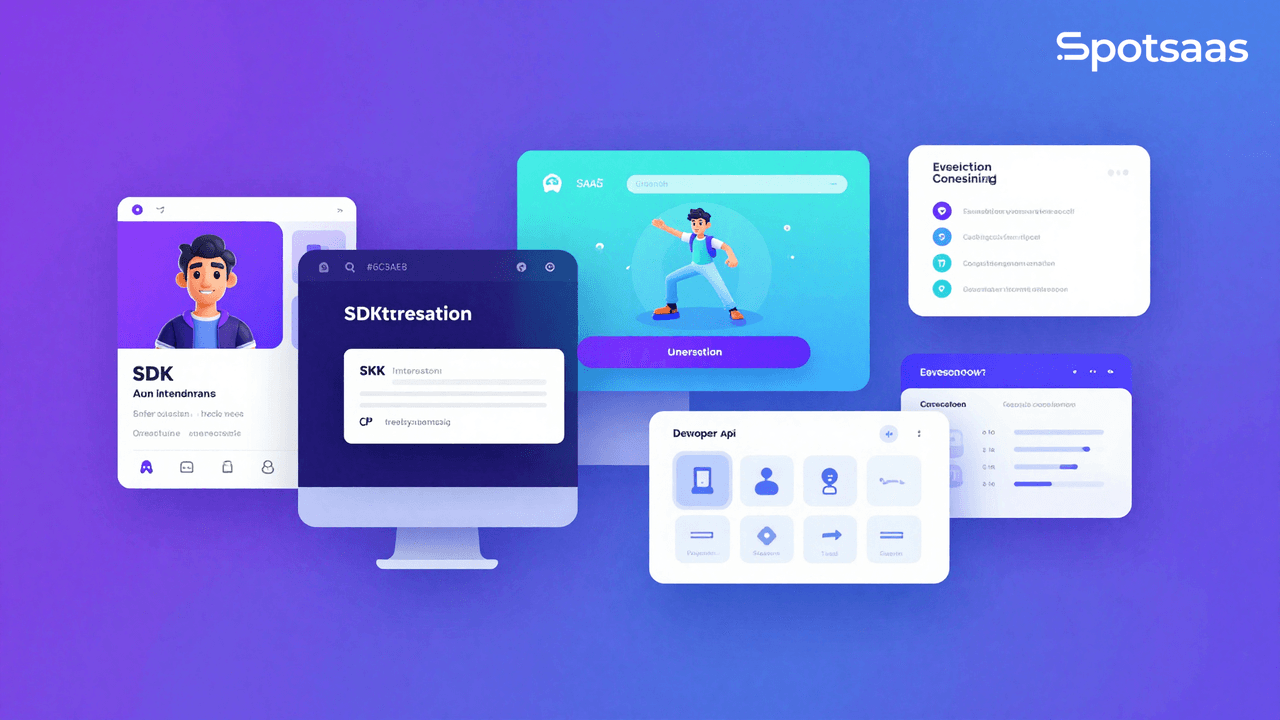
A unique virtual identity matters to many gamers, yet plenty of players find customizing avatars difficult. Ready Player Me presents itself as the world’s top avatar platform, handling character personalization for developers and users alike.
This article explains how to use that platform to change your gaming experience. The goal is to integrate avatar creation directly into your game with Ready Player Me’s tools, so players can shape their own character before they start playing.
Key Takeaways
- Ready Player Me provides a set of unified developer tools that add avatar creation to games, so the integration work is quick and it saves a good deal of development time.
- The platform uses AI and ML technology for detailed avatar customization, from facial features to fashion choices, so players can build unique virtual identities.
- Asset Manager 2.0 handles digital inventory management, and with Unity integration developers get tools that carry avatars across more than 10,000 apps and games.
- Personalized avatars raise player engagement by letting users express themselves in the game world, and they open new monetization paths for developers through exclusive content.
- Ready Player Me’s system lets players move avatars between compatible platforms, supporting a large ecosystem where customized characters can travel.

Integrating Avatar Creation into Game Using Ready Player Me
Use the unified developer tools of Ready Player Me to add avatar creation to your game, giving players a personalized experience through interactive avatar design and a virtual identity.
The avatar creation process supports detailed 3D modeling and animation editing, which adds to the immersive experience in virtual reality and augmented reality gaming environments.
Utilizing Unified Developer Tools
Ready Player Me offers a set of unified developer tools that add virtual avatars to your game. These tools save months of development time through AI and ML integration that simplifies the avatar creation process.
Developers can start quickly with features available directly through Ready Player Me’s platform. These include character customization options for adjusting how each avatar looks and asset management systems for keeping the associated content organized.
The updated Asset Manager 2.0 organizes how game creators handle their digital inventory, keeping the experience smooth for both developers and players. With Unity integration now on the Unity Asset Store, you get a powerful engine paired with Ready Player Me’s avatar system.
Together they support interoperability across 10,000+ apps and games, which means an avatar built once can be reused in many places. They also give you new monetization options that can add to your revenue streams.

Avatar Creation Process
The avatar creation process with Ready Player Me changes how players interact with games. It uses a modern approach to build personalized virtual identities that raise user engagement. By adding Ready Player Me avatars in Unity and using the developer tools provided, you can improve retention and engagement. These avatars work with thousands of apps across a wide range of games.
- First, choose a base model from a wide selection to begin the avatar creation process. This step gives every player a foundation that fits their individual style.
- Customize facial features using artificial intelligence and machine learning. This technology adjusts the avatar’s appearance with precision to achieve a distinct look.
- Select hairstyles, eye color, and other details to personalize your avatar further. A broad set of options lets players show their personality through their virtual counterpart.
- Dress your characters using the extensive wardrobe in Asset Manager 2.0. From classic outfits to current accessories, style your avatar to match fashion trends or personal taste.
- Add your new avatars across 10,000+ apps and games through interoperability features. Enter any compatible world or platform and bring your virtual self along.
- Use the monetization options built for developers. Create exclusive items or premium designs within the avatar creation process and open new revenue streams.
Conclusion
Ready Player Me expands your game’s character customization options and gives players more control over how they appear. It keeps players involved with immersive, personalized avatars that reflect their own identities.
You also gain access to an active community and a growing virtual universe. The development tools simplify integration, so your team spends less time on setup. Avatar creation adds new options for interactive gaming, for your users and for your own success.
Frequently Asked Questions
1. How can I integrate Ready Player Me’s avatar creation into my game?
You can integrate Ready Player Me’s avatar creation by using their API and documentation to add customizable avatars to your game.
2. Can I customize the avatars created through Ready Player Me?
Yes, you can fully customize the avatars by offering various options for facial features, hair, clothing, and accessories according to your game’s requirements.
3. What platforms are compatible with Ready Player Me’s avatar creation?
Ready Player Me’s avatars are compatible with multiple platforms including Unity, Unreal Engine, Roblox, VRChat, and more.
4. Are there any costs associated with integrating Ready Player Me’s avatar creation into my game?
There may be fees associated depending on the scale of integration required. Check their official website or contact them directly for pricing details.
5. How do I troubleshoot any issues that arise during the integration process?
To troubleshoot any issues during integration, refer to Ready Player Me’s support resources such as FAQs or reach out to their technical support team for assistance.
Related Articles
Buyers guide
Twilio Alternatives 2026: 6 Compared and What They Cost
Continue reading →

Finance & Billing Software
Best Payroll Software for Contractors and Freelancers in 2026
Continue reading →
Buyers guide
How To Choose The Best Auto Dialer Software For 2026
Continue reading →
Buyers guide
How To Choose The Best Freelance Platforms For 2026
Continue reading →