

Network traffic monitoring is critical for IT professionals who need to understand how data flows across their systems. Without visibility into network activity, it’s difficult to identify performance bottlenecks, security threats, or inefficient resource usage.
This article covers the tools and practices that help IT teams monitor network traffic effectively.
Key Takeaways
- Monitoring network traffic is essential for maintaining a secure and efficient network environment and optimizing performance.
- Selecting the right monitoring tools, such as Wireshark, SolarWinds Network Performance Monitor, or DataDog, can provide real-time data and detailed reports on network activity.
- Effective traffic monitoring involves identifying data sources, discovering applications on the network, choosing the appropriate monitoring tool, and utilizing provider-specific monitoring tools.
- Best practices for effective traffic monitoring include monitoring everything, interpreting data sources effectively, and inspecting data packets carefully.
Importance of monitoring network traffic
Network traffic monitoring provides visibility into how bandwidth is being consumed and whether the network is performing as expected. IT teams use this data to troubleshoot slowdowns, identify which applications or users are consuming the most resources, and detect unusual patterns that may signal a security issue.
Tools like Wireshark, SolarWinds Network Performance Monitor, and DataDog capture and analyze network data at the packet level, offering insights into bandwidth usage and packet details. This level of detail helps teams understand exactly what is happening on the network in real time.
Proactive monitoring makes it easier to catch problems early, before they affect users or expose the network to risk. This visibility supports better capacity planning and helps teams make decisions based on actual network behavior rather than assumptions.

Benefits of using the right tools
The right network traffic monitoring tool provides real-time visibility into network utilization, speed, and data volume. This allows IT teams to spot performance degradation, identify which traffic is consuming bandwidth, and isolate problematic connections or services.
Modern monitoring tools detect anomalies automatically, alerting teams to unusual behavior that could indicate a network issue or security threat. Early detection prevents small problems from becoming widespread outages.
Investing in tools that fit your network’s size and complexity pays dividends through faster troubleshooting, lower downtime, and better-informed capacity and security decisions.
Steps to Monitor Network Traffic
To effectively monitor network traffic, there are several key steps you need to follow. From identifying data sources to choosing the right monitoring tool, each step is essential for optimizing network performance and ensuring smooth operations.
Read on to learn more about these steps and how they can help you gain useful detail into your network traffic.
Identify data sources
To begin the process of monitoring network traffic, we must first establish and identify our data sources. This involves determining where the necessary information for analysis will be derived from.
These could be various network points like routers, switches, or servers within your IT infrastructure setup. By pinpointing these areas that generate relevant traffic details such as volume, speed and utilization statistics, we’ll gain a thorough understanding of overall network performance.
It’s essential to choose many data sources for accurate insight into network behavior and potential security threats.
Discover applications on the network
Identifying applications on your network is a essential step in monitoring network traffic. A broad spectrum of software, programs, and services utilize your network resources to function properly.
This includes common elements such as email servers or complex web applications that access databases over the internet. Gaining visibility into these applications enables you to comprehend how they interact with your network infrastructure.
With full insight into application activity, you can effectively manage bandwidth usage and optimize performance across key tasks and services within your organization’s digital environment.
Choose a monitoring tool
Choosing the right monitoring tool is essential for effectively monitoring network traffic. There are various options available, each with its own set of features and capabilities. It’s important to consider factors such as your specific needs, budget, and ease of use when making a decision.
Some popular tools include Wireshark, SolarWinds Network Performance Monitor, and DataDog. These tools provide detailed insights into network traffic. This allows you to identify issues and optimize performance.
By selecting the right monitoring tool for your organization, you can ensure that you have the visibility necessary to maintain a secure and efficient network environment.
Utilize network provider-specific monitoring
To effectively monitor network traffic, it’s important to take advantage of network provider-specific monitoring tools. These tools are designed by the providers themselves and offer unique insights into the data flowing through your network.
By utilizing these specialized monitoring solutions, you can gain a deeper understanding of how your network is functioning and identify any potential issues or bottlenecks that may be affecting performance.
Network provider-specific monitoring allows you to tap into valuable metrics and data points specific to your network setup. This gives you a more accurate and tailored view of your infrastructure.
With this information at hand, you can make informed decisions regarding optimization, security measures, and overall network performance improvements.
Remember that not all networks are created equal, so utilizing these specialized monitoring tools provided by your network provider gives you an added layer of visibility into your unique setup.

Best Network Monitoring Tools
Some of the Best Network Monitoring Tools include Wireshark, SolarWinds Network Performance Monitor, and DataDog.
Wireshark
Wireshark is a powerful and widely used network monitoring tool that provides detailed insights into network traffic. With Wireshark, you can capture and analyze packets flowing through your network in real time.
This allows you to identify potential issues, troubleshoot problems, and optimize network performance. Wireshark supports various protocols and provides extensive filtering capabilities. This makes it an essential tool for IT professionals who want to gain visibility into their network traffic.
By using Wireshark, you can easily monitor data sources, detect applications on the network, and interpret data packets for effective analysis.
SolarWinds Network Performance Monitor
SolarWinds Network Performance Monitor is a powerful tool for monitoring network traffic. With its complete features, it allows IT professionals to gain visibility into their network and optimize performance.
The software provides real-time data on bandwidth usage, packet details, and network activity. It also offers advanced troubleshooting capabilities to identify and resolve issues quickly.
SolarWinds Network Performance Monitor is an essential tool for maintaining a secure and efficient network environment. This ensures that businesses can operate smoothly without disruptions.
DataDog
DataDog is a powerful network monitoring tool that provides complete insights into network traffic and performance. With DataDog, IT professionals can easily monitor bandwidth usage, analyze packet details, and gain visibility into network activity.
This tool allows users to track key metrics such as volume, speed, and utilization of their network traffic. By using DataDog’s capabilities, IT professionals can optimize network performance and troubleshoot any issues that arise.
Additionally, DataDog offers advanced features for analyzing data sources effectively and inspecting data packets carefully. Overall, DataDog is an invaluable resource for maintaining a secure and efficient network environment while ensuring optimal performance.
Best Practices for Traffic Monitoring
To ensure effective traffic monitoring, it is essential to monitor everything, interpret data sources effectively, and inspect data packets carefully. By following these best practices, you can optimize network performance and enhance overall security.
Find out more about how to implement these techniques in the full blog post!
Monitor everything
I make it a point to monitor everything for network traffic. By monitoring every aspect of my network, I gain useful detail into its performance and can quickly identify any issues or abnormalities.
Monitoring everything includes tracking bandwidth usage, inspecting data packets, analyzing traffic flow, and keeping an eye on application behavior. This complete approach allows me to optimize network performance, ensure security, and troubleshoot problems effectively.
With the right tools and techniques in place, monitoring everything becomes an essential practice for maintaining a secure and efficient network environment.
Interpret data sources effectively
To effectively monitor network traffic, it is essential to interpret data sources accurately. By understanding the information provided by different data sources, IT professionals can gain useful detail into network activity and performance.
This includes analyzing details such as bandwidth usage, packet details, and network flow patterns. Interpreting this data allows administrators to identify any issues or anomalies on the network, optimize performance, and ensure a secure and efficient environment.
By interpreting data sources effectively, IT professionals can make informed decisions for troubleshooting and maintaining their networks.
Inspect data packets carefully
When monitoring network traffic, it is essential to inspect data packets carefully. Data packets contain information about the source and destination of network traffic, as well as details such as the type of protocol being used and the size of each packet.
By analyzing these packets, IT professionals can gain useful detail into network performance and identify any potential issues or threats. Inspecting data packets allows for a more granular understanding of network activity and helps in troubleshooting problems effectively.
With careful inspection, IT professionals can identify patterns, anomalies, and potential security breaches within their network traffic data.
By closely examining data packets, IT professionals can also gather information about bandwidth usage, application behavior, and overall network performance. This level of analysis provides a complete view of how data flows through the network infrastructure and helps identify areas for improvement or optimization.
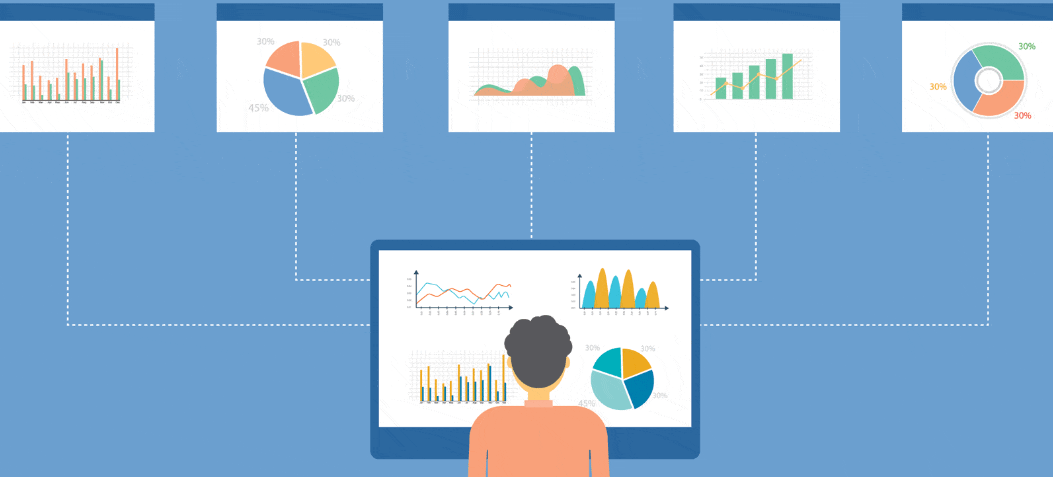
How MetricFire Can Help
MetricFire offers a range of tools and solutions that can help optimize network performance, such as Kafka performance monitoring. They also provide open-source monitoring tools and can assist in choosing the right tool for your specific needs.
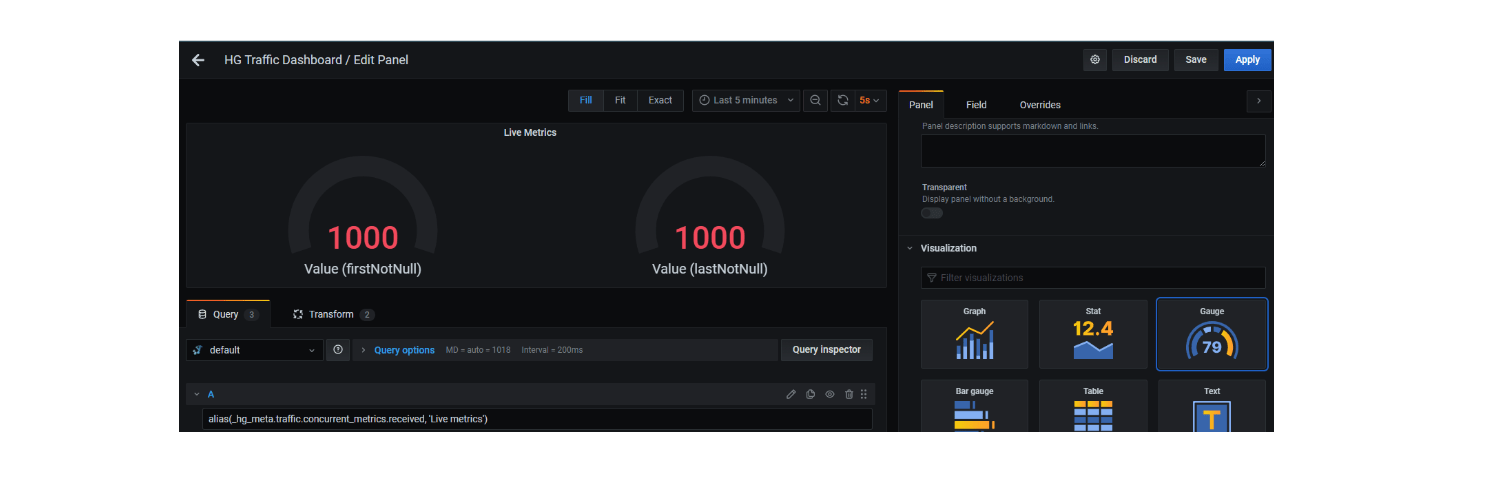
Tools for optimizing network performance
To optimize network performance, it is essential to utilize the right tools. Network monitoring software such as Wireshark, SolarWinds Network Performance Monitor, and DataDog can provide useful detail into your network traffic.
These tools allow you to monitor everything from bandwidth usage to packet details. This gives you a complete understanding of your network activity. Additionally, open source monitoring tools and Kafka performance monitoring offered by MetricFire can help you choose the right tool for your specific needs.
By using these tools, you can ensure that your network is running at its best and troubleshoot any issues that may arise.
Kafka performance monitoring
Monitoring the performance of Kafka is essential for ensuring optimal functionality and efficiency. By tracking key metrics like message throughput, latency, and error rates, you can identify and address any issues that may arise.
With the right monitoring tools in place, you can gain real-time visibility into your Kafka cluster’s performance. This allows you to proactively detect bottlenecks or potential failures before they impact your system.
By regularly monitoring and analyzing the performance of your Kafka environment, you can ensure smooth data flow and maintain high availability for your applications.
Open-source monitoring tools
Open-source monitoring tools are a valuable resource for IT professionals looking to monitor network traffic. These tools provide an affordable and customizable solution for tracking data usage, analyzing network performance, and identifying potential security threats.
One popular open-source option is Nagios, which offers complete monitoring capabilities and can be easily integrated with other software applications. Another widely used tool is Zabbix, known for its strong features such as real-time network analysis and alerting system.
By using these open-source tools, IT professionals can gain greater visibility into their network traffic without the need for expensive proprietary software.
In addition to cost savings, open-source monitoring tools also offer flexibility in terms of customization. With access to the underlying codebase, users have the freedom to modify the tool according to their specific needs or integrate it with other systems smoothly.
This level of control allows IT teams to tailor their monitoring approach precisely and extract accurate insights from network traffic data. Moreover, by harnessing the power of community-driven development behind these open-source projects, users can benefit from constant updates and improvements based on feedback from a large community of contributors.
Choosing the right tool for your needs.
In order to effectively monitor network traffic, it is essential to choose the right tool for your specific needs. There are various network monitoring tools available in the market, each with its own set of features and capabilities.
By considering factors such as the size of your network, your budget, and the level of analysis you require, you can select a tool that aligns with your requirements. For example, if you need detailed packet-level analysis, Wireshark would be a good choice.
On the other hand, if you prefer a more complete solution that offers real-time network performance monitoring and alerts, SolarWinds Network Performance Monitor might be a better fit.
Conclusion
monitoring network traffic using the right tools and techniques is essential for optimizing network performance and ensuring a secure environment. By utilizing network monitoring software, analyzing data sources effectively, and inspecting data packets carefully, IT professionals can gain useful detail into their network activity.
With the continuous advancements in technology, staying vigilant in monitoring network traffic has become more important than ever before to maintain a strong and efficient network infrastructure.
Frequently Asked Questions
What is network traffic monitoring?
Network traffic monitoring is the process of analyzing and tracking the data that travels across a computer network, including information about its source, destination, type, and volume.
Why is it important to monitor network traffic?
Monitoring network traffic is important for identifying potential security threats, troubleshooting performance issues, optimizing network resources, and ensuring compliance with regulations.
What are some common tools used for monitoring network traffic?
Common tools used for monitoring network traffic include Wireshark, SolarWinds Network Performance Monitor, PRTG Network Monitor, Nagios Core, and Cisco Network Assistant.
How can I detect unusual or suspicious activity in my network traffic?
To detect unusual or suspicious activity in your network traffic, you can look for irregular patterns or spikes in data usage, unexpected connections to unknown IP addresses or domains, unauthorized attempts to access sensitive information or resources.
Are there any best practices for effective network traffic monitoring?
Some best practices for effective network traffic monitoring include regularly updating your monitoring tools and software to stay ahead of emerging threats and vulnerabilities; establishing baseline measurements of normal activity; setting up alerts or notifications for critical events; and regularly reviewing logs and reports generated by the monitoring system.
Compare alternatives to the tools in this post

- Independent picks for exactly what you just read about
- Matched to your team size & needs
- Vendors don't pay for placement
Step 1 of 4
How big is your team?
We tailor recommendations to companies your size.















Related Articles
Buyers guide
Twilio Alternatives 2026: 6 Compared and What They Cost
Continue reading →
IT Management
RMM Software: 25 Tools Ranked by 1,843 Reviews
Continue reading →

Buyers guide
How To Choose The Best Freelance Platforms For 2026
Continue reading →

Best Tools
SaveFrom.net: Norton Clears It, the Ads Are the Risk
Continue reading →