
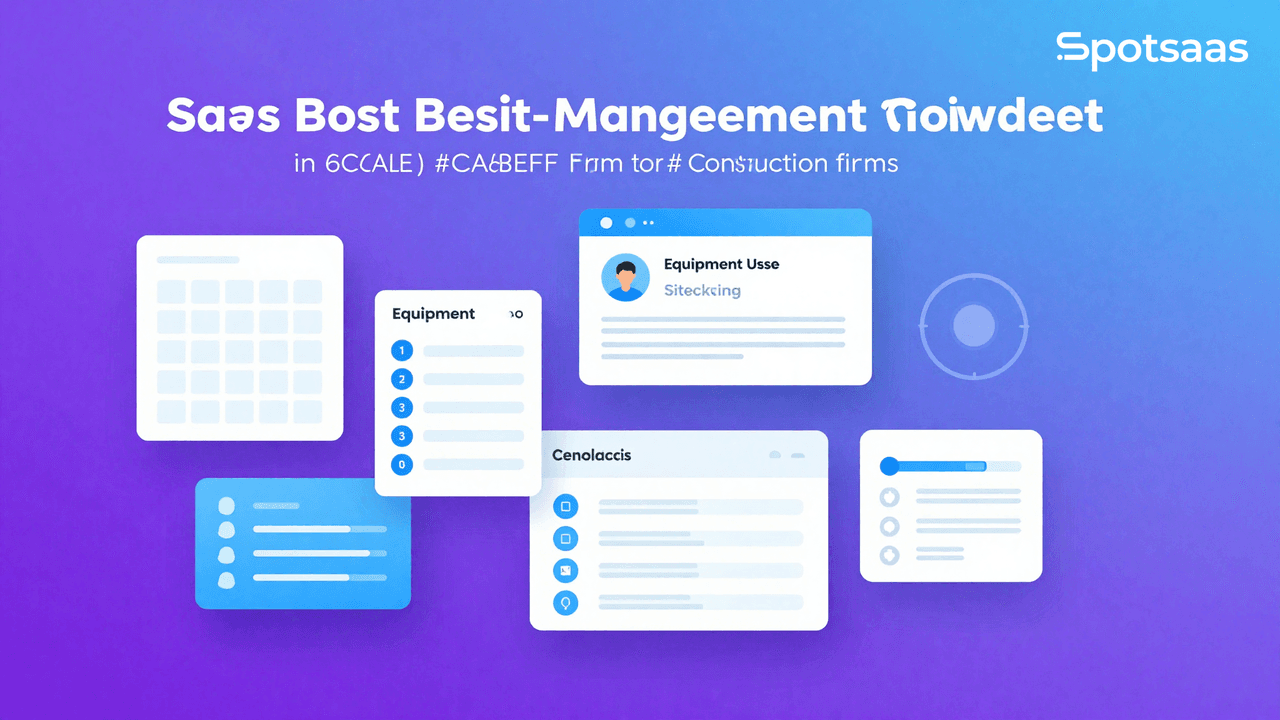
What Is Jobsite Management Software and How Does It Work?
Jobsite management software is a tool construction firms and contractors use to run ongoing projects, workers, equipment, and site operations from one place. It centralizes project data, automates the administrative work, and keeps field and office teams talking to each other instead of working from separate information.
Schedules, compliance, and resources get tracked in real time, which is what cuts delays and keeps workflows moving. The net effect is a more productive crew and lower costs across a project, from planning through completion.
Why Should You Use Jobsite Management Software?
Improved Project Efficiency
Automating scheduling, work assignments, and communication makes it easier for teams to hit deadlines without blowing the budget. It closes the gaps that usually come from miscommunication, manual entry errors, and workflows that don’t talk to each other. Real-time tracking keeps tasks moving on schedule, which cuts the odds of a project slipping. The result is tighter coordination across teams, cleaner execution, and operations that run with fewer snags.
Real-time Communication and Collaboration
Cloud-based, mobile-friendly platforms let field teams, managers, and office staff share updates, track progress, and resolve issues as they come up. That cuts out the time lost to back-and-forth emails and phone tag. Teams work from shared documents, messages, and visual reports instead. The upshot is faster decisions, fewer disruptions, and a project that keeps moving without stalling out.
Better Resource Allocation
Managers can track equipment, materials, and workforce closely enough to head off shortages or downtime before they happen. The software pushes asset utilization up by making sure the right equipment and people are actually being used where they’re needed. Automated inventory tracking cuts waste and unnecessary spending. Better visibility into where resources are going is what saves money and keeps operations efficient.
Better Safety and Compliance
The software helps manage OSHA compliance directly. Safety incidents get logged, permits stay on file, and staff certifications stay current. Automated risk checklists and reports keep the working environment safer through electronic recordkeeping, which also makes audits far less painful when all the documentation is already in one place. That safety record is what keeps companies clear of penalties and legal exposure.
Accurate Cost and Budget Tracking
Built-in financial tools track labor and material spending in real time, which keeps companies inside budget and protects margins. Automated cost tracking cuts down on human error while keeping the numbers transparent. Reports built from that data can be customized to support better financial decisions. The end result is less financial risk and fewer surprise overruns.
What Are the Key Features of Jobsite Management Software?
Project Scheduling and Task Management
This lets a project manager assign tasks, set deadlines, and watch progress in real time so execution stays smooth. Automated scheduling heads off conflicts and delays while keeping the whole team aligned with the project timeline. Most platforms include Gantt charts, calendars, and notification systems to keep everyone coordinated, with automatic updates cutting the risk of miscommunication. The result is tasks that actually get finished and resources that don’t sit idle.
Field Reporting and Daily Logs
Daily reports covering work completed, weather conditions, and site issues can be submitted as work happens, which keeps everything transparent and accountable. That gives managers a real-time read on project status instead of a delayed one. Digital logs replace paperwork, improving accuracy without adding administrative overhead. Automated reporting tools can flag potential risks and delays early, allowing problems to get solved before they grow, while also keeping the documentation trail intact for audits and compliance.
Equipment and Inventory Control
This tracks tools, machines, and materials to prevent loss while keeping idle time down. Some systems add GPS tracking for heavy machinery, adding security along with more efficient deployment. Automated alerts flag low inventory or maintenance that’s coming due, which also helps cut theft and stretch equipment lifespan further. Better planning around resources like this keeps projects from stalling over materials that went missing.
Time Tracking and Payroll Integration
Workers clock in and out through a mobile app, which keeps labor tracking and payroll processing accurate. GPS-enabled time tracking blocks fraudulent entries and confirms workers are actually on-site as scheduled. Automated time logs sync directly with payroll, cutting manual errors and administrative work. Managers get a real-time view of labor costs for tighter budget control, and the whole system keeps workforce management efficient and payroll calculations fair.
Document and Compliance Management
This keeps permits, contracts, safety reports, and inspection records in one central digital platform. Automated reminders help keep regulatory deadlines and renewals from slipping. Digital documentation makes compliance easier to track and gives teams and auditors better access to what they need. Cloud storage keeps documents from getting lost and adds a layer of security on top, so projects stay within legal and industry standards without piling on administrative overhead.
Mobile and Cloud Access
Cloud-based access lets field teams and managers view project data, update progress, and communicate remotely. Real-time data syncing keeps everyone working from the same current information, cutting delays. Through mobile access, workers can file reports, upload photos, and pick up assignments directly in the field. Offline functionality means data can still be recorded in spots with limited connectivity, which adds flexibility and keeps productivity up across construction operations.
Cost Estimation and Budgeting
Real-time cost tracking follows business expenses, labor costs, and material usage as they happen. Automated budget tracking flags cost overruns early by comparing actual spending against the original estimate. Accounting software integration keeps financial reporting accurate and cash flow easier to manage. Managers can pull financial reports to sharpen planning and spending on future projects, giving the business tighter financial control and better project profitability.
Incident Reporting and Safety Compliance
This lets workers report safety incidents, track compliance issues, and run job site inspections digitally. Automated alerts help managers address safety concerns before they get worse. Safety dashboards track incident trends and surface insight for reducing risk going forward. Digital recordkeeping simplifies staying compliant with OSHA and other regulatory bodies, which strengthens workplace safety while cutting legal exposure.
What Are the Benefits of Jobsite Management Software?
Increased Productivity and Efficiency
Repetitive admin work – scheduling, reporting, document management – gets automated, cutting manual effort. Teams can put their attention on actual job site work rather than paperwork, which lifts overall efficiency. Real-time updates keep projects on track and cut down on disruptions, and centralized data storage means critical information is easy to find. This is what helps a business streamline its operations and get more out of its workforce.
Reduced Project Delays
Real-time tracking and automated scheduling make sure materials, labor, and equipment show up when they’re actually needed. Automated alerts let managers spot potential bottlenecks well before they cause a delay. Digital workflows keep teams coordinated so tasks can move forward without getting stuck. Field reports and logs are easy to pull up quickly, which supports decisions made ahead of a problem rather than after it. All of this keeps projects on schedule and cuts costly delays.
Enhanced Team Coordination
Cloud-based communication tools connect field workers, office staff, and project managers without friction. Shared dashboards and real-time updates keep everyone looking at the same version of project progress. Instant messaging and file-sharing cut down on miscommunication and improve teamwork. Automated task notifications make responsibilities clear and keep deadlines from slipping, which strengthens coordination and collaboration across the whole team.
Minimized Errors and Rework
Digital documentation, automated workflows, and real-time reporting cut down errors during project execution. Accurate data entry avoids scheduling conflicts, budget miscalculations, and compliance violations before they happen. Managers can catch and fix issues quickly before they affect the timeline. Standardized templates and processes strengthen quality control across the board, which is what keeps businesses out of costly rework and keeps project efficiency intact.
Improved Safety and Risk Management
Automated monitoring helps enforce safety protocols, track compliance, and cut workplace accidents. Digital checklists keep safety procedures running every day. Incident tracking gives managers visibility into hazards so corrective action happens promptly. Compliance reports help a business stay aligned with required regulatory standards and avoid penalties, reducing both safety incidents and legal risk in the process.
What Are the Types of Jobsite Management Software?
Comprehensive Construction Management Software
All-in-one platforms handle scheduling, budgeting, compliance, and project management within a single system. These tools give managers full visibility into job site operations so they can oversee every part of a project from one place. Integration with accounting and HR systems keeps administrative workflows smooth, and real-time analytics support decisions backed by actual data.
Examples include Procore and Builder trend, which cater to large and small construction firms.
Time and Attendance Tracking Software
This category of software tracks worker hours, attendance, and payroll processing to strengthen workforce management. GPS-enabled time tracking keeps reporting accurate and blocks unauthorized clock-ins.
Automated payroll syncing cuts errors and administrative workload, and managers get a real-time view of labor costs and overtime.
Examples include Raken and ExakTime, which simplify payroll and compliance tracking.
Equipment and Asset Management Software
This tracks machinery, tools, and materials to prevent loss, get more out of what’s already owned, and schedule maintenance ahead of time. GPS tracking strengthens security and cuts theft, while automated alerts about material availability keep supplies replenished on schedule. Maintenance scheduling also extends equipment lifespan and avoids breakdowns, and being able to access assets remotely through the cloud gives managers oversight without needing to be on-site.
For example, it has ToolWatch and Tenna, which streamline asset management in construction projects.
Safety and Compliance Software
This is built to track safety incidents, run inspections, and maintain compliance with regulatory requirements. Digital safety checklists enforce protocols, and real-time reporting gets hazards resolved quickly. Compliance dashboards give an overview of workplace safety trends over time, and automated alerts notify managers of upcoming safety training or regulatory deadlines before they’re missed.
Examples include SafetyCulture and eCompliance, which help maintain job site safety and compliance.
Job Costing and Budgeting Software
Real-time financial tracking helps contractors estimate project costs, track expenses, and catch budget overruns as they happen. Budget forecasting tools help optimize spending and keep financial planning accurate. Integration with accounting software simplifies expense management and financial reporting, and detailed cost breakdowns let a business spot inefficiencies and improve margins.
Examples include Foundation Software and Jonas Construction, which support cost-effective project execution.
How to Choose the Best Jobsite Management Software
Picking the right jobsite management software matters for construction companies and contractors that need to streamline operations, lift productivity, and keep job sites safe.
The right solution automates tasks, tracks materials and equipment, manages labor, and keeps regulatory compliance intact, all while making it easier for team members to work together.
What Goals Should You Define Before Choosing Jobsite Management Software?
Defining Jobsite Management Software Goals
Before picking a jobsite management solution, lay out your business’s specific goals first. The software you choose should match your actual operational needs and address the real pain points showing up at your job sites.
Streamline Project Tracking & Scheduling
The software should give you tools for tracking project progress, scheduling tasks, and allocating resources efficiently, so projects finish on time.
Enhance Collaboration & Communication
Jobsite management software should support smooth communication among team members, subcontractors, and clients, keeping everyone aligned and in the loop.
Improve Safety & Compliance
Jobsite software should help enforce safety protocols and meet regulatory requirements, covering safety reporting, audits, and inspections.
Optimize Resource Management
It should help track labor, materials, and equipment closely enough to head off shortages or downtime and make the best use of what you have.
What Types of Jobsite Management Software Are Available?
Preferred Jobsite Management Software Models
With several jobsite management software models on the market, understanding what makes each one different helps you pick the right fit for your needs.
Cloud-Based Jobsite Management Software
Cloud-based platforms let teams access data and updates from anywhere, which supports real-time collaboration while reducing reliance on local infrastructure.
On-Premise Jobsite Management Software
On-premise solutions offer more customization for companies that need direct control over their data, but they require internal IT maintenance and resources to keep running.
Mobile Jobsite Management Software
Mobile solutions let field teams log data, track tasks, and communicate straight from their phones, giving real-time updates directly from the job site.
Integrated Construction Management Solutions
Some jobsite software is built into broader construction management suites, combining project tracking, accounting, and jobsite management into one platform.
What Data Requirements Should Jobsite Management Software Meet?
Jobsite management software needs to integrate cleanly with the other tools already used in construction management to keep workflows streamlined.
Project Management Tools
Integration with project management tools like Procore or Buildertrend keeps everything synchronized with project timelines.
Accounting & Finance Tools
Integrating with accounting software makes it possible to track project budgets and expenses without manual data entry.
Document Management Systems
Solid document management lets a team store and share critical files like blueprints, contracts, and permits, keeping them accessible to everyone who needs them.
Safety & Compliance Systems
Integration with safety reporting and compliance tools keeps the job site meeting regulatory standards and following safety protocols consistently.
What Key Features Should You Look for in Jobsite Management Software?
Jobsite management software should offer features that strengthen project efficiency, safety, and communication.
Core Features
→ Project Tracking & Task Management – Tools for tracking tasks, milestones, and deadlines, so projects finish on time and within budget.
→ Resource Allocation & Scheduling – Efficient scheduling and allocation of labor, equipment, and materials to prevent downtime.
→ Document Management – Store, organize, and share essential documents like contracts, blueprints, and permits from one central location.
→ Collaboration & Communication – Support smooth communication and task assignments to keep teams aligned.
→ Reporting & Analytics – Reporting tools that surface insight into performance, safety compliance, and resource utilization.
Advanced Features
→ Mobile Access & Field Reporting – Workers can log data, track progress, and share updates directly from the field.
→ Safety Management Tools – Tools for hazard reporting, inspections, and compliance tracking to keep the workplace safe.
→ Equipment & Inventory Management – Track usage, maintenance schedules, and materials to avoid shortages.
→ Compliance & Regulatory Reporting – Built-in compliance tools for inspections, audits, and permits.
→ Integration with Drones & IoT Devices – Advanced monitoring with drones and IoT for real-time data on equipment and site activity.
How Can Reporting and Insights Improve Jobsite Management?
Real-time insights matter for monitoring operations, tracking progress, and sharpening decisions as they’re being made.
Granular Reporting
→ Project Progress & Timeline Tracking – Milestone and task reports keep managers organized and schedules on track.
→ Labor & Resource Utilization – Reports on labor hours and resource usage keep operations efficient and cut waste.
→ Financial & Budget Reports – Financial reports track costs and budget adherence to protect profitability.
Visualization Tools
→ Custom Dashboards – Dashboards display real-time data on project timelines, resources, and budgets.
→ Interactive Project Maps & Plans – Maps and blueprints help visualize progress and make quick plan adjustments easier.
What Are the Pricing Models and Cost Considerations?
Picking the right pricing model is what keeps jobsite management software cost-effective and worth the money for your business.
Subscription-Based Pricing
Subscription models offer monthly or annual access, often with tiered pricing based on features or number of users.
Pay-Per-Use Pricing
Some solutions charge based on usage – number of projects, tasks, or active users – which fits companies whose needs shift from month to month.
Custom Pricing Plans
Larger businesses may go with customized pricing that includes advanced features, premium support, and added scalability.
Why Should You Check for Scalability in Jobsite Management Software?
Jobsite management software should be able to grow alongside your business, handling more projects, users, and resources without performance dropping off.
Support for Multiple Job Sites
The software should support managing multiple job sites at once, keeping operations streamlined across every location.
Scalability for Increased Users & Projects
The platform needs to handle growth in users, projects, and data without performance slowing down.
Customizable Features for Diverse Needs
The flexibility to customize features is what lets the platform adapt to different project requirements as they come up.
How Important Are Support and Training for Jobsite Management Software?
Solid customer support and thorough training resources are what let your team actually get full use out of jobsite management software.
Customer Support
Reliable support should be available to resolve issues quickly and keep downtime to a minimum.
Training Resources
Training resources like tutorials, guides, and onboarding sessions help teams get up to speed quickly.
Which Jobsite Management Software Options Compare Best?
Here’s a comparison of leading jobsite management software based on features, pricing, and usability, to help you pick the right fit based on the size of your projects, your budget, and your operational needs.
| Software | Best For | Key Features | Pricing | Free Trial |
|---|---|---|---|---|
| Procore | Large construction projects |
|
Custom Pricing | Yes |
| Buildertrend | Small to mid-sized firms |
|
Starts at $99/month | Yes |
| Raken | Field reporting & payroll |
|
Starts at $12/user | Yes |
| ExakTime | Time tracking & payroll |
|
Custom Pricing | Yes |
| ToolWatch | Equipment tracking |
|
Custom Pricing | No |
| SafetyCulture | Safety and compliance |
|
Free & Paid Plans | Yes |
| Foundation Software | Job costing & budgeting |
|
Custom Pricing | No |
Final Verdict on Choosing Jobsite Management Software
Jobsite management software helps lift efficiency, strengthen communication, and support safety across construction and field service projects. By automating scheduling, tracking costs, and enforcing regulatory compliance, the right platform helps a business finish jobs on schedule and within budget.
Which software is the right pick depends on company-specific needs – mobile accessibility, integration requirements, and how much regulatory compliance matters to your work. Picking the proper software is what lets a business streamline its operations, cut delays, and get more overall productivity out of every job site.

- Independent picks for exactly what you just read about
- Matched to your team size & needs
- Vendors don't pay for placement
Step 1 of 4
How big is your team?
We tailor recommendations to companies your size.















Related Articles
Buyers guide
Twilio Alternatives 2026: 6 Compared and What They Cost
Continue reading →
Buyers guide
How To Choose The Best Auto Dialer Software For 2026
Continue reading →
Buyers guide
How To Choose The Best Freelance Platforms For 2026
Continue reading →
Buyers guide
How To Choose The Best Audience Response Software For 2026
Continue reading →