
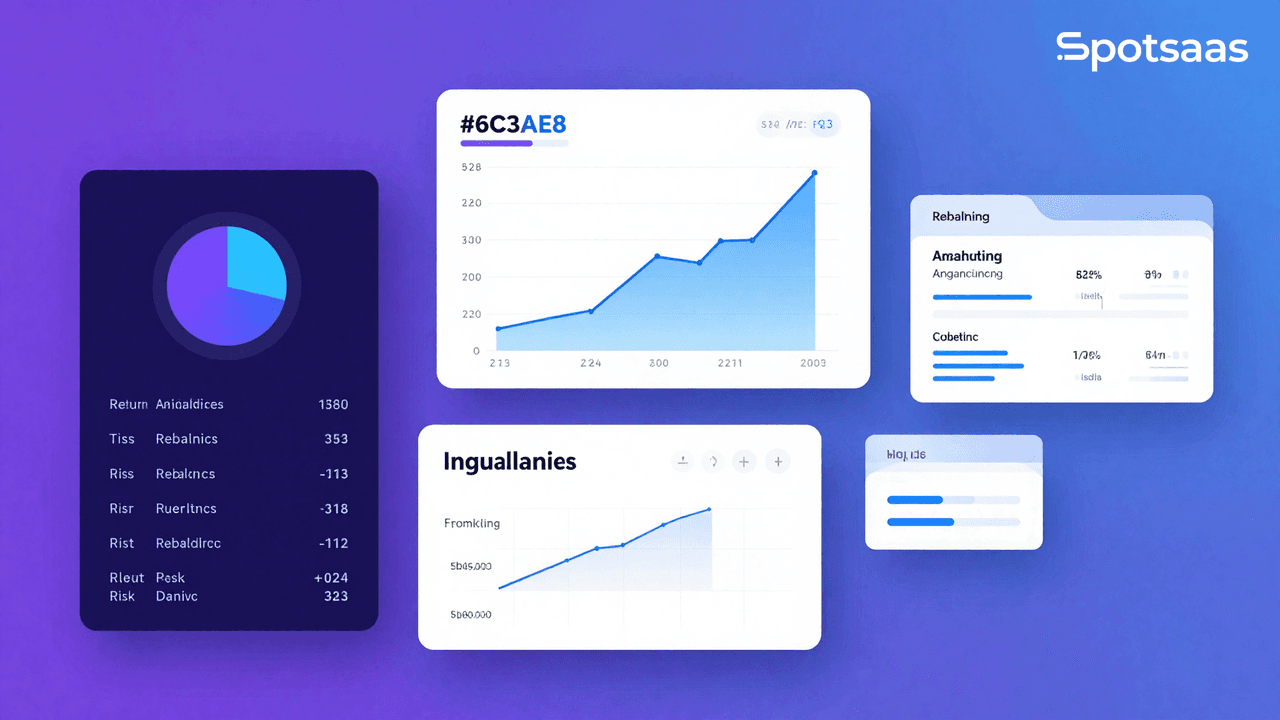
Investment portfolio management software options can look similar from the outside, which makes picking one harder than it should be. This guide walks through what the software actually does, the benefits it offers, and the factors worth weighing before you commit to one, so you are not left guessing which platform actually fits your investments.
Understanding Portfolio Management Software
Portfolio management software is a specialized tool that helps investors and wealth managers track and manage their investment portfolios. It supports the investment process end to end: monitoring market changes in real time, customizing portfolios, and managing risk, all from a single system instead of a patchwork of spreadsheets and separate accounts.
Definition
At its core, this is software for managing investments, tracking holdings like stocks and bonds, and helping both businesses and individuals direct their money more deliberately, rather than relying on memory or scattered records.
It shows users what’s working and what needs to change, and it’s typically available on both desktop and mobile, so a portfolio can be checked from wherever the investor happens to be. Most portfolio management software is also built to follow financial regulations, and it keeps track of the underlying financial data behind every holding.
Features
Investment portfolio management software typically includes a set of core features:
- Tracking options: Follow your stocks, bonds, and other holdings as market conditions shift.
- Market analytics: Make sense of market movement so you can make better-informed decisions.
- Customizable reporting: Choose which details show up in your reports rather than working from a fixed template.
- Risk management: Access tools that help you control the level of risk across your portfolio.
- Managed portfolios: Some platforms can manage your portfolio on your behalf when you would rather not do it yourself.
- Portfolio options: Set up your portfolio in the configuration that fits your needs, rather than a one-size-fits-all structure.
- High-net-worth tools: Some platforms include dedicated tools built for people managing significant cash or assets.
- Investment tracker: Keep all of your investments visible in a single place instead of across multiple accounts.
- Broader asset tracking and management tools round things out, covering the other parts of managing your money beyond just investments.
Benefits of Using Portfolio Management Software
Portfolio management software offers several practical benefits. The biggest is a centralized platform for tracking and managing investments like stocks, bonds, and other assets, instead of spreading that work across separate systems and logins.
That alone saves considerable time and effort compared to tracking everything manually, one account or spreadsheet at a time.
The software also tracks and analyzes performance in real time, so investors can watch how their portfolio is doing and act on current market information rather than outdated numbers.
That makes it easier to adjust a portfolio quickly, whether the goal is improving returns or limiting exposure to risk.
Customization is another advantage. Users can build diversified portfolios suited to their own goals and risk tolerance rather than a generic model.
The software also includes tools for assessing risk levels and applying measures to manage that risk.
Altogether, this gives both new and experienced investors clearer insight into their holdings. Complex financial data gets turned into reports that are actually easy to read, which makes the whole investment decision-making process more transparent for everyone involved.
Streamlined Investment Process
Software tools also help directly with the day-to-day work of investing. They speed up the buying and selling of stocks and bonds, so you are not waiting on someone else to execute a trade on your behalf.
That frees up time for other work. You can pick a company, check its price, and place the trade right away, which keeps the entire process quick and smooth.
Real-time Tracking and Analysis
Real-time tracking and analysis is one of the most useful capabilities this software offers, letting investors easily monitor the performance of their stocks, bonds, and other assets as it happens rather than after the fact.
It also supports analyzing market trends so decisions about a portfolio are based on current, up-to-date data rather than stale numbers, which matters most for advanced investors who rely on constant access to market analytics.
Staying on top of investments this way can help maximize returns over time. Black Diamond Wealth Platform, eFront, and FNZ Group are examples of software that offer these real-time features.
Customizable Portfolios and Risk Management
One further benefit worth calling out on its own is customizable portfolios and risk management, which gives users the flexibility to tailor their holdings to their own goals and risk tolerance instead of a generic, one-size-fits-all setup.
Investors can choose from a range of asset classes, including stocks, bonds, and more, and build a diversified strategy around their own preferences and comfort with risk.
Risk management is the other half of this. The software helps users assess and reduce potential risks, with tools for analyzing market trends, evaluating how a portfolio is performing, and flagging areas of risk.
Keeping a close eye on investments and applying these risk strategies helps investors make decisions that protect what they have built.
Factors to Consider When Choosing Portfolio Management Software
A handful of factors matter most when comparing portfolio management software: how user-friendly the interface is, how well it integrates with the other tools you already rely on, and how it handles security and privacy of your financial information.
User-Friendly Interface
The interface should be easy to navigate for beginners and advanced investors alike. A simple, intuitive layout lets users get to the features they actually need quickly, without wading through confusion or a cluttered menu.
That makes it easier to track holdings like stocks and bonds, read market trends, and adjust a portfolio, whether the person using it is a high-net-worth individual or a retail investor.
Compatibility and Integration
Portfolio management software needs to work with the systems already in place for the investor or money manager, integrating cleanly with other financial tools such as accounting software, trading platforms, and data providers.
That keeps relevant information synchronized and up to date across platforms, which makes day-to-day management noticeably easier. Good integration also cuts down on manual data entry errors by automating processes that would otherwise be done by hand.
Checking compatibility and integration up front avoids workflow headaches down the line and keeps investment management running efficiently.
Security and Privacy
Security and privacy deserve top priority in this decision, since financial data needs real protection against unauthorized access or hacking attempts.
Look for encryption and two-factor authentication at minimum, and read the provider’s privacy policy to understand how they handle and protect your personal information.
Choosing a vendor with a solid reputation for protecting portfolio data matters as much as the features themselves.
How to Choose and Purchase the Best Investment Portfolio Management Software
Choosing and buying the right software comes down to a handful of concrete steps: identify your needs, research and compare your options, test free trials or demos, make the purchase, set the software up, and then make use of customer support and training resources once it is running.
Here is what each of those steps actually involves.
Identify your needs
Start by identifying what you actually need before you look at any specific product. Think about the types of investments you hold, such as stocks or bonds, and how complex or straightforward your overall investment strategy is.
Consider whether you are a beginner or a more advanced investor, and whether customizable portfolios and risk management tools matter to you. Getting clear on these requirements makes it easier to find software that actually fits your goals.
Research and compare software options
Comparing options works best when you follow a consistent process:
| Step | Details |
|---|---|
| Identify Needs and Goals | Determine desired features, such as ease of use, market analytics, customizable reporting, and risk management solutions. |
| Research Software Options | Look for reputable software providers offering investment tracking tools, asset management software, and financial portfolio management solutions. |
| Compare Features and Functionalities | Evaluate user-friendly interfaces, compatibility with other systems or platforms, and security measures. |
| Consider Free Trials or Demos | Take advantage of trial periods to test software functionality and suitability. |
| Purchase and Set Up Software | Select the best option, purchase the software, and follow the provided installation instructions. |
| Utilize Customer Support and Training Resources | Access customer support and training materials for effective software utilization. |
Consider a free trial or demo
Before committing to a specific product, it is worth testing a free trial or demo first. That gives you a chance to see whether the software actually meets your needs before you pay for it.
During the trial, explore the features, judge how easy it is to use, and check whether it lines up with your investment goals. It is also a chance to gauge the customer support and training resources the provider offers.
Combining that research with a hands-on trial gives you a much better basis for deciding which software actually fits your needs.
Purchase and set up the software
Once you have settled on a product, purchasing and setting it up generally follows this path:
| Step | Details |
|---|---|
| Identify Needs | Determine essential features for investment management, such as real-time tracking, customizable reporting, or risk management solutions. |
| Research and Compare Software Options | Explore reputable software providers like Black Diamond Wealth Platform, eFront, FNZ Group, Experian Account & Portfolio Management, Morningstar Advisor Workstation, and eMoney Advisor. Compare features, pricing plans, and user reviews. |
| Consider Free Trial or Demo | Take advantage of free trials or demos to evaluate user-friendliness, compatibility with existing systems, and performance. |
| Purchase and Set Up Software | Once you’ve chosen the right software, proceed with the purchase following the provider’s instructions. Set up the software by following their installation and configuration guidelines carefully. |
| Utilize Customer Support and Training Resources | Contact the software provider’s customer support team for assistance and access training resources to maximize the software’s benefits. |
Utilize customer support and training resources
Once the best investment portfolio management software for your needs is chosen, getting the most out of it means actually using the customer support and training resources available rather than figuring everything out alone.
Most providers offer support services to help with any questions or issues that come up while using their product, so reach out for guidance or troubleshooting rather than working around a problem on your own.
Many also provide tutorials or webinars that help you understand and navigate the software better. Using these resources helps you get real value out of what you are paying for.
Conclusion
Choosing the right investment portfolio management software comes down to weighing your specific needs carefully. Compare features, compatibility, and security across the options you are considering.
Test free trials or demos before you buy, and once you have made a choice, lean on customer support and training resources during setup.
Following this process makes it more likely you will land on software that genuinely simplifies your investment process rather than adding another tool to manage.

- Independent picks for exactly what you just read about
- Matched to your team size & needs
- Vendors don't pay for placement
Step 1 of 4
How big is your team?
We tailor recommendations to companies your size.















Related Articles
Buyers guide
Twilio Alternatives 2026: 6 Compared and What They Cost
Continue reading →
Buyers guide
How To Choose The Best Auto Dialer Software For 2026
Continue reading →
Buyers guide
How To Choose The Best Freelance Platforms For 2026
Continue reading →
Buyers guide
How To Choose The Best Audience Response Software For 2026
Continue reading →