
Thinking about launching your own vending machine business? It’s a venture that’s genuinely easy to get into, with low running costs once it’s set up and no storefront or staff required to keep it going day to day. This seven-step guide covers the whole process: figuring out what to sell, picking a location and machine, getting the right permits, and keeping inventory stocked.
Here’s how a straightforward, mostly automated business can turn into a real, dependable revenue stream if you go about it the right way from the start.
Key Takeaways
- A vending machine business sells items through a device that takes coins or card payments, running without needing a salesperson on hand.
- Building a successful vending machine business starts with market analysis: demographics, trends, competition, and profitability all factor in.
- The key steps are identifying products customers actually want, finding a location with strong foot traffic, choosing machines with features like cashless payment and inventory tracking, getting the necessary permits and licenses, keeping machines maintained and restocked, and regularly reviewing operations to keep improving.
What is a Vending Machine Business?
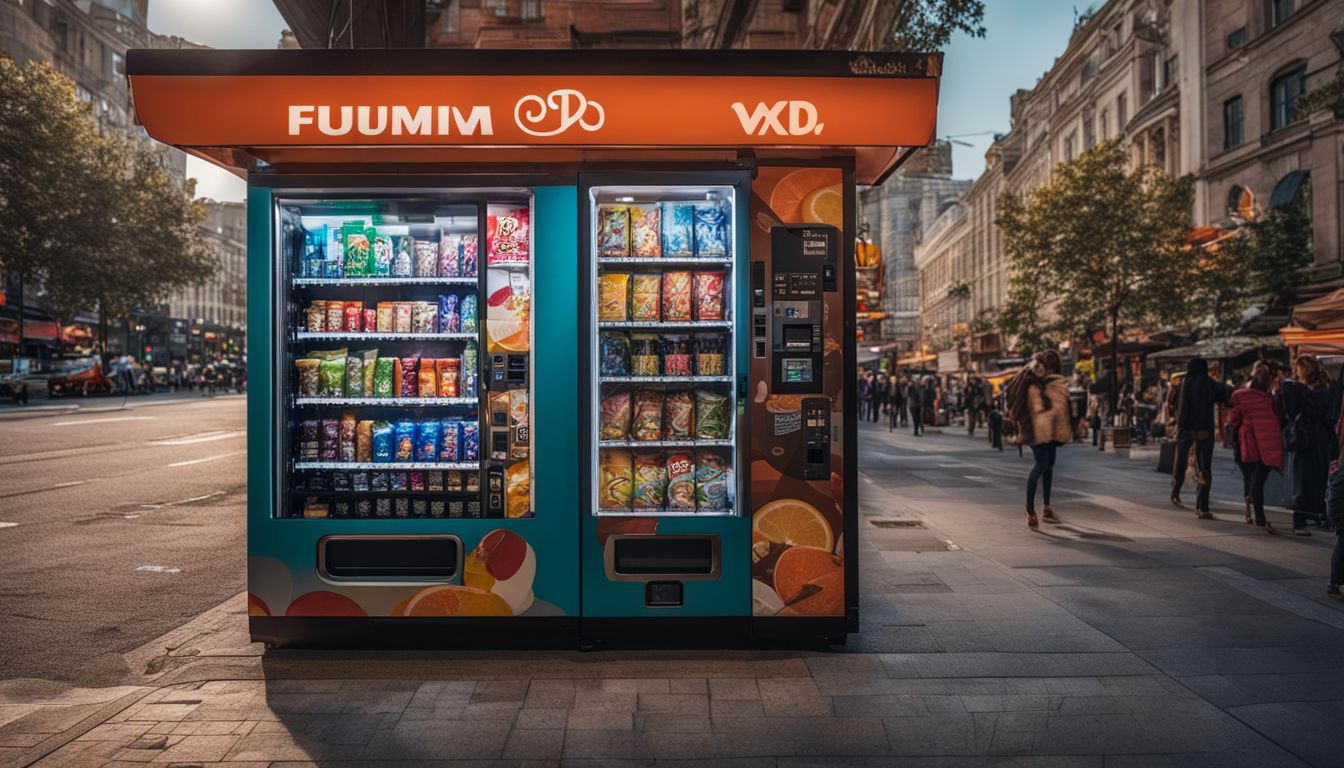
A vending machine business sells goods through a self-service device: customers put in coins or a card to buy snacks, drinks, and similar items. The appeal is that, once it’s set up correctly, it largely runs itself with minimal day-to-day involvement.
Once the machine is properly stocked, there’s no salesperson required to make a sale happen.
That’s a real advantage for anyone looking to start their own venture without a large amount of capital up front. It takes relatively little money to get going, and it can generate income around the clock, even while you’re asleep or working on something else entirely. Smart decisions about what to sell and where to place your machines are what turn that into real, meaningful money while you focus your energy elsewhere.
Market Analysis for Vending Machine Businesses
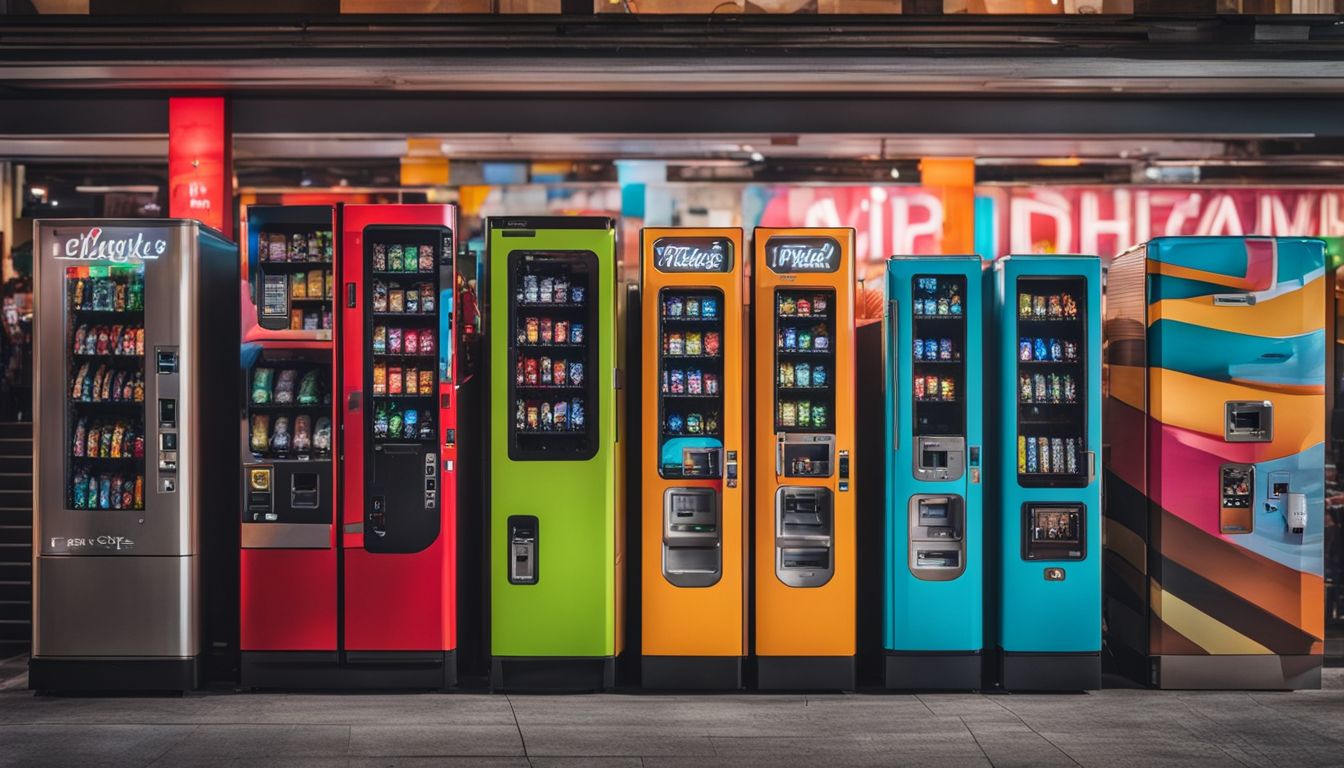
A solid market analysis for vending machine businesses looks at demographics, trends, competition, and profitability, since each of those factors shapes what you sell and where you sell it.
Demographics
Knowing who your potential customers actually are is a crucial part of starting a vending machine business. It tells you what products or services are genuinely in demand at a given location and likely to sell well there.
| Demographic Factors | Description |
|---|---|
| Age | This indicates the age range of your potential customers. Sell products that appeal to this age group. |
| Gender | Knowing the gender of your target audience can influence the type of products you stock in your vending machine. |
| Economic Status | This can help you determine the pricing of your vending machine items. |
| Occupation | Identifying the occupations of potential customers can help you decide on the location and type of vending machine. |
| Location | The geographical area plays a significant role in vending machine business success. Scouting for a suitable location is essential to maximize foot traffic and potential sales. |
Match your vending machine choice and product lineup to what your specific target demographic actually needs and prefers, and the rest of running the business gets noticeably easier from day one.
Trends
The vending machine business has shifted quite a bit in recent years, and it’s worth keeping an eye on where it’s headed. Machines aren’t limited to snacks and drinks anymore; you’ll now find ones stocked with tech items like earbuds or phone chargers.
That shift happened because customers simply want more variety from a vending machine than they used to expect. A card reader or contactless phone payment option has also become close to essential for winning their business at all.
On top of that, a growing number of customers care about sustainability and health, and increasingly expect vending machines to reflect that through “green” packaging or genuinely healthier choices on offer.
Competition
Competition in this business can get fierce in busy locations, so standing out matters more than it might first seem. Check what other vending machines nearby are already offering before you commit to a product lineup of your own.
Look for a niche or a clear point of difference rather than copying what’s already there. That might mean healthier snack options or specialty products built around specific dietary needs. Location matters here too: aim for spots with less direct competition but still plenty of potential customers passing through regularly.
Solid market research combined with a genuine point of difference improves your odds in a crowded field.
Profitability
A few factors drive profitability in this business, and it’s worth understanding each one before you commit real money. Start with product selection: stocking popular, high-demand items increases sales and revenue more reliably than guessing.
Keep an eye on how much those products cost to acquire, too, since that eats directly into your margin. Negotiating better deals with suppliers protects your profit and gives you more room to price competitively.
Then there are the operational costs of running your machines: electricity, maintenance, and restocking supplies. Keeping a close eye on those costs, and trimming them without cutting corners on quality or service, improves profitability over time.
Location deserves a final mention on its own, since it can make or break every other decision you’ve made. Finding the right spots for your machines is critical to the business working at all, so look for areas with heavy foot traffic where people are actually likely to stop and buy something.
Put your machines in the right spots, and you’ll see more customers and better margins as a result.
Steps to Starting a Vending Machine Business
Starting a vending machine business comes down to a handful of key steps: deciding what products to sell, finding a suitable location, choosing the right vending machine, obtaining necessary permits and licenses, keeping the machines maintained and restocked, and continually reviewing operations for maximum profitability.
Identifying what to sell
Deciding what to sell is one of the first real calls you’ll make, and it’s worth not rushing it. It matters because the whole business rests on offering items people actually want to buy from a machine rather than what’s simply easy to source.
Spend time researching what sells well in your target market, and weigh factors like customer preference, current trends, and profit margin. It’s worth looking at what competitors are already selling too.
Getting this call right means your machines carry products people genuinely want, which is what actually drives customers and revenue.
Finding a location
Location is one of the most important decisions when you start a vending machine business. Look for high foot traffic: shopping malls, office buildings, or schools. Busy tech hubs or recreational venues can work well too.
You can rent space from property owners or approach businesses directly to negotiate a placement, but get permission and a signed agreement before setting anything up. A location that genuinely attracts your target customers is what improves your odds of success.
Choosing a vending machine
Picking the right machine is a critical step in itself. Think about what products you plan to sell, who your target market is, and what your budget allows.
Look for machines with features like cashless payment and inventory tracking, since those genuinely streamline day-to-day operations. It’s also worth comparing different machine types, such as snack versus beverage models, to find the one that best fits your business goals.
Durability, energy efficiency, and how easy the machine is to maintain should all factor into the decision. The right machine sets you up for better margins and a smoother experience for customers.
Obtaining necessary permits
Operating legally means getting the right permits and licenses first. Check the state and local laws that apply to vending machine operations before you start.
Those laws vary by location, so make sure you’re complying with whatever applies where you plan to operate, and get any required permits or licenses sorted before launch.
The permit process usually means filling out applications and submitting them to the right government agencies. Exact requirements depend on where you are, but common ones include health department permits, sales tax permits, and zoning permits.
Get the application process right and provide everything that’s asked for. Having the proper permits in place keeps your business operating within legal boundaries, protects you from penalties, and gives customers confidence that they’re dealing with a legitimate, compliant operation.
Maintaining and restocking
Keeping the business running well means staying on top of maintenance and restocking. That means checking inventory levels, watching expiration dates, and keeping the machines clean and in working order.
Stay on top of those tasks and you avoid problems with expired or malfunctioning products, while giving customers service they can rely on. It also helps to build relationships with suppliers who can deliver fresh stock regularly, so your machines are never sitting empty.
Consistent maintenance and restocking is what protects both your profits and your customers’ satisfaction over time.
Reviewing and optimizing operations
Once the business is up and running, regularly reviewing and optimizing operations keeps it healthy. That means checking how each machine is performing, looking at sales data, and spotting where things can improve.
Reviewing operations shows you which products are moving and which ones aren’t, which then informs what you stock going forward.
Optimizing also means making sure machines stay properly maintained and stocked at all times. Restocking inventory as needed, rather than on a fixed schedule, is what keeps customers coming back and revenue steady.
Conclusion
Starting a vending machine business is a genuinely accessible option for anyone looking to run their own venture. Work through the seven steps in this guide and you’ll be set up for a real shot at success.
From researching the market to picking the right machine and stocking it with products people actually want, every step here plays a part in building a profitable, largely automated business.
There’s little standing in the way of getting started on a vending machine business of your own.
FAQs
1. How much money do I need to start a vending machine business?
The amount of money you need to start a vending machine business can vary, but it’s important to budget for the cost of purchasing or leasing machines, stocking inventory, and any necessary permits or licenses.
2. Are there any specific locations that are better for placing vending machines?
Yes, it’s important to choose high-traffic areas with potential customers such as office buildings, schools, shopping centers, or hospitals for better chances of success in your vending machine business.
3. Do I need any special skills or experience to run a vending machine business?
No, you don’t need any special skills or experience to run a vending machine business. Basic management and customer service skills will be helpful in managing inventory and providing good customer experiences.
4. How often should I restock my vending machines?
The frequency of restocking your vending machines depends on factors like location and demand. It’s recommended to keep track of inventory levels regularly and restock when items are running low.
5. What types of products can I sell in my vending machines?
You have flexibility in the types of products you can sell in your vending machines including snacks, beverages (both hot and cold), healthy food options, personal care items, or even electronics depending on your target market preferences and local regulations.
Related Articles
Buyers guide
Twilio Alternatives 2026: 6 Compared and What They Cost
Continue reading →

Finance & Billing Software
Best Payroll Software for Contractors and Freelancers in 2026
Continue reading →

Buyers guide
How To Choose The Best Auto Dialer Software For 2026
Continue reading →

Buyers guide
How To Choose The Best Freelance Platforms For 2026
Continue reading →