


88% of customers say they’re more likely to buy again if they receive great service, according to Salesforce Research. Zendesk reported after more than one bad experience, around 73% of consumers say they would rather do business with a competitor. This shows how important it is to keep your customers happy. Let’s discover effective ways to keep your clients happy and build strong brand loyalty.
What is Customer Happiness?
Customer happiness is how satisfied and emotionally positive customers feel about a company’s products, services, and overall experience. It goes beyond simply meeting expectations — it’s about creating positive experiences that make customers feel genuinely valued. That’s what turns a one-time customer into a loyal, long-term one.
Where customer satisfaction simply means your product or service meets a customer’s needs, customer happiness is when customers feel genuinely pleased and appreciated.

Why is Customer Happiness Important?
Customer happiness matters for a few key reasons:
- Brand loyalty: Happy customers tend to stick with your brand. They’re not just pleased with what you offer — they’ve formed a personal bond that keeps bringing them back. This leads to stronger customer retention and higher customer lifetime value (CLV).
- Word-of-mouth marketing: Satisfied customers often tell friends and family, and share their positive experiences on social media. This natural promotion draws in potential customers and builds up your brand’s standing.
- Increased revenue: Happy customers tend to buy again and are less bothered by price shifts. This results in steadier income and bigger profits.
- Competitive advantage: Brands that focus on customer happiness often have a real edge over those that only meet basic satisfaction levels and stop there.
How to Measure Customer Happiness
Customer happiness is key for any business aiming to build strong ties. Here’s a look at some ways to measure customer happiness:
Customer feedback
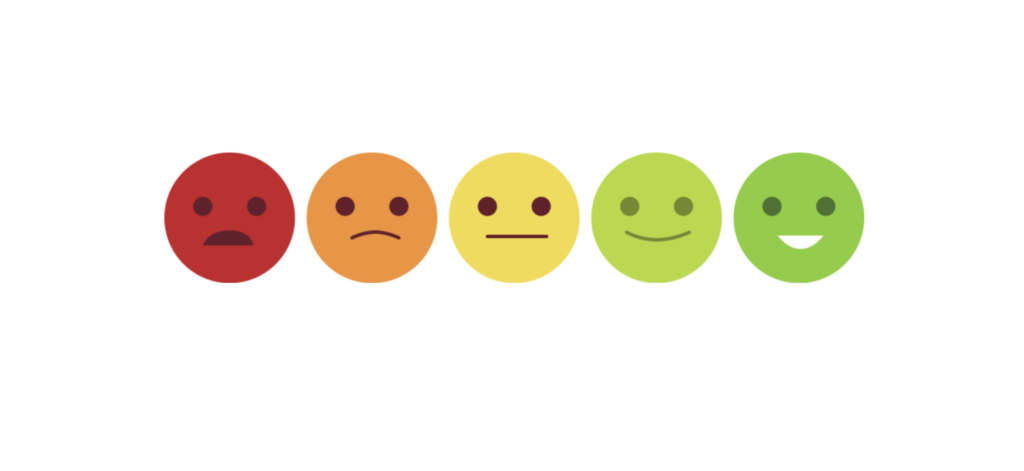
Surveys are a great way to get feedback from customers. Conduct simple customer satisfaction surveys with rating scales. You can include some open-ended questions to find out their experience. The Net Promoter Score (NPS) is a common tool that asks customers how likely they are to recommend your brand to others.
Encourage your customers to leave reviews and share their experiences. Online review sites like Google give you useful insights into how satisfied and happy your customers are. Regularly check and analyze customer feedback to identify common issues and areas for improvement.
Customer relationship management tools
Customer relationship management (CRM) systems help businesses track customer interactions. Purchase history, service requests, communication patterns, etc. These help you see where customers are most satisfied or improvements are needed. CRM tools also allow you to group customers based on their behavior and preferences.
Behavioral analytics
Analyze customer behavior on your website, app, or through other digital touchpoints. Behavioral analytics can show how customers interact with your products and services, identify their pain points, and discover ways to improve their experience. Metrics like page views, click-through rates, and time spent on important pages offer useful insights into how customers move through their journey and how satisfied they are.
Social media listening
Monitor social media platforms for mentions of your brand. Social media listening tools can help you track both positive and negative comments, reviews, and discussions. Positive reviews show that customers are happy, while negative feedback can point out areas needing improvement. Responding to customer concerns quickly on social media can also improve their overall experience.
Customer retention metrics
Track customer retention metrics like churn rates and repeat purchase rates. High retention rates and frequent repeat purchases usually indicate that customers are happy and loyal. A high customer churn rate might point to problems with customer satisfaction that need attention.
8 Good Ways to Make Customers Happy
When customers feel valued and satisfied, they are more likely to return, recommend your brand to others, and stay loyal over time. Happy customers also help create a positive brand image and can significantly impact your business’s growth. Below are 8 practical ways to make a customer happy:
Customer Support: Secret to Making People Happy
Delivering excellent customer service is one of the best ways to make them happy. This means not just solving their queries but going beyond their expectations.
When a customer contacts your customer support team with a complaint, don’t just fix their problem, do something extra. If your customer receives a damaged product, send an alternative one and a small gift or a coupon for their next purchase. This shows customers that you really care about their experience, which can turn a negative experience into a positive one.
A resource center brings together all your support options in one place. This makes it easy for users to find the help they need. This could include links to your knowledge base, contact information for support, video tutorials, and community forums. Also, providing multiple communication channels like phone, email, live chat, and social media makes it easier for customers to contact you. Today, AI chatbots are widely used to provide 24/7 support to users, answering common questions and guiding them through simple tasks.
Also, regularly collect feedback about their customer service experience. This could be done through surveys, follow-up emails, or feedback forms. After resolving a support ticket, you can ask them to rate their experience and provide suggestions. This helps your customer service team continually improve.
Check more Best Help Desk Software in 2024
Create a Personalized Experience
Everyone wants to be recognized and valued. Call them by their names, remember their preferences, etc. Create a personalized experience!
Try to take note of a regular customer’s favorite drink and prepare it as soon as they walk in. Just one simple thing can make your customers feel valued and keep them coming back, contributing to customer success.
Always Listen to Your Customers
Make your customers feel heard!
Actively listening to your customers is vital for understanding their needs and concerns. When customers feel heard, they are more likely to be satisfied and loyal, strengthening customer loyalty. Respond to their feedback and address any issues promptly.
Let customers share their opinions and feedback which makes them feel heard and valued. Encourage reviews, testimonials, and suggestions, and make it easy for customers to provide feedback on your products or services.
Be Transparent and Honest
Being honest is like laying down the first brick for trust. Show them you value their trust by being all clear and straight-up with them. Make sure they know straight what your stuff can do and what it can’t – no point in promising what you can’t deliver.
Being straight is a solid move. It keeps customers back to your business because they know they got your word. It isn’t just about building trust; it’s also about beefing up that bond with your customers making them feel like they matter, like they’re important.
Reward Loyalty
Loyal customers are the backbone of any business. They keep coming back, and in return, show them that you appreciate their brand loyalty. You can start a loyalty program where customers earn points for every product they buy. This made customers feel valued and encouraged them to tell friends and family about your product, growing the customer base organically.
Continuously Improve Your Products/Services
No matter how good your product or service is, there’s always room for improvement. Customers appreciate businesses that strive to evolve and better meet their needs.
Customers are your best source of insight. They interact with your product or service daily and can provide valuable feedback on what works and what doesn’t. Regularly collect this feedback through surveys, reviews, and direct conversations.
Also, tracking market trends helps you stay ahead of the competition and understand shifting customer preferences. Trends in technology, design, and functionality can provide clues on how to enhance your product or service.
Create a Community
Customers who feel like part of a community are more likely to stay loyal to your brand. It’s like joining a club where everyone shares common interests. If you sell eco-friendly products, create an online community where customers can share tips about sustainable lifestyles. You can host monthly challenges like reducing plastic use and encourage customers to share their progress. This sense of community kept customers engaged and made them proud to be associated with the brand.
Wow Your Customers
Everybody loves a neat surprise, right? Tiny surprises you don’t see coming can change what people think about your brand. Picture this: you just got to a hotel, thinking you’ll head to a regular room, but boom! They give you a free upgrade to a way fancier suite. That’s a sweet shock that makes everything feel a lot cooler!
We’re all about emails and texts these days, so getting something like a thank-you note written by hand can catch someone off guard, in a good way. It shows that you’re thinking about your customers as real people, and that’s just the best.
Measure and Track Your Metrics
It’s important to measure and track customer satisfaction and happiness regularly. Use tools like surveys, CRM systems, and social media listening. Analyzing this data helps you identify what’s working and where you need to make changes.

5 Secret Tools to Keep Customer Happiness
Customer happiness isn’t just a trendy phrase — it plays a central role in whether a business succeeds or fails. Keeping your customers happy takes more than a friendly demeanor; you need the right tools to get the job done.
CRM Software
Customer relationship management (CRM) tools help businesses manage and analyze customer interactions throughout the customer lifecycle. This software brings customer data together in one place, tracks customer interactions over time, and automates marketing and sales efforts, allowing companies to communicate in a more personal way and respond faster. By understanding customer preferences and behavior, companies can shape experiences tailored to each individual customer, which leads to happier customers who are more likely to stick around for the long haul.
Check now Best CRM Tools of 2024
Customer Feedback and Survey Tools
These platforms let companies gather and examine customer feedback. Feedback tools help businesses understand customer views, likes, and issues by building surveys, polls, and feedback forms. When companies act on this information, they can improve their products and services, address customer concerns directly, and build stronger, more trusting relationships with customers over time.
SurveyMonkey is a widely used platform that offers customizable surveys with a range of question types, logic branching, and templates. It provides advanced analytics for real-time data analysis, custom reporting, and AI-powered insights to spot patterns and trends.
Qualtrics is an enterprise-level tool that provides advanced survey logic, including branching, randomization, and piping to build highly targeted surveys. It offers sentiment analysis through natural language processing (NLP) to understand open-text feedback and provides real-time dashboards for instant insights. The platform supports multi-channel distribution and maintains strong security and compliance for businesses.
Help Desk Software
The best help desk platforms offer a central hub to manage customer inquiries, complaints, and support tickets. These systems simplify customer support tasks and help ensure timely responses and resolutions. Features like instant messaging, ticket tracking, and automatic responses help solve problems faster, resulting in more satisfied customers who feel appreciated and supported.
Explore the Best Help Desk Software in 2024
Loyalty and Rewards Programs
Loyalty program systems help businesses build customer loyalty by offering rewards for repeat purchases and engagement. These tools create and manage systems based on points, discounts, and exclusive rewards for customers, which raises customer retention and satisfaction. A well-run loyalty program can make customers feel valued and motivated to keep their relationship with the brand.
Customer Engagement Software
These tools are built to engage customers, letting businesses talk to clients in real time through chatbots, live chat, and messaging apps. Customer engagement software helps give each customer a personal touch and quick help. These platforms also reach out to clients proactively, sending messages or offers at the right time, which keeps customers in the loop and interested as they use the product or service.
Customer Support & Customer Happiness Quotes
“Get closer than ever to your customers. So close, in fact, that you tell them what they need well before they realize it themselves.” (Steve Jobs)
“Your most unhappy customers are your greatest source of learning.” (Bill Gates)
“Customer experience is the next competitive battleground. It’s where business is going to be won or lost.” (Tom Knighton)
“It is not your customer’s job to remember you. It is your obligation and responsibility to make sure they don’t have a chance to forget you.” (Patricia Fripp)
“It takes months to find a customer… seconds to lose one.” (Vince Lombardi)
“Just having satisfied customers isn’t good enough anymore. If you really want a booming business, you have to create raving fans.” (Ken Blanchard)
“Our greatest asset is the customer! Treat each customer as if they are the only one!” (Laurice Leitao)
“The best way to acquire new customers is to make your current customers excited and happy about your products.” (Mikkel Svane)
Conclusion
Creating brand loyalty isn’t just about meeting customer expectations; it’s about giving them positive experiences throughout their entire customer journey that make them want to return. Remember, happy customers are the key to a successful and lasting business.
Frequently Asked Questions
What is the difference between customer satisfaction and customer happiness?
While customer satisfaction is that your product/service meets their needs, customer happiness is when customers feel genuinely pleased and valued.
Why is customer happiness important for a business?
Customer happiness leads to brand loyalty, word-of-mouth marketing, increased revenue, and a competitive advantage. Happy customers are more likely to return, recommend your brand, and stay loyal.
How can businesses measure customer happiness?
Businesses can measure customer happiness through surveys, customer feedback, CRM tools, behavioral analytics, and social media listening.

- Independent picks for exactly what you just read about
- Matched to your team size & needs
- Vendors don't pay for placement
Step 1 of 4
How big is your team?
We tailor recommendations to companies your size.















Related Articles

CRM Software
Best Real Estate CRM Software in 2026: Compared for Agents and Brokers
Continue reading →
CRM Software
CRM Software Pricing Guide 2026: What You Should Expect to Pay
Continue reading →

CRM Software
Best CRM Alternatives in 2026: Top Picks for Every Budget and Use Case
Continue reading →

Best Tools
Best CRM Software in 2026: How to Choose the Right CRM Tools to Drive Business Growth
Continue reading →