
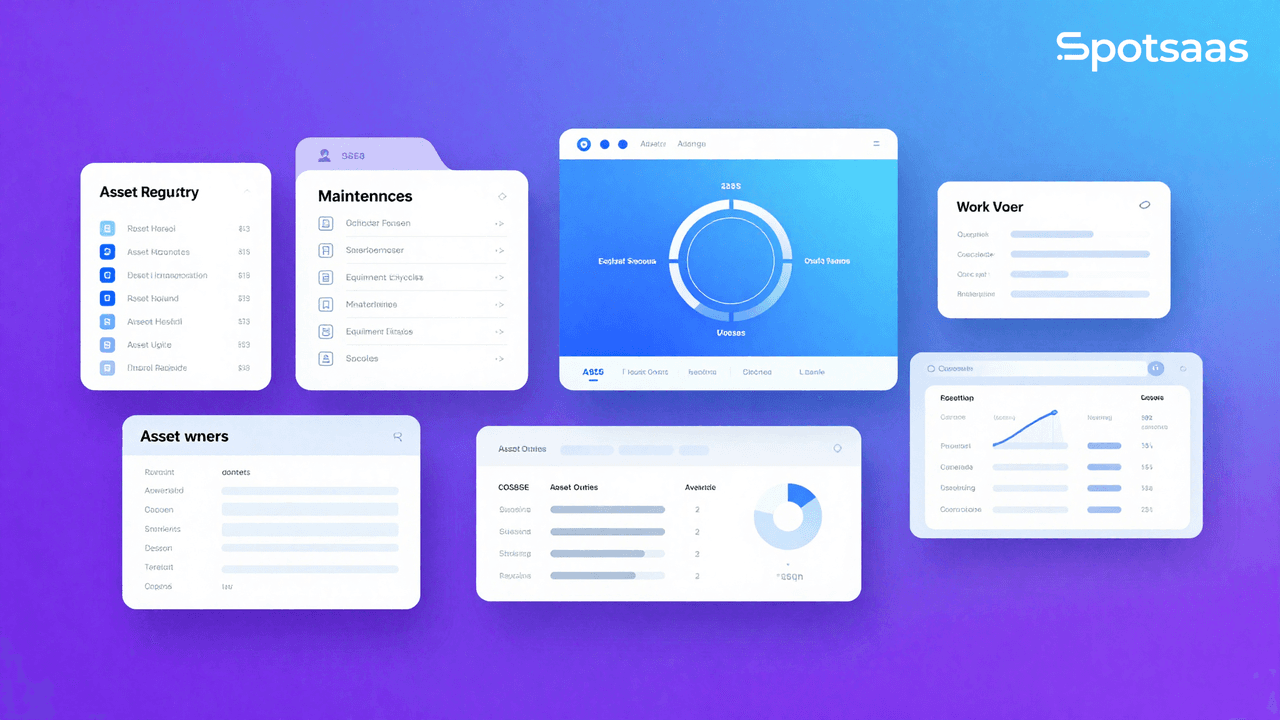
Picking the right enterprise asset management (EAM) software isn’t simple, given how many options and feature sets are out there competing for your attention. Reports show that the right EAM system can deliver over 350% ROI, which is reason enough to slow down and get this choice right rather than rushing it.
This article walks through what EAM software actually does, which features matter most, and a step-by-step process for making your final selection.
Understanding Enterprise Asset Management Software
Enterprise Asset Management (EAM) software helps organizations manage their assets across the full lifecycle, from the day they’re acquired to the day they’re retired. It goes further than a traditional maintenance management system by taking a broader view of asset management, covering everything from acquisition through to disposal rather than just the upkeep in between.
EAM software tracks and analyzes an organization’s physical assets, things like equipment, machinery, vehicles, and facilities, keeping tabs on where they are and how they’re being used. It gives businesses a centralized database of all their assets, which supports more efficient planning, scheduling, and maintenance work across the board.
Computerized Maintenance Management Systems (CMMS) focus mainly on the maintenance side of asset management, which is where a lot of confusion between the two categories starts. EAM software, by contrast, accounts for an asset’s entire lifecycle from start to finish.
That includes procurement, inventory management, predictive maintenance tools, and financial tracking, all under one roof instead of scattered across separate systems.
EAM matters more as businesses grow and their asset base gets more complex to manage by hand. Managed well, it leads to higher operational efficiency, lower downtime costs, better regulatory compliance, and sharper decision-making built on real data analysis and forecasting, rather than guesswork about what needs attention next.
Definition and purpose
Enterprise Asset Management Software, or EAM, is a tool built specifically to help businesses manage their assets without the guesswork that comes with spreadsheets and manual tracking. Those assets can be physical, like buildings and equipment, or digital, like data files and software licenses.
EAM software lets a company track an asset’s full life cycle from start to finish: buying it, using it, maintaining it, and eventually retiring it once it’s no longer needed.
Handled this way, companies save time and money by putting their resources to better use instead of letting assets sit idle or go untracked. At its core, EAM software exists to keep all of that running smoothly, without gaps or unpleasant surprises down the line.
Differences between EAM and CMMS
EAM and CMMS are two distinct kinds of software used in asset management, and people often use the terms loosely as if they were interchangeable. They overlap in places, but their core functions and benefits differ in ways worth understanding before you pick one.
| EAM (Enterprise Asset Management) | CMMS (Computerized Maintenance Management Systems) | |
|---|---|---|
| Definition | EAM is a system that helps businesses manage their physical assets throughout their lifecycle. | CMMS is a software system that helps businesses manage the maintenance of their equipment and other assets. |
| Primary purpose | EAM focuses on the full lifecycle of assets including acquisition, maintenance, and disposal. It is scalable and ideal for global-sized operations, such as ManageEngine Asset Explorer which even boasts a potential ROI over 350%. | CMMS’s primary focus is on scheduling, tracking, and recording maintenance activities. |
| Features | EAM software offers extensive features for tracking compliance metrics and getting real-time updates on performance. Some of the best EAM software options, as recommended by Forbes Advisor Small Business, include Asset Panda and ManageEngine AssetExplorer. | CMMS, on the other hand, mainly provides features related to work order management, preventive maintenance scheduling, and inventory management. |
| Benefits | EAM software helps businesses avoid issues and inefficiencies related to asset management and provides a comprehensive view of asset health. | CMMS software helps in reducing equipment downtime, improving labor efficiency, and ensuring regulatory compliance. |
Which one makes sense for you comes down to your business’s own needs and goals, not what’s most popular. If you’re managing a large number of assets spread across different locations, EAM is likely the better fit. If maintenance is your primary concern and your asset footprint is simpler, a CMMS system may serve you better.
Importance of EAM
EAM plays a direct role in a firm’s success, more so than many businesses realize until they’ve felt the cost of not having it. It gives firms control and visibility over their assets, which helps head off the kinds of problems that come from poor asset management. With EAM in place, firms get real-time updates on how their assets are actually performing, rather than finding out after something breaks down.
It also makes life easier for businesses across different sectors, letting them purchase, manage, and analyze their physical assets without nearly as much friction as manual processes create. Put simply, EAM raises profit while cutting waste and downtime across the organization.
Who uses EAM Software?
EAM software gets used by businesses across a wide range of industries to manage and get more value out of their physical assets, including organizations in manufacturing, energy, transportation, healthcare, and quite a few other sectors beyond those.
It helps companies track and maintain assets across their entire lifecycle, from acquisition to disposal, and gives maintenance teams a practical way to schedule preventive maintenance, manage work orders, and track equipment downtime as it happens.
EAM software also supplies real-time data analytics to support better decisions about asset performance and compliance. Used well, it helps businesses streamline operations, cut costs, improve asset uptime, and stay compliant with regulations.
Key Features to Look for in Enterprise Asset Management Software
When you’re evaluating EAM software, it’s worth looking for features that actually match your organization’s needs and goals, ranging from basic functionality like asset tracking and maintenance management to more advanced capabilities like system integration and data analytics.
Here’s a closer look at what to check for at each level.
Basic features and functionality
EAM software helps businesses manage and analyze their physical assets effectively. Here are the basic features worth checking for when comparing EAM software:
- Asset tracking: the software should let you track assets across their whole lifecycle, from acquisition to disposal, so you always have current information on location, condition, and maintenance history.
- Maintenance management: look for a system with solid maintenance management capabilities, including scheduling preventive maintenance, tracking work orders, and managing service requests.
- Integration capabilities: check whether the software connects with other systems like ERP or CRM platforms, since that connection lets data move between departments and raises overall efficiency.
- Data analytics: pick a solution with solid analytics and reporting features, so you can see asset performance trends and make decisions based on data rather than guesswork.
- Scalability: make sure the software can handle your organization’s growing needs in asset volume and complexity, and can scale as your business expands without a drop in performance.
- User interface: a user-friendly interface matters for getting the software adopted across your organization; look for intuitive navigation, customizable dashboards, and mobile access.
Advanced features and functionality
Beyond the basics, EAM software also offers a range of more advanced features that can sharpen your asset management process. Here’s what to look for:
- Real-time data analytics: current information on the performance and health of your assets, so you can make informed decisions and adjust maintenance strategy accordingly.
- Integration capabilities: the EAM software should connect cleanly with other systems and databases in your organization, such as ERP or CRM, so data sharing and workflows stay efficient.
- Mobile accessibility: look for a mobile app or a responsive interface that lets users check asset information and complete tasks from a phone or tablet, wherever they are.
- Predictive maintenance: more advanced EAM tools use predictive analytics to flag potential equipment failures before they happen, cutting costly downtime and improving asset reliability overall.
- Internet of Things (IoT) integration: EAM software with IoT support lets you connect sensors and devices to monitor asset performance in real time, enabling maintenance based on actual usage data rather than fixed schedules.
- Scalability: check whether the software can handle your organization’s growth and a rising number of assets without hurting performance or the user experience.
- User-friendly interface: intuitive interfaces mean employees at every level can adapt to the system quickly, without extensive training.
- Document management: a strong EAM solution should offer solid document management, storing manuals, warranties, inspection reports, and compliance certificates alongside each asset’s record.
- Work order management: the software should streamline creating, scheduling, assigning, and tracking work orders, which improves productivity and keeps maintenance tasks on schedule.
- Customizable reporting: being able to generate custom reports matters for tracking asset performance over time, spotting trends, monitoring KPIs, and meeting compliance requirements.
Upcoming trends
A few trends in enterprise asset management software are worth watching. Expect deeper integration with other business systems, such as ERP and CRM, going forward.
That kind of integration supports smoother data exchange and better collaboration across departments. Data analytics within asset management software is also getting more emphasis.
Businesses can expect more access to real-time insight and predictive analytics to support better decisions about their assets. Cloud-based solutions will also keep gaining ground, offering the scalability and flexibility that businesses of any size can use.
How to Choose the Best Enterprise Asset Management Software
Choosing the right EAM software starts with pinning down your specific needs and goals. From there, weigh implementation and pricing, and take a close look at vendor reputation and customer reviews.
Work through these three areas carefully and you’ll land on the right EAM software for your business.
Identify your needs and goals
Choosing the best EAM software starts with a clear picture of your own needs and goals. Here’s what’s worth thinking through:
- The size of your organization and the number of assets you need to manage, so you can find software built to handle your actual scale.
- The types of assets you need to track and manage, since different software may specialize in certain asset types, like IT equipment or machinery.
- The specific functionality you actually need, whether that’s maintenance scheduling, inventory management, or compliance tracking.
- Scalability: will the software grow with your organization as your asset management needs increase over time?
- Ease of use and the quality of the user interface, since it should be intuitive and user-friendly for everyone across your organization.
- Integration capabilities with the other systems or tools you already use, which keeps data sharing smooth and boosts efficiency.
- Pricing options measured against your actual budget, looking for good value without cutting corners on quality.
- Customer reviews and ratings, which can surface real experiences from others who’ve already used the software and inform your decision.
Consider implementation and pricing
Implementation and pricing both deserve close attention when picking EAM software. Start by assessing how easy the software actually is to bring into your existing systems and processes.
Look for a solution that integrates cleanly with minimal disruption to your operations. On pricing, compare options by cost structure, whether that’s upfront fees, subscription plans, or per-user pricing.
Weigh your budget against the long-term ROI potential before deciding. It’s also worth requesting demos or trials so you get hands-on time with the software before committing to a purchase.
Evaluate vendor reputation and customer reviews
Checking vendor reputation and reading customer reviews is another important part of choosing EAM software. Doing so gives you a window into how other companies have actually experienced the software.
Look for vendors with a solid industry reputation and positive customer feedback, which is a reasonable signal that they’re reliable and deliver on quality.
Customer reviews can also surface issues or limitations with the software that you’d otherwise miss, helping you make a more informed call on which option fits your organization.
Conclusion: Next Steps for Finding the Perfect EAM Software
To choose the best enterprise asset management software, work through these steps:
- Understand what you need: identify your organization’s needs and goals for asset management.
- Consider implementation and pricing: look for software that’s straightforward to implement and fits within your budget.
- Evaluate vendor reputation and customer reviews: read what other businesses using the software have to say, to confirm it’s reliable and meets expectations.
Work through these steps, and you’ll land on the enterprise asset management software that actually fits your organization.

- Independent picks for exactly what you just read about
- Matched to your team size & needs
- Vendors don't pay for placement
Step 1 of 4
How big is your team?
We tailor recommendations to companies your size.







Related Articles
Buyers guide
Twilio Alternatives 2026: 6 Compared and What They Cost
Continue reading →

Buyers guide
How To Choose The Best Auto Dialer Software For 2026
Continue reading →

Buyers guide
How To Choose The Best Freelance Platforms For 2026
Continue reading →

Buyers guide
How To Choose The Best Audience Response Software For 2026
Continue reading →