
Email newsletters are a core part of most marketing programs, yet plenty of businesses struggle to get subscribers to engage. Studies show that 60% of consumers prefer to receive updates by email rather than through other channels.
This post covers five simple, efficient tricks to improve your email newsletter strategy and raise audience engagement. Each one is easy to apply, whether you send weekly updates or occasional announcements, and together they give your newsletter campaigns a real lift. The goal is not more sending, but more relevance in every message you send.
Key Takeaways
- Ask inactive customers for feedback so you understand their needs and preferences, then adjust your email newsletter strategy accordingly.
- Segment your email list so you can send targeted content that stays relevant to each group and earns more engagement.
- Write quality content that delivers value and speaks to the problems your audience cares about.
- Make your emails pleasant to read, with clear designs and images that match your brand.
Key Strategies to Enhance Email Newsletter Engagement
Ask inactive customers for feedback to understand their needs and preferences, then use what you learn to shape your newsletter. Segmenting your email list lets you send targeted content to specific groups, which keeps each newsletter relevant and worth opening.
Quality content that solves a real problem gives readers a reason to interact with your emails and encourages them to open the next one. Design matters too: use clear layouts and images that match your brand identity so the newsletter looks like it belongs to you and feels familiar in a crowded inbox.
Personalize your newsletters so each subscriber feels the message was written for them and reflects their individual interests and needs.
Check out a few Email marketing software for your needs.
Get feedback from inactive customers
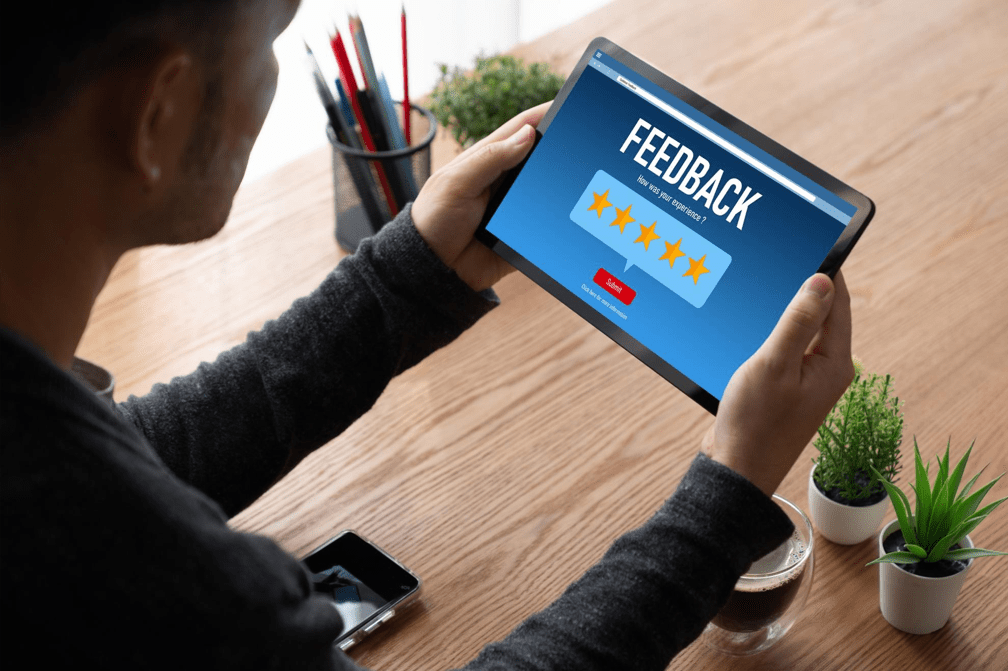
Reaching out to inactive customers for feedback works well. It helps you understand why they stopped opening your newsletter. Send a short personalized email asking what you could improve or change to win back their interest.
Dormant subscribers often point out gaps you would otherwise miss, from confusing layouts to subject topics that no longer fit their current needs. Asking also shows that you value their input and are willing to make changes based on what they tell you, which is a message that itself rebuilds goodwill.
The exchange can even prompt some dormant customers to become active again simply because you reached out, which raises overall engagement with your newsletter strategy and recovers subscribers you might otherwise have lost.
Segment your email list
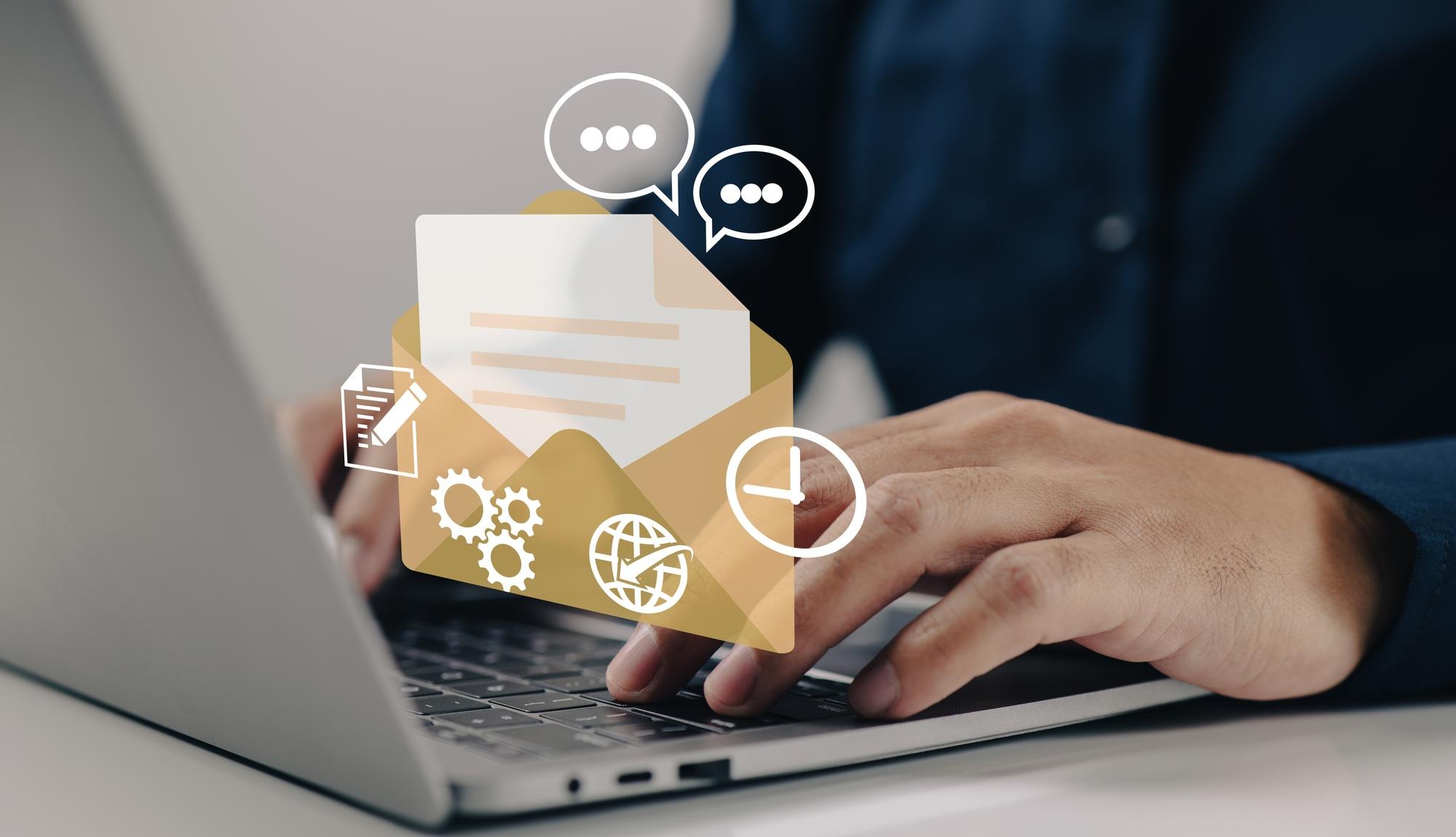
Segmenting your email list is one of the most effective ways to raise engagement. When you divide subscribers by interests, demographics, and behavior, you can match your content to what each group actually wants.
A targeted message lands better than a generic blast. You might send a promotion to loyal customers or recommend content based on someone’s past interactions, and each part of your subscriber base gets a message that fits. That builds stronger connections across every segment.
So set aside time to analyze and categorize your email list. The extra effort pays off in better engagement results, and once the segments are in place you can reuse them for every future campaign.
Create quality content
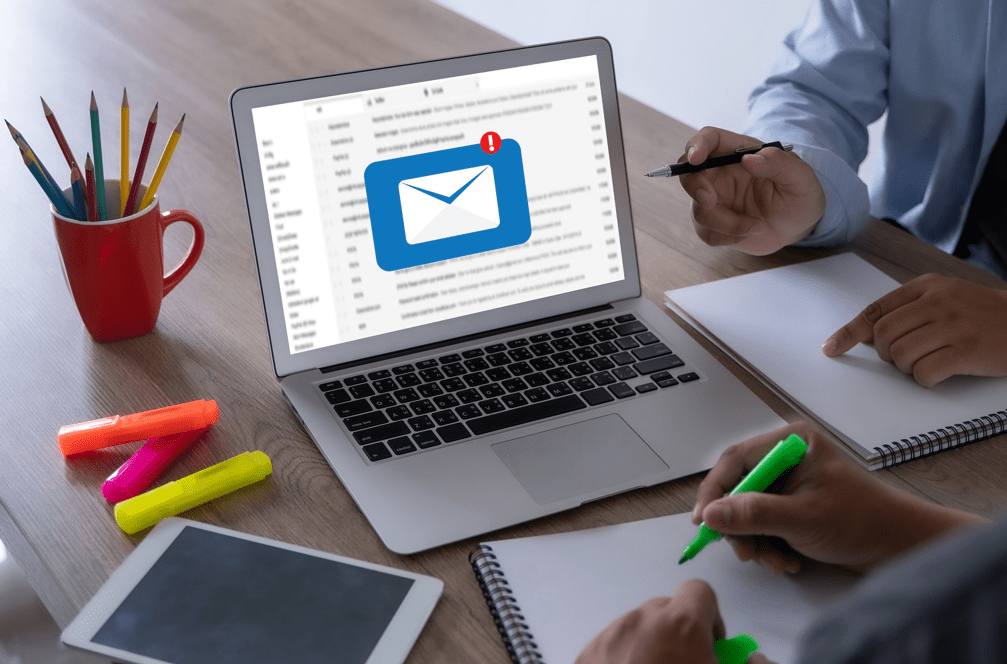
Good content is what keeps subscribers reading. Deliver information that is useful and relevant, and readers will come back for the next issue.
Write clear headlines and keep the copy concise so people grasp the main points quickly without wading through long blocks of text. Add visuals such as images or videos to break up the text and make the newsletter easier to read, especially for subscribers skimming on a small screen.
When you focus on quality content, reader engagement rises and you build a loyal subscriber base that sticks around and looks forward to hearing from you.
Make your emails visually appealing
Design decides whether a reader stays or deletes. A well-laid-out email gives your subscribers a better experience and holds their attention.
Use colors, images, and fonts that match your brand for a strong visual impact. Keep paragraphs short and use bullet points or numbered lists so the email is easy to read.
Give the layout room to breathe with plenty of whitespace, so it looks clean and organized. Check that it reads well on phones too, since many people open email on a smartphone.
Shout to a brand new software launch automating newsletter delivery – Meet: Speedy Newsletters
Craft personalized newsletters
Personalized newsletters are a strong way to build engagement. When you tailor content to the individual, subscribers feel valued and the connection grows.
Start by segmenting your email list by demographics or past purchase behavior so the content fits each group. Use personalization tokens, such as the reader’s first name, throughout the newsletter to add another layer of customization.
You can also add dynamic content that changes based on a subscriber’s preferences or browsing history, so the same send shows different products or articles to different readers. Emails that match what someone cares about are more relevant and compelling, which leads to higher open rates and click-through rates.
Boosting Engagement through Interactive Elements
Add interactive elements such as polls, surveys, graphics, videos, and gamification features to raise engagement in your email newsletters.
Utilizing polls and surveys
Polls and surveys pull readers into the conversation. Interactive elements like these invite subscribers to take part rather than just read, which raises engagement.
Ask them for feedback on their preferences, opinions, or experiences with your products or services. You gather useful insight, and subscribers feel heard and valued at the same time.
Adding polls and surveys to your newsletter creates more chances for engagement and a stronger connection with your audience, and the responses give you data you can act on in the next issue.
Including interactive graphics and videos
Interactive graphics and videos are a strong way to raise engagement. Visual elements catch a subscriber’s eye and make your emails more compelling.
Graphics such as infographics or charts present information in a format that is quick to absorb. Video works well too; it lets you tell a story or show a product in action in a dynamic way.
These elements make emails better to look at and give subscribers something to interact with rather than passively scan, which improves their overall experience of your newsletter and keeps them reading longer.
Implementing gamification elements
Gamification can raise both engagement and interaction with your newsletters. Adding games, quizzes, or challenges brings a sense of fun and excitement to your emails.
That encourages readers to open and read, and it raises the chance they click through to your website. Gamification also gives you a way to reward subscribers and build a closer tie to your brand.
These features work especially well with younger audiences, who value interactivity and hands-on content. Whether it is a simple game or a virtual challenge, implementing gamification elements in your newsletter is a solid way to raise engagement and drive better results.
Optimizing Subject Lines and Pre-Header Text
Strong subject lines and well-written preview text raise open rates and capture your audience’s attention from the very first glance in the inbox.
Writing irresistible subject lines
Attention-grabbing subject lines are key to better email engagement. Compelling language and a sense of urgency give your audience a reason to open your newsletters.
Add relevant keywords and personalize the line to the recipient’s interests. A/B testing different subject lines shows which ones your audience responds to, which improves open rates and click-through rates.
Well-written subject lines raise the odds that your emails get opened and read by subscribers, which lifts your engagement numbers and, over time, keeps you out of the ignored-sender pile.
Optimizing the preview text for increased open rates
Preview text is a practical lever for higher open rates. It is the snippet that appears alongside the subject line in an inbox, giving recipients a glimpse of what the email contains.
Keep it concise and compelling, with wording that makes readers want to open the email. Skip generic phrases and point to the value or benefit they gain by reading further.
A sharp preview line, read together with the subject line, can noticeably lift your open rates and bring more engagement to your emails, since it is often the last thing a recipient sees before deciding whether to open.
Testing and Analyzing Performance
Run A/B tests, review engagement metrics, and use the data to make improvements and refine your email newsletter strategy.
Conducting A/B testing
A/B testing is a key step in improving your email newsletter strategy. Comparing two versions of an email shows which elements your audience prefers and where engagement rates improve.
Test variables such as subject lines, email content, visuals, and calls to action to see what drives higher open rates and click-throughs. Read the results to learn what works for your subscribers and make data-driven decisions about your campaigns.
With A/B testing you can keep experimenting and iterating on your strategies, improving engagement over time for better customer interaction, and each test removes a bit of guesswork from your next campaign.
Analyzing engagement metrics
Reviewing engagement metrics tells you how well your email newsletter strategy is working. Open rates, click-through rates, and conversion rates show how engaged your audience is with your emails.
This data reveals which strategies work and which need changing, so you can adjust your approach. Look for trends and patterns to spot both the areas of success and the areas that need adjustment.
Reviewing these metrics regularly helps you tune your email newsletter strategy for better engagement and stronger results from your campaigns, and it keeps you from repeating the sends that quietly underperform.
Using data to make improvements and refine strategies
Engagement metrics are the foundation for improving your email newsletter strategy. Tracking open rates, click-through rates, and conversion rates gives you a clear read on how your campaigns perform.
Use that data to find the areas that need work and make data-driven decisions to refine your strategy. Try different subject lines, content formats, and CTAs based on what your analysis shows.
Ongoing testing and iteration helps you tune engagement levels and drive better results over the long run, so each campaign builds on what the last one taught you instead of starting from scratch.
Conclusion
Engagement is central to reaching and retaining your audience. The five tricks above, including getting feedback from inactive customers, segmenting your email list, creating quality content, making visually appealing emails, and crafting personalized newsletters, can raise engagement across your program.
Also optimize subject lines and pre-header text for better open rates, add interactive elements like polls and surveys to raise subscriber interaction, and test and analyze your performance metrics to make data-driven improvements.
With these tactics in place, you will see a clear and noticeable rise in your email newsletter’s audience engagement, and a stronger relationship with the subscribers who matter most.
FAQs

- Independent picks for exactly what you just read about
- Matched to your team size & needs
- Vendors don't pay for placement
Step 1 of 4
How big is your team?
We tailor recommendations to companies your size.















Related Articles
Email Marketing
Best Email Marketing Software in 2026: Complete Guide for Every Team Size
Continue reading →
Best Tools
Best Email Marketing Software in 2026: Top Platforms for Newsletters, Automation, and Campaigns
Continue reading →
Buyers guide
What Is Marketing Automation? A Complete Guide for 2026
Continue reading →
CRM Software
HubSpot vs Mailchimp 2026: Email Marketing & CRM Comparison
Continue reading →