
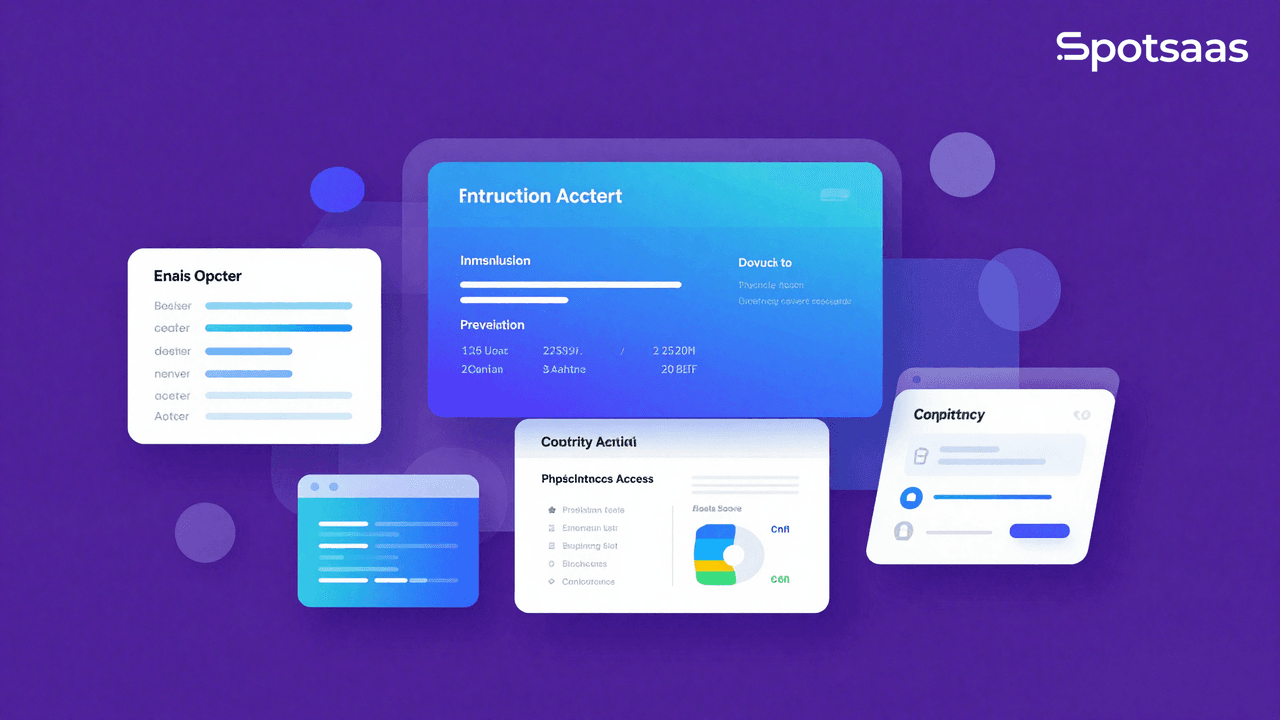
What Is Data Center Security Software and How Does It Protect Critical Infrastructure?
Data Center security software is security-specific software designed digitally to safeguard critical IT infrastructure. It can ensure the confidentiality, integrity, and availability characteristics of the data contained in physical data centers. Such software provides holistic coverage for all physical, virtual, and cyber threats, protecting sensitive information and keeping businesses running without interruption.
It includes access control, threat detection, encryption data, and monitoring tools that help the organization manage risks while complying with industry-specific regulations.
Why Should Businesses Use Data Center Security Software for Protection?
Data center security software preserves sensitive data and prevents, or at least mitigates, cyber threats, compliance requirements, and wasted downtime. It helps simplify security operations, optimizes operational efficiency, and shields organizations from breaches and disruptions.
Protecting Sensitive Data With Encryption and Access Control
Data center security software protects critical business and customer information using encryption, access controls, and sophisticated monitoring. These measures prevent data breaches, unauthorized access, and compromised confidentiality and security.
Mitigating Cyber Threats in Real Time
The software’s real-time threat detection and automated response capabilities guard against malware, ransomware, and phishing attacks. Proactive threat management minimizes the risk of interruption to business operations.
Ensuring Compliance With Industry Standards
In terms of compliance, these software programs help companies comply with many standards, such as the GDPR, HIPAA, and ISO 27001, by automating the compliance protocols. They contain audit trails and data protection measures that limit exposure and build stakeholder trust.
Reducing Downtime Through Proactive Security
Continuing with identifying and remediating vulnerabilities, the data center security software will naturally prevent a cyber attack from disrupting business operations and diminishing any financial losses incurred by sudden system failures.
Enhancing Operational Efficiency Through Automation
However. This automates the security processes for monitoring and incident management lessens the load on IT teams while freeing up the staff for more strategic tasks and ensures a much leaner and more effective security framework.
What Are the Key Features of Data Center Security Software?
Critical features include direct control of access, threat detection, data encryption, and real-time monitoring. While automating compliance and intrusion prevention, the software will also provide maximum security for key systems. This ensures business continuity.
Access Control Management for Restricted Entry
Access control systems permit organizations to emphasize role cultures and permission specifications in limiting access to sensitive data and operation systems.
Multi-factor authentication, biometric verification, audit trails, and so on increase the number of authorized people called to bond with critical resources. As such, very slim insider threats and even unauthorized access are reduced.
Threat Detection and Automated Response
AI-enabled threat-tracking systems assess network traffic to identify malware, ransom threats, and injections of phishing attempts in real-time. Immediate response mechanisms, such as isolating affected systems or interrupting hosts to block any incoming malicious IPs, instantly reduce the risk while providing continuous coverage with no human intervention.
Encrypting Data at Rest and in Transit
Encryption protocols protect data at rest and in transit, rendering confidential data non-readable to unauthorized individuals. However, strong encryption standards such as AES-256 mean that confidentiality is maintained even if the data is intercepted or accessed in breach.
Intrusion Detection and Prevention Systems
The IDPS tools are able to continuously monitor the traffic coming to and from a network in an attempt to catch any mischief that could show and block access on unauthorized attempts.
Such systems usually have some rules defined in advance and use machine learning that helps identify strange developments in activities. Hence, they alert the administrator, stopping potential intrusion before it occurs.
Real-Time Monitoring for Continuous Oversight
Real-time monitoring constantly observes data center operations, including hardware, software, and network activities.
Most advanced dashboards provide immediate warnings about anomalies or performance issues. This allows IT teams to proactively address threats and maintain performance at optimal levels.
What Are the Benefits of Using Data Center Security Software?
Essentially, data center security software offers very solid data protection, proactive threat management, and compliance with industry norms. It would strengthen operational continuity, lower costs, and give scalability to growing organizations.
Improved Data Protection for Sensitive Assets
Data Center security software provides enhanced capability to secure sensitive data against breach and unauthorized use through encryption, access control, and automated backups. These will also build trust with customers and partners regarding data integrity and confidentiality.
Proactive Threat Management With AI Support
AI-powered threat detection and 24/7 real-time monitoring with an insidious eye help organizations impede risks before they aggravate themselves. This proactive approach reduces downtime and potential damages, elevating their security postures.
Compliance Assurance for Industry Regulations
These data center security software items come with built-in compliance capabilities so an organization can comply with legislation like GDPR, HIPAA, or ISO 27001.
The automated audits, elaborate reporting, and upholding of policies minimize the chance of getting penalties for non-compliance and strengthen the organization’s reputation in the industry.
Maintaining Operational Continuity During Threats
Supply early announcements of vulnerability to reduce or preempt business disruptions. This means a quick response capability so that recovery can be near immediately in the event of an incident with minimal downtime for the business.
Scalability and Flexibility for Growing Infrastructure
This allows businesses to broaden their security networks to accommodate more users, devices, and data without complications. The flexibility in this design prevents the stagnation of innovation and progress in the future.
What Types of Data Center Security Software Are Available?
Cloud-Based Security Solutions for Remote Accessibility
These cloud-based security tools are hosted on a remote server. They can be accessed from any location if the user has an internet connection. Such services are highly scalable and can adapt to changing security conditions without significant alterations to the infrastructure.
Updates are real-time automated patch management forms of protection against ever-evolving threats. Cloud security has become the most appropriate for geographically dispersed IT environments. This reduces the need for presence at the site.
On-Premise Security Software for Total Control
These are the security software installed on a local server and facilitate getting control over data and infrastructure.
Solutions such as these cater to highly regulated industries such as healthcare or finance, where compliance and sovereignty over the data are more important than putting in a substantial initial investment and having dedicated IT support for maintenance. Though they have more initial investment and maintenance costs, they provide excellent customization and security.
Integrated Security Platforms for All-in-One Protection
The integrated security platforms combine multiple functionalities of firewalls, intrusion detection, and monitoring into a single unified system.
This simplifies the management and reduction of various tools with holistic security on site, where security operation is centralized. This provides easy-to-use workflows. Such centers would make the integrated platform ideal for those diverse environments.
Specialized Security Tools for Targeted Needs
As the name states, specialized tools for specific challenges are related to a particular aspect of security, such as cryptography, compliance management, or even advanced threat detection. These solutions complement big, broader stuff, such as adding a feature or plug-in for individual organizational situations.
Hence, the organization’s specialized security requirements are addressed. The logic of such a modular approach provides the capability to build on specific parts of a security strategy without overhauling the entire system.
How to Choose the Best Data Center Security Software?
Choosing the right data center security software is vital to protecting sensitive information, maintaining compliance, and ensuring uninterrupted operations. Below is a detailed framework to help you select the ideal solution for your needs.
What Are Your Data Center Security Goals?
Protecting Critical Assets Is Essential
Security software protects servers, networks, and infrastructure from unauthorized access and cyber threats. Organizations can safeguard sensitive data, maintain operations, and build trust with stakeholders by implementing strong measures.
Enhancing Threat Detection and Response
Advanced tools monitor activity in real-time, identifying potential breaches or anomalies. Immediate alerts and automated responses prevent threats from escalating. This reduces damage and downtime.
Ensuring Regulatory Compliance
Complying with GDPR, HIPAA, or ISO 27001 regulations is necessary. Software with built-in compliance features simplifies audit processes, generates essential documentation, and ensures adherence to industry standards.
Maintaining Operational Continuity
Security incidents can cause severe disruptions. Reliable software ensures business continuity through proactive threat prevention, automated recovery protocols, and system redundancy.
Enabling Scalability and Flexibility
As your data center grows, the software must adapt to additional servers, new services, and expanding locations. Scalability ensures that security remains strong without compromising performance or increasing complexity.
What Are the Preferred Data Center Security Software Models?
On-Premise Security Software Offers Full Control
Installed locally, on-premise solutions offer complete control over security configurations and data. They are ideal for industries requiring strict compliance or heightened privacy, such as finance or healthcare.
Cloud-Based Security Software Provides Flexibility
Cloud-based solutions provide flexibility, scalability, and cost efficiency. These systems offer remote monitoring, automated updates, and reduced dependency on in-house IT teams.
Hybrid Security Solutions Blend Strengths
Hybrid solutions blend on-premise and cloud capabilities. This provides data control with cloud-driven scalability. This model suits businesses requiring real-time updates alongside local storage for sensitive data.
AI-Powered Security Tools Offer Proactive Measures
AI-driven tools analyze patterns and behaviors to detect anomalies, evolving threats, and unusual activity. They offer proactive security measures, significantly reducing response times to emerging risks.
How Should You Understand Your Data Requirements?
Network Monitoring Tools Provide Visibility
Integration with network monitoring tools offers complete visibility into traffic patterns. It identifies vulnerabilities, suspicious behavior, and potential threats in real-time.
Access Control Systems Ensure Authorized Access
Secure access control ensures that only authorized personnel can interact with sensitive resources. Linking this to the security software creates a cohesive system for monitoring and restricting access.
Log Management Systems Offer Actionable Insights
Consolidated logs provide clear next steps into system activities, helping identify patterns, anomalies, and security breaches. Smooth integration allows for practical data analysis.
Incident Management Platforms Simplify Responses
Integration with incident management systems ensures timely reporting, automated workflows, and structured responses to security events.
What Key Features Should You Evaluate?
Perimeter Security Creates Defense Layers
Firewalls, intrusion detection/prevention systems (IDS/IPS), and network segmentation create multiple layers of defense, protecting the data center’s boundaries from external threats.
Encryption and Tokenization Secure Data
Encryption ensures that data remains unreadable to unauthorized users during transmission or storage. Tokenization adds another layer of security by replacing sensitive information with unique identifiers.
Role-Based Access Control Limits Exposure
Granular access controls ensure that users can only access information relevant to their roles. This reduces insider threats and maintains privacy.
Real-Time Alerts and Reporting Enhance Monitoring
Automated alerts instantly notify administrators of potential threats or breaches. Detailed reports provide insights into vulnerabilities and resolution timelines.
Backup and Recovery Maintain Continuity
Integrated backup solutions facilitate swift data recovery during incidents. This reduces downtime and maintains operational continuity.
What Advanced Features Enhance Security?
AI and Machine Learning Detect Emerging Threats
AI-driven security systems continuously analyze data to detect anomalies, patterns, and threats. They adapt to new risks and provide actionable intelligence.
Zero-Trust Architecture Enforces Strict Verification
Zero-trust principles verify every user, device, and network interaction. This ensures that only authenticated entities can access resources.
Compliance Auditing Tools Simplify Audits
Pre-configured templates for regulatory standards simplify the audit process. This ensures inspection readiness and adherence to compliance requirements.
DDoS Mitigation Protects Against Attacks
Distributed Denial of Service (DDoS) protection filters malicious traffic. This maintains server availability and ensures uninterrupted service.
How Can You Assess Reporting and Insights?
Threat Analysis Highlights Vulnerabilities
Reports categorize detected threats by severity, source, and resolution status. This offers insights into vulnerabilities and prevention strategies.
Access Logs Track User Activity
Detailed logs track user interactions with sensitive resources. This ensures transparency and enables investigations into unauthorized access.
Security Dashboards Visualize Metrics
Dashboards display real-time metrics such as threat counts, resolution times, and compliance statuses in visually intuitive formats.
Exportable Reports Aid Communication
Exportable reports in formats like PDF or Excel make sharing insights with stakeholders, auditors, or team members straightforward and efficient.
What Pricing Models Are Available?
Subscription-Based Plans Offer Predictability
Monthly or annual subscription plans provide predictable costs, often including updates, support, and scalability options.
Per-Server or Per-Node Pricing Scales Flexibly
This model scales with the number of servers or nodes secured. This offers flexibility for growing organizations.
Custom Pricing Fits Enterprise Needs
Enterprise-level solutions include tailored features and services. This ensures the software meets unique organizational needs.
How to Check for Scalability?
Multi-Site Support Ensures Consistency
Support for multi-site configurations ensures consistency in security measures across geographically distributed data centers.
Load Balancing Integration Optimizes Traffic
Integrating with load balancers ensures even traffic distribution. This reduces system overloads and improves security measures.
Collaborative Tools Improve Incident Response
Built-in communication and task management tools simplify team responses during incidents. This improves efficiency and coordination.
How to Evaluate Support and Training?
24/7 Support Minimizes Downtime
Round-the-clock customer support ensures rapid resolution of technical issues. This reduces disruptions and downtime.
Interactive Tutorials and Certifications Build Expertise
Detailed tutorials and certification programs enable teams to master the software. This improves its effectiveness and ensures optimal use.
Which Are the Best Data Center Security Software Options?
Compare tools such as McAfee, Palo Alto Networks, and Trend Micro regarding their pricing, key features, and customer need bases. Leading software security solutions offer advanced protection, compliance automation, and scalability for enterprise-wide security architecture.
| Tool | Pricing | Best For | Key Features | Notable Customers |
|---|---|---|---|---|
| McAfee Suite | Custom Pricing | Complete data center protection | Threat detection, access control, encryption | AT&T, NASA |
| Palo Alto | Custom Pricing | Enterprise-grade security | AI-driven analytics, intrusion prevention | Adobe, Siemens |
| FortiGate | Starts at $3000/year | Network security | Advanced firewalls, real-time monitoring | Honda, Vodafone |
| Trend Micro | Starts at $100/user | Cloud and hybrid environments | Cloud protection, compliance automation | Toyota, Samsung |
| Symantec | Custom Pricing | Complete threat management | Policy enforcement, system hardening | IBM, General Electric |
Final Verdict on Choosing Data Center Security Software
Data center security software is an indispensable investment to protect sensitive data, comply with regulations, and maintain continuous operations. Assess your unique needs and compare top contenders to find the right software for safeguarding your most precious assets. Adopt these tools to secure information, build greater operational effectiveness, and ensure long-term business viability.
Related Articles
Buyers guide
How To Choose The Best Auto Dialer Software For 2026
Continue reading →
Buyers guide
How To Choose The Best Freelance Platforms For 2026
Continue reading →
Buyers guide
How To Choose The Best Audience Response Software For 2026
Continue reading →
Buyers guide
How To Choose The Best Workforce Management Software For 2026
Continue reading →