
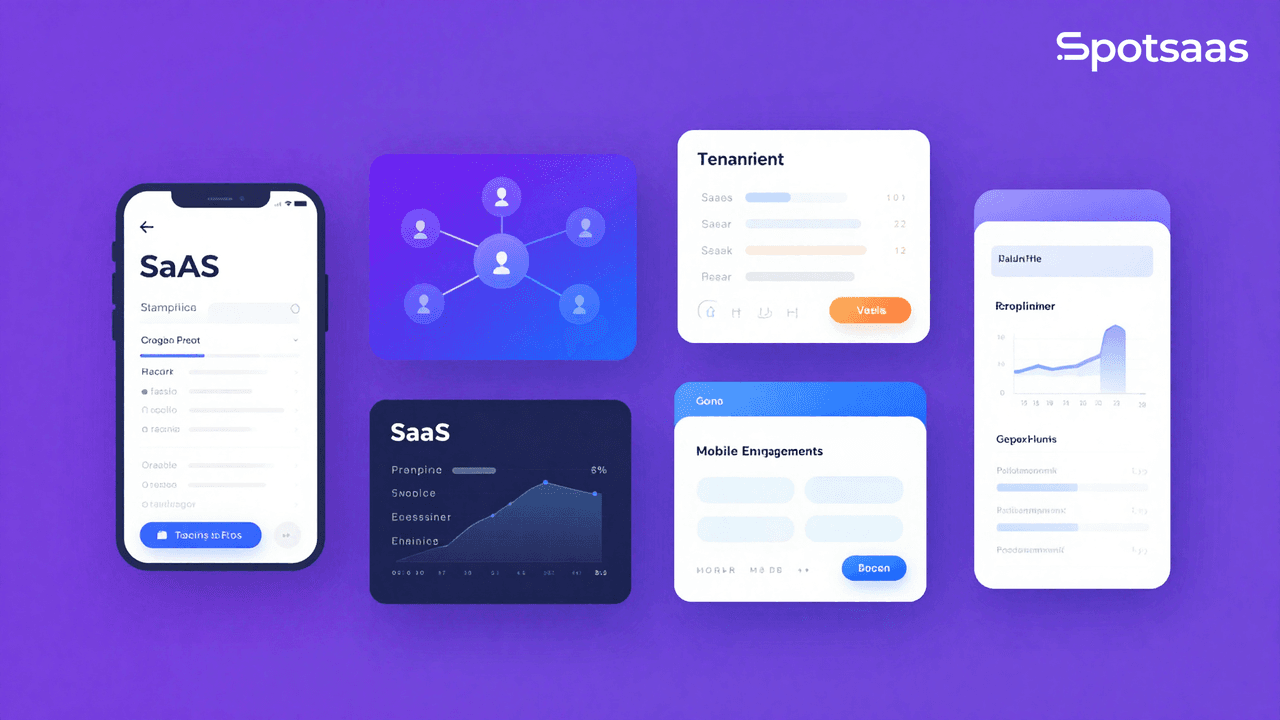
Navigating the vast world of mobile analytics software can often feel like an overwhelming task. With the proliferation of numerous tools each promising to revolutionize your data tracking methods. This makes a choice becomes difficult.
This blog will simplify this process for you by providing actionable tips and insights on selecting the best mobile analytics software tailored to your needs. Ready? Let’s look right into it!
What is Mobile App Analytics?
Mobile App Analytics refers to the process of collecting, measuring, and analyzing data from mobile applications. It involves tracking various metrics such as user behavior, preferences, app performance, and engagement in order to gain insights and make informed decisions for improving the overall user experience.
Mobile App Analytics is essential for businesses as it helps them understand how their mobile apps are being used by customers and enables them to optimize their app features accordingly.
Definition
Mobile app analytics is a way to see how people use an app. It gives facts about the number of users, where they come from, and what they do in the app. This information helps to improve the app.
For example, if many users quit at a certain point, maybe that part of the app needs fixing. The tools mentioned like Heap and Glassbox can track user actions in real time. Another tool called Firebase is good for new developers.
These tools dig into what users want and how they behave which improves their experience with the app.
Importance
Mobile app analytics are key to your app’s success. They let you see who uses your app, how they use it, and what they like or don’t like about it. This knowledge helps you make changes so more people want to use your app.
It is not enough just making a great mobile app; you also need the right tools to gauge its performance. Good software for mobile data analysis can be very useful here. You get insights into user behavior and preferences with analytics tools such as Heap, Glassbox, or UXCam that offer all-in-one functionality for complete capabilities.
With powerful dashboards of these software tools, tracking vital metrics from unique downloads to active users becomes easier than ever before! So picking the best mobile analytics software provides essential support for improving user experience and boosting user engagement on the go!
Features to Consider When Choosing Mobile App Analytics Software
When choosing mobile app analytics software, there are several important features to consider. These include real-time data tracking, customizable dashboards, in-app behavior analysis, and user segmentation.
Real-time data tracking
Real-time data tracking is a big deal. It lets you see what users do in your app right away. Tools like Heap and Glassbox are great for this. They show data at the very moment it happens.
With real-time data, you can fix problems fast before they get worse. You can also find ways to keep users on your app longer.
Customizable dashboards
Customizable dashboards are an essential feature to consider when choosing mobile app analytics software. These dashboards allow you to personalize the visual representation of your data. This makes it easier for you to track and analyze the performance of your mobile app.
With customizable dashboards, you can arrange and prioritize the metrics that matter most to your business, such as user engagement, conversion rates, or revenue. This flexibility enables you to focus on the specific insights that are relevant to your goals and objectives, providing a clear snapshot of your app’s performance at a glance.
By customizing your dashboards, you can save time by quickly accessing important information and make better-informed decisions based on real-time data analysis.
In-app behavior analysis
In-app behavior analysis is a key feature to consider when choosing mobile app analytics software. It allows you to understand how users are interacting with your app and what actions they are taking.
With in-app behavior analysis, you can track user clicks, navigation paths, session durations, and more. This helps you identify trends and patterns in user behavior, allowing you to make data-driven decisions for improving your app’s user experience and engagement.
Some top mobile app analytics tools like Google Analytics, Amplitude, Mixpanel, Adobe Analytics offer advanced in-app behavior analysis features that can provide useful detail into how users engage with your app.
User segmentation
User segmentation is an important feature to consider when choosing mobile app analytics software. It allows you to divide your user base into different groups based on their characteristics and behaviors.
This helps you understand the preferences and needs of each group. This enables you to create personalized experiences for your users. With user segmentation, you can track how different segments of users interact with your app, analyze their behavior patterns, and tailor your marketing strategies accordingly.
By effectively segmenting your users, you can gain useful detail into their demographics, interests, engagement levels, and more. This information can then be used to optimize your app’s performance, improve user experience, and ultimately increase user retention.
How to Choose the Best Mobile App Analytics Software
For selecting the optimal mobile analytics software, there are several key steps you should follow. From determining your needs and researching different options to considering cost and testing out demos, this section will provide you with all the necessary guidance.
Discover how to make an informed decision for your organization’s success in mobile app analytics.
Determine your needs
To choose the best mobile analytics software, it’s important to determine your needs. Consider what you want to achieve with the software and what specific data you need to track. Here are some factors to consider:
- The type of data you want to analyze, such as user behavior, app performance, or user engagement.
- The level of customization you require in terms of dashboards and reports.
- The size and complexity of your app and the scalability of the analytics software.
- Your budget for investing in mobile analytics software.
- Any specific features or integrations that are essential for your app.
Research different options
To choose the best mobile app analytics software, you need to research different options. Here are some factors to consider:
- Look for software that offers real-time data tracking. This will give you up-to-date information on user behavior and app performance.
- Consider customizable dashboards. Being able to tailor your analytics dashboard to your specific needs will make it easier to analyze and interpret the data.
- In-app behavior analysis is important. Look for software that can track how users interact with your app, such as which features they use the most or where they encounter issues.
- User segmentation is another essential feature. It allows you to divide your user base into different groups based on demographics, behaviors, or preferences. This gives you more targeted insights.
Consider cost and budget
When choosing the best mobile app analytics software, it’s important to consider cost and budget. Different tools come with different pricing models, so you need to determine what works best for your organization.
Some software may have a monthly subscription fee, while others might charge based on the number of users or data usage. It’s also worth comparing the features offered by each tool and evaluating whether they align with your needs and justify the cost.
Keep in mind that investing in a reliable analytics solution can help optimize your app’s performance and provide useful detail into user behavior and preferences.
Test out demos or free trials
To choose the best mobile analytics software, it’s important to test out demos or free trials. This allows you to see firsthand how the software works and if it meets your needs. By testing out demos or free trials, you can evaluate the features and functionality of different software options.
This will help you determine which one is the most easy-to-use and provides the data insights you need for your mobile app. Take advantage of these opportunities before making a decision so that you can select the best mobile analytics software for your organization.
Conclusion
Picking the right mobile app analytics software comes down to a handful of factors: real-time data tracking, customizable dashboards, in-app behavior analysis, and user segmentation. Together, these features give organizations a clear picture of user preferences and help them fine-tune how their app performs.
Before deciding, define your specific needs, compare the options on the market, and factor in cost. Trying a demo or free trial is also worth doing, since it shows how the software actually feels to use day to day.
The right choice ultimately comes down to how well the software helps you read app usage metrics and customer behavior, since that’s what drives better user experience and stronger engagement.
Importance of choosing the right mobile app analytics software
The analytics software you pick shapes how well you understand user behavior, improve user experience, and optimize app performance. With the right tools in place, you can track metrics like app usage, engagement levels, and crash reports.
That data is what lets you make informed calls on app strategy, improve satisfaction, and push retention higher. Matching the software to your organization’s actual needs and goals is what turns raw data into a real advantage for your app.
Final tips for choosing the best software
A few practical points to keep in mind before you commit:
- Consider your specific needs: Think about what you want to achieve with mobile app analytics and what features are most important for your organization.
- Research different options: Look into multiple software providers to see which ones offer the features and capabilities that align with your goals.
- Consider cost and budget: Evaluate the pricing models of different software options and determine what fits within your budget while still meeting your requirements.
- Test out demos or free trials: Take advantage of any opportunities to try out the software before committing. This will give you a better understanding of how it works and whether it meets your expectations.
- Look for easy-to-use interfaces: Choose a software that is easy to navigate and understand, as this makes it more efficient for you and your team to use.
- Seek customer reviews and ratings: Read reviews from other users to get a sense of their experiences with the software. This can offer useful clues about its strengths and weaknesses.
- Consider scalability: If you anticipate growth in the future, choose a software that can scale with your organization’s needs without requiring significant upgrades or additional costs.
- Ensure data security and compliance: Check if the software provider has measures in place to protect sensitive user data and complies with relevant regulations such as GDPR or CCPA.
- Seek integration capabilities: If you have existing systems or tools in place, make sure the mobile analytics software can integrate smoothly with them for a more complete view of your data.
- Evaluate customer support options: Look for a provider that offers responsive customer support, since technical issues or questions may come up during implementation or everyday use.

- Independent picks for exactly what you just read about
- Matched to your team size & needs
- Vendors don't pay for placement
Step 1 of 4
How big is your team?
We tailor recommendations to companies your size.















Related Articles
Buyers guide
Twilio Alternatives 2026: 6 Compared and What They Cost
Continue reading →
Buyers guide
How To Choose The Best Auto Dialer Software For 2026
Continue reading →
Buyers guide
How To Choose The Best Freelance Platforms For 2026
Continue reading →
Buyers guide
How To Choose The Best Audience Response Software For 2026
Continue reading →