
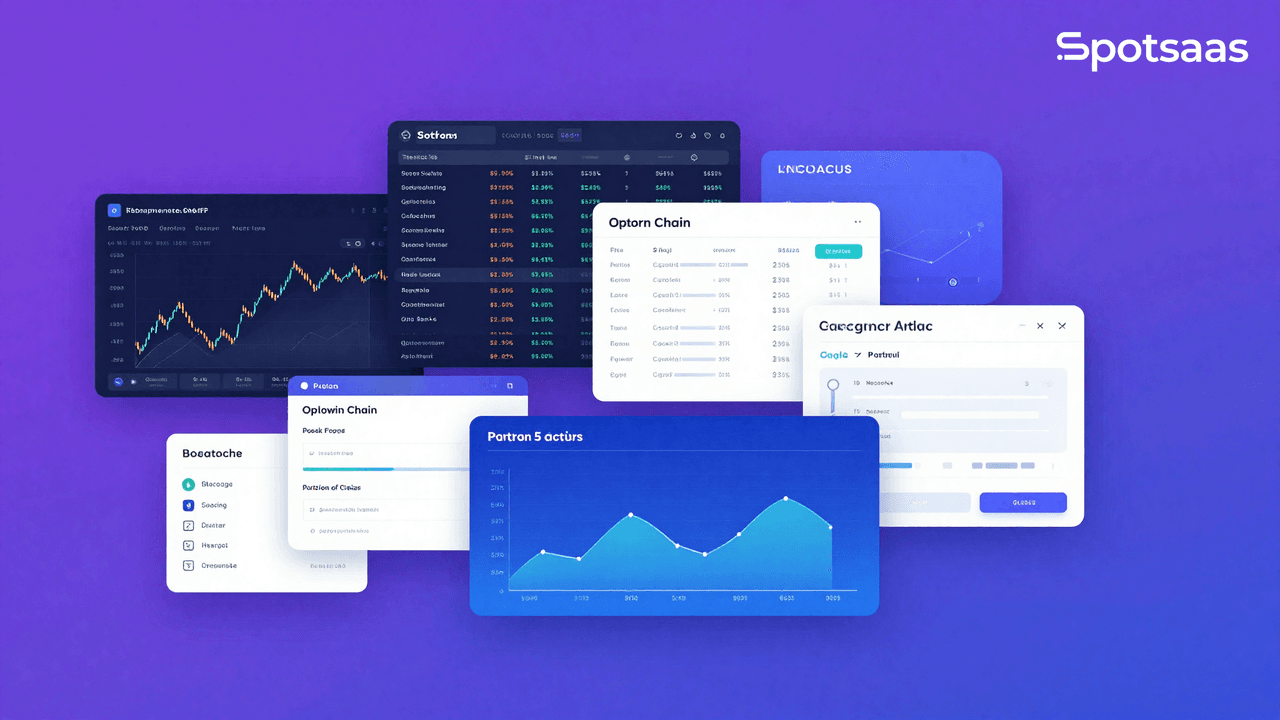
What Is Brokerage Trading Platform Software and How Does It Work?
Brokerage trading platform software is a digital application that gives traders the tools to buy and sell financial securities like stocks, bonds, commodities, or cryptocurrencies.
These platforms let investors and traders manage their portfolios, place trade orders, and monitor trends in their respective markets while analyzing financial data in real time. Brokerage trading software is used by individual traders, brokerage firms, and financial institutions alike to improve efficiency in trading and market analysis and to give clients a smoother trading experience. The software typically sits at the center of a trader’s daily routine, connecting research, order placement, and portfolio review into one place instead of several disconnected tools.
Why Should Traders Use Brokerage Trading Platform Software?
Real-Time Market Access
Brokerage trading platforms deliver live market updates, including stock prices, market trends, and financial news. That real-time data lets traders enter a trade as it’s happening or act on market fluctuations as they occur, rather than reacting after the opportunity has already passed.
Fast and Reliable Trade Execution
These platforms are built for fast, reliable order execution. The goal is simple: minimize delay and slippage so traders can enter and exit positions at the best available prices, especially in volatile markets where a few seconds of lag can change the outcome of a trade.
Advanced Tools for Financial Analysis
Brokerage software includes charting, technical analysis, and indicator tools that support both technical and fundamental analysis of markets. These features are designed to help traders read market conditions and price movements and build better trade strategies, whether they are planning a single trade or a longer-term position.
Built-In Tools for Risk Management
Brokerage platforms come with integrated tools such as stop-loss orders, margin trading, and risk assessment for overall trade risk management. This lets a trader define acceptable risk parameters and take precautions when a drop occurs to protect investments, without needing to watch every position manually throughout the trading day.
Portfolio Monitoring and Management
Investors can track and manage their investment portfolios directly on the platform. This includes monitoring asset performance, assessing asset allocation, and rebalancing portfolios periodically to keep them aligned with investment objectives, rather than reviewing holdings only when something goes wrong.
Simple and Customizable User Interface
Brokerage platforms are built with interfaces that are straightforward but also customizable, which simplifies navigation. This makes it easier for both beginners and experienced traders to manage their trades, portfolios, and analytics without needing a steep learning curve before they can place a first trade.
Access on Both Mobile and Desktop
With mobile and desktop versions available, traders can manage their investments and execute trades anytime and anywhere, so they can stay connected and make informed decisions no matter where they are, whether commuting, traveling, or simply away from a desk.
What Are the Key Features of Brokerage Trading Platform Software?
Live Market Data and Price Tracking
Brokerage platforms offer real-time updates on asset prices, trading volumes, and market news. This instant access keeps traders connected to live market movements at any time. When traders can access accurate, real-time information, they can adjust strategies and outcomes quickly, which reduces decision-making errors and increases the chance of generating profits.
Charting Tools and Technical Indicators
Advanced charting tools with indicators, oscillators, and trend lines are core to technical analysis, helping determine whether market conditions favor identifying a trend. By studying historical price data, traders can build strategies for predicting future market developments. Technical indicators like moving averages, RSI, and MACD add more detail about how an asset is behaving, which is especially useful for traders who read the market through technical terms rather than fundamentals.
Seamless Order Execution Features
Trade execution is a core function of brokerage platforms, letting users place, modify, or cancel orders as needed. Platforms support different order types, such as market, limit, and stop orders, to fit various trading strategies. Fast execution matters most when markets are volatile and prices can swing significantly in a short window. A smooth, reliable execution process means traders don’t lose out on opportunities they’ve already committed to.
Automated Trading with Algorithms
Algorithmic trading automates a strategy based on preset rules, letting the system manage trades without human input and react quickly in fast-moving markets. Traders can set up self-operating systems that enter trades only when a specific technical indicator lines up, or exit once a price level is reached. Algorithmic trading helps traders take a more consistent, less emotional approach, which particularly benefits high-frequency traders acting on narrow windows of opportunity.
Smart Risk Tools and Alert Systems
Brokerage platforms give traders risk management tools to limit losses and protect investments. These include stop orders, margin calls, and automated alerts that flag when a position becomes risky or hits a specified price level. Users can set their own risk tolerance levels and automatically cap losses at a maximum amount. Alerts can arrive by text, email, or platform notification, so traders don’t miss anything important.
Trading on the Go with Mobile Support
Mobile trading support lets traders manage portfolios and execute trades away from a desktop. Most platforms offer a mobile app synced with the desktop version for real-time market data, order execution, and portfolio management. This matters for busy traders who aren’t always at their desks but still want to stay active in the market, so they don’t miss an opportunity simply because they’re away from their primary device.
Strategy Testing with Backtesting
Backtesting is a way to test a trading strategy against historical data before using it live. This feature helps traders optimize strategies by spotting weak points and refining their approach. It also supports more data-driven decisions by showing how different strategies would have performed under various market conditions, giving traders a clearer sense of market behavior and improving the odds of success.
Performance Tracking and Trade Analytics
Reporting and analytics tools in brokerage platforms let traders track performance, analyze trades, and assess overall trading effectiveness. These tools generate detailed reports on transaction history, profit/loss analysis, and other key metrics. The insights cover market conditions, trading behavior, and asset performance, giving traders useful information for decision-making. Reporting also supports tax compliance by keeping accurate records of every trade.
What Are the Benefits of Using Brokerage Trading Platform Software?
Speed and Accuracy in Trade Execution
Brokerage trading platforms are built for rapid trade execution, which matters most in fast-moving or volatile markets. That speed helps traders act on opportunities without delays that could lead to slippage or missed chances. Quick trade processing lets traders execute their strategies effectively, including in high-frequency trading, and the efficiency of execution directly affects a trader’s ability to profit from short-lived price changes.
Better Trading Decisions with Real-Time Insights
Advanced charting, technical analysis features, and readily available market information help traders make informed, timely decisions. These insights help traders evaluate trends, patterns, and signals that improve the accuracy of their trades. Precise information on market conditions helps traders find profit opportunities and steer clear of weak trades, and lets them fine-tune strategies as the market shifts, whether conditions are calm or turbulent.
Lower Fees and Trading Costs
Brokerage platforms make trading cheaper by limiting commissions and fees and reducing the need for manual work. Automation and algorithmic trading reduce traders’ reliance on brokers, which lowers costs. Some platforms offer simple pricing or commission-free trades so traders keep more of their profit. Reduced transaction costs also help high-frequency traders, where small savings on each trade add up to a meaningful discount over time. Lower fees generally mean more frequent trades and better portfolio growth.
Efficient and Streamlined Trading Experience
Brokerage platforms simplify the trading process from initial research and analysis through trade execution and portfolio management. Automating many of these steps helps traders work faster, saving valuable time. Features like trade automation, risk management, and reporting let traders focus on strategy instead of manual processes. With efficient workflows, traders can place orders, monitor positions, and analyze markets at the same time, which improves overall productivity.
Smarter Risk Handling with Automation
Brokerage platforms offer risk management tools such as stop-loss orders, margin calls, and automated alerts that help traders limit exposure. These tools guard against heavy losses by automatically triggering preset actions once a set price level is hit. A trader can set risk tolerance in advance and define clear exit strategies, which brings discipline and control to the process. Risk management tools also help keep emotional decision-making out of trading, supporting more reasoned, fact-based actions.
Trading from Anywhere with Multi-Device Access
Brokerage platforms offer both mobile and desktop access, so traders can manage portfolios and execute trades from anywhere. Mobile trading adds flexibility and convenience, especially for traders with busy schedules. It lets traders stay on top of market activity, monitor investments, and act on opportunities that come up when they’re away from their desks. That level of accessibility matters most to active traders who need to stay engaged with the market without interruption.
What Types of Trading Platforms Are Available for Brokers?
Trading Stocks and Equity with Specialized Platforms
Stock and equity trading platforms support buying and selling stocks, ETFs, and other equity securities. They’re built for individual investors and active traders who want to trade in the stock market, and often include real-time market data, advanced charting tools, and a range of order types to support precise execution. Investors using these platforms can find opportunities across other stocks and equity instruments to diversify their holdings. Stock trading platforms serve both beginner investors and seasoned traders looking to benefit from the stock market, regardless of how much capital they’re starting with.
Currency Trading with Forex Platforms
Forex trading platforms are built for trading foreign currencies, offering real-time exchange rate data, customizable charts, and various technical indicators. Forex traders use them to trade currency pairs and manage their forex portfolios. These platforms usually include risk management tools, like stop-loss orders and margin trading, to help traders react to currency swings, and can support both spot trading and derivative instruments such as options and futures.
Derivatives Trading with Options and Futures
Options and futures trading platforms let traders engage in derivative trading by buying and selling options contracts or futures contracts. These platforms handle complex instruments such as commodities, stocks, and indices. Traders use them for several purposes: hedging risk, speculating on price movements, or diversifying their portfolios. They often include options pricing tools, open position monitoring, and risk management capabilities.
Managing Digital Assets with Crypto Platforms
Cryptocurrency trading platforms support buying, selling, and managing digital currencies such as Bitcoin and Ethereum. They provide secure transactions and track real-time market prices. Most crypto platforms include wallet management, helping users store and secure their crypto assets, along with advanced charting tools and a range of trading pairs for crypto-to-crypto or fiat-to-crypto exchanges. As digital currencies have grown more popular, these platforms have become important for both retail and institutional investors aiming to profit from the cryptocurrency market.
Accessing Multiple Markets with Multi-Asset Platforms
Multi-asset trading platforms give traders access to various financial instruments covering stocks, options, futures, and forex. They’re designed for traders who want to diversify across multiple markets, and typically include advanced charting, order execution tools, and risk management features suited to active traders with diverse strategies. This lets traders switch between asset classes and hold positions in multiple markets at once.
What Should You Look for When Choosing Brokerage Trading Platforms Software?
Selecting the best brokerage trading platform software matters for financial institutions, traders, and investors who want to optimize trading activities. The right platform should offer reliable trade execution, real-time market data, secure transactions, and solid analysis tools, all working together rather than as separate bolt-on features.
Whether you’re trading equities, options, or cryptocurrencies, the platform should also support scalability, compliance with financial regulations, and a strong user experience for traders.
What Goals Should You Define Before Selecting a Trading Platform?
Before selecting a platform, you need clear objectives for what you want out of it. These goals might include a smoother trading experience, faster order execution, expanded market reach, or higher transaction volumes.
Defining these objectives up front helps ensure that the platform actually meets the specific needs of your brokerage or trading firm.
Improve Order Execution & Speed
The software should support fast order execution to minimize latency. Quick execution matters most for traders in fast-paced markets, where every second counts and a delayed fill can mean a materially different entry price.
Provide Real-Time Market Data
Real-time access to market data is essential for informed decision-making. The platform should provide live data feeds, including stock prices, market movements, and news updates, so traders aren’t working from stale information.
Enhance Trading Analytics & Tools
The software should offer solid technical and fundamental analysis tools, including charting, indicators, and custom alerts. These tools help traders read market trends and refine their strategies over time, instead of relying on guesswork.
Ensure Compliance & Data Security
The platform should keep all transactions secure and compliant with industry regulations. Built-in features like encryption, audit trails, and secure payment gateways matter for financial security and regulatory compliance, particularly for firms handling client funds directly.
What Types of Brokerage Trading Platforms Are Available?
There are several models of brokerage trading platforms, each suited to different needs based on the size of the trading firm, the markets traded, and the level of functionality required.
Full-Service Brokerage Platforms
Full-service brokerage platforms offer a complete set of tools for trading across multiple asset classes, including equities, bonds, and derivatives. These platforms are used by large brokerage firms and institutional traders that need broad coverage in a single system.
Discount Brokerage Platforms
Discount platforms offer low-cost trading with essential tools and market access. These platforms suit retail traders looking for cost-effective solutions with fewer advanced features, where price matters more than depth of functionality.
Forex & Crypto Trading Platforms
Specific platforms focus on trading forex and cryptocurrencies. These platforms need to support fast execution, real-time market feeds, cryptocurrency wallets, and exchange integration, since both markets move around the clock rather than on fixed exchange hours.
Social & Copy Trading Platforms
Social and copy trading platforms let users replicate the trades of other successful traders. These platforms suit novice traders who want to learn from and benefit from more experienced strategies while they build up their own market knowledge.
Why Is Data Integration Critical for Trading Platforms?
Brokerage trading platforms require extensive data management to handle market data, user activity, transactions, and financial reports. The platform should also integrate cleanly with third-party data providers and market feeds for accurate, real-time data.
Market Data Feeds
The software should integrate with multiple sources of real-time market data, including stock prices, bid/ask spreads, trade volumes, and other indicators. This keeps traders up to date on market conditions at all times, rather than relying on a single feed that could lag or drop out.
Transaction Data Management
The platform should efficiently manage transaction data, including trade histories, account balances, and positions. Proper data management is essential for accurate reporting and auditing, especially when regulators or clients request a detailed record.
Payment Systems Integration
The platform should integrate with secure payment gateways for funding and withdrawals. Fast, safe, seamless payment processing matters for both traders and the brokerage firm.
Risk Management Data
Data tied to risk management, including margin requirements, stop-loss orders, and position limits, should be integrated into the platform so traders can manage their risk exposure effectively and adjust positions before losses accumulate.
What Key Features Should You Look for in a Trading Platform?
The best brokerage trading software offers a range of features that support trade execution, protect data security, and provide solid analysis tools. These features need to serve both institutional and retail traders.
Core Features
Fast Order Execution & Market Access
Fast order execution reduces latency and lets traders make quick decisions. The platform should also give access to various markets, including stocks, options, forex, and cryptocurrencies, without forcing traders to juggle separate logins for each.
Real-Time Market Data & News Feeds
The platform should provide real-time access to stock quotes, market charts, financial news, and price alerts. This is critical for traders to stay informed and react quickly to market movements.
Advanced Charting & Analysis Tools
The software should offer customizable charts, technical analysis indicators, and drawing tools. These help traders identify trends, analyze patterns, and refine trading strategies.
Risk Management Tools
The platform should offer risk management tools like stop-loss orders, margin calls, and position limits. These help traders manage exposure and prevent significant losses.
Advanced Features
Algorithmic Trading & Automation
Algorithmic trading lets traders automate strategies based on predetermined conditions, improving efficiency and reducing the emotional aspects of trading. The platform should support backtesting and real-time algorithm execution, so a strategy can be validated before it’s put into live use.
Social Trading Features
Social trading features let users follow and copy the trades of experienced investors, so beginners can lean on the expertise of others while they get comfortable with the market. The platform should also support social interaction, such as forums or chatrooms.
Portfolio & Asset Management Tools
The software should include tools for managing multiple portfolios and tracking asset performance across various markets. This helps traders monitor investments and optimize portfolio allocations without switching between separate tracking spreadsheets.
Mobile Trading Apps
Mobile compatibility lets traders access the platform and trade on the go. The platform should offer a fully functional mobile app for real-time trading and market analysis from anywhere, matching most of what the desktop version offers.
How Can Reporting and Analytics Improve Trading Performance?
Reporting and analytics tools are critical for evaluating trading performance, tracking financial transactions, and staying compliant. The software should allow detailed, customizable reports on various metrics, such as profits, losses, and trading volumes.
Granular Reporting
Transaction & Account Reports
The platform should generate reports detailing each transaction, including trade dates, prices, quantities, and commissions. These reports help traders and brokers track their financial activity accurately over any given reporting period.
Profit & Loss (P&L) Analysis
P&L reports show a trader’s financial performance over a specific period, helping them evaluate their strategies and make data-driven decisions for future trades rather than relying on memory or gut feel.
Visualization Tools
Custom Dashboards
Customizable dashboards let users visualize key performance metrics, such as profit/loss, account balances, and trading volume. Dashboards should be user-friendly and support real-time data updates.
Exportable Reports
Exporting reports into formats like PDF, CSV, or Excel matters for traders who need to analyze data further, keep their own records, or share reports with stakeholders.
What Should You Know About Platform Pricing?
Depending on the features, support, and scale involved, brokerage trading platforms offer various pricing models. Choosing the right pricing structure is essential to align with your brokerage’s needs and budget.
Subscription-Based Pricing
Most platforms use subscription-based pricing, charging a recurring monthly or annual fee based on the level of features, number of users, and market access. This model gives predictable costs for budgeting, which larger firms often prefer over variable, usage-based fees.
Commission-Based Pricing
Some platforms charge based on the number of trades executed or the volume of transactions. This model works well for active traders who trade frequently, since costs scale directly with how much they use the platform.
Custom Pricing Plans
For large brokerage firms or institutions with specific requirements, custom pricing plans may include additional features, dedicated support, and enterprise-level integrations built around how the firm actually operates.
How Can You Ensure Scalability as Your Brokerage Grows?
Scalability matters for brokerage trading platforms as the user base grows, trading volumes increase, or new markets are added over time. The platform should support additional users, new asset classes, and increased trade volumes without hurting performance.
High-Volume Data Handling
The software should handle high-frequency trades, multiple asset classes, and large amounts of market data without performance issues, even during periods of unusually heavy trading volume.
Multi-User & Multi-Location Support
The platform should support multi-user access for large firms with multiple traders and allow centralized management of accounts, portfolios, and trading activity across different locations and teams.
Customizable Features for Growth
The platform should be able to adapt to the brokerage’s evolving needs, including adding new features, integrating additional data sources, or scaling to accommodate more users and transactions as the business grows.
What Support and Training Options Should the Software Provide?
Practical support and training matter for smooth implementation and long-term use of brokerage trading platforms. The software provider should offer reliable customer service and thorough training materials for both new and experienced users.
24/7 Technical Assistance
24/7 customer support ensures technical issues get addressed promptly, preventing downtime and letting traders execute orders without disruption, which matters most during volatile trading sessions.
Onboarding & Tutorials
Onboarding tutorials and training materials should help new users quickly understand the platform’s features and capabilities, supporting smooth adoption and effective use from the very first session.
How Do Leading Brokerage Trading Platforms Compare?
This table compares leading brokerage trading platforms, highlighting pricing, key features, and who each one is best suited for. It helps traders choose the right platform based on their needs, such as real-time data, trade execution speed, and market analysis tools. The comparison covers platforms suited to different customer types, from individual traders to institutional investors.
| Software | Pricing | Key Features | Best For | Customers |
|---|---|---|---|---|
| MetaTrader 4/5 | Free to use, commissions apply | Forex trading, charting, automated trading | Forex traders | Currency traders, brokers |
| E*TRADE | Free to trade, fees vary | Stocks, options, ETFs, retirement accounts | Retail investors, beginners | Self-directed investors |
| Thinkorswim | Free to trade, fees vary | Options, stocks, futures, forex, charting tools | Active traders, options traders | Day traders, options traders |
| Robinhood | Free to trade, commission-free | Stocks, ETFs, cryptocurrency, options | Beginner investors | Retail investors, young traders |
| Interactive Brokers | Commission-based, varies by account size | Stocks, forex, options, futures, margin trading | Advanced traders, professionals | Institutional traders, day traders |
| Kraken | Free to trade, fees apply | Cryptocurrency exchange, margin trading | Cryptocurrency traders | Crypto investors, day traders |
| Binance | Commission-based | Crypto trading, staking, spot and margin trading | Crypto and NFT traders | International cryptocurrency traders |
| NinjaTrader | Free to use, commissions apply | Futures, forex, stocks, algorithmic trading | Futures and forex traders | Futures traders, day traders |
Final Verdict on Choosing Brokerage Trading Platform
Brokerage trading platform software gives traders and investors a full set of tools to act on opportunities quickly, analyze market data, and manage portfolios efficiently.
Whether trading stocks, forex, options, or cryptocurrencies, choosing the right software is central to long-term trading success. By weighing their specific needs around asset type, fees, tools, and security, traders can find a platform that actually fits how they work day to day.
Ultimately, the best brokerage trading platform will speed up trading, support stronger risk management, and make everyday decision-making noticeably easier.

- Independent picks for exactly what you just read about
- Matched to your team size & needs
- Vendors don't pay for placement
Step 1 of 4
How big is your team?
We tailor recommendations to companies your size.















Related Articles
Buyers guide
Twilio Alternatives 2026: 6 Compared and What They Cost
Continue reading →
Buyers guide
How To Choose The Best Auto Dialer Software For 2026
Continue reading →
Buyers guide
How To Choose The Best Freelance Platforms For 2026
Continue reading →
Buyers guide
How To Choose The Best Audience Response Software For 2026
Continue reading →