
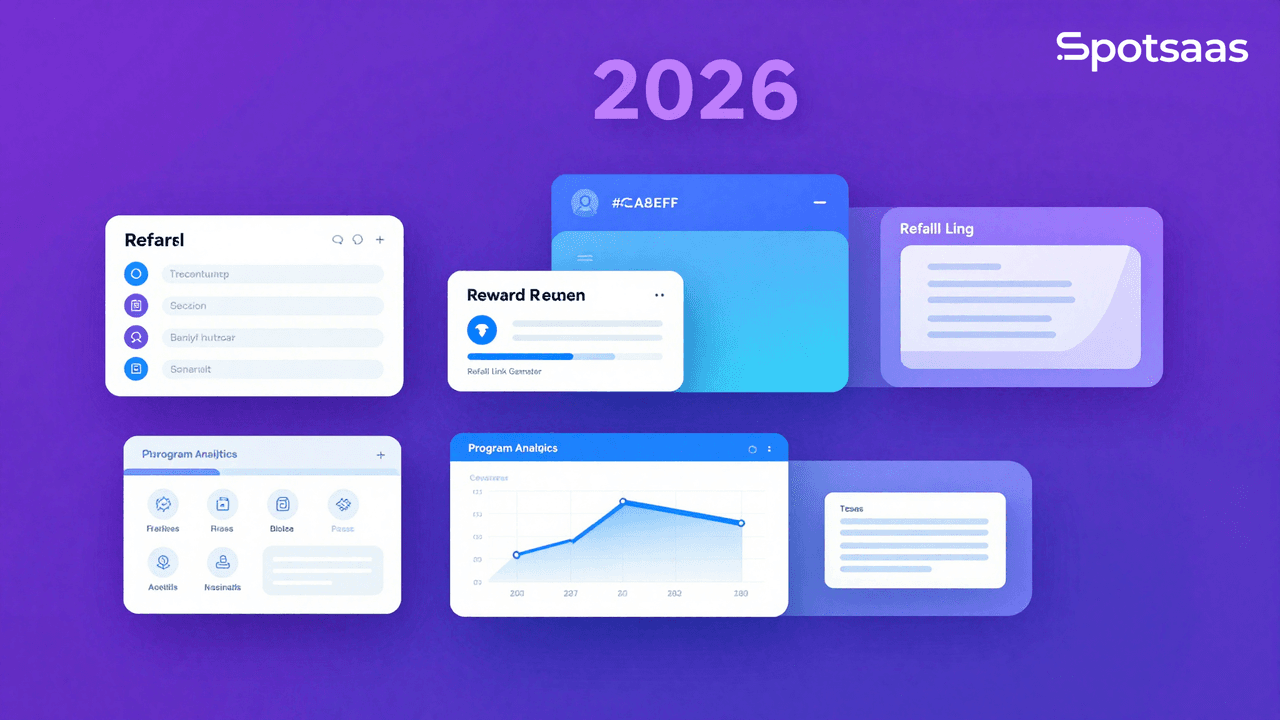
How Does Referral Management Software Work?
Referral management software is a digital solution to track, manage, and optimize referral programs for businesses, healthcare providers, and service-based organizations. It automates handling referrals while enhancing a smooth experience for referrers and recipients alike.
Whether in patient referrals within the healthcare industry, a customer referral program within businesses and service-based organizations, or merely generating leads for partners, the software enhances efficiency, improves communication, and increases engagement.
Why Should You Use Referral Management Software?
Referral management software automatically tracks, processes, and rewards referrals to improve efficiency and accuracy. It helps enhance customer retention, increase conversions, and reduce administrative workload for businesses and healthcare providers. Secure data handling and real-time analytics help improve program performance and compliance.
Simplified referral tracking for better follow-up
Referral management software automates tracking. This ensures leads or patients are efficiently monitored and followed up. It provides real-time updates. This reduces the chances of lost referrals and improves overall efficiency. Businesses and healthcare providers can gain visibility into referral outcomes. This improves accountability and response times.
Building loyalty through customer and patient retention
Referral programs motivate loyal customers to bring in new clients, strengthening business brand engagement. An efficient referral process in healthcare ensures patients receive timely care. This improves satisfaction and long-term retention. This improves trust and continuity, improving business and medical institutions’ outcomes.
Smoother communication between everyone involved
The platform allows for smooth collaboration between referrers, recipients, and service providers to ensure smooth handoffs. Automated notifications and centralized messaging minimize miscommunication and delays. This ensures businesses and healthcare providers maintain a clear and efficient referral process.
Cutting paperwork with workflow automation
By digitizing paperwork and automating manual tasks, the software saves time for employees. Staff can focus on customer service or patient care rather than managing referrals manually. Automation also minimizes errors, improves efficiency, and reduces operational costs.
Boosting conversions through smarter tracking
Referral management software enhances the effectiveness of referral programs by simplifying tracking and incentive distribution. In sales and marketing, it ensures that leads referred are nurtured efficiently to increase conversion rates. Real-time performance tracking optimizes campaigns for better engagement and revenue growth.
Protecting sensitive data with built-in compliance
Referral management platforms ensure compliance with regulations such as HIPAA and GDPR for industries that handle sensitive data, like healthcare. Using secure encryption and access controls reduces the risk of data breaches affecting patients and customers. This builds trust and ensures legal compliance.
Using analytics to improve referral performance
Advanced reporting tools track referral success rates, customer engagement, and program effectiveness. Businesses can use these insights to optimize referral strategies, enhance user experience, and increase ROI. Real-time analytics enable continuous improvement by identifying trends and areas for growth.
What Are the Key Features of Referral Management Software?
Referral management software includes automated referral tracking, multi-channel submission, incentive management, and integration with CRM. Features such as workflow customization, real-time notifications, and compliance ensure smooth referral processing. Advanced analytics assist businesses in optimizing referral strategy and growth.
Real-time tracking that reduces manual work
Referral management software tracks all referrals in real-time and gives referrers, recipients, and administrators updates in real-time. Reduced errors through automated tracking ensure that there are no manual follow-ups, thereby optimizing the process. Referral progress is continuously monitored, with immediate interventions taken if the need arises. Transparencies build trust and lead to conversion rates. Referral lifecycle management becomes possible without complicated tracking capabilities.
Accepting referrals from any channel
Customers can submit referrals through web portals, mobile applications, email, and social media through these channels. This enables more participation since customers, employees, or healthcare professionals may refer through any of these preferred methods. The software captures referrals from multiple touchpoints, creating a smooth, unified experience. Multi-channel integration reduces friction within the referral submission process. When businesses offer diversified submission options, they improve user engagement and, therefore, the overall effectiveness of their referral programs.
Custom workflows that match your business process
The software will enable businesses to tailor workflows that match the requirements of the respective industries, be it customer referrals, healthcare patient transfers, or partner-generated leads. Custom workflows simplify approval processes. This ensures referrals move fluidly through the various stages. Businesses can define rules, set up automated approvals, and change workflows to adapt to internal policies. This means the process will be adapted to meet the regulatory requirements and enhance operational efficiency. A structured workflow minimizes delays and ensures higher referral success rates.
Automated incentives that drive engagement
The software self-distributes incentives to provide timely and accurate reward payouts to referrers. Reward structures vary between businesses, such as cash bonuses, discounts, loyalty points, and commissions. Automated tracking ensures that only successful referrals are rewarded to avoid fraud. Gamification tools like leaderboards and referral milestones keep users even more active. A well-managed incentive system will increase program engagement and revenue generated by referrals.
Built-in safeguards for data privacy
For healthcare and finance, among other industries, referral management software ensures compliance with HIPAA, GDPR, or other data security regulations. Information and audit logs are protected through secure encryption and role-based access controls. The system ensures that sensitive information is held securely and retrieved only by persons authorized to handle it. In this regard, compliance features offer protection against breaches of data, which may entail legal risks stemming from mishandling confidential information. Businesses gain the trust of customers and business partners’ trust through data privacy and security guarantees.
Integrations that simplify your workflow
Smooth integration with CRM, EHR (electronic health records), marketing automation, and customer support tools help organizations manage referrals effectively. Integrated systems ensure that referral data is synchronized. This reduces duplication and manual entry errors. Businesses can track referral status within their existing CRM or sales pipeline. This improves lead nurturing. This feature enables better reporting, performance analysis, and automated follow-ups. Integration simplifies operations and enhances collaboration across departments.
Notifications that keep everyone in the loop
Automated email, SMS, and in-app alerts keep the referrer and recipient informed about the referral. This means that all the parties involved receive timely notifications. Thus, required actions such as approvals or follow-ups do not take long. Businesses can craft their messages according to preference with custom templates while inviting engagement. It reduces the drop-off rate of referrals as all parties are updated. Real-time alerts make the referral process smoother and accelerate responses.
Reports that reveal what’s working
The software gives data-driven insights into referral performance, enabling businesses to track the key metrics: conversion rates, engagement levels, and ROI. Customizable dashboards and reports allow companies to analyze trends and identify areas for improvement. Predictive analytics helps forecast potential growth and refine referral incentives. Advanced insights ensure that companies make data-backed decisions for continuous improvement.
What Are the Benefits of Referral Management Software?
Automating referral management software increases conversion rates, improves customer experience, and saves time by eliminating manual processes. Businesses gain useful detail through data-driven analytics. This improves decision-making. Scalable solutions support growing companies. This ensures long-term success in lead generation.
Higher success rates with less effort
Automating tracking and follow-ups increases the chances of a successful conversion with referral management software. The workflow is simplified and ensures that all referrals are appropriately processed and nourished. Notifications keep all concerned parties engaged while reducing referral dropouts. Businesses can enhance their programs using data analysis to know what works best. A well-run referral system would lead to an increase in revenues and better relations with referrers.
Lighter admin load for your team
The manual process of tracking referrals is time-consuming and prone to errors, but automation eliminates the need to follow up and eliminates the need for paperwork. Therefore, employees can concentrate more on relationship-building with customers or sales instead of referrals. This software manages referrals centrally so that access to records and tracking can be done easily. The reduced workload from manual, arduous work further reduces the risk of missing referrals or lost leads.
Better experiences for customers and patients
Efficient referral management ensures that customers and patients receive timely responses and services. In healthcare, fast processing of patient referrals leads to better treatment continuity and outcomes. For businesses, quick response times improve customer satisfaction and loyalty. Automated communication keeps referrers informed. This reduces frustration and confusion. A smooth experience increases the likelihood of repeat referrals and stronger client relationships.
Scalable growth without added complexity
Referral programs are a proven way to generate new leads, customers, and revenue. A well-structured referral management system maximizes the effectiveness of these programs by ensuring timely follow-ups and conversions. Businesses can scale their referral efforts without increasing administrative burdens. Data insights help refine strategies. This makes referral programs more efficient. Consistent referral-driven growth leads to increased profitability and market expansion.
Smarter decisions with real-time data
Businesses can track the effectiveness of referral programs in real-time using analytics and optimize performance. Referral trend identification, conversion rates, and customer engagement insights assist organizations in fine-tuning their strategy. Predictive analytics enable companies to predict trends and adjust their marketing efforts. Custom reports help companies break down the referrals in detail by source, thus allowing them to invest more in performing channels. Data-driven strategies result in better decision-making and improvement in ROI.
Ready to scale as your business grows
Referral management software is designed to support businesses of all sizes, from startups to enterprises. When a company grows, it can increase its referral programs without complicating the process. Automated processes allow businesses to handle more extensive referrals with minimal need for increasing staff. The system’s scalability will ensure long-term support to accommodate changing business needs. Whether it is customer, partner, or employee referral incentives, scalable software ensures continuous growth.
What Types of Referral Management Software Exist?
Referral management software varies by industry, such as healthcare referral systems, customer referral programs, B2B partner referral platforms, employee referral software, and financial referral solutions. Each type optimizes referral workflows, improves engagement, and drives business growth.
Healthcare software built for better patient care
It is designed for hospitals, clinics, and healthcare providers to simplify referrals between physicians, specialists, and facilities. The software ensures that healthcare regulations are followed while the coordination of care for patients improves. Automated tracking prevents delays and ensures timely medical treatments. Secure communication channels facilitate collaboration among healthcare providers.
Examples: ReferralMD, Innovaccer
Customer programs that boost loyalty
This software helps companies encourage referrals to friends and family through discounts, cashback, or loyalty points. Referring customers get what they deserve without the hassles of human processing. A customer acquisition and also a building loyal brand advocate at the same time. A Business can combine referrals into a business’s general sales strategy.
Examples: ReferralCandy, Friendbuy
B2B platforms for partner-driven growth
Companies use this software to manage partner-driven lead generation and affiliate marketing. It tracks partner performance, commissions, and lead status in real time. Automated payouts ensure partners are rewarded accurately for their referrals. Businesses can optimize their partner networks to drive more conversions.
Examples: PartnerStack, LeadDyno
Employee referral tools for faster hiring
HR teams use this software to promote employee referrals of qualified candidates for open positions. The system automates bonus payouts, application tracking, and performance analytics. Businesses increase hiring efficiency and employee engagement through structured referral incentives. Automated workflows ensure faster recruitment cycles and better talent acquisition.
Examples: ERIN, Boon
Finance and insurance tools for secure referrals
Banks, insurance companies, and financial institutions use referral-tracking software. Secure handling will guarantee client and agent referral compliance with financial regulations, like GDPR and PCI DSS. Automated tracking of commissions ensures smooth payout to agents and partners. Referral programs support institutions in increasing customers and revenues.
Examples: Everflow, Yotpo
How do you choose the best referral management software?
Choosing the right referral management software is essential for any business seeking to build a successful referral program. It’s an essential tool for tracking customer referrals, automating processes, rewarding participants, and optimizing the referral journey.
Whether you aim to enhance customer loyalty, boost sales, or acquire new clients, the right software should smoothly integrate your current systems and support a smooth, transparent referral process.
What goals should you set before choosing referral management software?
Before selecting referral management software, you need to define clear business goals. Identifying your objectives will help you choose the software that best suits your needs, whether you are trying to increase customer acquisition, enhance engagement, or provide referral incentives.
Drive more customer acquisition through referrals
Referral programs are a cost-effective way to acquire new customers by using existing ones. The software should offer an easy referral process that motivates customers to share your business with their network.
Make your referral campaigns more effective
The software should include tools to design, test, and improve referral campaigns. Flexibility in setting rewards, adjusting goals, and customizing the referral process is essential for maximizing campaign effectiveness.
Make referral tracking easier and more reliable
Managing and tracking referrals can be challenging without the right software. It should provide precise tracking capabilities. This offers visibility into who referred whom and the status of each referral.
Use data to improve your referral program
Understanding the success of your referral program requires in-depth analytics. The software should offer reporting features that provide insights into referral behavior, customer lifetime value, and campaign performance to help refine strategies.
What types of referral management software are available?
Understanding the different software models
There are several models to choose from when selecting referral management software. Understanding the differences will help you choose the best platform for your business’s needs.
Use cloud-based tools for flexibility and scale
Cloud-based solutions are hosted on external servers and can be accessed anywhere, anytime. They are typically easy to implement, highly scalable, and don’t require heavy IT infrastructure. This makes them ideal for small, to medium-sized businesses.
Control your referral program with on-premise solutions
On-premise systems are installed locally on a business’s servers. While they offer greater control over security and data, they require more maintenance resources and may not be as scalable or flexible as cloud-based systems.
Combine referrals with your marketing automation
Some referral management platforms are integrated into broader marketing automation systems. This integration allows you to connect referral data with email marketing, CRM systems, and customer engagement tools for a unified experience.
Tailor your referral platform to your business needs
Customizable referral management solutions can be tailored to meet a business’s needs. Customization could include unique referral workflows, branded referral programs, or specialized reward structures to match business goals.
How should your referral software integrate with your existing systems?
Referral management software must integrate smoothly with existing tools and platforms to provide accurate tracking, reporting, and communication.
Connect referrals with your CRM for better tracking
Integrating referral software with your CRM system helps centralize customer data. This ensures you can track referral progress from the initial interaction to conversion. It also allows you to offer personalized experiences for customers.
Automate your referral emails and follow-ups
Integration with email platforms such as Mailchimp allows for automated messaging and outreach. The system will enable you to send referral invitations, thank you messages, and reward notifications.
Link to analytics for deeper insights
Analytics platforms like Google Analytics or business intelligence tools can be integrated to help businesses track key referral metrics, measure the effectiveness of campaigns, and provide a deeper understanding of customer behavior.
Simplify payouts and incentive distribution
The software should integrate with payment processors or rewards platforms to ensure that referral bonuses, points, or incentives are efficiently distributed once a successful referral is made.
What core features should your referral management software include?
Referral management software should offer a range of essential features to help you run a successful referral program with minimal effort.
Monitor every referral from start to finish
The core of any referral management software is the ability to track each referral from the moment it’s made to the point of conversion. It should provide clear visibility into each stage of the referral process.
Adapt your program to fit your goals
The ability to tailor referral programs is critical for businesses that want to test different approaches or offer varied incentives. Look for platforms that let you set unique reward structures, referral rules, and engagement strategies.
Make it easy to share referral links
Referral programs benefit from the ability to share quickly on social media. Features that allow referrers to share their referral links on platforms like Facebook, Twitter, and LinkedIn can significantly increase the reach and effectiveness of your program.
Keep participants engaged through automation
Automated messages help remind referrers to share their links, inform referees about program details, and notify both parties when rewards are earned. This helps keep the program at the forefront of participants’ minds.
Manage and automate your rewards system
The software should allow you to manage and automate the reward process. This ensures that referrers and referees are promptly rewarded according to your set structure.
Which advanced features can boost your referral program’s effectiveness?
Motivate referrers with gamified elements
Adding gamification features, such as leaderboards, achievements, or point systems, can drive higher engagement by motivating participants to refer more people to earn rewards or status.
Use AI to match the right people for referrals
Some advanced platforms use AI to identify potential referrers based on their behavior, interests, or network. This optimizes the process by suggesting the best customers for the referral program.
Protect your program from abuse and fraud
Fraud prevention is essential in maintaining the integrity of the referral program. The software should include features to detect and prevent fake or malicious referrals. This ensures your program runs smoothly and fairly.
Track referrals across all your platforms
For businesses with varied marketing channels, tracking referrals across multiple touchpoints (social media, websites, mobile apps, etc.) helps provide a complete view of referral program performance.
Brand your referral program as your own
Some platforms offer white-label solutions, which allow businesses to brand the referral program as their own. This feature is essential for companies that want a smooth customer brand experience.
How can reporting and analytics improve your referral strategy?
Referral management software should provide strong reporting capabilities that enable businesses to assess program performance and make data-driven decisions.
Track results from your referral efforts
Track the effectiveness of your referral program by analyzing conversion rates, the number of successful referrals, and which channels or incentives are driving the best results.
Measure long-term value of referred customers
CLV analysis helps you understand the long-term value of referred customers and assess how valuable your referral program is over time.
Analyze the return on your referral investment
Return on investment (ROI) reports help businesses assess the cost of their referral program compared to the value it generates. This ensures that it is cost-effective.
View all key referral metrics at a glance
Customizable dashboards allow managers to quickly visualize key metrics, such as the number of active referrers, total conversions, or outstanding rewards, all in one place.
Share your referral data with stakeholders easily
Businesses should be able to export data in various formats (e.g., CSV, PDF) for easy sharing, analysis, or presentation to stakeholders.
What pricing model works best for your referral goals?
Choosing a pricing model that fits your business budget and goals is essential for maximizing your investment in referral management software.
Predictable monthly or annual pricing
Subscription pricing provides regular access to the software (monthly or annually). It’s ideal for businesses seeking a predictable cost structure while benefiting from continuous updates and support.
Pay only for the referrals that convert
With pay-per-referral pricing, businesses pay based on the number of successful referrals, which means costs are tied to actual performance. This model works well for companies with fluctuating budgets or those seeking a more performance-driven approach.
Get tailored pricing for enterprise needs
Larger businesses or enterprises that require customized solutions may benefit from tailor-made pricing plans. These plans can be structured based on the size of your business, the number of users, or specific features needed.
How can you make sure your referral software scales with your business?
As your business grows, your referral program should scale accordingly. The software should be able to handle increased referral volume and additional users without compromising performance.
Handle large-scale referrals easily
The software should be able to handle a high volume of referrals, particularly if your program becomes successful and sees significant growth.
Manage multiple users and campaigns with ease
For businesses managing multiple campaigns or teams, the software should provide support for creating and managing several referral programs simultaneously.
Adapt your program as your business evolves
Scalable software should offer flexible features that allow businesses to adjust referral rules, modify reward structures, and incorporate additional marketing channels as their needs evolve.
What support and training should your referral software offer?
Reliable support and training resources are essential for ensuring your team can effectively use referral management software and resolve any issues.
Get help when you need it
Good customer support should be available around the clock to assist with technical issues or troubleshooting. This ensures your referral program runs smoothly without interruption.
Learn the platform with guided resources
Onboarding guides, video tutorials, and live training sessions will ensure that both administrators and users can easily understand and maximize the referral management software’s features.
How does the top referral management software compare?
Some of the leading referral management software solutions include ReferralCandy, Friendbuy, PartnerStack, ERIN, and ReferralMD. Each platform varies in terms of pricing, features, and industry focus, offering automation, integration, and analytics to maximize referral success. Comparing key functionalities helps businesses choose the best fit for their needs.
| Software | Pricing | Key Features | Best For | Customers |
|---|---|---|---|---|
| ReferralMD | Custom Pricing | HIPAA-compliant patient referral system | Healthcare providers | Hospitals, clinics |
| ReferralCandy | Starting at $49/month | Customer referral tracking, automated rewards | E-commerce & retail | Online businesses |
| Friendbuy | Custom Pricing | Personalized referral programs, API integrations | Customer loyalty programs | Startups, brands |
| PartnerStack | Custom Pricing | B2B referral partnerships, affiliate marketing | Businesses & SaaS companies | Large enterprises, agencies |
| LeadDyno | Starting at $49/month | Affiliate & referral marketing automation | Digital marketing teams | E-commerce, businesses |
| ERIN | Custom Pricing | Employee referral tracking, incentive management | HR and talent acquisition | Corporations, HR teams |
| Boon | Custom Pricing | AI-driven employee referral automation | Recruitment agencies | Companies, hiring managers |
| Everflow | Custom Pricing | Performance marketing & referral tracking | Financial & insurance firms | Banks, insurance companies |
Final thoughts on choosing referral management software
Referral management software is essential for businesses and organizations to simplify their referral programs while optimizing tracking and conversions. This software can effectively manage various types of referrals, including those related to healthcare, customer rewards, employee recommendations, and partner marketing.
By using these platforms, organizations can achieve greater efficiency and build increased growth. Referral management software can be chosen based on industry requirements, integration capabilities, automation features, and compliance requirements.
With the appropriate solution, businesses can enhance engagement, increase revenue, and enhance customer or patient experiences.

- Independent picks for exactly what you just read about
- Matched to your team size & needs
- Vendors don't pay for placement
Step 1 of 4
How big is your team?
We tailor recommendations to companies your size.















Related Articles
Buyers guide
How To Choose The Best Auto Dialer Software For 2026
Continue reading →
Buyers guide
How To Choose The Best Freelance Platforms For 2026
Continue reading →

Buyers guide
How To Choose The Best Audience Response Software For 2026
Continue reading →
Buyers guide
How To Choose The Best Workforce Management Software For 2026
Continue reading →