
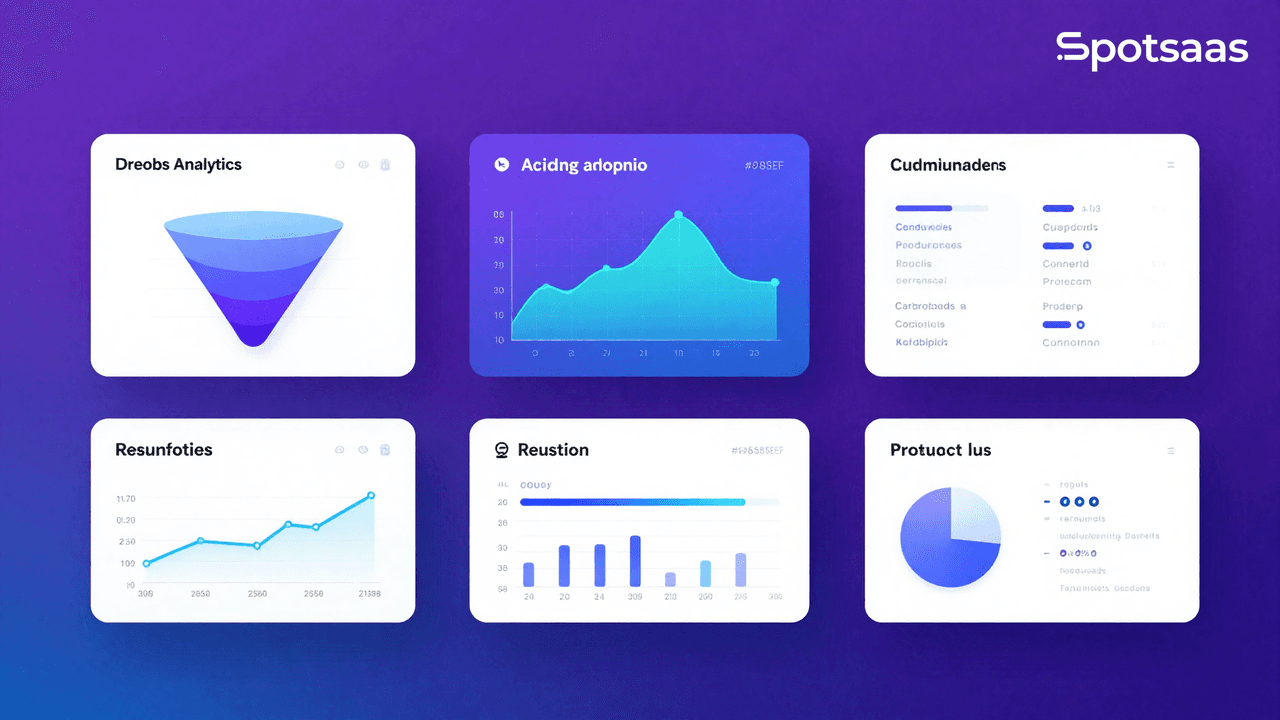
What Is Product Analytics Software and How Does It Improve Digital Products?
Product analytics software helps organizations monitor, evaluate, and improve their products by tracking user behavior, feature usage, and performance metrics. It provides data-driven insights, enabling teams to optimize features based on customer preferences, enhance satisfaction, and maximize efficiency.
Essential for digital products like mobile apps, websites, and software, it gives informed decision-making and better outcomes.
Why Should Businesses Use Product Analytics Software for Growth and Retention?
Product analytics software allows businesses to comprehend how users interact with the product and make decisions based on relevant data. Discovering user behavior, optimizing features, and improving retention are tools that create a better product experience and better business results.
Understanding User Behavior with Product Analytics Insights
The software can offer profound discovery of user interaction, often revealing patterns, pain points, and features loved by users. This enables a more user-centric product journey toward satisfaction and an engaged user.
Improving User Retention Rates Through Product Analytics
Trend analyses using user behavior observation will also shape the organization’s features to keep users within it while responding proactively to users’ needs, enhancing loyalty, and bringing customers back to the product.
Optimizing Product Features Using Data from Product Analytics
Analytics would determine features that add value to users and underused or ineffective ones. Organizations may put more resources into refining well-received features while needing much less effort to discontinue or improve the lower-performing features in an efficient product development process.
Enhancing Business Decision-Making with Product Analytics Data
Improve decision-making Decision-making is driven by data-backed insights derived from product analytics, which indicate where and on which initiatives to invest resources. With evidence-based decision-making, organizations can focus on matters that truly affect user satisfaction and the growth of the business.
Boosting Revenue by Optimizing User Journeys with Product Analytics
Product analytics bridge user jinxes in travel points where users fall out before making purchases, fine-tuning these user touchpoints for a smoother user experience for conversion, sales, and value throughout the customer’s life cycle.
What Are the Key Features of the Best Product Analytics Tools?
A strong set of tools is made available through product analytics software to assist the business in grasping and enhancing user experiences. With journey mapping, event tracking, and A/B testing as features, organizations are set to clear next steps, optimized product performance, and performance-based decisions on what users require.
Visualizing User Journeys with Product Analytics Mapping
User journey mapping allows businesses to visualize users’ pathways through their product, from entry points to desired outcomes. By identifying drop-off points or bottlenecks, teams can optimize navigation and reduce friction, creating a smoother and more satisfying user experience.
It also helps prioritize improvements by focusing on the most critical stages of the user flow, ultimately enhancing conversions and retention.
Tracking User Events for Better Product Optimization
Event tracking provides detailed insights into user interactions by monitoring specific actions, such as button clicks, video views, or downloads.
This granular data helps businesses understand user intent and improve features or functionality to meet user expectations effectively. By tracking these events over time, companies can detect behavioral trends and identify opportunities for further engagement.
Analyzing Conversion Funnels to Reduce User Drop-Offs
Funnel analysis helps businesses understand the conversion funnel by analyzing dropouts at key stages such as registration and checkout. By highlighting weak points, teams can obtain targeted solutions, which further improve user flow and conversion rates.
This increases revenue and user satisfaction while making the processes more easy-to-use and efficient.
Using Group (Cohort) Analysis to Improve User Engagement
Group analysis is a method of grouping users based on similar actions, such as when they signed up or used features.
By tracking interest across these cohorts, retention or engagement trends can be identified, the effects of changes measured, and strategies adapted for the specific cohorts. This targeting ensures that the most significant resource effectiveness is achieved in maximizing retention and overall value.
Testing Product Variations with A/B Tools for Data-Driven Results
A/B testing allows teams to try different product designs, features, or workflows on a particular group of users or customers and see how they respond.
In identifying the most effective variations, product improvement decisions are backed by user preferences and measurable benefits, such as returns. It also minimizes risks associated with new features that are validated before deployment.
What Are the Benefits of Using Product Analytics Software?
Product analytics software enables a company to understand its users’ behavior, better engage them, and improve its product performance. Through data-driven insights, an organization can create experiences that lead to more users returning and better ROI for growth and scalability.
Creating Enhanced User Experiences with Product Analytics
Analytics software for products reveals user preferences, frictions, and behaviors, thus enabling teams to architect products that are much more intuitive and engaging. Fixing user frustrations and improving well-liked features creates the conditions for offering an experience where users will be contented and loyal.
Making Data-Driven Business Decisions with Product Analytics
Harnessing the power of real-time and historical data enables product teams to make strategic, informed decisions that enhance product development and elevate marketing strategies.
This approach drives success and ensures that every decision is backed by insightful analytics, leading to greater market impact. This ensures that resources are allocated effectively with little guesswork and that activities are prioritized to align with user needs and business goals.
Increasing User Retention Through Targeted Product Improvements
Product analytics helps determine the aspects that lead to user attrition, such as humorous features or unmet requirements. By implementing particular improvements and proactive measures, businesses can increase the duration that users stay, intensify and promote interaction, and possibly retain loyalty.
Achieving Better ROI with Product Analytics Insights
Such insights optimize the development and marketing measures and channel the maximum value for expenditure on these investments as enhanced engagement of users by retention and conversion directly converts into higher profits and better returns on investment.
Speeding Up Product Development Cycles with Analytics
With clear insight and understanding of tests and updates, these tools contribute to faster iteration of product improvement releases and competitive advantage with the pace of the market.
Scaling Product Analytics Capabilities for Growing Businesses
The means of product analytics software expand as companies grow to accommodate bigger datasets for analysis and conduct much more complex analytics, thus keeping those insights flowing and efficiencies operational.
This scalability, backed by long-term growth, allows organizations to better prepare for changing user needs and the evolving market landscape.
What Types of Product Analytics Software Are Available?
Cloud-Based Product Analytics for Flexible, Real-Time Insights
Cloud tools have several points to consider. They can allow work online and update information in real-time, so they are flexible and great for companies with distributed teams.
They save businesses from overheads in their IT budgets because no on-ground or onsite infrastructure is needed. Most of all, direct integration with other cloud tools can be achieved.
On-Premises Product Analytics for Secure Data Control
On-premises analytics products are installed directly on company-provided servers to enhance control and data security. Industries such as healthcare or finance often prefer these types of tools since they are highly compliant with their regulatory needs, where sensitive or personal information should not be kept outside the organization but only within.
Open-Source Product Analytics for Customizable Solutions
Open-source tools can provide very high levels of customizability. This allows users to manipulate the program to meet their needs. However, such products are not easily set up or maintained, requiring some technological expertise.
Hence, they are not favored much, but they tend to give freedom and save much money for agile tech teams that desire a little more specialized function.
Integrated Product Analytics Platforms for a Unified Data View
Integrated, go ahead and get product analytics merged to combine all the other business systems functional with it, such as CRM, ERP, or marketing tools, for a unified view of data. Such a holistic view lets parties work better, share better, and make better decisions.
How Do You Choose the Best Product Analytics Software for Your Business?
Selecting the right product analytics software is essential for understanding user behavior, enhancing product performance, and enabling data-driven decisions.
Setting Clear Goals for Your Product Analytics Software
Establishing clear goals ensures the chosen software aligns with your business objectives and maximizes its value.
Core Objectives for Your Product Analytics Software
Tracking and Understanding User Behavior
Product analytics software reveals patterns in how customers interact with your product, helping you identify popular features, bottlenecks, and areas of friction. Understanding these insights ensures a better alignment of your product with user expectations.
Improving Your Product’s Performance
With detailed metrics on product performance, teams can fine-tune underused features, improve interface design, and eliminate inefficiencies, creating a more smooth and engaging user experience.
Boosting Retention and Engagement
By identifying factors that drive user churn and engagement, analytics tools enable you to refine strategies to keep customers returning and enhance lifetime value.
Making Data-Driven Decisions
Real-time data gives teams to act on reliable insights rather than assumptions. Data-backed decisions help reduce risks and enable precise adjustments in product strategies.
Enabling Better Cross-Team Collaboration
Analytics tools provide a unified platform for sharing insights across teams. This builds better alignment between product, marketing, and customer success departments. This simplifies workflows and improves outcomes.
Which Product Analytics Software Models Should You Consider?
Determining the types of product analytics software available is key to finding the best fit for your organization.
Main Types of Product Analytics Software
Cloud-Based Product Analytics Options
Cloud-based solutions offer accessibility and scalability. This makes them ideal for businesses with distributed teams. Automatic updates and minimal infrastructure requirements reduce IT overhead while ensuring high availability.
On-Premise Product Analytics Solutions
On-premise solutions are tailored for businesses prioritizing data control and meeting stringent compliance requirements. They are particularly well-suited for regulated industries such as healthcare or finance.
Open-Source Product Analytics Tools
Open-source tools allow teams to customize software to meet specific needs. While requiring technical expertise, these tools can be cost-effective and adaptable for companies seeking a unique solution.
Enterprise-Level Product Analytics Software
Designed for large organizations, enterprise-grade tools offer strong functionality, including multi-channel tracking, advanced reporting, and predictive analytics. They support complex data ecosystems and cater to high-volume requirements.
How Can You Identify Your Data Requirements?
Identifying your data needs ensures that the product analytics software integrates directly and supports operational goals.
Ensuring Smooth Data Integration
Integrating CRM and ERP Systems
CRM and ERP systems integrate data from different sources. This offers a holistic view of customer journeys and operational performance.
Connecting Marketing Platforms
Linking to marketing tools helps measure campaign impact on product usage. This enables teams to optimize marketing spend and better align strategies.
Linking Customer Support Tools
Integration with support platforms uncovers recurring issues and user feedback. This helps teams address problems and improve customer satisfaction.
Using BI Tools for Deeper Insights
Business intelligence integration enhances reporting capabilities. This enables advanced visualizations and complete insights for informed decision-making.
What Features Should You Look for in Product Analytics Software?
Strong features ensure the software meets your analytical and strategic needs.
Must-Have Core Features
Tracking User Behavior Effectively
By monitoring user interactions like clicks, scrolls, and session durations, we uncover powerful insights into what users love and where they might face challenges. This data highlights preferences and can help us enhance the overall user experience!
Using Funnel Analysis to Improve Conversions
Funnel visualization identifies where users drop off during their journey. This helps prioritize improvements that lead to higher conversion rates.
Applying Cohort Analysis for Better Insights
Grouping users by behaviors or shared attributes over time reveals trends. This makes it easier to tailor strategies for different segments.
Monitoring Retention Metrics
Retention data highlights user loyalty and product stickiness. This enables teams to develop features that keep users engaged.
Supporting A/B Testing Efforts
Built-in tools for testing variations of features or designs help teams determine the most effective options for improving user satisfaction.
Powerful Advanced Features
Leveraging Predictive Analytics
AI-powered predictions identify emerging trends. This enables proactive decision-making and reduces potential risks.
Managing Access with Role-Based Controls
Restricting access ensures sensitive data remains secure while allowing relevant teams to collaborate efficiently on shared metrics.
Tracking Across Platforms
Unified device tracking ensures consistent user experiences and provides a complete view of customer behavior.
Creating Customizable Dashboards
Tailored dashboards allow team members to focus on relevant KPIs. This simplifies workflows and raises productivity.
How Do You Assess Reporting and Insights Effectively?
Effective reporting capabilities provide clear next steps and support strategic decision-making.
Detailed Granular Reporting
Mapping the User Journey
Visualizing user journeys identifies bottlenecks and highlights areas for improvement. This improves navigation and usability.
Gathering Feature Usage Insights
Tracking feature adoption rates ensures resources are allocated effectively, focusing on what delivers the most value to users.
Useful Visualization Tools
Working with Interactive Dashboards
Dynamic dashboards provide real-time updates on key metrics. This makes it easier for teams to respond to changing trends and needs.
Exporting Reports Easily
Reports in PDF, Excel, or custom formats enable smooth sharing of insights with stakeholders. This supports transparency and collaboration.
What Pricing Models and Costs Should You Consider?
Evaluating pricing models helps ensure the chosen software meets your analytical needs without exceeding budget constraints.
Common Pricing Models
Understanding Subscription Plans
Regular monthly or yearly fees include software updates and support. This offers predictable costs for businesses with ongoing needs.
Exploring Per-User Pricing
Charging based on the number of active users makes this model scalable and adaptable for various organizations.
Considering Custom Pricing
Tailored pricing plans cater to enterprises with complex needs. This ensures access to advanced features and dedicated support.
How Do You Ensure the Software Scales with Your Needs?
Scalable software ensures that as your business grows, the tool remains efficient and continues to deliver value.
Important Scalability Factors
Supporting a Growing User Base
The software should handle a growing number of users without compromising performance. This ensures smooth scaling.
Offering Multi-Platform Support
Adding support for new devices or platforms ensures consistent tracking as your product portfolio or market expands.
Enhancing Collaboration Features
Built-in task management and communication tools ensure teams remain aligned, even as operations grow more complex.
How Can You Evaluate Support and Training Effectively?
Complete support and training resources help teams adopt the software effectively and maximize its potential.
Strong Customer Support Options
Providing 24/7 Support
Round-the-clock assistance ensures technical issues are resolved quickly. This reduces disruptions to workflows.
Training and Resource Options
Offering Tutorials and Certifications
Detailed guides, live training sessions, and certifications enable teams to use the software confidently and efficiently.
How Do the Leading Product Analytics Tools Compare?
High-quality analysis appliances include many useful functions in behavioral analysis, event recording, and UX-enhancing productive features. Overall, a study of cost and performance comparisons and a few notable customers informs a business concerning the most suitable tool from the innumerable market tools.
| Tool | Pricing | Best For | Key Features | Notable Customers |
|---|---|---|---|---|
| Mixpanel | Starts at $25/month | Behavioral analytics | Cohort analysis, funnel tracking | Uber, BMW |
| Amplitude | Custom Pricing | Advanced user insights | Event tracking, predictive analytics | PayPal, Twitter |
| Heap | Starts at $3,600/year | Automatic tracking | Real-time insights, user journeys | Microsoft, Atlassian |
| Pendo | Custom Pricing | Product adoption | User feedback, feature usage | Cisco, Zendesk |
| Hotjar | Starts at $39/month | UX improvements | Heatmaps, session recordings | Shopify, HubSpot |
Final Verdict on Choosing the Right Product Analytics Software
The correct product analytics software would be a strategic investment in your product’s future success. With the right tools, you can expose deep insights into user behavior, simplify decision-making, and create an environment of continuous improvement.
Whether it be user journey optimization or revenue generation, product analytics give you the information to take decisive action. Enable your team with access to the right platform, leading to new dimensions of growth and engagement.

- Independent picks for exactly what you just read about
- Matched to your team size & needs
- Vendors don't pay for placement
Step 1 of 4
How big is your team?
We tailor recommendations to companies your size.















Related Articles
Buyers guide
Twilio Alternatives 2026: 6 Compared and What They Cost
Continue reading →
Buyers guide
How To Choose The Best Auto Dialer Software For 2026
Continue reading →
Buyers guide
How To Choose The Best Freelance Platforms For 2026
Continue reading →

Buyers guide
How To Choose The Best Audience Response Software For 2026
Continue reading →