
What Are Podcast Hosting Platforms?
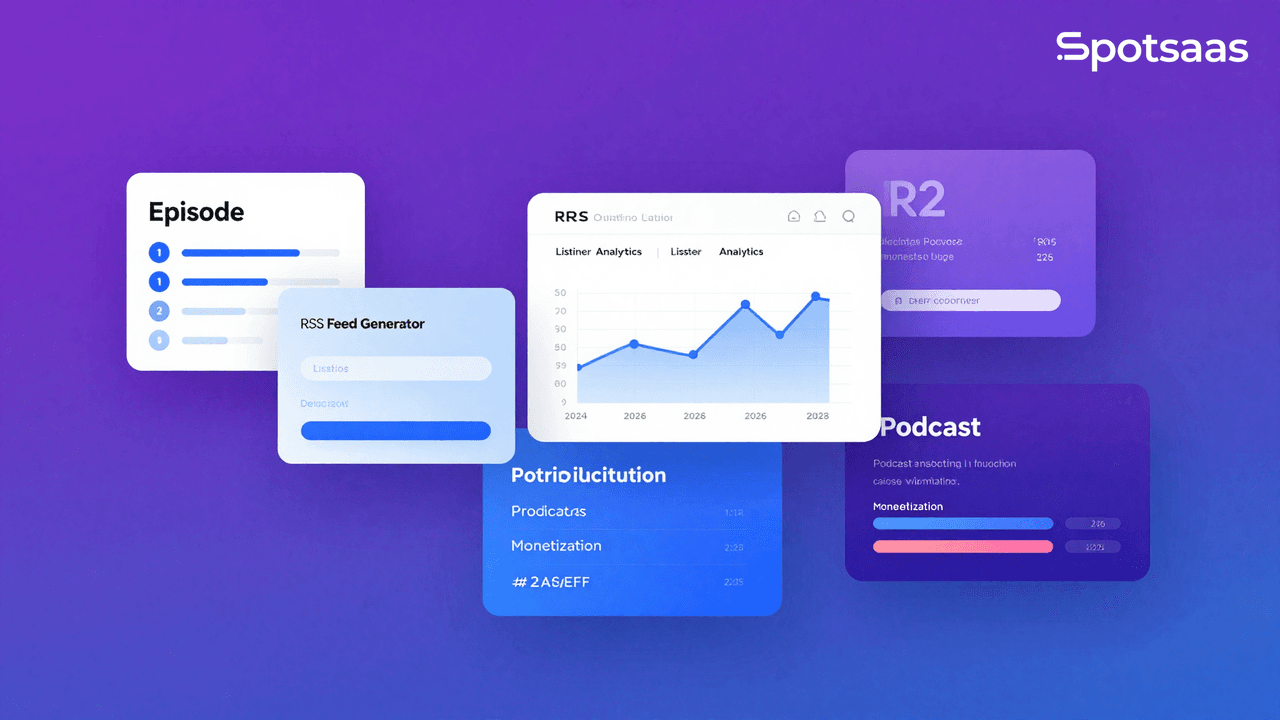
Podcast hosting platforms are digital services that store, distribute, and manage podcast audio files. They provide podcasters with tools for uploading episodes, generating RSS feeds, distributing content to directories like Apple Podcasts and Spotify, and analyzing listener engagement.
These platforms make podcasting easier. This allows creators to concentrate on content creation instead of technical management. Many podcast hosts offer monetization options, advanced analytics, and integration with social media and websites for better audience reach. With cloud-based storage and automated distribution, podcasters can quickly scale and grow their audience globally.
Why Use a Podcast Hosting Platform?
Podcast hosting platforms simplify content distribution, storage, and audience analytics. This ensures smooth performance and global reach. They help creators automate RSS feed generation, manage bandwidth, and monetize content. Leading platforms like Buzzsprout, Podbean, and Anchor provide essential podcast growth and engagement tools.
Reliable Storage and Bandwidth
Podcast hosting platforms provide secure storage and high bandwidth to ensure smooth audio playback. They prevent buffering issues and optimize content delivery across multiple platforms. With cloud-based storage, podcasters can easily access and manage their episodes. Reliable hosting guarantees a smooth experience for listeners worldwide.
Automated Distribution to Major Podcast Directories
They also automatically syndicate episodes into RSS feeds, which allow automatic distribution to Apple Podcasts, Spotify, Google Podcasts, and more. This saves a lot of time and increases distribution because it instantly makes the content available on various platforms, thus eliminating manual uploads. Podcasters can thus focus on creating content while distribution happens automatically.
Advanced Analytics and Audience Insights
Podcast hosting services provide in-depth analytics on listener demographics, download trends, and engagement. These insights help podcasters understand their audience and optimize content for better retention. Analytics tools also track listening habits. This allows creators to adjust release schedules and marketing strategies. This data-driven approach helps maximize podcast growth and monetization.
Monetization and Sponsorship Opportunities
Many podcast hosting services have built-in monetization options, including ads, premium subscriptions, and listener donations. Podcasters’ revenue is generated through dynamic ad insertion, sponsorships, or paid content. Some platforms connect creators with advertisers based on audience insights. These monetization features help turn podcasting into a sustainable business.
Built-in Website and Embeddable Players
Some podcast hosting services offer customizable websites and embeddable audio players. With these tools, podcasters can showcase episodes on their websites or blogs. The embeddable players ensure easy access for listeners without requiring podcast apps. A built-in website also strengthens branding and boosts discoverability via SEO.
Simplified Podcast Editing and Management
Many platforms simplify production by including podcast editing, scheduling, and transcription tools. Podcasters can edit episodes, enhance sound quality, and add automated transcripts. Some services offer AI-driven editing features that remove background noise and improve clarity. Built-in management tools simplify workflow. This makes podcast production more efficient.
Collaboration and Team Management
Multi-user access and team collaboration tools make working together easier for podcast teams. Hosting platforms allow co-hosts, editors, and producers to manage tasks efficiently. Role-based access ensures team members can handle specific responsibilities, such as uploading episodes or tracking analytics. These features help teams stay organized and productive.
Key Features of Podcast Hosting Platforms
Modern podcast hosting platforms offer unlimited storage, automated RSS feed distribution, monetization tools, and in-depth analytics. They provide direct integration with podcast directories and customizable branding options. Popular hosts such as Captivate, Libsyn, and Megaphone cater to various podcasting needs.
Unlimited or Scalable Storage Plans
Podcast hosting platforms offer unlimited or scalable storage to accommodate various podcasting needs. Podcasters can upload multiple episodes without worrying about file size restrictions or bandwidth limitations. This feature is essential for long-form content creators who produce frequent or high-quality audio files. Many platforms provide cloud-based storage. This ensures data security and easy access. Scalability allows podcasters to upgrade their plans as their audience and content grow. With ample storage, creators can maintain a complete archive of past episodes without restrictions.
Automatic RSS Feed Generation
Hosting platforms automatically generate an RSS feed that syndicates podcast episodes to directories like Apple Podcasts, Spotify, and Google Podcasts. This eliminates manual submissions and ensures new episodes instantly reach audiences. RSS feed automation helps podcasters maintain consistency in distribution. This improves discoverability. Platforms update feeds with episode metadata, artwork, and descriptions for a professional presentation. This feature simplifies content delivery and enhances audience engagement. Reliable RSS feed generation is essential for growing and maintaining a podcast’s reach.
Podcast Analytics and Listener Reports
Advanced analytics provide useful detail into listener demographics, device usage, and audience engagement trends. Podcasters can track metrics like download numbers, retention rates, and geographic distribution to refine their content strategy. These insights help them understand which episodes perform best and what improvements can be made. Analytics also assist in targeting advertising opportunities. This makes sponsorship pitches more effective. Many platforms provide heat maps showing where listeners drop off. This allows creators to adjust content accordingly. Data-driven decisions improve listener retention and overall podcast success.
Monetization Tools
Podcast hosting services offer built-in monetization features, such as ad placements, listener donations, premium subscriptions, and sponsorship opportunities. Dynamic ad insertion allows targeted advertisements based on listener location and behavior. Many platforms integrate with crowdfunding services like Patreon to enable direct audience support. Subscription-based models provide exclusive content for paying members. This improves revenue streams. Sponsorship marketplaces connect podcasters with potential advertisers. This makes monetization easier. These tools help creators turn their passion into a sustainable business while maintaining creative control.
Custom Podcast Website and Branding
Some podcast hosts provide customizable websites and branding tools to enhance a podcast’s online presence. These websites feature podcast episodes, show descriptions, social media links, and listener engagement tools. Built-in SEO features help episodes rank higher on search engines, increasing discoverability. Custom branding ensures a consistent visual identity across all platforms. Some hosts offer blog integration. This allows podcasters to complement their episodes with written content. A dedicated website is a central hub for audience interaction and direct episode streaming.
Episode Scheduling and Content Management
Podcast hosting platforms allow creators to schedule episodes in advance. This ensures timely and automated content releases. Scheduling helps maintain consistency, essential for audience retention and podcast growth. Many hosts offer content management tools that organize episodes into categories or seasons. Some platforms also enable automatic removal or re-publishing of old episodes. This optimizes content visibility. Efficient scheduling and management tools help podcasters simplify their workflow and maintain an organized content library.
Embeddable Podcast Players
Many podcast hosts offer embeddable audio players that allow creators to add episodes directly to their websites, blogs, and social media pages. These players make it easier for listeners to access content without needing a separate app. Customizable designs enable podcasters to match the player’s appearance to their branding. Some players include speed control, episode downloads, and playlist creation. Embedded players increase engagement by offering a smooth listening experience for audiences across different platforms.
Transcription and Accessibility Features
Podcast hosting platforms with transcription features generate text versions of episodes. This improves accessibility for deaf listeners. Transcripts also boost SEO by making podcast content searchable on search engines. Some hosts offer automatic subtitles for video podcasts. This improves reach on platforms like YouTube. Transcription tools help podcasters repurpose content into blog posts, newsletters, and social media captions. Increased accessibility helps to meet the legal requirements and extends the audience. Accessible content allows podcasters to reach a wider audience.
Benefits of Podcast Hosting Platforms
These platforms make it easy to handle podcasts, enhance listener engagement, and provide multiple ways of monetization. They provide high-quality streaming, SEO optimization, and scalability for podcasts. Some trusted hosts include Simplecast, Spreaker, and Transistor.
Simplified Podcast Distribution
Hosting platforms automate podcast syndication. This ensures episodes reach listeners across multiple platforms instantly. This eliminates the hassle of manual uploads and improves content visibility. Automated distribution expands audience reach. This makes podcasts available on primary streaming services. Some hosts also provide social media integrations. This enables smooth episode sharing. Consistent and automated distribution increases listener engagement and brand recognition.
Professional Audio Hosting and Performance
Reliable podcast hosting ensures high-quality streaming and smooth playback without buffering or interruptions. High-bandwidth servers accommodate large audiences. This makes them ideal for podcasts with growing listener bases. Platforms use optimized compression techniques to maintain sound quality while reducing file sizes. Secure hosting prevents data loss and ensures podcasts remain accessible at all times. Professional hosting platforms enhance credibility and provide an uninterrupted listening experience.
Better Audience Engagement and Growth
Analytics tools help podcasters understand audience preferences, leading to improved content strategies. By tracking listener behaviors, creators can adjust episode length, format, and topics to retain engagement. Hosting platforms with audience interaction features, such as listener comments and episode polls, boost community building. Growth strategies like email marketing and direct listener feedback help strengthen connections. By using insights and engagement tools, podcasters can create compelling and targeted content.
Revenue Generation and Monetization
Many podcast hosts provide multiple monetization options, including dynamic ads, sponsorships, and premium subscriptions. Creators can generate passive income through listener donations or crowdfunding. Sponsorship opportunities connect podcasters with advertisers. This helps them monetize their audience effectively. Subscription-based models allow for exclusive content and ad-free experiences. Monetization tools enable podcasters to turn their hobby into a profitable venture.
Improved Content Organization and SEO
Hosting platforms optimize podcast metadata, transcriptions, and episode indexing to enhance search engine visibility. Transcribed episodes improve accessibility and make content searchable. Some platforms offer keyword tagging and episode categorization for better content organization. SEO-friendly podcast pages help attract new listeners through organic search. Well-structured content improves discoverability and audience retention.
Scalability for Growing Podcasts
Podcast hosting services support content creators at every stage, from small-time beginners to large-scale podcasters whose audience is increasing. Advanced plans come with unlimited storage, analytics, and monetization tools. Enterprise-level hosting solutions are specifically for professional content creators and media networks. Scalable hosting allows smooth performance with whatever size audience the podcaster is dealing with. Podcasters can upgrade their features and storage with an increasing number of listeners.
Types of Podcast Hosting Platforms
Podcast hosting services range from beginner-friendly platforms to enterprise-level solutions with advanced monetization and analytics. Some specialize in video podcasting, while others offer self-hosted options.
Beginner-Friendly Podcast Hosting
Beginner-friendly platforms offer simple and intuitive interfaces with free or low-cost plans. These platforms are designed for new podcasters who want an easy setup without technical complexities. They provide basic analytics, automated distribution, and built-in editing tools. Free plans often contain storage and bandwidth limitations but allow new creators to start podcasting with minimal investment. These hosts are ideal for hobbyists and individuals exploring podcasting.
Examples: Anchor, Podbean
Advanced Hosting with Monetization Features
Such platforms are primarily for professional podcasters who want advanced tools, including dynamic ad insertion, listener subscriptions, and detailed analytics. Advanced hosting also offers more room for customized branding and audience engagement options. Monetization tools generate revenue through multi-streams, sponsorships and premium content, and provide insight into listeners.
Examples: Buzzsprout, Captivate
Enterprise-Level Podcast Hosting
Enterprise-grade podcast hosting platforms are designed for businesses, media networks, and high-traffic podcasters. They offer strong analytics, white-label branding, and extensive monetization tools. These services provide dedicated servers, priority customer support, and high-bandwidth streaming for large audiences. Businesses use enterprise hosting for internal communication, branded podcasts, and large-scale media distribution.
Examples: Megaphone, Simplecast
Video Podcast Hosting
Video podcast hosting platforms support audio and video podcasting. This ensures smooth distribution to platforms like YouTube and Vimeo. These hosts provide features like multi-camera support, HD video streaming, and automatic transcription. They enable podcasters to expand their reach by appealing to audio and visual audiences. Some platforms also offer live-streaming capabilities for interactive episodes.
Examples: Riverside.fm, Libsyn
Self-Hosted Podcast Platforms
Self-hosted podcasting allows creators to control their content by hosting files on their servers. This option provides maximum customization, flexibility, and independence from third-party restrictions. Self-hosted solutions often require technical knowledge but offer unlimited storage and monetization freedom. They are ideal for businesses or creators seeking full ownership of their podcast brands.
Examples: Blubrry, Castos
How to Choose the Best Podcast Hosting Platform
Choosing the right podcast hosting platform is essential for creators looking to distribute their podcasts efficiently, manage audio files, and track performance. A reliable hosting platform ensures smooth publishing, easy distribution to podcast directories, and strong analytics to track audience engagement.
The best platform will support your content needs while offering tools that help with monetization, episode management, and scaling as your audience grows.
What goals should you set before choosing a podcast hosting platform?
Determining your objectives is essential before selecting a podcast hosting platform. Whether you are starting a personal podcast, growing a business podcast, or looking to manage a network of shows, knowing your goals will help you choose the right platform that supports your needs.
Maximize Distribution
The platform should support easy distribution to major podcast directories like Apple Podcasts, Spotify, Google Podcasts, and others. Simple syndication ensures your podcast reaches the widest audience possible.
Optimize Podcast Monetization
The hosting platform should provide tools for monetization, such as dynamic ad insertion, listener support options, and subscription-based models, for creators looking to generate income.
Manage Episodes & Audio Files
The platform must enable straightforward management of podcast episodes, including uploading, scheduling, and organizing them. It should also support high-quality audio file formats to ensure optimal listening experiences.
Provide In-Depth Analytics
A strong analytics dashboard is critical for tracking listener demographics, engagement, and performance. Understanding audience behavior helps refine podcast strategies and improve content offerings.
What models of podcast hosting platforms can you choose from?
Understanding the different models of podcast hosting platforms helps you choose the right one for your needs. Some platforms cater to individuals, while others are designed for business or multi-show podcast networks.
Cloud-Based Podcast Hosting
Cloud-based platforms offer scalable storage and easy access to your content, allowing for quick uploads, edits, and episode management from anywhere. These platforms provide direct integrations and are ideal for creators looking for flexibility and scalability.
On-Premise Podcast Hosting
On-premise hosting solutions are suitable for organizations that prefer to manage everything in-house, from storage to analytics. While more secure, these platforms require dedicated IT resources to maintain and operate.
All-in-One Podcast Hosting Solutions
All-in-one platforms provide hosting, distribution, analytics, and monetization tools in one place. These solutions are great for podcasters looking for a single platform to manage all aspects of their podcasting operations.
Specialized Podcast Hosting for Networks
Podcast networks with multiple shows benefit from platforms designed to manage various podcasts. These platforms often include advanced features like centralized episode management, advanced reporting, and monetization tools that cater to network growth.
How should podcast hosting platforms handle data and integrations?
Podcast hosting platforms must integrate with other tools and systems to ensure smooth workflows, improve listener experience, and capture valuable data.
Analytics & Reporting Tools
Integration with analytics tools allows podcasters to track metrics such as downloads, listeners, episode performance, and engagement trends. These insights are critical for growing an audience and improving content.
Social Media Integration
Look for hosting platforms that allow you to share your podcast episodes on social media platforms like Twitter, Facebook, and Instagram.
Payment & Monetization Tools
For monetization purposes, podcast hosting platforms should integrate with payment systems for listener donations, subscriptions, or ads. This enables podcasters to easily manage revenue streams.
Email Marketing Systems
Integration with email marketing platforms like Mailchimp allows podcasters to send newsletters, updates, or new episode alerts directly to their audience. This drives engagement and listener retention.
What features should you prioritize in a podcast hosting platform?
A good podcast hosting platform should offer a range of features that help podcasters manage, grow, and monetize their content effectively.
Core Features
→ High-Quality Audio Hosting: The platform should provide strong storage and streaming for high-quality audio files, ensuring clear, crisp playback without buffering or quality loss.
→ Easy Episode Management: Look for platforms that offer intuitive episode management tools. You should be able to upload, schedule, and organize episodes with minimal effort, including batch uploads and versioning.
→ Distribution to Multiple Directories: The hosting platform should allow for easy distribution to various podcast directories and streaming platforms. This saves time and effort for podcasters who want to reach a broad audience.
→ Dynamic Ad Insertion: Dynamic ad insertion enables the placement of ads at specific points in your episodes, either through pre-recorded content or dynamically generated based on your audience’s profile. This feature is key for monetizing podcasts effectively.
→ Automatic Transcription: Automatic transcription can help you reach a wider audience by providing written versions of your episodes. This improves accessibility and SEO performance.
Advanced Features
→ Multi-Show Management: For those managing multiple podcasts, the software should offer multi-show management features, including separate analytics, episode scheduling, and distinct distribution channels for each podcast.
→ Private Feeds & Premium Content: Some platforms offer private podcast feeds or premium subscription content options. This makes monetizing your podcast through membership-based or exclusive content models easier.
→ Listener Engagement Tools: Look for platforms with engagement features such as comment sections, listener feedback, or interactive elements like polls and Q&As that build audience participation.
→ API Access: API access allows advanced users or businesses to integrate with other tools and custom workflows, providing flexibility for podcasters with complex needs or those who want to extend the platform’s capabilities.
→ Automated Marketing Tools: Many podcast hosting platforms now offer automated marketing tools, including episode announcements, social media integration, and email marketing campaigns that help grow your audience.
How can reporting and analytics improve podcast growth?
Analytics and reporting are vital to tracking podcast performance, audience growth, and engagement. A good podcast hosting platform should provide in-depth insights into your show’s success.
Granular Reporting
→ Download & Streaming Statistics: Tracking downloads and streams helps podcasters understand the most popular episodes and how their audience interacts with the content.
→ Listener Demographics: Understanding your audience’s location, device usage, and listening habits is essential for tailoring content, ads, and promotional strategies to maximize impact.
→ Revenue & Monetization Reports: Revenue tracking is essential for podcasters looking to monetize their shows. Look for platforms that provide detailed reports on ad revenue, listener subscriptions, and donation tracking.
Visualization Tools
→ Custom Dashboards: Customizable dashboards provide an overview of essential metrics, allowing podcasters to quickly assess performance and track key data points, such as downloads, demographics, and earnings.
→ Exportable Reports: Exporting reports in different formats, like PDF or CSV, make sharing data with stakeholders, team members, or clients easy and ensures that insights are accessible for analysis.
How do pricing models affect your podcast hosting choice?
Pricing is an essential factor to consider when choosing a podcast hosting platform. Evaluate how the pricing structure meets your requirements, budget, and goals for podcast growth.
Subscription-Based Pricing
Most podcast hosting platforms use subscription-based pricing, with different tiers depending on the features you need, such as storage space, the number of episodes, and access to advanced features.
Pay-Per-Use Pricing
Pay-per-use pricing models are ideal for podcasters who don’t need a full-featured hosting plan or who only release episodes occasionally. This model charges based on usage, such as the number of episodes or downloads.
Custom Pricing Plans
Custom pricing plans are tailored for more extensive podcast networks or businesses with specific needs. These plans often offer additional support, custom features, and bulk storage.
How can you ensure scalability with podcast hosting platforms?
Podcast hosting platforms should grow with your show. As your audience expands, the platform should be able to handle more episodes, increased storage needs, and higher traffic.
Support for High-Volume Traffic
If your podcast becomes popular, the platform should scale to handle high traffic and downloads without compromising speed or reliability.
Multi-Podcast Management
For creators with multiple shows or podcast networks, look for platforms that allow you to manage different podcasts under one account, including centralized analytics and episode management.
Flexibility for Growing Needs
Scalable platforms allow podcasters to add more features, upgrade storage, and access additional tools as their podcast grows.
How important are support and training resources in podcast hosting?
Complete support and training ensure you get the most out of your podcast hosting platform.
24/7 Availability
Choose a platform that offers 24/7 customer support to ensure technical issues are addressed quickly, keeping your podcasting process uninterrupted.
Onboarding & Tutorials
Onboarding guides, video tutorials, and help centers should be available to help you quickly and efficiently get started with your podcast hosting platform.
Which podcast hosting platforms are the best?
Comparing top podcast hosting platforms helps podcasters choose the best fit based on features, pricing, and scalability. Some focus on user-friendliness, while others offer premium tools for professionals. Platforms like Buzzsprout, Captivate, and Libsyn are strong for their reliability and performance.
| Platform | Pricing | Key Features | Best For | Customers |
|---|---|---|---|---|
| Anchor | Free | Unlimited hosting, Spotify integration | Beginners, hobby podcasters | New podcasters, indie creators |
| Buzzsprout | Free to $24/month | Podcast analytics, monetization tools | Growing podcasters | Small businesses, educators |
| Podbean | Free to $99/month | Ads marketplace, dynamic ad insertion | Monetized podcasts | Businesses, podcasters |
| Captivate | Starting at $19/month | Advanced analytics, sponsorships | Professional podcasters | Entrepreneurs, content creators |
| Simplecast | Starting at $15/month | Enterprise podcast hosting, analytics | Large-scale networks | Media companies, organizations |
| Megaphone | Custom Pricing | High-end monetization tools, ad targeting | Podcast networks | Large brands, businesses |
| Riverside.fm | Starting at $15/month | Video podcasting, live streaming | Video podcasters, interviews | YouTubers, broadcasters |
| Libsyn | Starting at $5/month | Podcast website hosting, multi-platform distribution | Established podcasters | Professionals, content marketers |
Final Thoughts on Choosing Podcast Hosting Platforms
Podcast hosting platforms are essential for podcasters looking to distribute, manage, and monetize their content efficiently. Whether you’re a beginner starting a new show or an experienced creator growing an audience, these platforms offer the tools needed to simplify production, improve accessibility, and maximize reach.
Choosing the exemplary podcast hosting service depends on storage needs, monetization options, analytics, and ease of use. With the right platform, podcasters can focus on delivering high-quality content while expanding their audience and revenue opportunities.

- Independent picks for exactly what you just read about
- Matched to your team size & needs
- Vendors don't pay for placement
Step 1 of 4
How big is your team?
We tailor recommendations to companies your size.















Related Articles
Buyers guide
Twilio Alternatives 2026: 6 Compared and What They Cost
Continue reading →

Buyers guide
How To Choose The Best Auto Dialer Software For 2026
Continue reading →
Buyers guide
How To Choose The Best Freelance Platforms For 2026
Continue reading →

Buyers guide
How To Choose The Best Audience Response Software For 2026
Continue reading →