
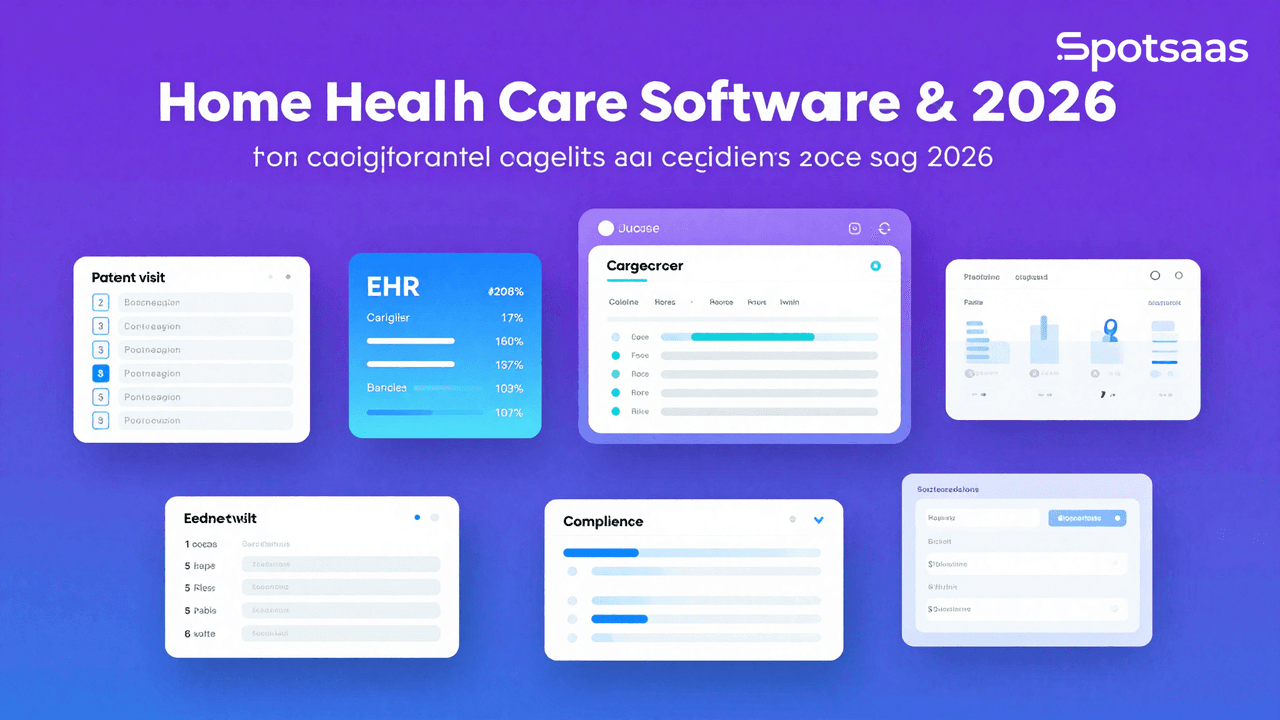
What Is Home Health Care Software and How Does It Work?
Home health care software is a digital system used to manage patients outside traditional hospital facilities, whether the care is delivered by a health care provider, an agency, or an individual caregiver. It handles administrative tasks such as EHR management, home visit scheduling, and regulatory documentation, replacing much of the paperwork that used to sit with office staff.
Agencies use this software to run operations more effectively, improve patient care, and keep accurate records while cutting down on manual paperwork.
Why Should Agencies Use Home Health Care Software?
Home health care software supports patient management, caregiver scheduling, and regulatory compliance in one place. It strengthens care coordination, cuts administrative workload, and keeps documentation on time. Automated billing and remote monitoring add efficiency and improve patient outcomes, while compliance tools help agencies stay within the rules as they deliver care.
Improving patient care management
Home health care software brings a patient’s charts, treatment plans, and medication schedules into one platform. Caregivers get up-to-date health information, which supports better decisions and more accurate, personalized care with fewer medical errors. The result is stronger continuity of care across different care settings.
Streamlining scheduling and workforce management
The software assigns visits to caregivers automatically based on availability and experience, cutting out scheduling conflicts and delays in patient care. Agencies can track workforce efficiency and optimize caregiver routes, and caregivers receive automated alerts whenever their schedules change.
Ensuring regulatory compliance and accurate documentation
Home health care software helps agencies meet HIPAA, Medicare, and Medicaid requirements by generating documentation and reports automatically. It keeps accurate records for audits and billing, and stores caregiver notes and treatment plans securely while keeping them easy to access. Compliance tracking lowers the risk of penalties and legal trouble.
Simplifying billing and payment processing
Billing software processes insurance claims, patient invoices, and Medicaid/Medicare reimbursements automatically, cutting down on errors that cause payment delays and denials. Agencies get better visibility into financial transactions and outstanding payments, and automated invoicing improves revenue cycle management for home health providers.
Supporting remote monitoring and telehealth integration
Most platforms include remote monitoring that tracks patient vitals, medication adherence, and symptoms in real time. Telehealth integration enables virtual consultations, cutting the need for in-person visits while improving patient engagement and access to medical opinions. Catching early warning signs this way helps prevent hospital readmissions.
Enhancing communication between care teams
Secure messaging and collaboration tools let caregivers, nurses, and physicians communicate directly. Timely updates keep the whole care team informed of patient changes, which reduces medical errors and improves overall care. Shared messaging and document access also make everyday workflows more efficient.
What Are the Key Features of Home Health Care Software?
Home health care software provides EHR management, automated scheduling, billing, claims processing, and compliance tracking. Care plan templates and medication management tools improve patient safety, mobile access lets caregivers update records from the field, and telehealth and remote monitoring support virtual care while cutting down on hospital visits.
Managing patient records with EHR systems
EHR systems store patient data, including medical history, diagnoses, medications, and treatment plans, in one platform. Caregivers and physicians can view and update records in real time, which cuts down on paperwork, improves care coordination, and keeps agencies compliant with health care regulations. Secure storage also protects patient privacy and record accuracy.
How automated scheduling and dispatching improve efficiency
Automated scheduling assigns caregivers by availability, location, and expertise, which prevents conflicts, reduces administrative workload, and keeps patient care consistent. Agencies can track visits, optimize caregiver routes, and send automated reminders, all of which improves resource management and cuts missed visits.
What billing and claims processing features are included?
This feature handles insurance verification, claim submissions, and invoice generation for Medicare, Medicaid, and private insurers. Automated billing reduces errors, prevents claim denials, and speeds up payment processing. Agencies can track outstanding payments and pull financial reports quickly, which improves cash flow and adds transparency to the books.
Tracking care plans and progress notes
Customizable templates help caregivers track care plans, treatment progress, and patient condition updates. Real-time note-taking keeps records accurate and compliant with regulatory requirements, so teams can track a patient’s progress and adjust treatment strategies as needed. Detailed progress notes also support audits, performance evaluations, and caregiver accountability.
Managing medications and reducing errors
Medication management tools track prescriptions, send automated reminders, and confirm proper dosage administration. Caregivers can monitor adherence and get alerts for missed doses, reducing medication errors. Integration with EHRs keeps prescription tracking and refills accurate, which improves patient safety and treatment effectiveness.
Improving caregiver workflows with mobile accessibility
Mobile access lets caregivers reach patient records, log completed visits, and get schedule updates from their phones, so documentation happens in real time. GPS tagging and time stamps confirm that visits actually took place, which improves field workflows and information exchange between caregivers.
Telemedicine and remote patient monitoring capabilities
Telehealth allows virtual consultations, so caregivers or patients can reach a physician without an in-person visit. Remote monitoring tools track vital signs, symptoms, and medication adherence, helping prevent hospital readmissions and ensure timely medical interventions. This extends the continuity of care to patients who live far from a clinic.
Tools for compliance and reporting
Compliance tools generate automated reports for HIPAA, Medicare, and Medicaid requirements. Agencies can track caregiver performance, audit patient records, and confirm regulatory adherence. Automated documentation lowers the risk of legal penalties and adds operational transparency, which strengthens accountability and agency credibility.
What Are the Benefits of Home Health Care Software?
Home health care software raises efficiency by automating time-consuming tasks such as scheduling and billing. Real-time access to patient data improves care quality and reduces readmissions, compliance tools help agencies meet regulatory requirements and limit legal risk, and secure communication improves collaboration between caregivers, patients, and families.
Increasing efficiency and productivity
Automating administrative tasks like scheduling, billing, and documentation frees up caregiver time for patient care. Less manual work means fewer errors and a smoother workflow, and automated reminders and real-time updates keep daily operations moving. The overall effect is better patient care and higher staff satisfaction.
Driving better patient outcomes
Real-time access to patient data lets caregivers offer timely, appropriate treatment. Tracking drug adherence and monitoring patients remotely can head off complications before they escalate, and quick access to medical records speeds up coordination with other providers. Better documentation means smoother continuity of care and fewer hospital readmissions.
Supporting compliance and risk management
Automated documentation and reporting help agencies follow health care regulations and industry standards. The system tracks caregiver notes, patient records, and billing information to cut down on errors and legal risk, while compliance reports support audits and accreditation. Solid risk management builds patient trust and operational reliability.
Helping agencies and patients save money
Home health care software cuts paperwork, trims administrative overhead, and optimizes staff allocation, all of which lowers costs. Faster billing and claims processing prevent revenue loss from denied claims, and patients benefit from remote monitoring that reduces unnecessary hospital visits. Efficient resource management improves an agency’s overall financial performance.
Engaging patients and families more effectively
Patient portals let patients track their care progress, message caregivers, and view their treatment plan. Secure messaging and real-time updates keep everyone informed on the current state of a patient’s health, which builds trust between patients, caregivers, and loved ones. Patients who stay engaged tend to follow their care plans more closely, which improves outcomes.
What Types of Home Health Care Software Are Available?
Comprehensive home health software covers all operations, while specialized solutions focus on scheduling, billing, or remote monitoring. Telehealth platforms enable virtual care, and personal care software supports non-medical services. Agencies can pick software based on their operational needs and patient care goals.
Comprehensive home health solutions
These all-in-one systems cover EHR management, scheduling, billing, and compliance for home health agencies. They simplify workflows and improve documentation and care coordination. Solutions like WellSky and Alora Home Health offer features suited to agencies of any size.
Scheduling-focused professional care software
This category focuses on scheduling and caregiver dispatching, built mainly for workforce and appointment management. Features include automated reminders, visit tracking, and route optimization. Platforms like AxisCare and ClearCare help agencies avoid scheduling conflicts and get more out of their staff, which is useful for agencies focused on efficient staff deployment.
Billing and claims management software
This software is focused on financial management, streamlining insurance claims, invoicing, and payments. It reduces claim denials and speeds up reimbursement from Medicaid, Medicare, and private insurers. Solutions such as Careficient and Axxess support accurate billing and financial transparency, which benefits agencies aiming to improve cash flow and cut administrative burden.
Telehealth and patient monitoring systems
These systems support virtual consultations, remote health checks, and real-time patient monitoring. They can integrate with wearable devices to track vital signs and alert patients to health concerns. Software such as Synzi and Vivify Health cuts down on unnecessary hospital visits and improves chronic disease management, which makes care more accessible and proactive.
Personal care management platforms
Non-medical home care software supports personal care, meal preparation, and companionship services. It lets agencies handle caregiver scheduling, service documentation, and client management. These platforms are built for companies specializing in elderly care, disability support, and daily living services, and they help those providers maintain quality of care.
How Do You Choose the Best Home Health Care Software?
Selecting the right home health care software matters for improving patient care, streamlining administrative tasks, and staying compliant with medical regulations. The choice affects caregivers, administrators, and the patients they serve, so it’s worth weighing carefully.
What goals should home health care software support?
Improve patient care management
Home health care software lets caregivers and medical staff centralize patient information, including medical history, treatment plans, and progress notes. That keeps relevant details available in real time, cutting down on miscommunication and improving the quality of care. Quick access to critical health data also supports informed decisions and faster response to emergencies.
Enhance scheduling and workflow efficiency
Automated scheduling manages caregiver assignments, tracks home visits, and avoids double bookings. A well-structured workflow means no patient goes unattended and caregivers can plan their days efficiently. Home health providers can allocate resources more effectively by cutting manual scheduling errors and making sure every patient gets timely attention.
Ensure regulatory compliance
To prevent unauthorized access, the software should include built-in security measures such as encrypted data storage, access control, and audit logs. These compliance features keep sensitive patient information protected and help organizations follow legal guidelines, avoiding penalties or legal issues.
Improve billing and claims processing
Managing invoices, insurance claims, and payments can eat up a lot of time. A solid billing system streamlines the process, enabling accurate claim submissions and payment tracking from insurers or private payers. That lets home health agencies focus more on patient care while reducing administrative burden and keeping cash flow steady.
Enable remote patient monitoring
Some advanced home health care software includes telehealth and remote monitoring features that let caregivers track patient vitals, get alerts for potential health risks, and hold virtual consultations. This cuts down on unnecessary home visits and supports timely intervention for high-risk patients, leading to better outcomes.
What models of home health care software are available?
Cloud-based software
Cloud-based software lets caregivers and administrators access patient records from anywhere, which gives home health providers flexibility when coordinating care across locations. Updates and backups happen automatically, cutting down on the burden of system maintenance.
On-premise software
On-premise software gives organizations more direct control over their data. This model suits agencies with strict security needs and in-house IT teams that can manage data themselves. It requires a higher upfront investment but delivers stronger data privacy.
Hybrid software
Hybrid systems offer the flexibility of cloud-based access while keeping sensitive data on secure, local servers. This option suits agencies that need both remote access and tight data control.
Mobile-friendly software
Caregivers in the field need mobile access to update patient records, pull up schedules, and reach team members. Mobile-optimized software lets essential tasks get done on the go without delay, which is especially useful for caregivers making several home visits a day.
What data requirements should you evaluate?
Electronic Health Records (EHR) integration
Integrating with EHR systems allows data to flow smoothly between hospitals, physicians, and home health agencies. This removes duplicate data entry and keeps patient records accurate and current.
Telehealth and virtual care tools
Built-in telehealth features enable virtual consultations, helping caregivers assess patient conditions remotely. This improves access to care for people with mobility challenges and those in remote areas, so everyone gets the care they need.
Medication management
Medication tracking makes sure patients follow their prescribed treatment plans correctly. Automated alerts remind patients to take medications on time, cutting down on missed doses and medication errors.
Billing and insurance integration
A well-integrated system simplifies claims processing by automatically verifying insurance details, tracking payments, and cutting down on rejected claims.
What features matter most in home health care software?
Core Features
Patient care coordination
Centralized dashboards give real-time updates on patient conditions, so caregivers, nurses, and administrative staff can work from the same information.
Appointment scheduling and route optimization
Optimized scheduling tools help providers plan visits efficiently, cutting travel time and letting them serve more patients each day.
Secure messaging and communication
HIPAA-compliant messaging keeps communication safe between caregivers, medical staff, and patient families.
Task automation
Automated reminders and alerts help caregivers keep track of their daily responsibilities, which improves workflow efficiency.
Advanced Features
Remote monitoring and IoT device support
Integration with wearable devices lets providers monitor patient vitals in real time, supporting proactive care.
Voice-to-text documentation
Speech-to-text capabilities let caregivers dictate notes, saving time and improving accuracy.
Multi-location support
The software should centralize data for multi-branch agencies while letting each location run efficiently on its own.
What reporting and insights help improve performance?
Granular Reporting
Compliance and audit reports
Detailed compliance reports help agencies stick to regulations and limit legal risk, giving administrators a clear record to show during audits or inspections.
Patient outcome tracking
Analyzing recovery trends helps refine treatment plans and improve care quality.
Visualization Tools
Interactive dashboards
Dashboards present data such as caregiver workload and patient progress in easy-to-read formats.
Exportable reports
Customizable reports let agencies share findings with stakeholders for transparency.
How does pricing work for home health care software?
Subscription-based pricing
Monthly or annual subscription plans offer flexible pricing based on the number of users and features required.
Pay-per-use model
Agencies are charged based on the number of patients or visits recorded, which suits fluctuating volumes.
Custom enterprise pricing
Larger organizations can get tailored pricing with premium features, dedicated support, and multi-location management.
Can the software scale with your organization?
Multi-branch support
Agencies with multiple locations need synchronized data across all branches, so staff at any office can see the same up-to-date patient and scheduling information.
Increased patient load management
The software should handle growing patient volumes without performance issues, keeping response times steady as caseloads and staff counts increase.
Staff collaboration features
Built-in collaboration tools keep staff coordinated as the agency grows, so new offices and new hires can plug into existing workflows without disruption.
What support and training should you expect?
Customer Support
24/7 support availability
Round-the-clock support means faster resolution of issues and fewer disruptions.
Training Resources
Tutorials and webinars
Guides, video tutorials, and live sessions help staff get up to speed on the software quickly.
What are the top home health care software options?
The comparison table below shows the top home health care software options by pricing, features, and suitability, to help agencies pick the right tool for patient care, compliance, and efficient operations.
| Software | Pricing | Key Features | Customers |
|---|---|---|---|
| WellSky | Custom Pricing |
| Hospitals, agencies, care networks |
| Alora Home Health | Starting at $99/month |
| Home health providers |
| AxisCare | Custom Pricing |
| Small agencies, caregivers |
| Axxess | Free for basic plan |
| Medicare, Medicaid providers |
| ClearCare | Custom Pricing |
| Caregivers, staffing agencies |
| Synzi | Custom Pricing |
| Hospitals, home care providers |
| Careficient | Custom Pricing |
| Medical billing teams |
Final Verdict on Choosing Home Health Care Software
Home health care software has become a core tool for agencies and caregivers managing patient care, streamlining operations, and staying compliant. It brings together EHR management, scheduling, billing, and telehealth features that improve efficiency and patient outcomes, replacing scattered spreadsheets and paper charts with one connected system.
Compliance requirements, ease of use, and integration capabilities all factor into the right choice. Implementing the right solution supports quality care, streamlines operations, and reduces the administrative burden on home health care agencies, letting caregivers spend more of their time with patients instead of paperwork.

- Independent picks for exactly what you just read about
- Matched to your team size & needs
- Vendors don't pay for placement
Step 1 of 4
How big is your team?
We tailor recommendations to companies your size.















Related Articles
Buyers guide
How To Choose The Best Auto Dialer Software For 2026
Continue reading →
Buyers guide
How To Choose The Best Freelance Platforms For 2026
Continue reading →
Buyers guide
How To Choose The Best Audience Response Software For 2026
Continue reading →
Buyers guide
How To Choose The Best Workforce Management Software For 2026
Continue reading →