
Afterpay is a modern payment option that lets customers buy what they want today and split the cost into four equal payments over six weeks, with no interest. The approach is catching on fast and is changing how people think about shopping and spending.
Afterpay, used by over 19 million people globally, gives buyers convenience and helps retailers boost sales. This article looks at Afterpay’s position in the digital market, including pricing details, main features, and competitors like Klarna and Shopify’s Shop Pay.
Key Takeaways
- Afterpay lets customers buy items now and pay in four equal instalments over six weeks with no interest, an alternative to the traditional credit system.
- Merchants pay a clear fee of 4 – 6% per transaction to offer Afterpay, while consumers pay zero fees if they keep to the payment schedule.
- Alternatives like Klarna, Affirm, Sezzle, Splitit, and Shop Pay offer features such as flexible payment options and the use of existing credit lines for different shopping needs.
- With more than 19 million active users globally and a high volume of daily referrals sent to merchants, Afterpay is a strong fit for e-commerce.
- Choosing between Afterpay and its alternatives means weighing payment terms, user experience, the extra services each platform provides, and how well they match both merchant needs and consumer preferences.
Exploring Afterpay Business Model
Afterpay’s success rests on a business model that rethinks traditional payment methods and serves a modern consumer base that wants flexibility and convenience at the point of sale. This approach has changed how people finance the things they buy, and it has set a new standard for retail transactions both online and in-store. For shoppers, it removes the pressure of paying in full on the day of purchase, and for retailers it opens a broader pool of customers who might otherwise walk away from a full-price checkout.
Understanding the Buy Now, Pay Later Concept
The Buy Now, Pay Later (BNPL) concept reworks traditional payment methods by letting consumers complete a purchase right away and pay for it over time. Unlike credit cards that charge interest, BNPL services like Afterpay provide this convenience with no extra fees when the balance is paid back in timely instalments.
The service lowers financial barriers, letting shoppers spread the cost of a purchase across four split payments. That structure makes budgeting more flexible and keeps cash flow easier to manage, since a single large charge does not land all at once. Buyers can plan their spending around the four scheduled payments rather than tying up their funds on the day of purchase.
Afterpay uses this consumer-friendly approach to help retailers as well. Merchants see higher sales and larger average order values because customers have more buying power at checkout.
It works for both sides: shoppers get interest-free financing, while stores gain extra revenue and stronger customer satisfaction from a smoother path to purchase. Because the retailer is paid upfront and the shopper repays over time, the arrangement fits the goals of both parties at once. Next we look at how the system benefits each party in the transaction.
How Afterpay Benefits Both Consumers and Retailers
A closer look at the buy now, pay later concept shows real advantages for both sides of the transaction. For consumers, Afterpay adds payment flexibility that fits different financial situations and spending habits.
Shoppers can get the items they want right away without paying the full amount upfront, managing their money through set instalments instead. This encourages responsible spending and gives buyers more confidence to make purchases they might otherwise delay.
Retailers see a rise in retail sales because this payment instalment system draws more consumers to their stores and online platforms. Afterpay has been shown to increase average order value, since customers tend to add extra items to their cart when the payments are smaller and easier to manage than one large sum. A shopper who might hesitate at a high total often feels more comfortable committing when the cost is split into four parts.
Merchants also gain customer loyalty, because Afterpay keeps shoppers engaged and coming back for later purchases. By adding a payment option like Afterpay, retailers reach new revenue streams and drive the extra sales that keep a business growing in a competitive e-commerce market.
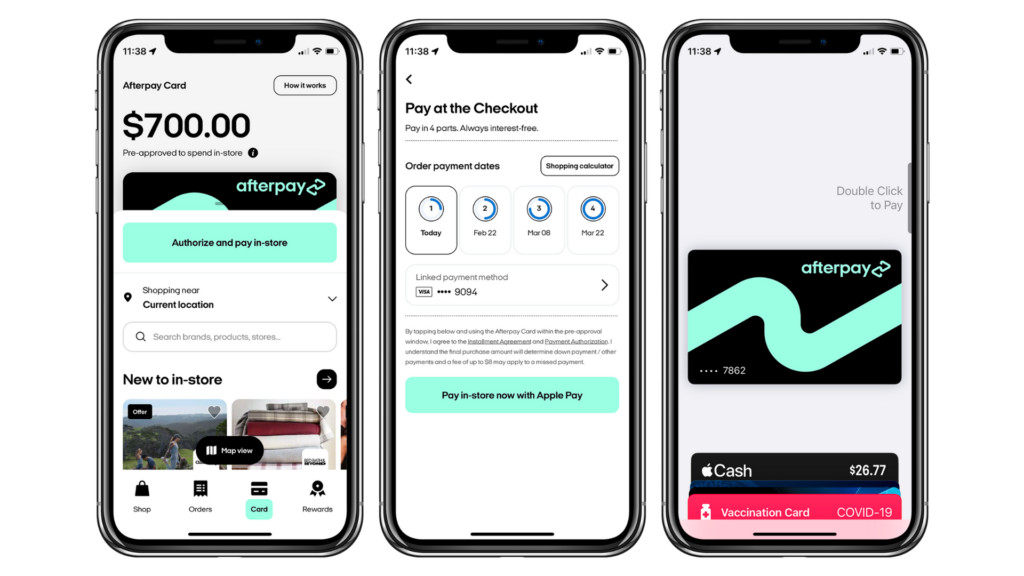
Afterpay Features
Afterpay changes how people spend with a set of key features that make spending more manageable and budget-friendly for consumers. Shoppers can get the products they want right away while spreading the payment burden over time, and they do so without the sting of interest fees. Each feature is built around the same idea: give buyers control over when they pay without adding to the final cost.
Below we look more closely at the features that define Afterpay’s appeal, from its no-interest payments to a fast approval process that shortens the path from cart to purchase.
Split Payments
Split payments change how customers manage their budgets by letting them stagger the cost of a purchase with no interest fees. With Afterpay’s feature that allows users to pay in four instalments over six weeks, shoppers keep more control over their cash flow and spending.
You can check out online and break a large payment into smaller amounts that fit your financial plan.
Retailers that partner with Afterpay reach a growing base of over 19 million active users who value instalment plans. Businesses get the full payment upfront while giving customers a payment schedule at no added cost.
The service raises consumer buying power and sends a high volume of daily referrals back to merchants, which supports overall sales momentum and customer loyalty through flexible options like deferred and split payments. Merchants gain visibility with shoppers who are already looking to buy, and shoppers gain a payment method that fits their budget, so both sides keep coming back to the platform.
No Interest Fees
One of Afterpay’s main features is that it charges no interest fees, so shoppers can buy without extra costs. This gives real payment flexibility and lets customers buy now and pay later on their own terms.
With no deferred payment charges, Afterpay suits users who want an instalment-based shopping experience that respects their budget.
Afterpay fits into everyday shopping habits while keeping interest charges at zero, which helps with budget management. Consumers get the convenience of payments split over time and never have to worry about interest building up, so every transaction stays transparent and predictable.
This reliability is a big part of Afterpay’s appeal for forward-thinking shoppers and budget-conscious buyers alike. When the cost of a purchase is fixed and split into equal parts, there are no surprises later, and that predictability is what keeps many users coming back to it as their default way to pay.
Instant Approval Process
Along with zero interest fees, Afterpay gives customers a fast instant approval process. The quick move from application to shopping makes for a swift, worry-free checkout.
Once a customer applies for an Afterpay account, they get prompt approval with no fees, which speeds up the purchase.
The fast approval system keeps up with e-commerce, where every second counts. Users benefit from a quick application that needs little wait time and gives immediate authorization to use Afterpay’s service.
This feature shows how much efficiency matters in a retail environment where attention is short, letting consumers buy right away while paying over time. A slow or uncertain approval step can lose a sale, so the near-instant decision keeps shoppers moving from cart to confirmation without second-guessing the purchase.
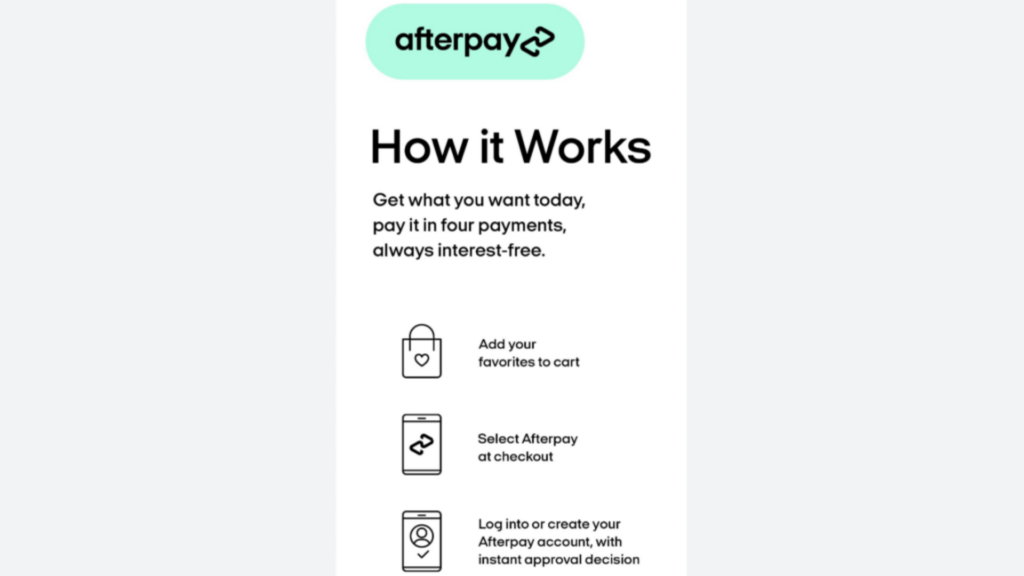
Afterpay Pricing Structure
Understanding Afterpay’s pricing matters for any business weighing this Buy Now, Pay Later service. Clear fees let merchants account for the cost of offering Afterpay, while consumers pay nothing if they keep to the payment schedule.
Transparent Fees for Merchants
Afterpay knows hidden fees can be a headache for merchants, so it uses a clear fee structure: a flat rate of 4-6% per transaction, which makes it easy for businesses to manage their finances.
With no added costs or surprises, merchants can plan ahead and get competitive processing rates compared with traditional credit card fees.
Because Afterpay’s pricing is simple, merchant service fees are upfront and easy to understand. Retailers do not have to work through complex fee schedules or worry about changing payment gateway charges on each sale.
This clear approach lets businesses of any size, small or large, use buy now, pay later services without unpredictable costs cutting into their profits. Because the rate is set and known in advance, a merchant can factor it into pricing decisions and margins from the start, rather than reconciling variable charges after the fact.
Zero Cost for Consumers Who Pay on Time
Along with the straightforward merchant fee, Afterpay rewards consumers who manage their money well. For those who stay on top of payments, the advantage is clear: no fees are incurred if you pay on time.
This is a real perk for shoppers, because purchases can be spread across instalments with no interest piling up.
Paying on time keeps costs down and builds financial responsibility among users. Afterpay’s model rewards timely payment, so customers who stick to their schedule get an interest-free experience.
By paying on time, you avoid unnecessary charges and keep the affordability of your purchases intact. The model rewards discipline: shoppers who meet each due date get the full benefit of spreading a cost over six weeks at no added price, which is the core promise that sets Afterpay apart from interest-bearing credit.
How Afterpay Stands Out in the Market
Afterpay changes the credit market with a clear, no-interest payment option that matches how people spend today and where e-commerce is headed. Unlike traditional credit, it gives the modern shopper financial flexibility with no hidden fees, and sets a new standard in retail finance.
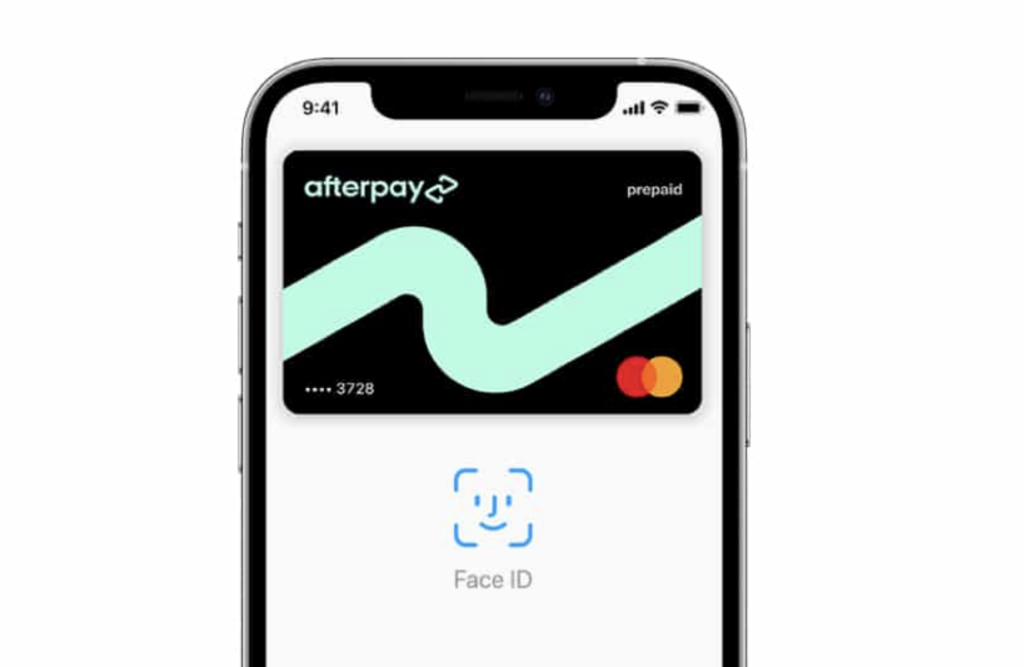
Afterpay vs. Traditional Credit
With Afterpay, shopping is simple and low-stress. Unlike the traditional credit system, which can burden you with high interest over time, Afterpay offers interest-free instalments.
You get your products right away and pay for them in four equal payments spaced over six weeks. You can manage cash flow without anxiety or hidden fees, which is the convenience millions have come to value.
Retail finance is changing, driven by consumer demand for transparency and flexibility. Every day, Afterpay directs more than 1 million global referrals to its merchant partners, well ahead of many conventional credit lenders in customer engagement and satisfaction.
This shift reflects changing preferences and growing trust in alternatives like buy now, pay later. Next we look at how this affects e-commerce growth and why so many shoppers move away from their old credit cards.
The Rise of Afterpay in E-commerce
Moving beyond conventional credit, Afterpay has changed the online shopping experience. It integrates smoothly and gives customers flexible payment options, changing how global consumers use e-commerce platforms.
With a user base of 19 million active global customers and counting, Afterpay sends more than a million referrals every day to its network of merchant partners.
This growth is not only about numbers; it marks a real shift in consumer behavior toward convenience at no extra cost. Merchants gain too, with stronger customer loyalty and higher conversion rates and none of the application fees or complex setups that older financing options often carry. That combination is a large part of why so many retailers add Afterpay to their checkout.
Afterpay’s record in e-commerce paints a clear picture: shoppers and retailers alike favor simplicity, transparency, and flexible payment plans.
Afterpay Alternatives
As flexible, convenient payment methods keep evolving, it helps to look at the top alternatives to Afterpay in 2023. These platforms are changing how consumers manage their purchases, with a mix of features and payment options for different shopping preferences and budgets.
Klarna: A Versatile Contender
Klarna stands out among Buy Now, Pay Later solutions with its mobile-first service and strong fraud detection that draws on multiple data sources. It adds security and offers a whitelabel option for banks and credit unions that want to provide flexible payments without building new infrastructure.
Klarna’s technology is modular, so institutions can build and launch financial products quickly using over 100K pre-coded functions and 300+ APIs.
In direct competition with Afterpay, Klarna improves the online checkout process by presenting customers with several financing options through a single integrated application, so shoppers can pick the plan that suits the purchase at hand.
This platform supports hundreds of payment methods for a range of consumer preferences, which lifts conversion rates and builds customer trust. That has made Klarna a versatile competitor in BNPL and helps businesses that adopt its strong solutions reach higher sales.
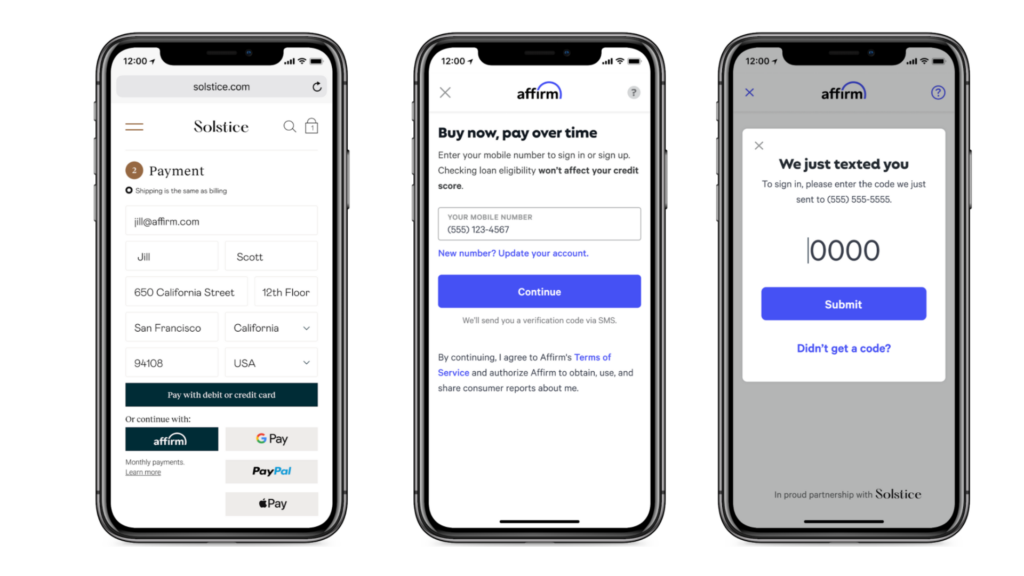
Affirm: Flexible Payment Schedules
Affirm stands out by offering customers customized instalment plans that fit their finances. This flexibility helps shoppers manage cash flow and turn large purchases into smaller, more manageable payments over time.
Customers value the choice Affirm gives them. Whether they need short-term financing for smaller items or longer terms for bigger investments, there is a schedule that fits.
With Affirm’s buy now, pay later model, users can buy without immediate financial strain and pay over time. It reflects a clear read on modern consumer needs: payment options should not be one-size-fits-all.
Flexible financing from Affirm lets buyers shop with confidence and responsibility while merchants gain larger purchase sizes and stronger customer loyalty. By matching the payment term to the size of the purchase, Affirm gives shoppers a plan that fits both small everyday buys and bigger one-off investments.
Sezzle: Catering to Smaller Purchases
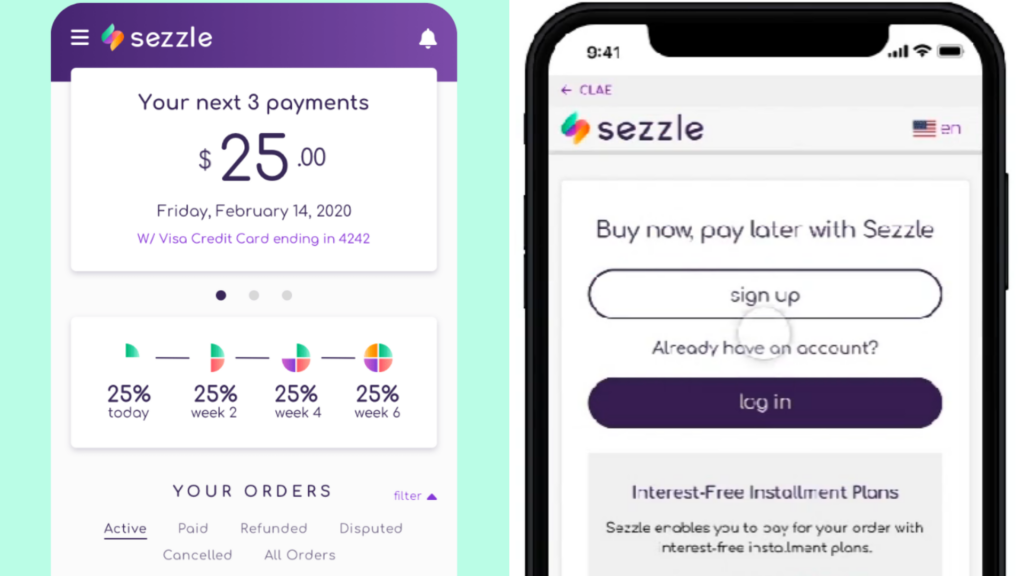
Sezzle offers flexible payment options for budget-minded shoppers who want to avoid large single transactions. This Buy Now, Pay Later (BNPL) platform splits purchases into four instalments over six weeks, which makes it easier to stretch a budget with no interest fees.
Shoppers get more financial control, and a network of more than 17,500 online merchants gives Sezzle users plenty of places to shop.
The focus on smaller purchases lets consumers buy what they need when they need it. Sezzle is a good fit for online shoppers who want deferred payment options that match their current finances.
By supporting these small-scale purchases of personal goods and services, Sezzle helps meet consumer financing needs and adds to buying power at an everyday, grassroots level. That focus makes it a fit for shoppers who want to manage modest, routine spending rather than finance a single large item.
Splitit: Utilizing Existing Credit
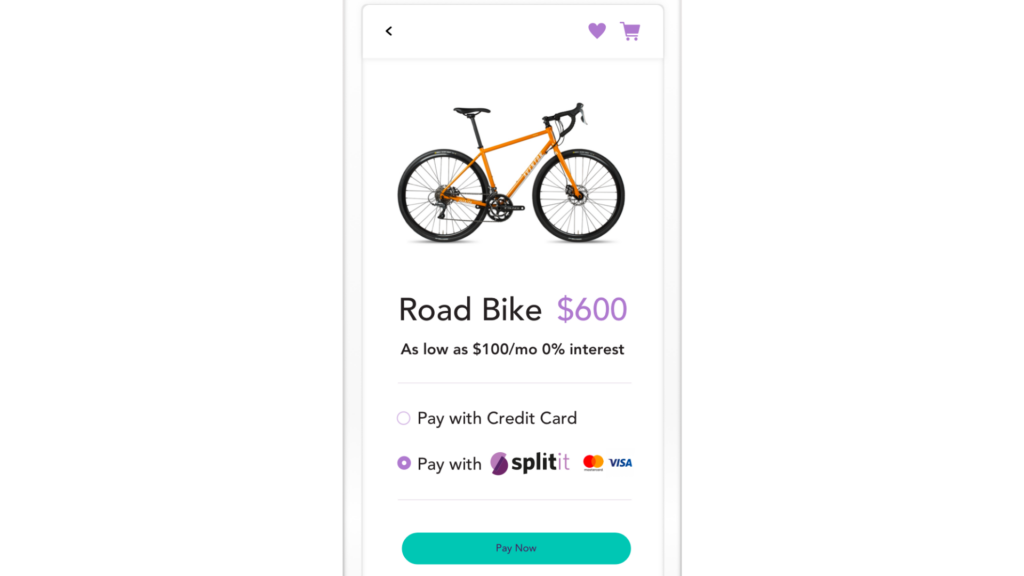
After looking at smaller purchases with Sezzle, it is worth seeing how Splitit stands out by using the credit you already have. With Splitit, customers use their existing credit lines to split payments into monthly instalments with no added fees or interest charges.
This approach gives the flexibility and convenience of buy now, pay later while using the customer’s own credit card limit.
Splitit makes instalment payments simple and puts security and a smooth user experience first. With strong fraud prevention and mobile-friendly payments, transactions stay protected.
For businesses weighing the practical benefits, this means greater customer satisfaction and loyalty, which are key drivers in a competitive corporate market. Because customers use credit they already hold, there is no new line to apply for, and that lower friction can turn a hesitant shopper into a completed sale.
Shop Pay: Shopify’s Own Solution
Shop Pay is Shopify’s own digital wallet, built to speed up online checkout for e-commerce. It focuses on speed and security and offers a mobile-friendly payment option for the modern consumer.
It uses advanced fraud prevention and multiple data sources to catch suspicious activity in real time, which protects both retailers and shoppers during transactions.
With Shop Pay, merchants on Shopify can offer instant financing without giving up user experience or security. The service speeds up secure payment processing by saving customer details for future purchases, which helps businesses improve conversion rates through faster checkouts.
As an integrated part of the Shopify ecosystem, it also fits payment setup directly into the merchant’s store, a practical choice for those who want efficiency and reliability in handling sales. Stores already running on Shopify can turn it on with little extra work, which lowers the barrier to offering a faster checkout.
Detailed Comparison: Afterpay vs. Klarna
A head-to-head look at two Buy Now, Pay Later leaders, Afterpay and Klarna, shows distinct features and offerings for different consumer preferences.
Both platforms aim to reshape the shopping experience with their own payment terms and interfaces, and each brings its own take on innovation and customer engagement to the growing market of flexible online payments.
Payment Terms and Conditions
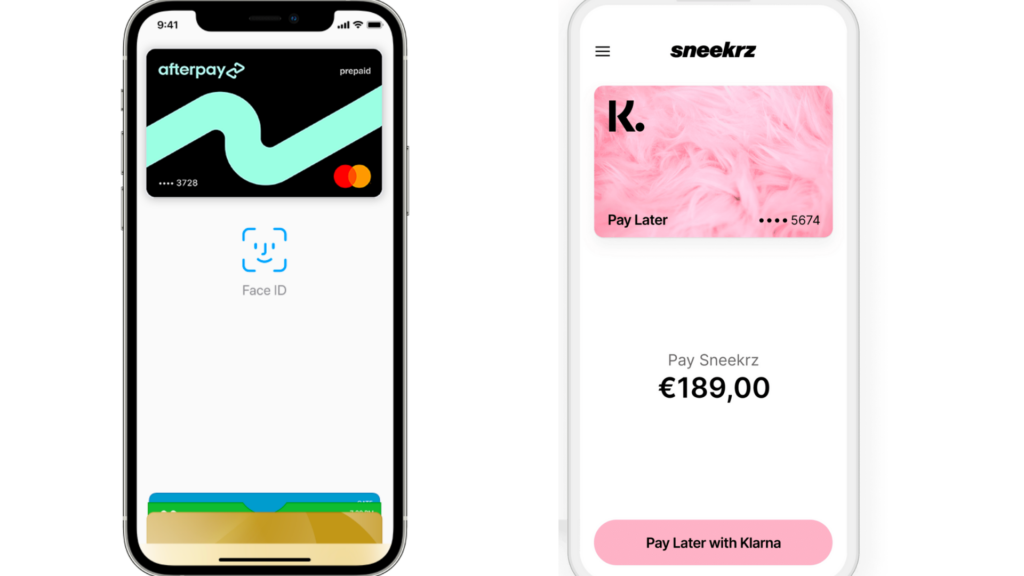
Looking at the payment terms for Afterpay and Klarna shows some key differences that can affect your choice as a corporate user. Afterpay keeps it simple: make your purchase now and split the total into four equal payments over six weeks, free of interest.
This deferred payment approach fits consumers who want financial flexibility with no added burden.
Klarna offers several instalment plans, including an option to pay in full within 30 days or spread payments over several months. This variety suits different spending habits, but it helps to read each plan’s specifics, since some include fees if payments are delayed beyond the agreed dates.
The choice between the two comes down to which e-commerce payment structure best fits your business model while accounting for customer preferences.
Next we look more closely at how the user experience differs between these two digital wallet giants.
User Experience and Mobile App Functionality
Afterpay earns consistent praise for its clean user interface, which supports a good shopping experience. Its mobile app puts convenience in users’ hands and pairs financial management with an easy transaction process.
With a few taps, customers can manage their instalment payments and browse new offers, all in an app known for being intuitive and reliable.
Afterpay’s digital wallet stands apart by fitting into a customer’s daily routine. It makes following payment schedules and checking an up-to-date balance simple, without complex navigation or cluttered design.
The app’s instant approval feature lets shoppers make decisions quickly, which adds to overall satisfaction with every use. Being able to see balances, due dates, and available spending in one place means users rarely have to leave the app to keep their payments on track.
Additional Products and Services Offered
Beyond the core buy now, pay later service, Afterpay and Klarna offer extra products and services for different market needs. Klarna gives users in-app shopping tools that help them find deals and manage expenses.
Its features go beyond deferred payments to include price drop notifications and wish lists for a better shopping experience. Merchants gain too, with access to Klarna’s analytics tools that show customer behavior and trends.
Afterpay connects merchants with high-intent shoppers and focuses on a community where brands can reach consumers likely to buy their products. It offers marketing support such as featured placements within the Afterpay app, which raises visibility for retailers among potential buyers looking for flexible payment options.
This also strengthens consumer loyalty by making it easy to reach favorite stores integrated within the Afterpay system. The added tools on each side, shopper-facing and merchant-facing, mean the choice between the two platforms often comes down to which extra services matter most to your business.
Next we look at the criteria to weigh when choosing the right payment platform for your business.
Check more What is Klarna? Check out latest Pricing, Features and Alternatives
Criteria for Selecting the Right Payment Platform
Choosing the right payment platform depends on matching it to your operational scale and your customers’ preferences, a decision that can support smoother transactions and stronger consumer satisfaction. The full discussion below covers how to make this choice.
Assessing Your Business Size and Needs
Choosing the right payment platform starts with a clear read on your business scale and what you need from a payment solution. Whether you run a small online boutique or manage several retail locations, knowing your transaction volumes, average sales amounts, and growth projections is essential to an informed choice.
For example, if quick expansion is in your forecast, look for a platform that scales with your company.
Take Clover as an example; it offers different pricing models for different business sizes. A smaller enterprise might choose the Mini system at $749 or spread the cost over three months at $250 per month.
Larger operations may find value in Station’s fuller service at $1349 or $450 over three months, which shows the importance of matching the product to your fiscal capacity and expected processing needs.
By weighing these factors within your organization’s framework, you set yourself up to pick a payment tool that fits both present requirements and future plans.
Considering Customer Payment Preferences
After you assess the size and needs of your business, look at what your customers prefer for payment. Offering a range of choices, including popular buy now, pay later plans like Afterpay, fits diverse financial situations and can lift sales.
Customers often look for retailers that offer payment flexibility, so easy instalment payments with no interest fees can make a real difference to consumer satisfaction.
Paying attention to payment preferences helps retain customers and attract new ones through referral marketing. With more than 19 million active global consumers and over one million daily referrals sent worldwide, tapping into this base by offering their preferred payment methods could set you apart from competitors.
Make sure your e-commerce platform adds these flexible payment plans smoothly for a better shopping experience that keeps buyers coming back.
Integration with Your E-commerce Setup
Choosing the right payment platform depends on smooth integration with your existing e-commerce system. Reliable online transaction processing is a must, so customers can use instalment payments without problems.
Your setup should handle Afterpay’s features like transaction tracking and support for various payment methods, including ACH transfers and debit/credit card acceptance.
Good integration keeps the user journey simple, with an easy move from browsing to buying. It gives consumers choice, letting them pick interest-free payments at checkout quickly.
Do not treat mobile commerce as an afterthought; serve shoppers on phones or tablets by building Afterpay into your mobile-responsive design. This builds customer trust and encourages repeat business by making online shopping more accessible and financially manageable.
Setting Up Your E-commerce with Afterpay or Alternatives
Adding a Buy Now, Pay Later service like Afterpay to your e-commerce platform gives customers flexible payment options and can lift your sales and customer loyalty.
The guide below covers the essentials of adding these payment solutions to your online business for a smooth checkout that matches what customers want from financial flexibility.
Step-by-Step Guide for Integration
Get your online store ready for Afterpay by first checking that your e-commerce platform supports it. Start by creating an Afterpay merchant account, which gives you access to their payment software tools.
Next, log into your e-commerce platform and go to the payment settings or module section, where you can add Afterpay as a new payment option.
Then install any plugins or extensions that enable digital payments through Afterpay; these are often available directly from your e-commerce platform’s marketplace.
Once installed, configure the plugin by entering your merchant details, which securely links Afterpay’s service to your online shop. Test the setup thoroughly to confirm that transactions process correctly and that shoppers get a smooth checkout when they choose Buy Now, Pay Later.
Keep the payment experience smooth for customers across every transaction.
Next we look at tips for improving customer interactions with these payment solutions in “Tips for a Smooth Payment Experience”.
Tips for a Smooth Payment Experience
To keep checkout smooth, focus on a user-friendly interface that reduces customer frustration. Set up your website’s payment page to accept flexible options like Afterpay, which lets shoppers use instalment payments with no interest fees if they pay on time.
Cut the steps needed to complete a transaction and always protect customers’ personal and financial data.
Improve customer retention with clear guidance during the payment process. Give plain instructions for using alternative payment methods at checkout, so every step from selection to confirmation is easy to follow.
Highlighting the Buy Now, Pay Later option can help consumers buy with more comfort while adding extra sales for your business, which works for both parties in an online transaction.
Conclusion
Afterpay supports smarter spending without immediate financial strain. The service lets you split purchases into manageable instalments, a welcome change from traditional credit options.
Frequently Asked Questions
What exactly is Afterpay?
Afterpay is a payment service that lets you buy something now and pay for it in four equal payments every two weeks.
How much does using Afterpay cost?
Using Afterpay is free if you make your payments on time; only late fees are charged for missed payments.
Can anyone use Afterpay?
Most adults who have a debit or credit card can sign up and use Afterpay as long as they pass an identity check and have the funds available.
What are some of the main features of Afterpay?
Some main features include flexible installment plans, no upfront fees, instant approval decisions, and reminders for due payments.
What are some alternatives to Afterpay?
Alternatives to Afterpay include other buy-now-pay-later services like Klarna, Zip (formerly QuadPay), Affirm, and PayPal Credit.
Compare alternatives to the tools in this post

- Independent picks for exactly what you just read about
- Matched to your team size & needs
- Vendors don't pay for placement
Step 1 of 4
How big is your team?
We tailor recommendations to companies your size.















Related Articles

Finance & Billing Software
Best Payroll Software for Contractors and Freelancers in 2026
Continue reading →
Buyers guide
How To Choose The Best Cryptocurrency Exchanges For 2026
Continue reading →

401K Providers
Top 5 Best 401k Providers for Small Businesses in 2026
Continue reading →
Accounting Software
How To Choose The Best Procure-to-Pay Software For 2026
Continue reading →