
Spotsaas Editorial
Buy Now, Pay Later Statistics Exposed! An In-depth Analysis of Usage and Trends Revealed
Curious about the trend of “buy now, pay later” options? Recent data shows a decline in this financing method over the past three years, even as more providers enter the space.
This article covers usage trends and consumer behaviour statistics around BNPL, including who’s using it, how providers stack up, and where the industry is headed next.
Key Takeaways
- Buy Now, Pay Later (BNPL) services have gained popularity among younger generations, particularly older members of Generation Z and Millennials.
- Social media has played a role in increasing awareness and promoting the use of BNPL options.
- The usage of BNPL services has declined over the past three years, but it continues to show growth potential.
- BNPL offers flexible payment terms, does not charge interest or fees (unlike credit cards), and can potentially help build credit.
Understanding Buy Now, Pay Later
Buy Now, Pay Later (BNPL) is a financing option that allows consumers to make purchases and defer payment until a later date. It has gained popularity in recent years due to its convenience and flexibility for online shoppers, particularly at checkout on retail and e-commerce sites.
Some popular BNPL providers include Afterpay, Klarna, and Affirm.
Definition of BNPL
Buy Now, Pay Later (BNPL) is a payment option that allows consumers to make purchases and get their items immediately but pay for them over time. It’s a type of short-term financing that typically doesn’t charge interest or fees, unlike traditional credit cards.
The payments are usually split into equal instalments spread out over a set period. BNPL has seen rapid growth recently with its easy accessibility and user-friendly digital platforms catering mainly to Generation Z and Millennials who prioritize convenience in their financial transactions.
One interesting fact about BNPL is its potential role in building one’s credit, since it rewards timely repayments.
Popular BNPL providers
Numerous BNPL providers are making waves in the financial world today, each with a slightly different take on instalment payments. These alternative financing providers include:
| BNPL Provider | Description |
|---|---|
| Afterpay | A popular choice among millennials and Gen Z consumers. |
| Klarna | Originating from Sweden, Klarna offers flexible payment solutions to consumers worldwide. |
| Affirm | Known for its partnerships with major retailers, Affirm provides easy-to-use BNPL services. |
| Zip (formerly QuadPay) | Providing both online and in-store services, Zip is a favored option for many users. |
| Sezzle | This provider stands out due to its commitment to responsible spending and consumer education. |
Check more What is Afterpay? Check out Pricing, features & best alternatives
Check more What is Klarna? Check out latest Pricing, Features and Alternatives
Usage and Demographics of BNPL
The percentage of Americans using BNPL has been steadily increasing in recent years.
Percentage of Americans using BNPL
A significant percentage of Americans are making use of BNPL services for their purchases.
| Age Group | Percentage of Users |
|---|---|
| 18-24 Years | 34% |
| 25-34 Years | 45% |
| 35-44 Years | 31% |
| 45-54 Years | 20% |
| 55-64 Years | 13% |
| 65+ Years | 6% |
These statistics demonstrate that BNPL services are more popular among younger generations, specifically the older members of Generation Z and Millennials. This trend can be attributed to the convenience and flexibility offered by BNPL platforms, along with the ability to build credit through timely repayments.
Age, gender, and income breakdown of BNPL users
The demographic spread of Buy Now, Pay Later (BNPL) users showcases a wide range of age, gender, and income groups, reflecting how broadly the payment method has been adopted.
| Age | Gender | Income |
|---|---|---|
| Older Gen Z and Millennials | Both male and female | Varies widely |
| Gen X and Baby Boomers | Both male and female | Varies widely |
There is a notable preference for BNPL platforms among older members of Generation Z and Millennials. However, the service is also used by people from diverse income groups, which highlights the flexibility and adaptability of the BNPL market.
The appeal of BNPL cuts across both genders, pointing to a broad need for flexible payment options. That said, a percentage of Americans have missed their BNPL payments, so responsible financial management and awareness matter for users regardless of age, gender, or income level.
Impact of social media on BNPL awareness
Social media has shaped the awareness and popularity of Buy Now, Pay Later (BNPL) services. With billions of people actively using platforms like Instagram, Facebook, and Twitter, BNPL providers have used these channels to reach potential customers through targeted ads and influencer collaborations, increasing their brand visibility and introducing BNPL as an alternative to traditional payment methods.
This exposure has contributed to the growth of the BNPL industry and made it more accessible to a larger audience, so more people are now aware of BNPL options when making online purchases.
Social media influencers, in particular, have promoted BNPL awareness among younger demographics, often endorsing specific brands or products that offer BNPL services by showing how easy it is to use them for shopping. This can be effective in attracting Generation Z and Millennial consumers who are active on these platforms, letting BNPL providers tap into existing communities and generate interest in their services.
Social media has helped increase awareness about BNPL options, but it also comes with risks: some users may be tempted to overspend or take on debt beyond their means due to the convenience offered by these services. Exercising responsible financial behavior matters when using any form of credit or financing option.
Trends and Statistics of BNPL
BNPL usage has seen a decline in the past three years, with a decreasing number of users opting for this payment method compared to credit cards.
The decline in BNPL users for the past 3 years
The usage of Buy Now, Pay Later (BNPL) services has notably declined over the past three years, as reported by a survey conducted by The Motley Fool Ascent in July 2023.
| Year | Percentage of BNPL Users in The U.S. |
|---|---|
| 2020 | High usage, specific percentage undisclosed |
| 2021 | Decline from 2020, specific percentage undisclosed |
| 2022 | Further decline from 2021, specific percentage undisclosed |
| 2023 | Continued decline, specific percentage undisclosed |
This decline in usage may be attributed to various causes, including the fact that some Americans have missed their BNPL payments. Nonetheless, despite this negative trend, the BNPL market continues to show potential for growth.
Frequency of BNPL use in relation to credit cards
BNPL use has shown an interesting pattern compared to credit cards. According to a survey conducted in July 2023, the frequency of BNPL use has declined for the third consecutive year, suggesting that consumers are opting for alternative payment methods instead of relying solely on credit cards.
Unlike traditional credit cards, BNPL apps typically do not charge interest or fees and have fixed repayment terms, which may be one reason some individuals are choosing to use BNPL services more frequently than credit cards.
Additionally, making on-time payments towards BNPL services can potentially help build one’s credit, giving users another incentive to opt for this payment option over traditional credit cards.
Potential to replace credit cards
Buy Now, Pay Later (BNPL) services have been gaining popularity in recent years, and there is increasing speculation about their potential to replace credit cards. Unlike credit cards, BNPL apps typically do not charge interest or fees and they often offer fixed repayment terms.
This makes them an appealing alternative for consumers who want to avoid accumulating debt or facing high-interest charges. Additionally, making on-time payments towards BNPL services can potentially help build one’s credit.
With the decline in BNPL use being reported for the third consecutive year, these payment options are becoming more mainstream and could pose significant competition to traditional credit card companies in the future.
Common reasons for using BNPL
- Consumers use BNPL to manage their cash flow and pay for purchases over time.
- Many people choose BNPL because it allows them to make larger purchases without immediately paying the full amount.
- Some individuals use BNPL to take advantage of promotional offers, such as zero or low-interest rates during a specific period.
- BNPL is appealing to consumers who want flexibility in payment options and prefer not to use credit cards.
- For those who value convenience, BNPL provides a quick checkout experience with minimal steps and hassle.
Industry Forecast for BNPL
The BNPL industry is projected to experience significant market growth in the coming years, with an increase in both the number of providers and consumer adoption. These alternative financing methods are expected to become more mainstream, potentially posing a threat to traditional credit card companies as more retailers add BNPL as a checkout option.
Trust in BNPL services compared to credit cards is also on the rise, indicating a shift in consumer payment preferences as more shoppers weigh their options at checkout.
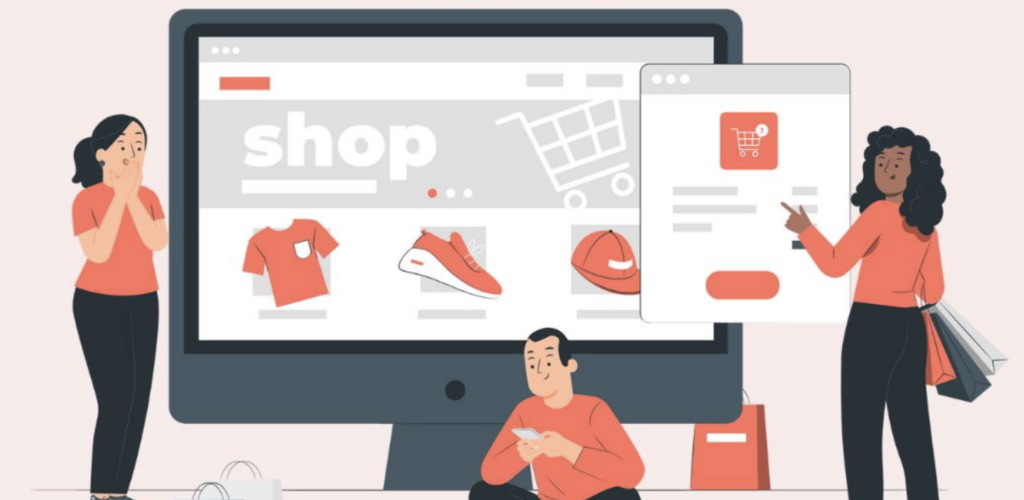
Projected market growth
The Buy Now, Pay Later (BNPL) industry is poised for significant growth in the coming years. With the rise of e-commerce and changing consumer preferences, analysts project a surge in the adoption of BNPL services. According to The Motley Fool Ascent’s survey, despite a recent decline in BNPL use, experts anticipate that the market will rebound and continue to expand at a rapid pace.
This projected growth can be attributed to factors such as increased awareness and acceptance among consumers, as well as advancements in technology that make BNPL platforms more accessible and convenient.
As alternative financing options become more popular, traditional payment methods like credit cards may face tough competition from BNPL providers in the near future.
Top players in the BNPL industry
The BNPL industry is highly competitive, with several major players dominating the market. These top players have established themselves as leaders in the industry and continue to shape the trends and practices of Buy Now, Pay Later services, from checkout integrations to how repayment terms are structured. Here are some of the key players in the BNPL industry:
| Platform | Description |
|---|---|
| Klarna | Australian-based provider allowing consumers to split payments into four equal instalments with no interest if paid on time. |
| Afterpay | PayPal’s subsidiary offers a line of credit for online purchases with flexible repayment options and promotional financing. |
| Affirm | US-based platform offering transparent financing solutions and clear information about interest rates and repayment terms. |
| PayPal Credit | PayPal’s subsidiary offering a line of credit for online purchases with flexible repayment options and promotional financing. |
| QuadPay | Enables users to split payments into four instalments, promoting immediate purchases without using traditional credit cards. |
Consumer trust in BNPL compared to credit card companies
Consumers are increasingly placing their trust in Buy Now, Pay Later (BNPL) services compared to credit card companies. This shift is largely due to the transparent and user-friendly nature of BNPL platforms.
Unlike credit cards, which often come with hidden fees and interest charges, BNPL apps typically have fixed repayment terms and do not charge interest. This straightforward approach resonates with consumers who prefer to avoid accumulating debt or paying additional costs.
Additionally, making on-time payments towards BNPL services can potentially help individuals build their credit scores, further building consumer trust in this alternative financing method.
In contrast, credit card companies are seen as more traditional and less accommodating for those seeking a flexible payment option without the burden of high interest rates or hidden fees.
Conclusion
The usage and trends of Buy Now Pay Later (BNPL) services have seen a decline in recent years. However, it remains a popular option among older members of Generation Z and Millennials.
With its fixed repayment terms and potential credit-building benefits, BNPL continues to be an alternative financing method worth considering for many consumers, provided repayments are managed responsibly.
Frequently Asked Questions
How popular is the use of Buy Now Pay Later services?
The use of Buy Now Pay Later services has become increasingly popular, with a significant number of consumers utilizing this payment option.
What are the benefits of using Buy Now Pay Later services?
Using Buy Now Pay Later services allows customers to make purchases without immediately paying the full amount, often offering flexible repayment terms and interest-free options.
Are there any risks associated with using Buy Now Pay Later services?
While convenient, there are potential risks such as overspending or accumulating debt if not managed responsibly. It’s important to carefully consider your financial situation before utilizing these services.
Which industries or sectors have seen the most usage of Buy Now Pay Later services?
Various industries have seen significant usage of Buy Now Pay Later, particularly in online retail, fashion, electronics, and home goods sectors.
Are there any trends or changes in consumer behavior related to these payment options?
Recent trends indicate that more consumers are opting for alternative payment methods like Buy Now Pay Later, showing a shift away from traditional credit cards and installment plans.

- Independent picks for exactly what you just read about
- Matched to your team size & needs
- Vendors don't pay for placement
Step 1 of 4
How big is your team?
We tailor recommendations to companies your size.















Related Articles

Finance & Billing Software
Best Financial Analysis Software in 2026: FP&A and Reporting Tools
Continue reading →
Finance & Billing Software
What Is Financial Analysis Software? A Guide for Finance Teams
Continue reading →
Finance & Billing Software
Contract Management Software Pricing in 2026: A Buyer’s Guide
Continue reading →

Finance & Billing Software
Best Payroll Software for Contractors and Freelancers in 2026
Continue reading →