
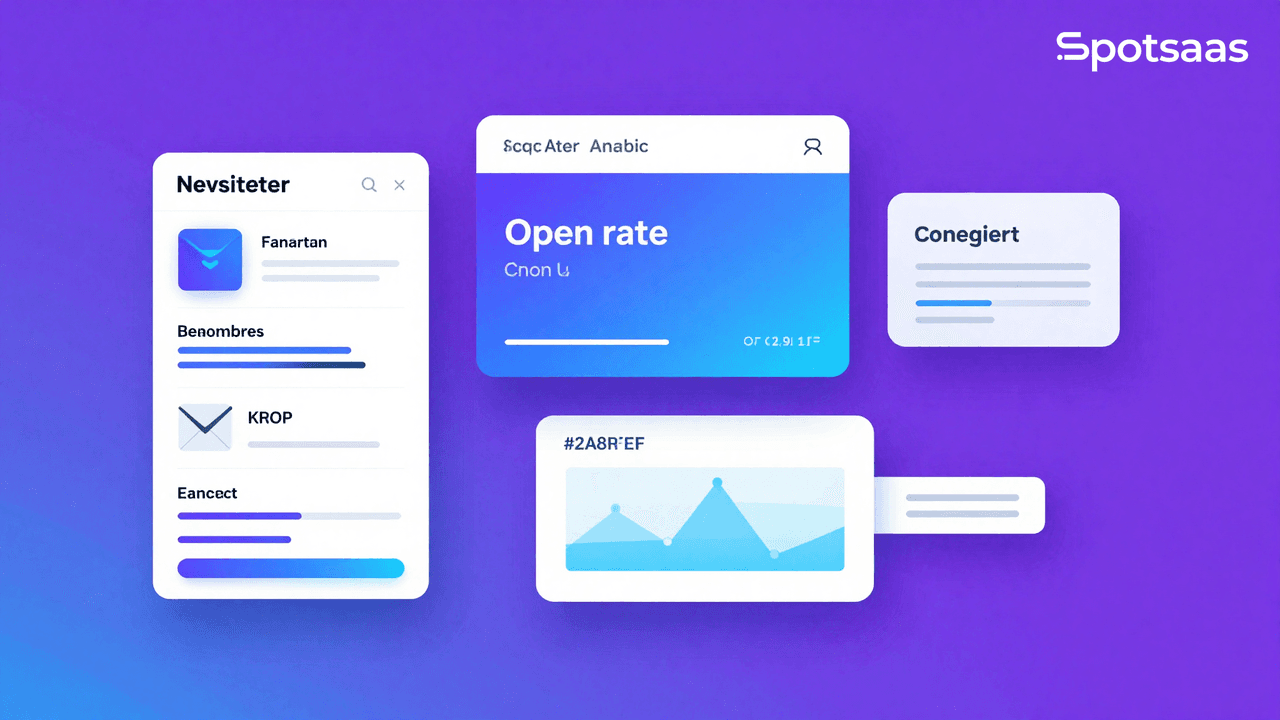
Email newsletters remain one of the most direct ways to reach an audience. They carry news, tips, deals, and insights straight to a subscriber’s inbox, without an algorithm deciding who sees them.
A good newsletter pulls several things together at once: a subject line that earns the open, content worth reading, a design that stays out of the way, and a call to action that tells people what to do next. In 2024, brands ranging from Serumize and The Body Shop to PlayStation set the standard with newsletters people actually want to read.
These organizations know that content has to matter to the reader, whether they are announcing an e-commerce special or telling an environmental impact story. They pair visuals and text so the message reads well on screen and points the subscriber clearly toward the next step.
Using examples from Moosend’s data-rich digests to Julie Blanner’s personal stories set against warm visuals, this article breaks down what makes some of today’s most effective email newsletters work.
Each example offers something to borrow, whether you fold customer testimonials into financial advice or add seasonal touches to a promotional offer. The point is not to copy any one brand outright but to see which of their choices fit your audience and your goals, then adapt from there.
Key Takeaways
- Strong newsletters pair high-quality, relevant content with clear design and a call to action worth clicking. Moosend, for example, uses industry data to inform readers and reinforce its expertise.
- Personalization and segmentation matter. When content is matched to individual interests and behavior, brands connect more deeply. The Body Shop does this by highlighting ethical practices alongside new products.
- Interactive elements like polls and quizzes turn passive reading into active participation. Coffee Island uses festive themes and interactivity to keep subscribers engaged.
- Non-profits like The Nature Conservancy teach subscribers about environmental issues, using storytelling to show real successes and invite people into conservation work.
- Financial platforms like Revolut share money-management tips and updates on banking features, making complex financial topics easier to follow.
The Anatomy of an Effective Email Newsletter

Knowing how a newsletter is put together is the first step to writing one that holds attention. At its core, an effective newsletter blends useful content with clear design and a specific call to action, all shaped around the interests of the people receiving it. Get one of those pieces wrong and the rest suffers: great content buried in a messy layout goes unread, and a sharp design with nothing to say wastes the open. The examples that follow show how different brands weight these elements to fit their audience.
Content quality and relevance
Quality and relevance are the foundation of any good newsletter. Every piece should give the reader something, whether that is a useful tip, current news, or an exclusive offer.
Companies like Moosend show that using industry data does two jobs at once: it informs readers and demonstrates the company’s expertise. They put real value first. A reader who learns something useful from an email is far more likely to open the next one, and over time that habit is what a sustainable newsletter is built on.
Write subject lines that earn the open and use design that moves the reader smoothly through the message. Consistent design gives a brand like WWF a recognizable look while it shares the environmental actions subscribers can take.
The aim is to give subscribers content they look forward to, so each send strengthens your email marketing and your relationship with the reader. When people expect value in every issue, they open more, click more, and stay subscribed longer, which is worth more over time than any single promotion.
Visual appeal and readability
Design is not only about looking good; it decides whether people keep reading. A clean, attractive layout is often the difference between a click-through and a trip to the trash folder.
Use visuals and a layout that carry the eye from one section to the next. Pick fonts and colors that are easy to read so subscribers can move through the content without effort. Readers rarely study an email; they skim it, so the design has to make the key points and the main action obvious at a glance.
The goal is content that stands out in a crowded inbox by pairing clear design with a clear message. Make the format inviting, and place your calls to action where they naturally guide readers to the next step, whether that is reading an article, signing up for a webinar, or claiming an offer. White space, a clear hierarchy of headings, and images that support rather than crowd the text all make a message easier to scan on a small screen, where many subscribers first see it.
That next step depends on a strong call to action, which is what turns readers into customers.
Strong call-to-action
After design and readability, the call to action (CTA) is the bridge that turns a reader into a participant. A good CTA is hard to miss and uses plain, direct language to point subscribers toward the next step.
Whether it is Serumize pushing its monthly specials or The Body Shop inviting eco-conscious action, these buttons and links do the real work of the newsletter.
A CTA is more than the words on it; color matters too. Workable, for instance, uses its signature green both as a brand cue and to make its CTAs pop against everything else on the page.
Festive promotional campaigns often use bold visuals and seasonal colors so their calls to action stand out among the holiday clutter. Every click moves the reader closer to converting, which is why the CTA is a core part of any newsletter that performs. One clear, primary action usually beats several competing links, since a reader who is asked to do too many things at once tends to do none of them.
Personalization and segmentation
A strong CTA gets the click, but personalization and segmentation keep people coming back. Personalized content makes each recipient feel the message was written for them.
Matching newsletters to individual interests means readers get topics they actually care about. That lifts engagement and tightens the bond between brand and subscriber.
Segmentation goes a step further by splitting an audience into groups based on behavior or demographics. Marketers can then send messages that fit each group, keeping every send relevant.
Send hardware updates to gadget enthusiasts and software tips to developers, and each message reaches people who are likely to act on it.
With these two tactics, a brand turns a single mass email into a set of tailored conversations that improve both satisfaction and conversions. The data to do this often already exists in sign-up preferences, past clicks, and purchase history; the work is putting it to use so the right message reaches the right group.
E-Commerce Excellence: Serumize’s Monthly Specials
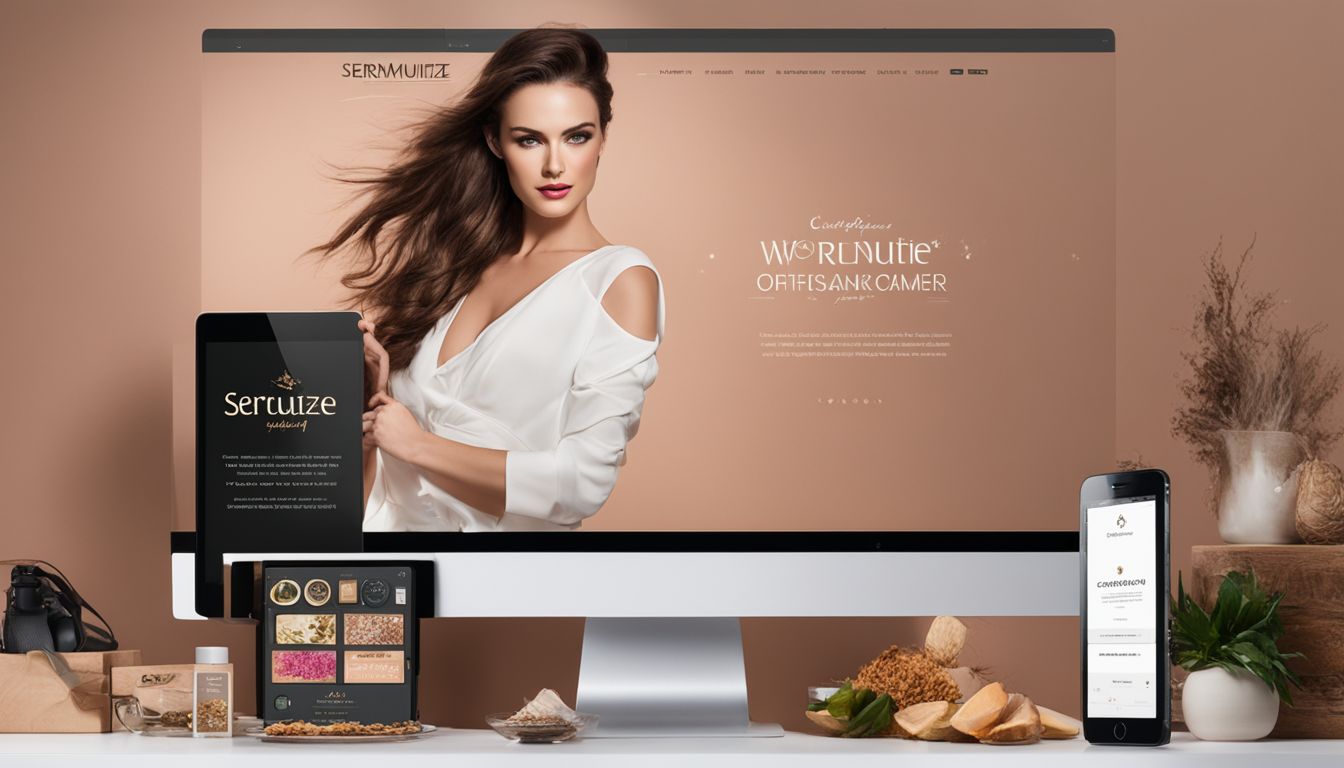
Serumize’s newsletters do two things at once: they promote the monthly specials and pair those offers with content useful enough to keep subscribers reading. It is a clean example of mixing promotion with substance.
Highlighting the engaging content of Serumize’s newsletters
Serumize’s newsletters lead with strong design and subject lines that earn attention right away. Each issue balances promotion with genuinely useful information, which is what keeps subscribers reading.
Vibrant images sit next to insider tips and timely updates on skincare trends, so each email becomes something customers look forward to opening.
With every send, Serumize frames its products as part of a lifestyle rather than a list of items for sale. Weaving special offers into content that entertains turns ordinary promotions into campaigns that convert.
Their success comes from engaging, not just selling, by building a relationship through newsletters people actually want to read. When a subscriber trusts that an email will be worth their time, the occasional promotion lands as a helpful heads-up rather than an interruption.
The balance of promotional content and valuable information
Reaching a tech-savvy audience means finding the right split between showing off products and offering real insight. Serumize does this by mixing its monthly specials with tips and stories that speak to actual customer problems.
Their emails do more than list product features; they act as a resource customers want to receive.
Campaigns like this work when marketing reads as a solution rather than a pitch. By holding that balance, Serumize’s newsletters both introduce new products and establish the brand as a voice worth trusting in e-commerce. That trust is what makes the promotional parts land, because readers who have already gotten value are more open to hearing what is on sale.
As we look at Moosend’s Data-Driven Digest next, notice how data can deliver value and signal expertise at the same time.
Business Insights: Moosend’s Data-Driven Digest
Moosend’s Data-Driven Digest uses industry analytics to give readers an edge. Here is how that approach can sharpen your own business intelligence.
How Moosend leverages industry data to provide value
Moosend uses current industry data to make its newsletters more useful, sending content shaped to what readers want. It pulls from analytics and trend reports to learn what resonates with each segment, so businesses receive newsletters that are both timely and targeted.
The approach keeps moving: it looks for fresh insights and folds them into its email marketing. Whether a reader cares about social media trends, branding techniques, or customer acquisition tips, Moosend’s newsletters deliver insights drawn from the latest market data. Because the content is tied to what is happening now, it stays useful rather than generic, and readers come to see the digest as a shortcut to staying current.
The newsletter’s role in showcasing Moosend’s expertise
On top of that data, Moosend writes newsletters that do more than inform; they cast the company as an authority in email marketing. Its Marketing Lab series works like a short lesson in using social media and email for branding and conversion.
With plenty of white space, soft colors, and high-quality visuals, these newsletters show the expertise instead of just claiming it.
Subscribers get updates and practical advice for building their own marketing strategies. That mix nurtures new customers by handing them content that improves their work.
The result shows Moosend’s grasp of business insights and confirms its role as a guide through digital marketing. By teaching in the newsletter itself, the company gives readers a reason to keep reading and a working example of the very techniques it recommends.
Product Highlights: The Body Shop’s Ethical Choices
The Body Shop’s newsletter pairs product introductions with the brand’s ethical practices, sending a message that connects with shoppers and builds loyalty. Here is how blending commerce with conscience pays off.
Showcasing new products and ethical initiatives
The Body Shop presents its latest skincare products alongside its commitment to the planet. Each newsletter features vivid product visuals and descriptions that introduce what is new while pointing to the company’s ethical practices.
Subscribers read about sustainably sourced ingredients and programs that support communities worldwide, so each purchase feels like a small step toward something better.
By mixing promotion with principle, the brand connects customers to more than products; it connects them to shared values. Clear calls to action point readers toward new finds while reinforcing The Body Shop’s reputation as an eco-conscious brand.
The newsletters build a community around beauty and responsibility rather than one-off sales. That sense of shared values gives customers a reason to stay with the brand beyond any single product, which is harder for competitors to copy than a discount. Next, we look at how personal stories deepen that engagement.
Incorporating customer stories and feedback
The Body Shop goes further by weaving customer stories and feedback into its newsletters. That turns readers into contributors who share how the products fit into their lives.
These are not just compliments; the real-life anecdotes offer insights that shape future products and build trust. User-generated content enriches the newsletter and creates a community where each customer’s voice counts.
Interactive polls and open feedback strengthen that sense of community while giving The Body Shop real data to refine its content and products.
The result is a newsletter that resonates with subscribers and earns a loyal following ready to engage with each new message. Featuring customers also gives those customers a reason to share the email, which extends the brand’s reach without extra spend.
Creative Content: Julie Blanner’s Cozy Conversations
Julie Blanner’s Cozy Conversations newsletter turns everyday home-making into something warm and inviting, mixing heartfelt writing with practical tips that encourage readers to add a bit of creativity to their own lives.
Personal touch and creative storytelling in newsletters
A personal touch takes more than dropping in the recipient’s first name. It means understanding what your audience cares about and writing to that in every line.
Julie Blanner does this well, combining a friendly tone with storytelling that holds attention. By sharing relatable stories and her own experiences, she builds a real connection with readers.
Creative writing in a newsletter also needs visuals that hold up for readers used to polished content. With well-chosen fonts like Garamond and generous white space, Blanner makes her emails as pleasant to look at as they are to read.
Tailored content gives her room to be creative, so each newsletter stands out in a crowded inbox by feeling made for the reader. The personal voice does more than charm; it makes her advice easier to trust, because it reads like a recommendation from someone who has actually tried it.
Use of high-quality images and DIY tips
Blanner’s newsletters lean on strong visuals that grab attention and get the point across fast. High-quality images support the text and give the eye a break, which makes the content easier to take in.
DIY readers get practical tips for projects they can start on their own, which keeps them coming back and builds an engaged community.
By pairing creative content with hands-on advice, Blanner makes her newsletter a reliable source of both inspiration and guidance. It looks good and gives subscribers something to do, which is a solid formula for staying relevant in a busy inbox. Practical projects also give readers a reason to return to older issues, extending the life of each newsletter well past the day it was sent.
From projects to seasonal cheer, let’s move on to celebratory themes.
Celebratory Themes: Coffee Island’s Festive Brews
Coffee Island’s Festive Brews newsletter leans into seasonal sipping, tempting subscribers with rich flavors and holiday offers. Unlock a look at how they do it.
Their editions are built around celebration, and they invite readers to find their next favorite brew.
Seasonal content and limited-time offers
Coffee Island brings holiday cheer straight to the inbox. Their colorful newsletters mix festive drinks with seasonal promotions and add dynamic GIFs that match the occasion.
They use celebratory themes to run limited-time deals that drive sales and keep customers engaged. These campaigns are timed to holidays like Labor Day and Thanksgiving, so subscribers stay caffeinated through a busy season.
Bright graphics and holiday themes turn Coffee Island’s emails into something worth clicking. They use that seasonal content to promote special offers on seasonal brews and give readers a reason to raise a cup, and maybe place an order.
After these stories, subscribers can look forward to more interactive content, which we cover next.
Engaging subscribers with interactive content
Seasonal content sets the mood, and interactive features raise engagement further. Coffee Island’s Festive Brews newsletter uses holiday-themed designs that look good and invite subscribers to take part.
Picture an email where you can read about limited-time offers and also join in through polls and quizzes. That shift turns passive readers into active participants and strengthens their tie to the brand.
Newsletters like these often add puzzles or games tied to their products. They might ask subscribers to match coffee flavors to dessert pairings or vote on next month’s featured blend.
These touches turn a routine promotion into a two-way exchange, keeping subscribers entertained and waiting for the next issue. The responses also tell Coffee Island what its audience actually wants, which feeds directly into what the next newsletter features.
Non-Profit Narratives: The Nature Conservancy’s Impact Stories
The Nature Conservancy’s newsletters show the real effect of their conservation work and invite readers to see how they can add to those success stories.
Educating subscribers on environmental issues and actions
Every Nature Conservancy newsletter delivers a dose of environmental awareness. It carries strong stories and clear calls to action that push readers past learning and into taking part.
These messages nudge readers toward more sustainable habits and toward advocacy for a healthier planet.
Subscribers get a curated set of impact stories that make big issues like climate change feel manageable. They are invited to join initiatives that promote eco-friendly behavior and support conservation efforts worldwide.
By covering both the problems and the solutions, The Nature Conservancy builds an informed community ready to work toward a healthier Earth. Pairing hard facts with a clear path to help keeps the tone hopeful instead of overwhelming, which is what keeps readers engaged rather than tuning out.
Featuring success stories and ways to get involved
Understanding the problem is only the start; it also helps to show the people making progress. The Nature Conservancy does this well, sharing stories of individuals and communities taking real steps in conservation.
These stories celebrate wins and prompt action, encouraging others to join in. By listing clear volunteer opportunities and ways to give, they connect tech-savvy subscribers with initiatives where technology can help.
Each issue spotlights projects that pull in community engagement and push for sustainable action. Readers see how their own skills can support conservation and preservation.
Subscribers learn about different ways to help, from backing local projects to lending digital skills that advance ecological research. Through these stories, the newsletter makes the case that individual contributions add up, and that any reader can become part of the next success story. For a non-profit, this framing matters: it turns awareness into action and gives supporters a concrete next step rather than a vague sense of concern.
Financial Savvy: Revolut’s Money Matters
Revolut’s Money Matters newsletter gives readers the latest fintech updates and practical money-management advice. Here is how it helps subscribers sharpen their financial know-how.
Financial tips and updates on banking features
Revolut’s Money Matters newsletter offers practical advice on using the latest banking features. It breaks complex finance topics into straightforward tips that change how readers handle their money.
Each email is built to make managing finances feel less intimidating and more doable, breaking a big subject into small steps a reader can act on the same day. That practical framing is what keeps the newsletter from feeling like a lecture.
Trustworthy content and a clean design mean every reader leaves with something they can use. Clear calls to action and easy-to-follow content help subscribers engage more with the material.
The newsletter also shares stories from users who improved their finances by keeping up with banking updates through these emails, which points readers toward smarter decisions of their own.
Next up, exclusive deals in Culinary Delights: Domino’s Pizza Perks.
Including user testimonials and success stories
Revolut’s Money Matters newsletter gets extra weight from featuring real people and their financial wins. Users describe how the app helped them save or make smarter investment choices.
These first-hand accounts connect with readers and show that Revolut is about more than transactions; it can make a real difference in people’s lives.
Testimonials add credibility, letting subscribers read about peers who faced similar money challenges and came out ahead. That turns abstract financial ideas into relatable stories.
By building trust this way, the newsletter encourages readers to engage with Revolut’s services and doubles as a place for community and shared success. Money is a sensitive topic, so seeing a peer describe how they handled a similar situation lowers the barrier to trying a new feature.
Now, on to culinary delights, where Domino’s Pizza Perks offers another take on engaging content.
Culinary Delights: Domino’s Pizza Perks
Domino’s Pizza Perks newsletter combines exclusive offers with appetizing imagery, turning the inbox into something closer to a menu. Here is how it works.
Exclusive deals and mouth-watering images
Domino’s leans on strong photography. Their newsletters pair personalized discounts with appetizing images that make the food almost tangible through the screen.
The offers are not random; they are tailored so each promotion feels made for the subscriber, which makes people more likely to order.
Visuals are central to how Domino’s markets its food. Every send carries exclusive deals next to images that grab attention and prompt action.
By pairing that visual appeal with real offers, Domino’s builds campaigns that look good and drive orders straight from the inbox. For a food brand, timing helps too: an appetizing image landing around a mealtime meets the reader when they are most likely to act on it.
Next, we look at engaging subscribers with interactive polls and contests.
Engaging subscribers with interactive polls and contests
Interactive polls and contests add fun to a newsletter and also build stronger customer relationships. By adding these features, Domino’s Pizza Perks captures attention and gets people to participate instead of just read.
These features give the company useful feedback while offering subscribers incentives through exclusive deals, which benefits both sides.
Every newsletter is a chance to deepen engagement and build loyalty. Well-designed surveys and competitions invite subscribers into a two-way conversation and give them a say in the brand.
This turns each email into a real interaction and opens the door to other content, like market insights or webinar invites. A subscriber who has voted in a poll or entered a contest is already engaged, which makes them more receptive to whatever the brand sends next.
Real Estate Roundup: Zillow’s Market Trends
Zillow’s Market Trends newsletter delivers timely insights and practical advice for anyone buying, selling, or just keeping an eye on the housing market.
Providing valuable market insights and tips
Zillow’s Real Estate Roundup cuts through the noise with market insights and tips sent straight to your inbox. Each email carries current analysis on real estate trends that could affect a purchase or sale.
Experts turn complex data into plain advice, helping readers make informed decisions in a shifting housing market.
Subscribers get early access to exclusive listings and read stories of people who closed transactions with Zillow’s help. Each issue is a useful tool for anyone tracking property values, spotting neighborhood patterns, or trying to stay ahead in a competitive market.
With clear CTAs and content built around solutions, the newsletter keeps readers a step closer to their property goals, whether they are buying, selling, or just exploring. Because the housing market shifts constantly, a steady stream of current analysis also gives subscribers a reason to keep opening the emails even when they are not actively in a transaction.
Featuring listings and success stories
Real estate newsletters often bridge a potential client and their next home. They grab attention with high-resolution photos of available properties and detailed descriptions that bring each listing to life.
A well-made newsletter helps readers picture living in a newly listed home. With each story of a family finding the right place or an investor closing a strong deal, these emails prove their worth for lead generation and client engagement.
Success stories add another layer by showing real cases where clients benefited from sharp market analysis and expert help. Reading about someone who found good value through careful market insight gives others confidence in the agent.
It is not only about closing sales; it is about building trust through stories of success, and showing that the right guidance can turn a search into a home. Real estate is a high-stakes, infrequent decision, so a newsletter that keeps an agent top of mind and demonstrates competence over time is often what earns the call when someone is finally ready to move.
Webinar Invites: Fluent’s Language Learning Series
Fluent’s Language Learning Series uses webinar invites to build a community around learning and to make progress toward fluency feel achievable. Here is how it works.
Highlighting the benefits of attending Fluent’s webinars
Fluent’s webinars open up real language-learning benefits. These live, interactive online sessions let attendees practice and improve in real time.
Expert instructors lead the way, and the content is shaped to fit different learning needs, so participants build their skills efficiently.
Each webinar gives learners a chance to practice in the target language from home. Participants also get access to online resources that support their study after the session ends.
With Fluent’s webinars in the mix, learning a new language becomes both practical and convenient. The live format adds a sense of occasion that a recorded lesson lacks, giving subscribers a specific reason to open the invite and reserve a spot.
Sharing success stories of language learners
Fluent’s Language Learning Series highlights people who have picked up new languages. These stories mark personal achievements and give other learners something to aim for.
Readers see real examples of how attending a webinar translates into stronger language skills, which makes the newsletter’s content feel concrete.
These learning journeys become a genuine engagement tool. They raise the brand’s visibility as subscribers read first-hand accounts of growth in fluency and confidence.
Each story underlines Fluent’s focus on quality teaching and builds a sense of shared progress among learners. Learning a language is a long effort, and seeing others reach fluency reassures newcomers that the work pays off, which keeps them signing up for the next session. From here, close reads of industry data keep adding value, as Moosend’s Data-Driven Digest showed.
The Importance of Voice and Tone: Austin Kleon’s Weekly Thoughts
Austin Kleon’s “Weekly Thoughts” email series shows how a distinct, conversational tone can hold a subscriber’s attention, reflect a brand’s personality, and build a real connection with the content.
The uniqueness of Austin Kleon’s conversational style
Austin Kleon connects with readers by writing as if he is talking to a friend. His language is engaging and easy to follow.
That style makes complex ideas feel approachable and invites readers to go deeper without feeling lost.
His voice comes through in every issue, a clear break from the formal tone common in tech writing. Kleon keeps it personal, so each newsletter reads like it was written for the individual subscriber.
He does not just share thoughts; he starts conversations, which is rare in an inbox and keeps his audience waiting for the next edition. A consistent voice also does branding work on its own: over time, readers can recognize his writing without needing a logo to tell them who sent it.
How the newsletter reflects the brand’s voice
Kleon’s conversational style gives his brand its character, and a newsletter can carry that identity in more than words. Design does part of the work too.
Moosend shows this: its Marketing Lab series uses soft colors and white space that signal clarity and easy reading, reinforcing a professional but approachable image.
Workable does the same, building its personality into each newsletter with actionable copy and CTAs in its signature green, a nod to its energetic brand.
This kind of care makes every message feel like it came directly from the company. It is not only about content but about an experience where each detail tells part of the story. The Body Shop does this with bold imagery and persuasive language that carry its ethical values and connect with subscribers on more than a transactional level.
Newsletter Personalization: PlayStation’s Gamer’s Digest
PlayStation’s Gamer’s Digest tailors content to each subscriber’s gaming habits. Here is a look at how that personalization works.
Personalized content based on gaming preferences
PlayStation’s Gamer’s Digest delivers content shaped around each player’s preferences. Open your inbox and you might find updates on the games you play most, the trophies you have earned, and the hours you have logged.
That kind of detail builds a connection between gamers and their favorite titles and makes each newsletter something to anticipate.
Subscribers get recommendations based on what they have played, so the content stays relevant. From early looks at upcoming releases to member perks that reward loyalty, PlayStation turns each email into a personal gaming dashboard.
By combining personal stats with curated content, the Gamer’s Digest makes a standard update feel like it was built for the individual player. Reflecting a subscriber’s own activity back to them is a simple way to earn the open, because most people are curious to see their own numbers.
Exclusive sneak peeks and member benefits
PlayStation’s Gamer’s Digest goes past the usual newsletter by sending personalized content to each inbox. Readers get updates on games suited to their playstyle, along with member-only offers that make them feel part of an exclusive group.
These emails carry custom promotions and individual benefits that keep subscribers interested. Because the offers match what a player already enjoys, they feel less like advertising and more like a useful tip from a service that knows their taste.
Subscribers also get early access to content others have to wait for. That sense of exclusivity strengthens the bond between gamers and the PlayStation brand and keeps loyalty high. Early access costs the brand little but feels like a real perk to the reader, which is why it works so well as a retention tool.
Next, we look at how customizing newsletters can change subscriber engagement.
Conclusion: Crafting Your Own Inspiring Newsletter
Use these lessons to improve your own newsletter. Write in your brand’s voice and shape content that fits it. Lean on personalization to connect with subscribers and give them a reason to click every time.
Your email campaign reflects how much you value the reader. Build a newsletter that both informs and prompts real action and loyalty. Start with one or two of the tactics above, watch how your audience responds, and refine from there rather than trying to do everything at once.
For more on improving your digital content, see our roundup of the 10 best free audio recording software solutions in 2024.
FAQs
Compare alternatives to the tools in this post

- Independent picks for exactly what you just read about
- Matched to your team size & needs
- Vendors don't pay for placement
Step 1 of 4
How big is your team?
We tailor recommendations to companies your size.















Related Articles
Email Marketing
Best Email Marketing Software in 2026: Complete Guide for Every Team Size
Continue reading →
Best Tools
Best Email Marketing Software in 2026: Top Platforms for Newsletters, Automation, and Campaigns
Continue reading →
Buyers guide
What Is Marketing Automation? A Complete Guide for 2026
Continue reading →
CRM Software
HubSpot vs Mailchimp 2026: Email Marketing & CRM Comparison
Continue reading →