

Medical billing and insurance networks change often, and healthcare teams have to keep pace with both. Rules shift, payers update their systems, and the tools that connect providers to insurers rarely stay still for long. This article looks at where NaviNet stands today, what it costs in 2026, and the alternatives worth considering for your practice or organization.
Key Takeaways
- NaviNet supports core healthcare workflows, including real-time eligibility checks and claims management, which speeds up services and cuts administrative work.
- In 2026, NaviNet’s pricing ranges from a Basic plan at $99 per month to custom pricing at the Enterprise level. It fits small practices through large organizations, with no annual commitment on the Basic plan.
- Trends such as value-based care and personalized medicine shape technology like NaviNet, which aims to improve patient outcomes through predictive analytics and remote monitoring.
- The move from NaviNet to Availity is expected to add more advanced features while keeping service integration intact.
- Options like Availity, Allscripts, Cerner, Epic Systems, and MediQuant deliver similar services for teams evaluating other healthcare communication networks.
NaviNet Features
NaviNet is a widely used healthcare management platform built to handle common problems providers and payers face. It has grown over time to match the changing needs of both groups, and it bundles several practical features into one place.
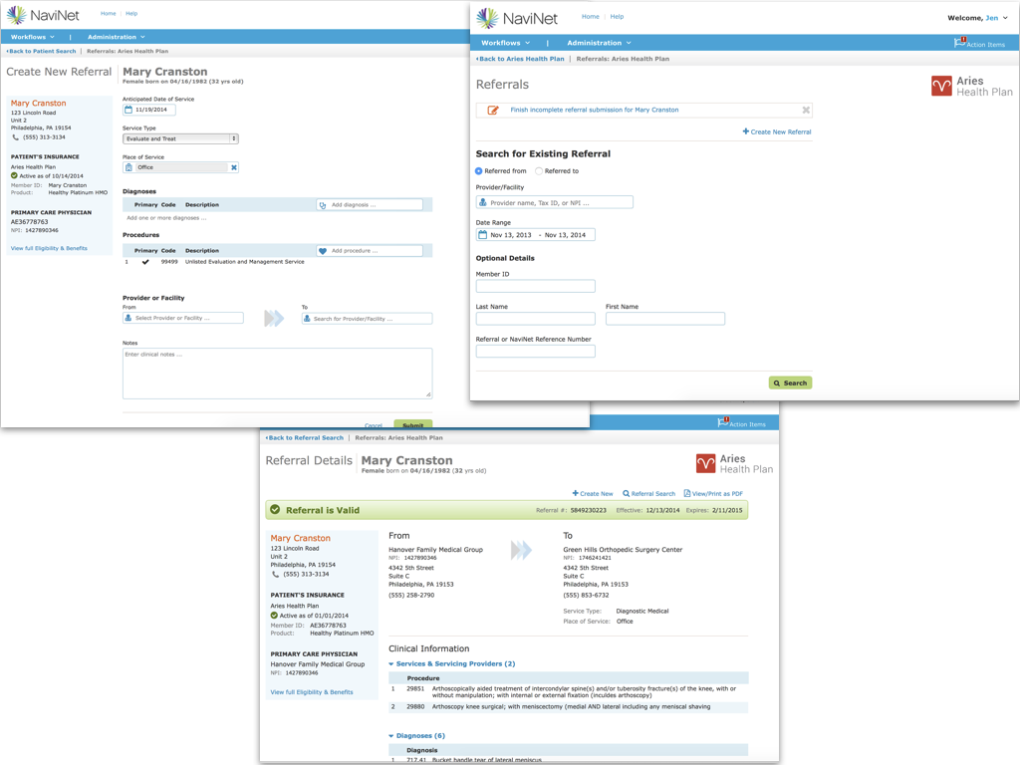
- Provider Portals: Secure portals connect healthcare professionals and insurance companies, so patient care coordination moves faster.
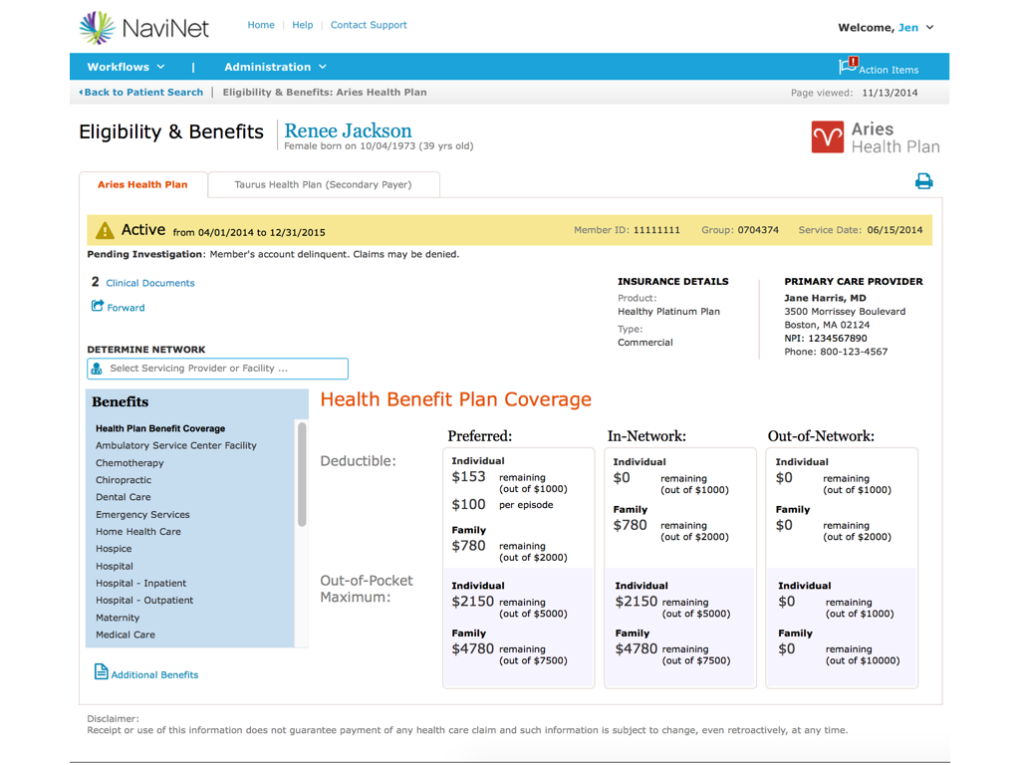
- Real-Time Eligibility Checks: Staff verify patient coverage on the spot, which cuts paperwork and shortens the wait for service.
- Referral Authorizations: The platform automates the steps needed to get referral approvals from insurers, saving time for practitioners and patients.
- Drug Price Negotiations Tool: Use this tool to run drug pricing discussions that can lower costs for both sides.
- Medicare Affordability Services: Help clients weigh Medicare options and find affordable care.
- Integrated Messaging System: A built-in messaging system keeps every stakeholder informed through secure communication across the entities involved.
- Healthcare Trends Analytics: Analytics tools track where healthcare is heading, so teams can adjust care strategies and operations on evidence, not guesswork.
- Customizable Interface Options: Adjust NaviNet’s interface to fit how a specific practice works, which shortens everyday workflows.
NaviNet Pricing in 2026
Knowing what NaviNet costs helps healthcare teams plan their administrative budget for 2026. The table below breaks down the pricing tiers and the features that come with each one.
| Plan | Core Features | Monthly Price | Annual Commitment |
|---|---|---|---|
| Basic | Eligibility Checks, Claim Status Inquiry | $99 | No |
| Professional | Basic Features + Electronic Remittance Advice, Secure Messaging | $249 | Yes |
| Enterprise | Professional Features + Prior Authorization, Custom Reporting | Custom Pricing | Yes |
The Basic plan covers the essentials that most small practices need, and it carries no annual commitment, which keeps the entry cost low. The Professional plan builds on the Basic feature set with electronic remittance advice and secure messaging for better communication and faster processing. Large organizations tend to pick the custom-priced Enterprise tier because prior authorization and custom reporting match their broader requirements. With three tiers on offer, there is a fit for practices of nearly any size.
NaviNet Transition to Availity: What to Expect
With the NaviNet transition to Availity, users should prepare for services to merge into one platform. Expect tighter processes and better tools for medical billing and patient care coordination.
The change is meant to give users a stronger platform with more advanced features that reflect current healthcare technology. For existing NaviNet accounts, that means the tools they rely on today should carry over, with room for new capabilities on the Availity side.
Workflows should feel more intuitive once the new system builds evidence-based care protocols into its design. Provider portals are set to become friendlier to use, which helps providers make sound decisions on drug price negotiations and value-based care.
Accessibility sits at the center of the merger, so both payers and providers should find the platform easier to move through. That focus matters most for the routine tasks staff repeat every day, such as checking eligibility, submitting claims, and following up on authorizations.
Key Healthcare Trends in 2026 and NaviNet’s Role
Healthcare in 2026 keeps shifting toward value-based care, personalized medicine, and payer efficiency. NaviNet supports each of these shifts, from better patient outcomes to smoother administrative processes.
Value-Based Care and Technology
Value-based care changes how the industry works by putting patient outcomes and overall wellness first. Technology enables that shift with tools for predictive analytics, remote monitoring, and personalized medicine.
When electronic health records (EHR) systems connect with telemedicine platforms, value-based care becomes practical to run day to day. That combination lifts patient engagement and makes healthcare delivery more efficient.
These same tools let providers work together more closely, which improves care coordination and helps different systems share data with each other.
Artificial Intelligence for Personalized Care
Artificial intelligence (AI) has changed how personalized care works. By reading large amounts of patient data, AI can suggest treatment plans built around each person’s health profile.
That precision helps providers deliver more effective care and better outcomes. AI-driven predictive analytics also flag at-risk patients early, so teams can step in sooner, manage chronic conditions, and reduce hospital admissions.
Bringing AI into personalized care improves the patient experience and gives providers more time back in their day, since fewer decisions rely on manual review of scattered records.
Interoperability for Payer Efficiencies
When payer systems talk to each other, data exchange and communication improve and daily operations run better. Interoperability gives teams real-time access to patient information, simplifies claims processing, and supports accurate billing.
By linking separate payer networks and technologies, interoperability speeds up service authorization and gets payments to providers faster.
Sharing data efficiently between payers creates a more connected healthcare system and cuts administrative work on both sides. Timely access to critical information raises the overall quality of care.
Conclusion
Healthcare organizations should weigh NaviNet’s 2026 pricing and features against their own needs as the industry keeps changing. Looking at alternatives can surface fresh ideas for value-based care and smoother payer operations.
Keep track of the main healthcare trends and plan ahead for the move from NaviNet to Availity, so you get full value from advances in personalized care and interoperability.
Teams that adapt to these changes will be better placed to run efficient operations and improve patient outcomes. Whether you stay with NaviNet through its move to Availity or test one of the alternatives above, the goal stays the same: fewer administrative delays and clearer connections between providers and payers.
(Image credit: NaviNet)
Compare alternatives to the tools in this post

- Independent picks for exactly what you just read about
- Matched to your team size & needs
- Vendors don't pay for placement
Step 1 of 4
How big is your team?
We tailor recommendations to companies your size.















Related Articles

Buyers guide
How To Choose The Best Mental Health Software For 2026
Continue reading →
Applicant Tracking Software
Best ATS for Retail and Hospitality Hiring in 2026: 5 Tools for High-Volume Recruiting
Continue reading →
Best Tools
Best EHR Software in 2026: Top Electronic Health Record Systems for Clinics and Practices
Continue reading →

Buyers guide
How To Choose The Best Patient Engagement Software For 2026
Continue reading →