
What is Klarna? Check out Latest Pricing, Features and Alternatives in 2026
Klarna is best known for its “buy now, pay later” system, which lets shoppers split a purchase into installments at checkout instead of paying the full amount upfront. Businesses that add Klarna’s checkout report a 30% increase in conversions, a nearly 50% jump in order value, and a 20% higher customer return rate. Klarna also takes on the fraud and credit risk that come with each order, so retailers can concentrate on selling products rather than chasing payments or vetting buyers.
The Klarna app uses AI to show deals and compare prices, tailoring what each shopper sees to their own habits and past purchases. Because it plugs into most e-commerce platforms, setup takes only a few lines of code. That low bar keeps things simple for buyers who want a faster checkout and for sellers who want to add the option in many countries without a long technical project.
Key Takeaways
- Klarna’s ‘buy now, pay later’ and installment options give consumers flexibility when they shop online. With 85% of users preferring it over other checkouts, its checkout can lift conversions by 30% for retailers.
- The app adds features such as the AI-powered Shopping Lens and price comparison tools, so users can find deals and manage payments while on the move.
- Business owners get quick integration on most e-commerce platforms, fraud protection for secure transactions, and repeat customers, which can raise sales revenue.
- Klarna’s updated pricing models try to keep the service affordable for shoppers while supporting steady growth for businesses, balancing consumer needs against merchant economics.
- Alternatives such as Affirm, Afterpay, and PayPal Credit offer different features, but Klarna stands apart with its international reach and post-purchase support, which drive high satisfaction.
How Klarna Changes Online Shopping
Klarna changes digital checkout by giving customers a ‘buy now, pay later’ option that turns a single purchase into a set of manageable installments. Transactions move faster because shoppers do not have to find the full amount at once, and they get the convenience and flexibility they want when they buy online.
Buy now, pay later explained
Picture walking into a store, picking up what you need, and leaving without paying upfront. “Buy now, pay later” brings that idea online. Customers make a purchase and spread the cost over time in set installments.
This is not layaway. You get your items right away, the same as any other purchase, and pay for them across later dates rather than waiting to receive them.
Merchants gain from it too. Deferred payment options raise sales conversions because fewer shoppers abandon a full-price cart, and they lift average order values because buyers are willing to spend more when the cost is spread out. The checkout stays quick, which suits shoppers who value convenience.
Because fraud protection and credit risk mitigation are built in, both sides shop with confidence, from the moment of checkout through to the post-purchase stage when questions or returns come up.
Check more Buy Now, Pay Later Statistics Exposed! An In-depth Analysis of Usage and Trends Revealed
The checkout process
Klarna Checkout changes how people pay online. Retailers that add it see a 30% rise in conversions, helped by a clear design and a fast transaction flow that removes steps between the cart and the confirmation page.
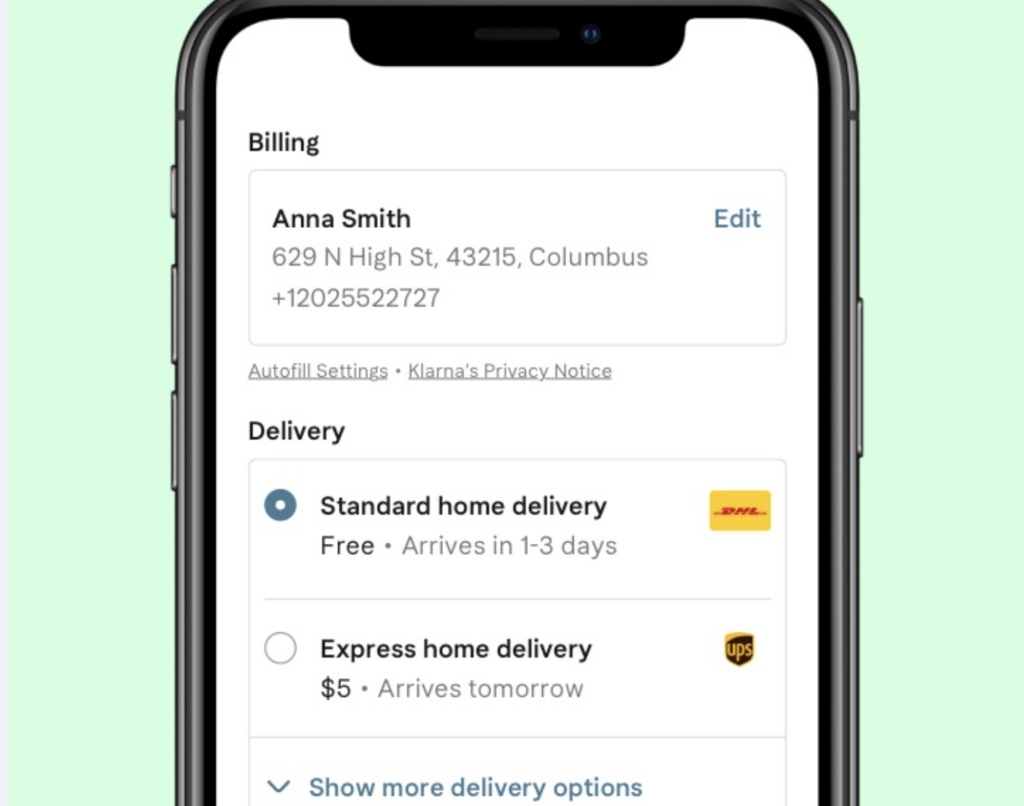
Billing and shipping details are prepopulated, so customers do not have to type them in for every purchase.
Klarna accepts several payment methods, so each shopper can pick the one they like rather than being forced into a single option. Onsite messaging tells users where they stand at each stage of the purchase, which builds trust and keeps the process transparent from cart to payment.
With 85% of Klarna shoppers rating the experience better than other checkouts, this payment flow is raising the bar for online retail.
Post-purchase customer experience
After checkout comes a key stage that shapes whether a buyer returns: the post-purchase experience. Klarna handles this with order management tools and responsive customer service inside its mobile app, so customers can track and manage what they bought without leaving the app.
That after-sale support keeps almost every transaction trouble-free, which shows in a 99.92% rate of purchases with no customer complaints.
Beyond handling orders, Klarna encourages repeat business by improving the buyer experience after each sale. Retailers using its system report an average 20% rise in purchase frequency.
A good after-sale experience helps buyers by making returns and questions easy, and it also feeds retailers’ bottom lines by building customer loyalty and satisfaction that brings shoppers back for the next purchase.
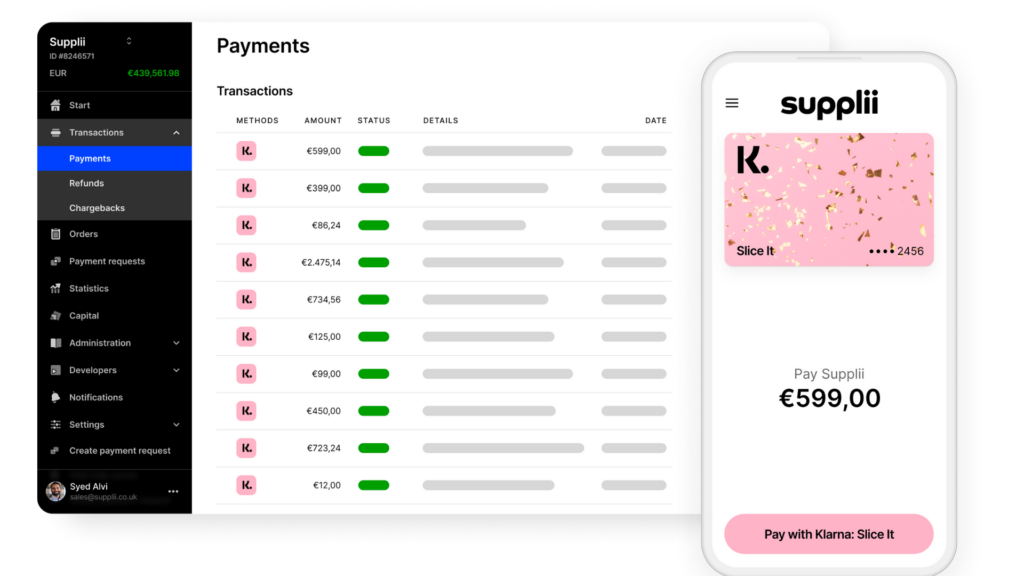
Klarna Latest Features
Klarna keeps adding features aimed at making online shopping easier and more personal. Its newest tools use AI and analytics to change how people browse and buy in e-commerce.
AI-powered Shopping Lens
Klarna’s AI-powered Shopping Lens changes how you find products online. Snap a picture of something you like, and the Shopping Lens searches the web for matches or similar items instead of asking you to guess the right words to type.
Because it uses visual search, you get results in seconds instead of typing out a description and hoping the words match. This helps when you spot something in the wild but do not know its brand or name.
Klarna goes further on comparison shopping. You can filter choices by color, size, features, and shipping options, all inside one app, so you narrow a long list down to the few items that actually fit what you want.
With customer ratings on hand and real-time availability updates, Klarna wants to be your retail search tool, a different way to shop from giants like Google or Amazon. Ratings help you judge quality, and the availability check keeps you from clicking through to an item that is out of stock.
The result is a faster way to browse that keeps your preferences at the center and delivers results where you want them, so the products you see line up with what you actually care about rather than a generic list.
Price comparison tool
Klarna’s price comparison tool removes the guesswork from finding a good deal. Shoppers can search and compare prices from thousands of retailers in one place.
You enter what you want, and Klarna sorts products by price, showing where an item costs less or more across the retailers it covers. That lets buyers spot the best offer at a glance without opening a dozen tabs.
Filters make the tool sharper. Customers narrow choices by size, color, features, and store availability, which cuts a long list down to the items worth a closer look. The shipping filter surfaces delivery costs early, so there are no surprises at checkout after you have already picked a product.
Klarna pairs AI assistance with a clear design to help you find your next buy. As you read the ‘Klarna Pricing Model Update’ below, consider how this kind of tool could change your own online shopping.
More payment options
Klarna adds payment options that give online shoppers more flexibility. With Klarna’s solutions, customers decide how and when they pay.
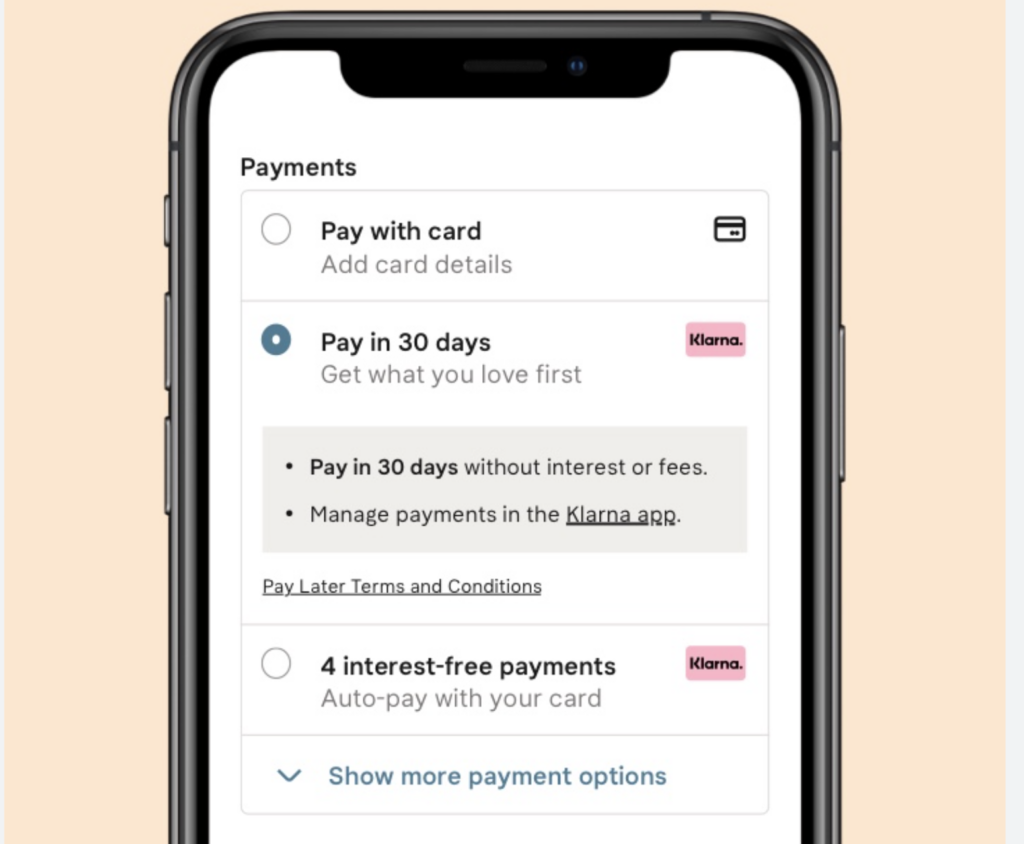
For people who need an item now but want to manage cash flow, Installments or Pay in 30 days give some breathing room before the money leaves their account. For larger purchases that need more time, the Financing option stretches payments out over a longer period.
Every transaction carries buyer and seller protection, because trust matters in e-commerce for both sides of the sale. Shoppers come back to sites where checkout is simple, where billing and shipping details auto-fill securely, and where all major cards work without extra steps or rejected payments.
That ease encourages repeat business and raises customer satisfaction. Next, the updated pricing model shows how these features turn into value for businesses that use Klarna.
Klarna Pricing Model Update
Klarna’s revised pricing aims to keep the service affordable for users while supporting steady business growth. That balance matters to both consumers and retailers, so it is worth understanding how these changes could affect your shopping and your sales.
Current versus new fees
Klarna’s pricing matters to merchants and consumers alike. Recent updates change the fee structure and affect how businesses and shoppers use Klarna’s service. The table below sets out the current fees against the new ones.
| Fee Type | Current Fee Structure | New Fee Structure |
|---|---|---|
| Transaction Fees | Varies by merchant agreement | Adjustments made to align with market standards |
| Monthly Fees | No monthly fees for standard service | Potential introduction of a tiered pricing model |
| Late Payment Fees | Fixed amount depending on country | Revision to encourage responsible borrowing |
| Interest Rates | 0% interest on ‘Pay in 4’ installments | Continuation of 0% but may introduce rates for longer-term financing options |
| Return Fees | No fees for returns, subject to retailer policy | Remains the same, emphasizing a seamless post-purchase experience |
| Merchant Support Fees | Included within transaction fees | Enhanced support options may affect pricing |
| Integration Fees | Free integration for merchants | Maintained as free to ensure easy adoption and accessibility |
Merchants should weigh these changes against their own margins. Consumers should think about how the revised fees might change their payment choices and their overall shopping experience. Klarna says it wants to keep the service competitive for users on both sides of the transaction.
Impact of pricing changes on businesses
Business revenue often depends on turning shoppers into buyers, and that is where Klarna’s updated pricing comes in. Changes in fees can shape retail strategy and lead to more competitive prices for consumers.
A business that adopts the new fees well could see more conversions by making payment easier and offering interest-free financing that removes a common reason shoppers walk away from a cart.
A clean checkout is key for retailers that want higher average transaction values, since a confusing payment step can cost a sale at the last moment. The pricing changes may push retailers to rethink how they handle the admin side of payments, from reconciliation to refunds.
Because Klarna Checkout can cut administrative costs and raise conversion rates by 30%, companies can put those savings back into customer service or into further checkout improvements that make transactions quick and contactless.
Klarna Checkout Solutions
Klarna’s Checkout Solutions are built to raise conversions. The design keeps transactions simple and gives customers several ways to pay, which can change how an online business performs.
Conversion-focused checkout design
Checkout design can make or break an online store. Retailers using Klarna’s conversion-focused approach report a 30% rise in sales conversions.
That gain comes from a smoother experience that moves customers from cart to completion without hitches or second thoughts, since every extra field or delay is a chance for a buyer to change their mind.
Higher conversion rates depend on understanding how customers buy and refining each step toward purchase. Klarna Checkout does this with technology that optimizes the flow automatically, which raises average transaction values and helps retain customers.
The design keeps payments secure while staying easy for shoppers, which supports repeat business and steady growth for owners.
Klarna Checkout’s all-in-one feature set
On top of that design, Klarna Checkout gathers a full set of features for online retail. Pre-filled billing and shipping information lets users move through payment without friction.
It supports all major payment methods, which adds convenience for shoppers who each have a preferred way to pay and helps drive repeat business and brand loyalty over time.
Klarna Checkout fits into any e-commerce platform while keeping the retailer’s own brand identity. Retailers get full fraud and credit risk protection, which lowers their exposure and lets customers shop with confidence.
Clear interfaces make order management straightforward for buyers and sellers alike, so both sides can track and handle an order without confusion. That combination helps Klarna’s solutions stand out among e-commerce checkout options.
Using the Klarna App
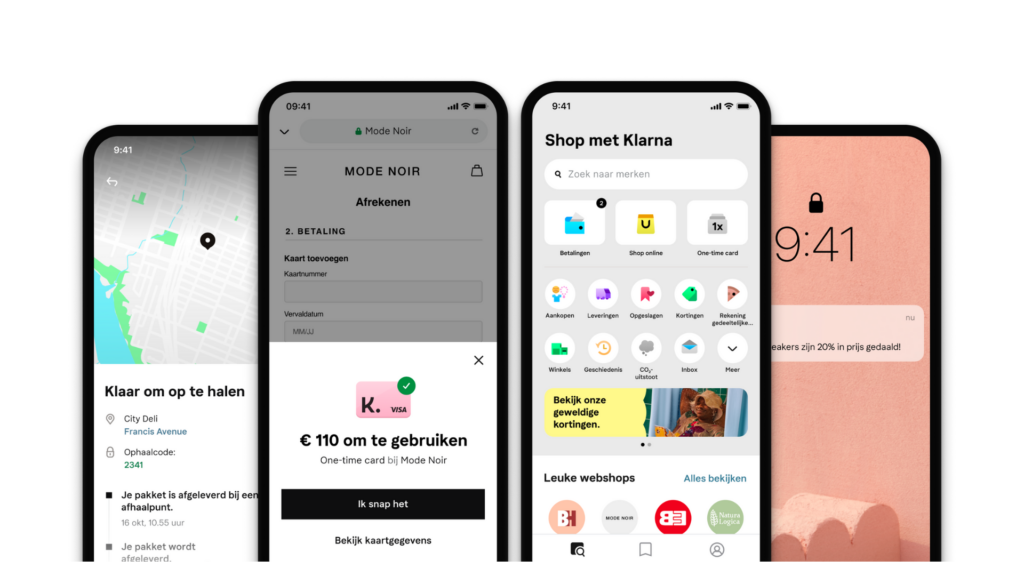
The Klarna app lets you shop on the go and manage purchases and payment plans from anywhere. Read on for how it combines finance and technology in one place.
Shopping anywhere online
The Klarna App lets you shop thousands of online retailers from home. Its search and compare tool sorts through many options to find deals that match what you want, so you get choice without feeling overwhelmed.
The app also handles payment. Use contactless payments for a quick tap, or pick four interest-free installments to spread a purchase out and manage your money over a few weeks.
With Klarna on your phone, you can handle a purchase anytime and anywhere, securely and without a laptop. You can pay retailers around the world from a single app, which changes how you shop on the go.
Credit score considerations
As you shop with the Klarna app, it helps to know how it affects your credit score. Klarna runs a soft credit inquiry when you choose the Pay in 4 option.
A soft check does not affect your credit rating the way a hard inquiry can. It is a quiet way to gauge creditworthiness without hurting your score, so using the service responsibly keeps your finances steady.
Klarna also offers structured plans such as monthly financing and one-time card payments made biweekly, with service fees where they apply. Convenient payment can be tempting, so paying on time matters for keeping your finances on track.
Checking the app regularly gives you a clear view of what you owe and helps you keep a healthy credit profile for future plans.
Klarna for Business Owners
Klarna can help business owners by fitting into their store quickly and giving customers more purchasing power. Here is a closer look at what it offers a business.
Integration simplicity
Klarna knows time is tight for business owners, so its checkout is built to fit a wide range of e-commerce platforms rather than a single system.
A few clicks add Klarna to your store using Javascript or RestAPI integration. After setup, Klarna handles auto updates and auto localization, which adapts to different markets on its own.
This removes the complex barriers that often come with payment integration and slow a launch down. The process is clear and does not require deep technical skill, which saves owners and their teams time and money they would otherwise spend on setup.
Quick integration means a business can start using Klarna’s payment options within a short setup window and give customers flexible ways to buy without a long wait for the feature to go live.
Business growth with Klarna
E-commerce businesses use Klarna to lift their online results. Because the platform improves the customer experience, companies see more conversions and repeat purchases.
Shoppers get flexible payment options that fit their budget, and owners get automatic updates and new referrals from Klarna’s own network, which together strengthen the bottom line.
Switching to Klarna gives retailers an efficient payment tool plus protection against fraud and credit risk, so a bad order does not fall on the merchant. Retailers can run cross-border sales, use seller protection, and get support around the clock, which opens the way to real expansion into new markets.
FAQs About Klarna
From security to the full range of services, this section answers common questions about Klarna with clear, direct information so you can shop with a better sense of how it works.
Addressing common questions and concerns
Customers often ask how Klarna affects their credit score. The ‘Pay in 4’ interest-free option will not hurt it, because Klarna runs a soft credit check that does not affect your score.
Comparison with other payment processing solutions
Klarna stands out among payment processors with an approach that keeps online purchases simple. With an 85% shopper preference rate, Klarna Checkout separates itself from rivals through features such as buy now, pay later options and a fraud protection system for sellers.
That protects e-commerce businesses and keeps shopping smooth for customers, which shows in the 99.92% of transactions that are complaint-free.
Other platforms offer similar services, but Klarna’s international reach sets it apart from rivals that work in fewer regions. The company’s range of payment options serves a global audience across many countries.
Its all-in-one checkout includes customer verification and contactless payments for both in-store and digital purchases. Integration is straightforward thanks to Javascript and RestAPI support, which keeps it within reach of owners who are not tech-savvy.
Conclusion
Klarna’s checkout and flexible payment plans point to easier online transactions. Its AI-powered shopping tools make price comparisons simple for consumers.
For businesses, adding Klarna to an e-commerce strategy is a chance to grow by reaching shoppers who prefer to pay over time. It gives shoppers and retailers a convenient, efficient way to handle digital payments, and it is changing how online retail works on both sides of the checkout.
Frequently Asked Questions
What does Klarna do?
Klarna lets you buy items now and pay for them later or over time.
Is there a cost to use Klarna?
Using Klarna can be free, but some options might charge interest or fees depending on your payment plan.
Can I use Klarna in all stores?
No, you can only use Klarna at participating stores that accept it as a payment method.
How do I make payments with Klarna?
You can make payments online through the Klarna app or website by linking your bank account or card.
Are there any alternatives to using Klarna?
Yes, there are other services like PayPal Credit, Afterpay, and Affirm that offer similar buy-now-pay-later options.
Compare alternatives to the tools in this post

- Independent picks for exactly what you just read about
- Matched to your team size & needs
- Vendors don't pay for placement
Step 1 of 4
How big is your team?
We tailor recommendations to companies your size.















Related Articles

Finance & Billing Software
Best Payroll Software for Contractors and Freelancers in 2026
Continue reading →
Buyers guide
How To Choose The Best Cryptocurrency Exchanges For 2026
Continue reading →

401K Providers
Top 5 Best 401k Providers for Small Businesses in 2026
Continue reading →
Accounting Software
How To Choose The Best Procure-to-Pay Software For 2026
Continue reading →