

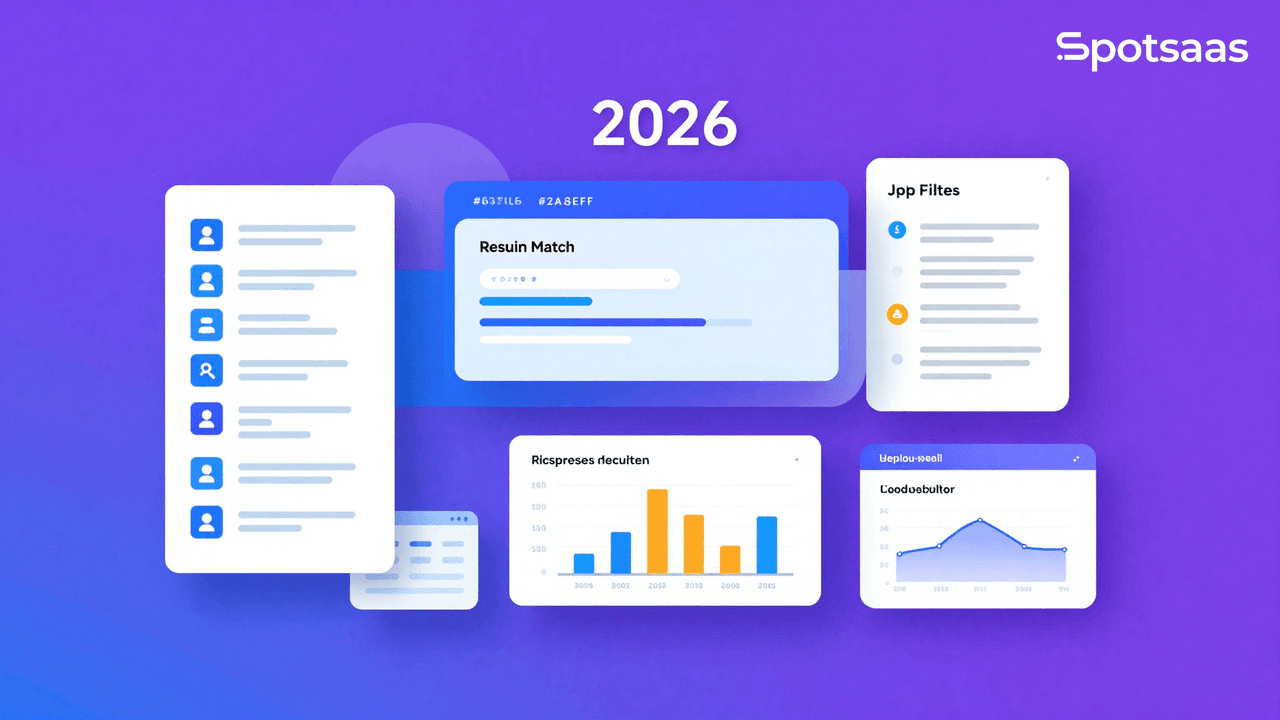
Job search sites have become the default starting point for both job seekers and recruiters. They bring job postings, resumes, networking, and career resources together in one place instead of scattering them across newspaper listings, cold calls, and word of mouth.
With so many platforms competing for your attention, it helps to understand how they actually work before picking one for your specific needs.
This guide breaks down the key features, the different types of platforms, their benefits and challenges, and the trends currently shaping job search sites, so you can navigate the options and land on the right decision.
Common Features of Job Search Sites
Job search sites generally share a set of features built to make hiring more efficient for both sides of the process. Here’s what to look for:
Job Listings:
Every job search platform is built around its job board — listings across industries and locations that users can filter by job title, company, location, and other criteria.
Resume Upload and Profile Creation:
Most sites let job seekers build a profile and upload a resume that employers can pull up when they’re searching for candidates.
Job Alerts:
Users can set alerts based on keywords, location, or job type, and get notified by email or SMS as soon as a matching job is posted.
Application Tracking:
Many platforms give users a dashboard to track where each application stands, from submission through the interview stage.
Employer Branding:
Companies can often build branded profiles that showcase culture, employee testimonials, and benefits to attract talent.
Mobile Accessibility:
Mobile apps let users search, apply, and track applications from their phone instead of being tied to a desktop.
Networking Features:
Some sites build in networking tools, letting users connect with industry professionals, join groups, and grow their professional network.
Skills Assessments and Certifications:
Some platforms offer online tests or certifications that let job seekers prove their skills directly to potential employers.
Company Reviews:
Sites like Glassdoor publish reviews from current and former employees, giving job seekers a window into company culture, salaries, and benefits before they apply.
Who Uses Job Search Sites?
A many individuals and organizations rely on job search sites:
| User | Description |
|---|---|
| Job Seekers | Individuals looking for full-time, part-time, freelance, or remote work across various industries. |
| Recruiters and Hiring Managers | Professionals seeking to fill open positions within their organizations. |
| Freelancers | Many job search sites cater to freelancers looking for contract-based projects or remote gigs. |
| Career Changers | People exploring new industries or careers use job search platforms to discover opportunities in unfamiliar fields. |
| Students and Recent Graduates | Entry-level job seekers use job search sites to find internships, part-time jobs, or their first full-time roles after graduation. |
Types of Job Search Sites
Job search sites break down into a few distinct categories, each built around a different need:
| Type | Description | Examples |
|---|---|---|
| General Job Search Sites | Offer many jobs across industries, roles, and locations, all experience levels—from entry-level to executive positions. | Indeed, Monster, ZipRecruiter |
| Niche Job Search Sites | Focus on specific industries or job types, like tech, healthcare, or marketing. This provides targeted listings and resources for specialized professionals. | Dice (tech jobs), Mediabistro (media jobs), We Work Remotely (remote work) |
| Freelance and Gig Economy Platforms | Connect freelancers and gig workers with short-term or project-based opportunities. | Upwork, Freelancer, Fiverr |
| Professional Networking Platforms | Allow users to network and discover job opportunities through connections and groups. | |
| Aggregators | Gather job listings from various sources, including other job boards, company websites, and recruiter postings. | SimplyHired, CareerJet |
Pricing for Job Search Sites
What you pay depends on which side of the hiring process you’re on:
• Job seekers: Most sites are free to use. Premium extras, like resume boosting, skills tests, or featured applicant status, usually come at an additional cost, with subscriptions typically running $10 to $30 per month.
• Employers: Employers and recruiters generally pay to post jobs and access candidate resumes. The pricing model tends to fall into one of a few structures:
• Per job posting: A flat fee per listing, ranging from $99 to $500 depending on the platform and how long the listing stays live.
• Subscription: A monthly or annual fee for unlimited postings or broader access to the candidate database, generally landing between $300 and $1,500 per month.
• Pay-per-click (PPC): Some platforms charge based on how many clicks or views a listing gets rather than a flat rate.
Benefits of Using Job Search Sites
Job search platforms bring real advantages to both sides of the hiring equation:
• Wider reach: Employers tap into a global talent pool, while job seekers can look beyond their immediate geographic area.
• Efficient job search: Filters, alerts, and advanced search options help job seekers zero in on relevant positions instead of scrolling through everything.
• Simplified hiring: Employers can post jobs, review resumes, and track applications from one centralized dashboard rather than juggling spreadsheets and inboxes.
• Networking opportunities: Platforms like LinkedIn let job seekers connect directly with recruiters and industry professionals, which raises the odds of turning up a lead.
• Transparency: Company reviews, salary information, and employee testimonials give job seekers a clearer picture of a potential employer before they apply.
• Skills verification: Skills tests and certifications on some platforms let job seekers prove their abilities and stand out from other applicants.
How to Choose the Best Job Search Platform
The right platform depends on your specific goals. Here’s what to weigh:
For Job Seekers:
| Factor | Description |
|---|---|
| Job Type | Identify whether you’re looking for full-time, part-time, freelance, or remote work, and select a platform that caters to those job types. |
| Industry Focus | If you’re in a specialized field (e.g., tech, healthcare), niche job boards may offer more relevant opportunities than general platforms. |
| Geographic Focus | If you want to relocate or work remotely, choose platforms that offer a broad geographic range or specialize in remote jobs. |
| Additional Resources | Look for platforms that offer career advice, resume writing services, or skills assessments to help you stand out. |
| Networking | Consider professional networking platforms if building connections with industry professionals is a priority. |
For Employers:
| Factor | Description |
|---|---|
| Cost | Compare pricing models (pay-per-click, subscription, or per job posting) to find the most cost-effective option for your hiring needs. |
| Candidate Quality | Some platforms specialize in high-quality candidates from specific industries or experience levels. This ensures you get relevant applicants. |
| Ease of Use | The platform should have an intuitive interface, allowing you to easily post jobs, track applications, and communicate with candidates. |
| Branding Opportunities | If employer branding is important, choose platforms that allow you to create detailed company profiles and showcase your culture. |
Challenges of Using Job Search Sites
Job search sites come with real upsides, but they’re not without friction:
• High competition: Popular platforms draw huge numbers of applicants, which makes it harder for candidates to stand out and harder for employers to sort through the volume.
• Spam and scams: Job seekers need to stay alert for fraudulent postings or scam offers, especially on platforms that don’t vet listings closely.
• Outdated job listings: Some platforms leave expired listings up, which leads to frustration when job seekers apply for a role that no longer exists.
• Over-reliance on keywords: Search algorithms often prioritize keyword matches, which can cause mismatches if a candidate hasn’t optimized their resume for the platform’s search engine.
Tips for Using Job Search Sites Effectively
For Job Seekers:
| Tip | Description |
|---|---|
| Optimize Your Profile | Make sure your resume, profile, and keywords are tailored to the types of jobs you’re seeking to improve your visibility in searches. |
| Set Job Alerts | Use job alerts to be notified when relevant positions are posted. This ensures you’re among the first to apply. |
| Network | Take advantage of networking features on platforms like LinkedIn to connect with recruiters and industry professionals. |
| Use Multiple Platforms | Don’t limit yourself to one site. Use a combination of general and niche platforms to maximize your job search efforts. |
For Employers:
| Tip | Description |
|---|---|
| Write Clear Job Descriptions | Be specific about job roles, responsibilities, and qualifications to attract relevant candidates. |
| Utilize Employer Branding | Showcase your company culture through profile pages, employee testimonials, and benefits to attract top talent. |
| Filter Applications | Use tools to filter and rank candidates based on qualifications to manage large volumes of applications. |
Alternatives to Job Search Sites
Job search sites work well, but they’re far from the only route to finding or filling an opening:
Recruitment Agencies
Recruitment agencies offer a more hands-on, personalized service for businesses trying to find candidates. They’re especially useful for specialized or executive roles, though the cost usually runs higher than a job board.
Networking Events
Industry conferences, job fairs, and networking events put you directly in front of potential employers or candidates. It’s a slower approach, but one that can surface job opportunities that never make it to a job board at all.
Company Websites
Plenty of companies list openings straight on their own site. Job seekers can skip job search platforms entirely by going directly to the “Careers” page of a company they’re interested in.
Social Media Platforms
Beyond LinkedIn, platforms like Twitter and Facebook are increasingly used by companies to advertise openings and recruit. Following companies or joining industry groups is an easy way to stay in the loop.
Internal Recruitment
Companies often look internally before opening a role externally, so if you’re already employed, it’s worth asking about openings within your own organization — it tends to move faster than applying from outside.
Trends in Job Search Sites in 2026
The job search landscape keeps shifting. Here are the trends currently shaping job search sites in 2026:
AI-Powered Job Matching
More job search platforms are leaning on AI to sharpen their matching algorithms, aligning job seekers with opportunities that fit their skills, experience, and preferences more closely. On the employer side, AI also helps surface the strongest candidates based on the job description and past hiring data.
Video Interviews and AI Screening
Video interviews are increasingly happening directly on job search platforms rather than through a separate tool. Some now use AI to assess a candidate’s facial expressions, speech patterns, and tone during the interview. This gives employers extra signal beyond the transcript.
Remote and Hybrid Job Listings
As remote and hybrid work becomes more common, job search platforms are giving more space to remote listings, and platforms built specifically around remote work are growing fast alongside them.
Candidate-Driven Marketplaces
Job search sites are handing more control to candidates. Job seekers can now specify their desired salary, preferred work conditions, and the kind of work-life balance they want, and employers adjust their offers accordingly.
Focus on Diversity and Inclusion
More platforms now build in tools to help employers attract a more diverse workforce — reducing bias in job descriptions, encouraging inclusive language, and giving companies a place to highlight their diversity initiatives on their profiles.
Freelancing and Gig Economy Growth
The freelance and gig economy keeps expanding, and more platforms are building features specifically for project-based, short-term work. Expect more job boards to lean into contract roles and independent professionals rather than treating them as an afterthought.
Gamification of Job Applications
Some platforms are adding gamified elements into the application process itself, having candidates complete interactive tasks or challenges that give employers a better read on their skills and problem-solving ability than a resume alone.
Conclusion
Job search sites have reshaped how people find work and how companies hire, bringing job alerts, resume uploads, networking tools, and AI-based matching under one roof. Still, the right platform depends entirely on what you actually need — whether that’s a job seeker chasing remote work or a recruiter hunting for niche talent.
Understanding the different types of job search platforms, what they offer, and how to work around their common pitfalls puts you in a much better position to advance your career or fill a role efficiently. As trends keep shifting with new AI tools and changing work models, staying current is what keeps you ahead in the job market.
Related Articles
Applicant Tracking Software
ATS Tools for Small Teams: Hire Faster and Smarter with Less Effort
Continue reading →

Applicant Tracking Software
How Collaborative ATS Tools Improve Internal Hiring Communication
Continue reading →
Applicant Tracking Software
How To Choose The Best Job Board Software For 2026
Continue reading →
Applicant Tracking Software
Best Tools for Cross-Functional Hiring Across Teams and Departments
Continue reading →