
Writing an email to a recruiter makes many job seekers anxious. More than 70% of them report feeling nervous when they sit down to do it. That reaction is understandable, since the message often feels like it carries the weight of a whole job search. It is also one of the first impressions a recruiter forms of you, which raises the pressure. The task becomes manageable, though, once you break it into parts and treat each part on its own.
This guide covers how to write that email from start to finish, from an engaging subject line through to a professional sign-off. Each section below breaks down one part of the message, from the subject line and greeting to the body and follow-up, so you can put the whole thing together with confidence.
Key Takeaways
- A concise, direct subject line matters most when emailing a recruiter, because it grabs their attention and gets your message across quickly.
- Personalizing the subject line with the recruiter’s name, or a detail about their company, helps your email stand out among the others in their inbox.
- When greeting the recruiter, use their name and introduce yourself briefly to show that you researched who you are reaching out to.
Crafting the Perfect Subject Line
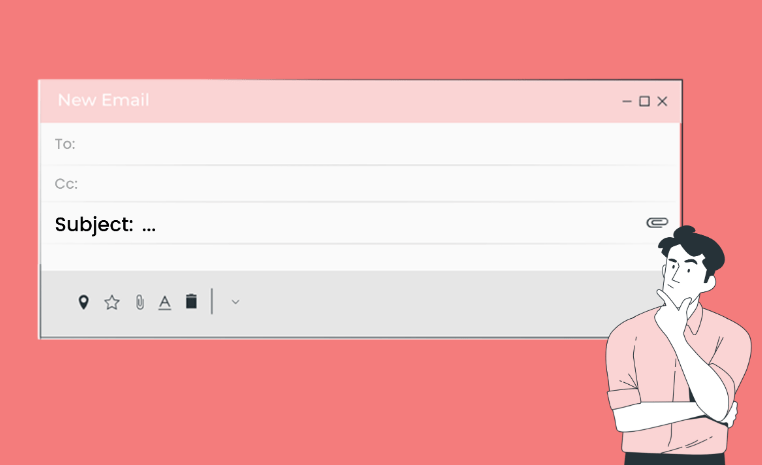
A strong subject line for your email to a recruiter is concise and direct. A line that is too long or vague can lead the recruiter to overlook your message.
Personalizing the subject line also helps grab attention and shows that you have done your research. Using the recruiter’s name in the subject line can make your email stand out among the others in their inbox.
Be concise and direct
In the subject line, being concise and direct is the rule to follow. This is not only about saving space; it also makes sure your message lands. Too much information or overly complex phrasing can cause recruiters to miss key details while working through a busy schedule.
The aim is to communicate the purpose of your email quickly, so the reader knows what to expect before opening it. Cut any unnecessary words and state why you are writing: are you applying for a specific position, mentioning a shared contact, or asking about opportunities within their organization? Use clear, straightforward language that tells the recruiter right away why you reached out.
Trimming the fluff does not mean dropping important context. Keep the relevant details, such as the role you are after or the connection you share, but package them concisely so the line stays short and readable.
Personalize the subject line
A compelling subject line for a recruiter relies on personalization. Paying attention to detail sets you apart, and that includes tailoring the subject line to the specific job or recruiter.
You might include words tied to the position you are applying for, the job title itself, or a detail that matters to their company and signals that you looked into it.
Personalizing also means avoiding generic phrases like “Job Application” or “Resume Submission”. Those flat labels get lost in a busy inbox. Instead, catch the recruiter’s attention with a subject line built for them, such as naming a mutual contact, referencing an upcoming company event you know they are planning for, or noting an award their team recently won.
This approach shows dedication and real research on your part, and it gives the recruiter a reason to open your email before the others waiting in their inbox.
Greeting the Recruiter
When greeting the recruiter, use their name and introduce yourself briefly. This personal touch shows that you took the time to research and understand who you are reaching out to.
Use the recruiter’s name
Putting the recruiter’s name in your greeting builds a personal connection. It reflects your attention to detail and respect for the person, and shows that you did your homework.
Avoid generic salutations like “To Whom It May Concern” or “Dear Sir/Madam”. Look up their name on LinkedIn or the company website if you need to. Using the correct spelling and title matters too; these small details make a real difference.
Keep it formal with “Mr.” or “Ms.” before their last name, unless they have told you otherwise in a previous exchange.
Introduce yourself briefly
Your introduction to a recruiter should stay brief and to the point. Start with your name and any relevant background that makes you stand out as a potential candidate.
Recruiters receive many emails every day, so keep your introduction concise and engaging. Include any notable achievements or qualifications that relate to the position you are applying for.
Keep in mind that this is not the place for a long-winded autobiography. Be confident and highlight clearly what sets you apart from the other applicants.

The Body of the Email
In the body of the email, explain how you found the recruiter’s information and mention any mutual connections or affiliations. Then highlight the experience and skills that make you a strong candidate for potential opportunities.
Be specific and give concrete examples to support your claims. Finally, politely ask about potential job openings or upcoming recruitment events.
Explain how you found the recruiter’s information
You may have found the recruiter’s information through job boards, professional networking platforms like LinkedIn, company websites, or employee referrals. These sources help you locate contact details for recruiters who specialize in your industry or field of interest.
This step matters because it shows that you have done your research and are genuinely interested in connecting with the recruiter, rather than sending the same message to everyone at once.
Highlight your relevant experience and skills
In the body of your email, highlight the experience and skills that are relevant to the role. This helps the recruiter quickly see why you are a strong candidate for potential opportunities.
Stay concise and mention specific accomplishments or qualifications that line up with the job you are applying for. Showcasing your expertise catches the recruiter’s attention and improves your chances of getting noticed.
Request information about potential opportunities
Ask the recruiter for information about potential opportunities. Requesting it gives you a clearer picture of which positions are open and whether your skills match their needs.
This lets you tailor your application to the roles that fit and improve your chances of landing an interview. Be clear and concise in the request so the recruiter can respond easily with the details you need, without having to guess what you are asking for.
Tips for a Successful Email
When writing an email to a recruiter, follow these tips for effective communication: be professional and respectful in your tone, state your purpose clearly, keep the email brief and to the point, include a clear call to action, and follow up politely if needed.
Be professional and respectful
When emailing a recruiter, keep a professional and respectful tone throughout the message. Use proper language, avoid slang or informal expressions, and stay courteous in your requests.
Recruiters receive many emails every day, so make a positive impression by showing professionalism and respect for their time. Following these guidelines improves your chances of standing out and leaving a favourable impression with the recruiter.
State your purpose clearly
State your purpose clearly in your email to a recruiter. Explain why you are reaching out and what you hope to achieve from the exchange.
Whether you want information about job opportunities or an interview, being direct and concise helps the recruiter understand your intentions right away. Stating your purpose clearly shows professionalism and respect for the recruiter’s time.
This improves the chances of a prompt response and of moving forward in the hiring process, since the recruiter can act on your message without asking you to clarify what you meant.
Keep the email brief and to the point
When writing to a recruiter, keep the message brief and concise. Get straight to the point and skip unnecessary details. A short email respects the recruiter’s time and raises the chances that they read your entire message.
Recruiters receive many emails daily, so making yours easy to skim ensures they catch the key information without feeling overwhelmed. Be clear about your purpose, state directly what you are looking for or asking for, and end with a clear call to action.
A brief email shows professionalism and the kind of effective communication recruiters value in candidates. If you have a lot to say and cannot keep it short at first, do not block your ideas; keep writing. Once you are done, a summarizer tool can help make your content short and concise.
AI summarizers are smart tools that understand the text and its context. They can pull out the core concepts to build a compelling summary. Give one a try if your email body is running longer than the ideal length.
Include a clear call to action
To improve your chances of a response from the recruiter, include a clear call to action in your email. A call to action is a direct request or prompt that tells the recipient what you would like them to do next.
For example, you might ask for an informational interview, request a meeting, or inquire about specific job opportunities. A clear call to action makes it easier for the recruiter to understand your intentions and take appropriate action.
Stay polite and professional in your request, and show genuine enthusiasm and interest in their response so the recruiter feels the exchange is worth their time.
Follow up politely if needed
Follow up with a recruiter if you have not received a response within a reasonable amount of time. Be polite and respectful when you reach out again, since recruiters are often busy and may have missed your initial email.
Send a brief follow-up message that expresses your continued interest in the opportunity and politely asks for an update on the status of your application or inquiry. Keep the tone professional and avoid coming across as pushy or demanding.
A friendly reminder can help your email get noticed if it slipped down the inbox, and it improves your chances of a timely response from the recruiter without straining the relationship.

Conclusion
A well-written email to a recruiter is what grabs their attention and improves your chances of getting a response. Using the steps in this guide, a personalized subject line, a professional introduction, and a clearly stated purpose, you can put together a compelling email that stands out.
Keep it concise and respectful, address the recruiter by name, and include a clear call to action that tells them what to do next. With these strategies in mind, you can write emails that impress recruiters and open doors to new opportunities.
Before You Hit Send
Check three things: the recruiter’s name is spelled correctly, the role title matches the posting exactly, and your message says what you want in the first sentence. Recruiters read the opening line and decide from it, so an email that reaches the point in paragraph three usually does not get that far.
Related reading: pair this with the right cover letter length and how to decline an offer gracefully.
Frequently Asked Questions
What should I include in the subject line of an email to a recruiter?
In the subject line, include your name and the purpose of the email, such as “Job Inquiry” or “Application for [Position].”
How long should my email to a recruiter be?
Keep your email concise and to the point, ideally no more than a few paragraphs. Make sure to highlight relevant qualifications and ask any specific questions you may have.
Should I attach my resume and cover letter in the initial email?
It is recommended to attach your resume and cover letter as separate files rather than embedding them in the body of the email. This allows for easier viewing and printing.
How do I address a recruiter in my email?
Address the recruiter by their professional title (e.g., “Dear Ms./Mr.”) followed by their last name unless instructed otherwise.
What’s the best way to follow up after sending an email to a recruiter?
Wait at least one week before following up with a polite and brief message reiterating your interest in the position. It’s important not to come across as pushy or impatient.
Related Articles

Applicant Tracking Software
ATS Tools for Small Teams: Hire Faster and Smarter with Less Effort
Continue reading →

Applicant Tracking Software
How Collaborative ATS Tools Improve Internal Hiring Communication
Continue reading →
Applicant Tracking Software
How To Choose The Best Job Board Software For 2026
Continue reading →
Applicant Tracking Software
Best Tools for Cross-Functional Hiring Across Teams and Departments
Continue reading →