
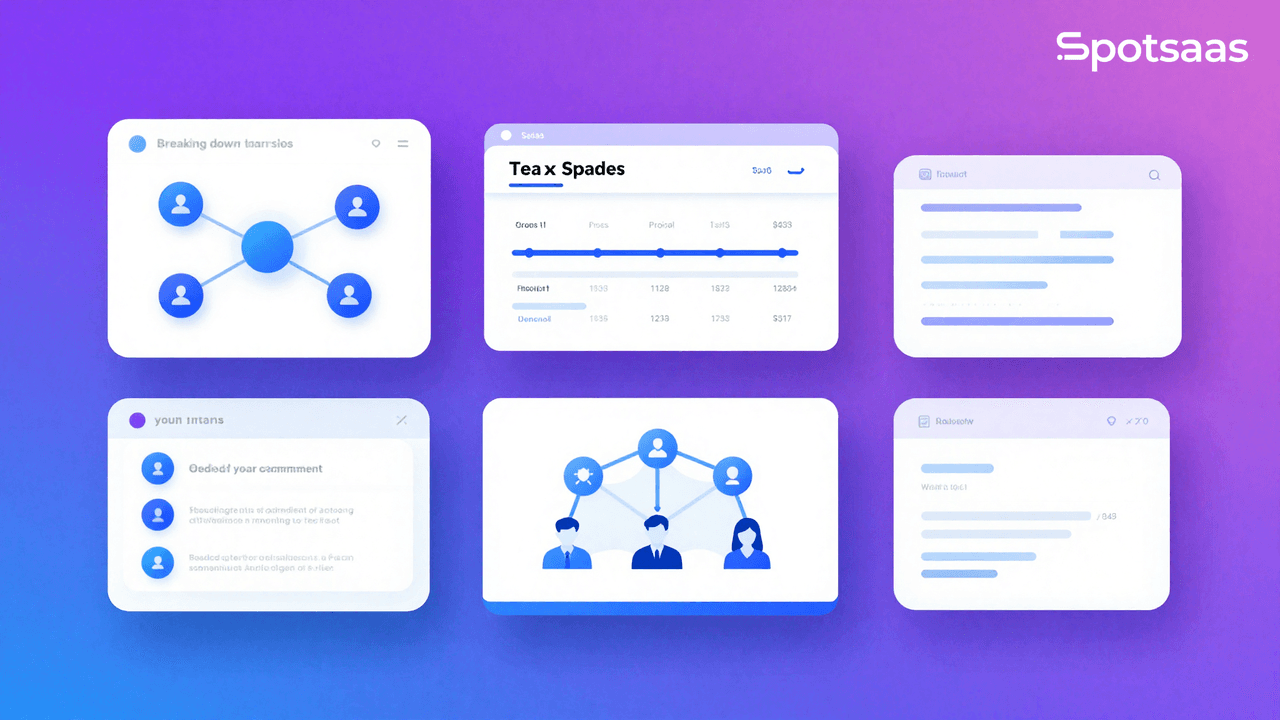
A “siloed” team is one that works cut off from the rest of the organization: no shared updates, no shared goals, little visibility into what other groups are doing. Over time those gaps turn into real walls. Decisions slow down, work gets duplicated, and deadlines slip because nobody outside the team knew what was happening inside it.
Siloed teams tend to run their own tools, their own processes, and their own priorities, which makes it hard for a project manager to keep everyone pointed the same direction, especially on cross-functional work. A marketing team might be deep into a campaign with no idea the product team just pushed the launch date back two weeks.
Silos generally form in one of two ways:
- Intentional silos: built into the org chart itself, where departments simply don’t interact much.
- Unintentional silos: the byproduct of weak communication, remote-work friction, or fuzzy project roles.
Either way, the outcome is the same: coordination breaks down, mistakes creep in, and timelines stretch out. Getting teams talking to each other is what keeps a project on schedule, and the earlier that habit is built into how a team works, the less likely small gaps are to turn into missed deadlines later on.
Why Silos Are a Problem in Projects
Silos look harmless from the outside, but they slowly pull a project off course. Once teams stop sharing updates, small gaps compound into bigger problems.
The usual symptoms:
- Misaligned goals: a team ships a feature that another team is already planning to retire.
- Repeated work: two groups solve the same problem separately, wasting effort on both sides.
- Delayed decisions: updates never reach the people who need to approve or redirect work.
- Low morale: people feel cut off, and their contributions start to feel invisible.
- Customer impact: sloppy handoffs turn into missed deadlines, broken features, or a rough user experience.
The Project Management Institute has flagged poor communication as one of the top reasons projects fail, and silos make it worse by trapping information inside a single part of the company.
Breaking down silos is not just a nice-to-have for productivity. It is a business priority, since every one of those symptoms eventually shows up in either the budget, the timeline, or the finished product.
Signs Your Project Team Is Siloed
Silos rarely show up overnight. Watch for these patterns instead:
| ⚠️ Warning Sign | 💬 What It Looks Like in Practice |
|---|---|
| Limited cross-team updates | Teams don’t know what others are working on until it’s too late. |
| Duplicate work | Different departments unknowingly tackle the same task or build similar features. |
| Conflicting priorities | One team pushes for speed, while another team is optimizing for quality, without alignment. |
| Delays in handoffs | Deliverables sit idle because the next team wasn’t informed or ready. |
| Lack of shared tools | Each team uses its own platform with no visibility into others’ progress. |
| Minimal interaction | Project meetings rarely include more than one department or function. |
Even strong teams slip into these patterns, particularly when work is remote or moving fast. Catching them early is what keeps small friction from turning into major delays.
What Causes Silos in Project Management?
Silos rarely start with bad intentions. Usually they come from how a team is structured, how information moves, and which tools are (or aren’t) shared across a project.
| Cause | Description | Impact |
|---|---|---|
| Department-Centric Structures | Teams focus on individual goals rather than shared project outcomes due to strict functional separation. | Leads to poor coordination and misaligned priorities across departments. |
| Lack of Communication Channels | Teams rely on limited or outdated communication like emails or weekly meetings. | Delays feedback and creates information gaps that stall project progress. |
| Tool Fragmentation | Different teams use separate platforms without shared visibility. | Causes duplication, confusion, and missed dependencies between teams. |
| Remote or Distributed Teams | Teams lack in-person interaction and spontaneous collaboration. | Leads to isolation unless virtual processes are clearly in place. |
| Unclear Roles and Ownership | Team responsibilities are vague or undocumented. | Results in hesitation, duplicated work, or disjointed workflows. |
| Top-Down Decision-Making | Leaders make key decisions without input from operational teams. | Creates disengagement and disconnects between planning and execution. |
Here’s a closer look at each cause:
Department-Centric Structures
Most organizations split people into functional groups: marketing, design, product, and sales. That structure is good for specialization, but it also pushes teams toward their own goals instead of shared project outcomes. Marketing might push a launch to hit a campaign deadline without realizing product is still testing features. Manage departments in isolation and coordination is the first thing to break.
Lack of Communication Channels
Without open communication, information stays trapped inside individual teams. Leaning on email or a once-a-week meeting means important updates arrive late or not at all, which is especially costly on fast-moving projects where a one-day delay in feedback can push a timeline back. Real-time messaging, shared workspaces, and regular updates are what keep everyone aligned instead.
Tool Fragmentation
Different teams often run different software: design might be in Figma, developers in Jira, marketing in Monday.com. Without one place to see progress across all of it, everyone is working half-blind, which leads straight to duplication, confusion, and missed dependencies: the classic symptoms of a siloed setup.
Remote or Distributed Teams
Remote work brings flexibility, but it removes the spontaneous collaboration that happens in an office: no hallway conversations, no whiteboard sessions to sort out confusion on the spot. Without deliberate processes in place, like virtual check-ins, shared goals, or cross-functional updates, remote teams drift apart even while technically working on the same project.
Unclear Roles and Ownership
When responsibilities aren’t clearly assigned, teams either freeze or move without alignment. Without clarity on who owns what, people invent their own processes just to stay productive, and those improvised workflows are hard to coordinate. Undocumented roles and ownership are one of the fastest routes to a siloed organization.
Top-Down Decision-Making
When every major call comes from leadership with little input from the people doing the work, approvals move fast but ground-level insight gets lost. Employees eventually stop offering updates or ideas across departments because they don’t feel part of the planning process, and that lack of shared ownership drives teams further apart.
Each of these causes chips away at a project’s chances of success on its own, and they tend to reinforce each other over time. But with the right practices, all of them can be caught early, before they turn into long-term blockers.
Impact of Silos on Different Project Roles
Silos do more than slow down a timeline. They change how people actually work, collaborate, and deliver, and every role on a project team feels that differently.
- Project Managers: struggle to manage scope and timelines when updates go missing.
- Developers: end up building features based on outdated or partial information.
- Designers: lose context, which leads to misaligned assets and extra rounds of revision.
- Marketers: see campaigns suffer when product or project updates never reach them.
- Leadership: makes decisions without full visibility into project status or risk.
Project Managers
Project managers rely on visibility to manage scope, schedules, and team alignment. In a siloed environment, real-time updates from other departments are hard to get, so project plans go stale quickly and delays become harder to control.
Result: Missed deadlines, scope creep, and a reduced ability to manage risk.
Developers and Engineers
Technical teams need input from multiple stakeholders to build something that actually meets expectations. Leave them out of early planning or product discussions and they end up building against outdated or misaligned requirements.
Result: Rework, inefficiency, and lower team morale.
Designers
Designers depend on input from product, marketing, and sometimes sales to understand user needs and project goals. Silos cut off that context, and the result is assets that don’t match what other teams were expecting.
Result: Miscommunication, extra creative revisions, and an inconsistent user experience.
Marketers
Marketing needs to collaborate with product and engineering to get messaging and launch timelines right. When updates stay siloed, campaigns go out with outdated or wrong information baked in.
Result: Misaligned messaging, weaker campaign results, and confused customers.
Stakeholders and Leadership
Executives and senior stakeholders need reliable updates to make good strategic calls. When teams work in isolation, leadership loses the full picture of progress, blockers, and opportunities.
Result: Slower decisions, inaccurate reporting, and misaligned priorities.
Silos don’t just slow work down. They create frustration and misalignment across an entire project team, wearing down the people involved just as much as the schedule, and understanding how each role is affected is the first step toward fixing it.
Best Collaboration Tools to Prevent Silos
The right collaboration software does more than organize tasks. It connects people, centralizes updates, and builds transparency across teams. Here are three of the most effective tools for breaking down communication silos in project-based work.
ClickUp

Best for: Centralizing all work, from tasks to timelines to reporting, in one customizable platform.
ClickUp unifies task tracking, documentation, goal-setting, team chat, and reporting into one shared workspace. Rather than serving a single function the way task trackers or note apps do, it acts as a full operating system for collaboration.
Key Features That Prevent Silos:
- Multiple views (List, Board, Gantt, Timeline): each team can work in the format it prefers while the underlying data stays synchronized; product might live in the Gantt view while marketing sticks to boards.
- Task watchers and comments: loop stakeholders into visibility without assigning them extra tasks.
- Goals and OKRs: set cross-functional objectives and tie them to project tasks so every department is aligned on the bigger outcome.
- Custom dashboards: give executives, designers, or developers a role-specific view of live data, without anyone having to ask for a status update.
- Docs and wikis: keep living documents and SOPs that stay connected to specific tasks or milestones.
Why it works: ClickUp removes the need to juggle multiple apps. Everyone, from leadership to individual contributors, works off the same information, which cuts down the delays that fragmented workflows and tool silos usually cause.
Who it’s best for: Startups, cross-functional teams, and agencies managing multiple deliverables across departments.
Notion

Best for: Teams that rely heavily on shared knowledge, documentation, and planning in one unified workspace.
Notion brings structure to information that would otherwise be scattered across apps. It works as a team wiki, project planner, document hub, and task manager at once, which makes it a single source of truth for organizations dealing with inconsistent or siloed documentation.
Key Features That Prevent Silos:
- Team wikis and databases: keep roadmaps, content calendars, campaign briefs, and meeting notes in one navigable system anyone can access.
- Linked databases: connect tasks, docs, and pages so an update in one place shows up everywhere it’s referenced.
- Real-time editing: multiple people can edit the same page at once, which supports active collaboration during planning, reviews, or brainstorming.
- Permissions and page sharing: grant access by role or department to keep things clear without overloading people with information they don’t need.
- Templates and standardization: keep documentation structures consistent across teams, cutting down confusion and miscommunication.
Why it works: Notion replaces scattered Google Docs, disconnected folders, and out-of-date spreadsheets with a single place to document once and share everywhere, which builds alignment across every layer of a project.
Who it’s best for: Remote or hybrid teams, knowledge-heavy businesses, content teams, and anyone drowning in project documentation.
Slack

Best for: Fast-moving teams that need real-time discussion and integrated workflows across apps.
Slack is usually thought of as a messaging tool, but it does more than chat: it unifies communication, file sharing, and app notifications into one transparent platform. For teams spread across time zones or departments, it replaces email chains and fills the gaps between meetings.
Key Features That Prevent Silos:
- Public and private channels: a dedicated space for every project, department, or initiative keeps updates organized and visible to the right people.
- App integrations (Asana, Trello, Google Drive, Zoom, and more): task updates, file shares, and alerts from other tools flow into Slack directly, so nobody has to switch tabs.
- Threaded conversations: replies stay attached to the original message instead of scattering across the channel.
- Slack Connect: collaborate with external stakeholders, vendors, or clients without leaving the platform or relying on long email threads.
- Pinned items and searchability: store critical updates or files in a channel and find them later with advanced search filters.
Why it works: Slack keeps communication fast and informal while still offering enough structure to stay organized, which makes it good for catching blockers early and keeping a distributed team connected.
Who it’s best for: Hybrid or fully remote teams, startups, agencies, and any business that prioritizes speed and cross-functional alignment.
How to Choose the Right Tool for Your Business
Picking a collaboration tool is about more than a feature list. It’s about finding the right fit for how your team is structured, what it’s trying to achieve, and how it likes to work. A tool that fits one organization well might create friction in another if it doesn’t match how teams actually operate.

Here are the factors worth weighing before you commit:
1. Understand Your Team’s Workflow
Start by mapping how your team actually works today. Do projects involve multiple handoffs? Do tasks stall because of communication gaps? Knowing your pain points tells you what the tool actually needs to solve.
- Is your work task-heavy or document-driven?
- Do teams need shared timelines or flexible space for planning?
- Are most updates async or real-time?
2. Clarify Your Collaboration Goals
Decide what you’re actually trying to fix. Whether that’s cutting duplicate work, improving visibility, or tightening cross-functional coordination, your goal shapes which features matter most.
Examples:
- If visibility is the problem, look for shared dashboards or unified views.
- If delays come from poor communication, prioritize real-time chat, alerts, or integrations.
3. Consider Team Size and Structure
Small, tight-knit teams can usually get by with a lightweight tool and basic features. Larger organizations, or ones working across departments, need something more structured, with access controls, deeper reporting, and workflow automation.
- How many people will use the tool?
- Are users spread across different departments, locations, or time zones?
- Will you need different permission levels or admin controls?
4. Evaluate Integration Needs
The tool should connect cleanly with your existing ecosystem, whether that’s your calendar, file storage, task manager, or CRM. A tool that doesn’t connect to anything else just creates a new silo.
Ask:
- Does it integrate with our daily apps?
- Will it reduce tool switching or add to it?
5. Prioritize Ease of Use
Even the most capable tool is useless if people won’t use it. Pick something intuitive that needs minimal training, and consider running a test with a small group before rolling it out wider.
Look for:
- Clear interface and navigation
- Helpful onboarding guides or templates
- Mobile access if needed
6. Align with Budget and Value
Weigh the feature set against the price so you’re not paying for capabilities you won’t use, and think about long-term value: will the tool still fit once your team has grown?
Tips:
- Avoid locking into long contracts before testing
- Check for hidden costs (like add-ons, storage limits, or admin fees)
7. Check Support and Documentation
Good vendor support makes a real difference during rollout and troubleshooting, so look for fast customer service, self-help resources, and an active user community.
Ask:
- Is live chat or email support available?
- Are there video tutorials or help articles?
8. Involve End Users in the Decision
The team will be using this tool every day, so get their input early, include them in trials, and listen to their feedback before you commit. It boosts adoption and cuts down resistance to the change.
Final Thoughts
Silos aren’t always obvious in the moment, but their impact is hard to miss: missed deadlines, repeated work, and teams pulling in different directions all trace back to the same root cause, a lack of clear, connected collaboration.
Once you understand what causes silos and how they hit each role differently, you have what you need to start fixing them. Whether that means refining internal processes, clarifying ownership, or bringing in new tools, the goal stays the same: build visibility, improve alignment, and keep everyone moving in the same direction.
Frequently Asked Questions
What does ‘siloed’ mean in a project management context?
It refers to teams working in isolation without sharing information or goals.
How do silos negatively affect project outcomes?
They cause delays, miscommunication, and duplicated effort across teams.
What are the main causes of silos in project teams?
Poor communication, tool fragmentation, and unclear roles are common causes.
How can we identify if our team is siloed?
Look for repeated tasks, limited updates, and misaligned priorities.
What is the first step to breaking silos?
Start by setting shared goals and improving cross-team communication.
Compare alternatives to the tools in this post

- Independent picks for exactly what you just read about
- Matched to your team size & needs
- Vendors don't pay for placement
Step 1 of 4
How big is your team?
We tailor recommendations to companies your size.















Related Articles

Project Management
Best Project Management Software for Small Business in 2026: 8 Tools Compared
Continue reading →
Project Management
ClickUp vs Asana (2026): Which PM Tool Is Right for Your Team?
Continue reading →

Project Management
11 Best Asana Alternatives in 2026 (Cheaper, Simpler, or More Powerful)
Continue reading →
Project Management
How to Use Doodle Polls for Fast, Group Scheduling 2026 Guide
Continue reading →