
Best ATS for Startups (Series A–C) in 2026: Top Tools to Scale Hiring Fast
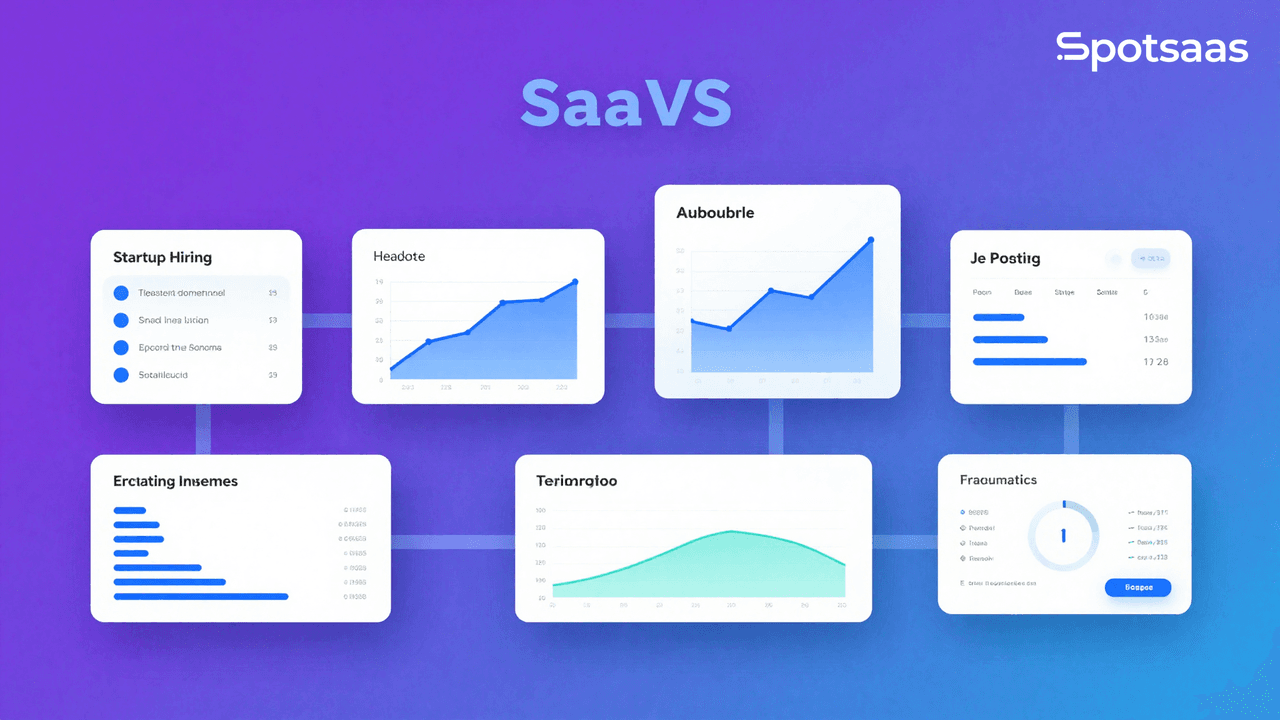
Scaling a startup from Series A to Series C is one of the more demanding phases of company growth, and hiring is often the first process to break under the pressure. If you are evaluating the best ATS for startups in 2026, you already know that spreadsheets and email threads cannot keep up with rapid headcount growth. You need an applicant tracking system that centralizes collaboration, automates repetitive tasks, and delivers a candidate experience good enough to make top talent choose you over better-funded competitors.
This guide covers the top ATS platforms built specifically for high-growth startups at Series A, B, and C stages: tools built to scale with your ambitions instead of holding them back.
What Is the Best ATS for Startups in 2026?
Quick Answer: The best ATS for startups in 2026 includes platforms like Ashby, Lever, Recruitee, Breezy HR, and Manatal. Each offers structured hiring pipelines, team collaboration, and automation suited for Series A–C companies scaling from 20 to 500+ employees without enterprise-level complexity or cost.
Choosing the right ATS is a strategic decision, not just an operational one. The platform you adopt at Series A will either accelerate or constrain your hiring capacity once you reach Series B and C. Getting this choice right early saves significant time, money, and top-talent losses down the road, since switching platforms mid-scale is its own painful project.
Why High-Growth Startups Need a Dedicated ATS
Generic HR tools are built for organizational stability. Startups are built for speed. There is a basic mismatch when a 40-person Series A company tries to run its hiring on the same infrastructure a 5,000-person enterprise uses.
According to LinkedIn’s Global Talent Trends report (2026), 73% of talent acquisition leaders identify hiring speed as one of the top three factors determining whether a candidate accepts an offer. Slow, disorganized processes lose exceptional candidates, and they lose them consistently.
According to the Society for Human Resource Management (SHRM), the average cost-per-hire across industries exceeds $4,700, but for specialized technical roles at startups, that figure can climb to three to four times the position’s annual salary once you factor in productivity loss and recruiter time spent on the search.
A purpose-built ATS for startups solves these problems by helping you:
- Centralize all candidate communication, scorecards, and feedback in a single platform
- Build structured, repeatable hiring pipelines across engineering, sales, product, and operations
- Reduce time-to-hire through intelligent automation, self-scheduling, and templated workflows
- Give hiring managers real-time visibility into pipeline health without drowning them in admin work
- Maintain a compelling candidate experience as your team scales from 10 to 500 employees
- Generate data-driven reports that inform headcount planning and board-level hiring discussions
The right ATS does not just track applicants. It becomes the operating system your entire talent acquisition strategy runs on as you move through funding rounds and headcount targets shift.
What to Look for in an ATS at Each Funding Stage
Not all growth stages demand the same features. A Series A startup with 30 employees hiring for 10 roles has very different needs than a Series C company scaling to 300 people across five departments at once.
Series A: Speed, Simplicity, and Structured Pipelines
At Series A, your recruiting team is likely one or two people, possibly the founder alone. You need an ATS that is fast to implement, easy for non-HR stakeholders to use, and strong on pipeline visibility without a steep setup curve. Overly complex systems will slow you down more than they help at this stage.
Key priorities at this stage include a clean candidate pipeline interface, email and calendar integrations, collaborative scorecards, and reasonable per-seat pricing that does not punish early growth.
Series B: Collaboration, Automation, and a Stronger Employer Brand
By Series B, multiple departments are hiring at the same time and hiring managers need ownership of their own pipelines rather than waiting on a single recruiter. The ATS must support role-based permissions, automated candidate communications, and a branded careers page that reflects your growing identity as a company.
Reporting also becomes critical at this stage. Investors and leadership want to understand pipeline conversion rates, sourcing ROI, and time-to-fill metrics well enough to forecast headcount with some confidence.
Series C: Analytics, Integrations, and Enterprise Readiness
At Series C, hiring volume scales dramatically and the ATS has to handle dozens of open roles, large applicant volumes, and complex interview processes without losing structure along the way. Native integrations with HRIS platforms, payroll tools, and onboarding software stop being optional at this point.
According to Greenhouse’s Hiring Benchmark Report (2026), companies that use structured interview processes with ATS support see a 26% improvement in quality-of-hire scores compared to those using informal approaches. Data maturity at Series C is what separates scalable talent operations from reactive ones.
Top ATS Platforms for Series A–C Startups in 2026
The following tools represent the strongest options available for high-growth startups as of 2026. Each has been evaluated based on hiring workflow depth, scalability, ease of use, pricing transparency, and integration ecosystem.
| ATS Platform | Best For | Starting Price | Key Strength | Notable Integrations |
|---|---|---|---|---|
| Ashby | Series B–C technical hiring | ~$400/month | Advanced analytics and structured interviews | Slack, Greenhouse, Merge |
| Lever | Series A–C collaborative teams | Custom pricing | CRM + ATS in one platform | Salesforce, BambooHR, Okta |
| Recruitee | Series A–B growing teams | ~$199/month | Collaborative hiring and branded careers pages | Zapier, Slack, LinkedIn |
| Breezy HR | Early-stage Series A teams | Free plan available | Ease of use and fast setup | Google, Outlook, Indeed |
| Manatal | Budget-conscious Series A | ~$19/user/month | AI-powered candidate recommendations | LinkedIn, Gmail, Zapier |
| Workable | Series A–B scaling quickly | ~$189/month | One-click posting to 200+ job boards | BambooHR, Greenhouse, Slack |
Pricing shown is approximate; check vendor websites for current rates.
In-Depth Reviews: Best ATS Tools for Startups
Ashby: Best for Data-Driven Series B and C Hiring
Ashby has become one of the more talked-about ATS platforms in the startup ecosystem, backed by high-profile customers including OpenAI and Shopify. It combines a full ATS, CRM, scheduling automation, and deep analytics into a single platform, removing the need to stitch together multiple disconnected tools.
What sets Ashby apart is its reporting depth. Hiring managers and talent leads can track funnel conversion rates, interviewer performance, and sourcing attribution at a level of detail that most startup-oriented tools simply do not offer. For Series B and C companies that need to present hiring data to their board, Ashby provides analytical depth that holds up against enterprise platforms.
Its structured interview kits, scorecards, and automated scheduling also reduce coordination overhead significantly. The platform is not the cheapest option, but for teams where hiring quality and speed both matter, it delivers measurable ROI. Learn more at ashbyhq.com.
Lever: Best for CRM-Driven Talent Pipelines
Lever combines applicant tracking with a built-in talent CRM, which makes it a good fit for startups that treat hiring as a relationship-building exercise instead of a transactional process. Sales-oriented founders and recruiting leads who nurture passive candidates over time will find Lever’s CRM capabilities particularly useful.
Its collaborative features let hiring managers, recruiters, and interviewers share notes, complete scorecards, and make decisions within one unified interface instead of juggling email threads. The platform scales well from Series A through Series C and offers solid HRIS integrations for companies preparing for enterprise-grade infrastructure down the line. Visit lever.co for current pricing and feature details.
Recruitee: Best for Team Collaboration at Series A and B
Recruitee is purpose-built for collaborative hiring teams. Its visual pipeline, drag-and-drop interface, and role-specific access controls make it easy to bring department heads into hiring without much training. The branded careers page builder is one of the stronger options in its class for startups that want to project a professional employer brand without a dedicated design team on staff.
Pricing starts at approximately $199 per month and scales based on the number of open jobs rather than per seat, which makes it more cost-effective for companies with hiring volume that goes up and down. It integrates cleanly with LinkedIn, Slack, and Zapier for workflow automation.
Breezy HR: Best for Fast-Moving Early-Stage Teams
Breezy HR is the most accessible entry point on this list, with a functional free plan that covers the basics for teams just starting to formalize their hiring process. Its drag-and-drop pipeline, automated email sequences, and video interview capabilities mean you can get started within hours instead of days.
For Series A startups hiring their first 10 to 20 employees and needing structure without added complexity, Breezy HR hits a reasonable balance. As hiring needs grow, teams can upgrade to paid plans that unlock advanced reporting, custom workflows, and deeper integrations rather than switching tools entirely. Explore plans at breezy.hr.
Manatal: Best AI-Powered ATS for Budget-Conscious Startups
Manatal offers one of the more competitive price points in the market at approximately $19 per user per month, while still delivering AI-powered candidate scoring, social media enrichment, and a clean pipeline interface. It suits startups that need to hire efficiently without a dedicated recruiting operations team on the payroll.
The platform’s AI recommendation engine analyzes job descriptions and candidate profiles to surface the strongest matches, which cuts down the time recruiters spend manually reviewing applications one by one. Manatal’s reporting suite covers the core metrics that Series A and B teams need without burying users in complexity they do not need yet.
Workable: Best for High-Volume Job Board Distribution
Workable’s standout feature is its one-click distribution to over 200 job boards at once, including LinkedIn, Indeed, Glassdoor, and dozens of niche platforms. For startups that need to generate a high volume of applicants quickly, particularly during aggressive Series B or C hiring sprints, that reach is genuinely useful.
Its built-in AI sourcing tool proactively identifies passive candidates who match open roles, and its mobile app lets hiring managers review applications and leave feedback while away from their desk. Workable is a solid all-rounder for teams that want sourcing breadth alongside structured evaluation.
How to Choose the Right ATS for Your Startup Stage
Selecting an ATS is not a one-size-fits-all decision. The wrong choice can mean paying for features you do not need yet, or outgrowing a platform right when hiring momentum is most critical.
- Map your current hiring volume and projected growth: If you are hiring 5 roles now but expect 40 in 12 months, choose a platform built for that future state—not your current state.
- Identify your biggest hiring pain point: Is it sourcing, scheduling, collaboration, or reporting? Prioritize platforms that solve your most pressing problem first.
- Evaluate the implementation timeline: At Series A, a tool that takes three months to implement will cost you candidates. Prioritize time-to-value.
- Check integrations with your existing stack: Your ATS should connect to your HRIS, Slack workspace, calendar system, and any sourcing tools you already use.
- Request a sandbox or trial before committing: Have hiring managers—not just recruiters—test the platform. Adoption depends on usability across your entire team.
- Review pricing transparency carefully: Understand what triggers price increases. Some platforms charge per user, others per open role, and others at flat monthly rates with feature tiers.
- Assess customer support quality: Startups move fast. When something breaks during a critical hiring sprint, you need responsive support—not a three-day ticket queue.
Three Capabilities Most ATS Comparisons Overlook
Most ATS comparison guides focus on the obvious features: pipeline management, job posting, and interview scheduling. But the following three capabilities often determine long-term satisfaction, and they rarely show up on a standard feature checklist.
Interviewer Calibration and Scorecard Quality
The most expensive hiring mistake is not a slow process. It is a bad hire made by an uncalibrated interview panel that never agreed on what “good” looks like. ATS platforms like Ashby and Lever offer structured scorecard templates and interviewer guidance that reduce bias and improve consistency across evaluators.
According to research published by the Harvard Business Review, structured interviews are twice as predictive of job performance as unstructured ones. Choosing an ATS that enforces structured evaluation frameworks is one of the highest-ROI decisions a startup can make.
Candidate Experience Measurement
Employer brand is built one candidate interaction at a time. Platforms that offer automated candidate satisfaction surveys, even for rejected applicants, give recruiting teams the feedback they need to improve their process and protect their reputation on public review sites.
For Series B and C startups competing for senior talent against well-known enterprises, a differentiated candidate experience can be the deciding factor. Look for ATS tools that let you customize communication timing, personalize rejection messages, and track response sentiment at scale rather than guessing how candidates felt about the process.
Headcount Planning Integration
As startups approach Series C, hiring decisions become deeply tied to financial planning. ATS platforms that integrate with headcount planning tools, or that offer native headcount approval workflows, let finance and people teams agree on role prioritization before a requisition is ever opened.
This alignment cuts down on wasted recruiting effort spent on roles that are not yet approved and keeps hiring managers and finance leaders working from the same plan. It is a capability that most ATS comparisons ignore entirely, yet it becomes mission-critical once headcount decisions carry real budget weight.
ATS Pricing Models Compared for Startups
| Pricing Model | How It Works | Best For | Risk to Watch |
|---|---|---|---|
| Per User/Month | Charged per recruiter or hiring manager seat | Small recruiting teams with many open roles | Costs grow as team size increases |
| Per Open Job | Charged based on active job postings | Companies with fluctuating hiring volume | Expensive during high-volume hiring sprints |
| Flat Monthly Rate | Fixed fee regardless of users or roles | Predictable budgeting at Series B–C | Feature tiers may limit access to key tools |
| Freemium to Paid | Free core features with paid upgrades | Early Series A with limited budget | Outgrow free tier quickly as team scales |
| Custom Enterprise | Negotiated annually based on usage | Late Series C with complex requirements | Long sales cycles and contract lock-in |
Pricing shown is approximate; check vendor websites for current rates.
How Series A, B, and C Funding Shapes Hiring Strategy
Understanding what each funding round signals about your hiring needs helps you choose an ATS that fits where you are going, not just where you happen to be today.
At Series A, investors have validated your concept and given you capital to build a team. Hiring at this stage is typically founder-led or supported by a single recruiter. Speed and simplicity matter most. You are filling foundational roles, early engineers, a head of product, a first sales hire, and every mishire costs disproportionately more than it would later.
At Series B, you have proven initial traction and are investing in growth infrastructure. Hiring becomes a team sport involving multiple department heads instead of one person making every call. Process consistency, employer brand, and sourcing reach all become strategically important. Your ATS needs to support multi-stakeholder collaboration without turning into bureaucracy.
At Series C, you are in execution mode. Hiring volumes spike, roles become more specialized, and the cost of a broken recruiting process gets measured in millions of dollars of delayed growth. Your ATS must generate reliable data, integrate with your broader people tech stack, and support the kind of structured hiring practices that produce consistently good hires at scale rather than by luck.
Frequently Asked Questions
What is an ATS and why do startups need one?
An ATS, or Applicant Tracking System, is software that manages the end-to-end recruiting process, from job posting to offer acceptance. Startups need one to replace manual spreadsheet-based tracking, enable team collaboration, reduce time-to-hire, and maintain a professional candidate experience as hiring volume grows rapidly across departments.
When should a startup invest in an ATS?
Most startups should implement an ATS when they are hiring more than five to ten roles simultaneously or when a dedicated recruiter joins the team. At Series A, the recruiting process becomes complex enough that ad hoc tools create costly coordination gaps. Earlier adoption almost always pays off in saved time and better hiring outcomes.
What is the difference between Series A, B, and C funding?
Series A funding validates a business concept and funds initial team building, typically ranging from $2M to $15M. Series B funds growth infrastructure and market expansion, often $15M to $60M. Series C accelerates scaling and market dominance, frequently exceeding $60M. Each stage brings greater hiring complexity and requires stronger recruiting infrastructure.
Is Ashby worth the higher price for startups?
Ashby is worth the investment for Series B and C startups that prioritize hiring data, structured interviews, and recruiting operations maturity. Its analytics capabilities and automation depth rival enterprise tools at a fraction of the cost. For early Series A teams with basic needs and tight budgets, more affordable alternatives like Breezy HR or Manatal are stronger fits.
How does an ATS improve candidate experience?
A good ATS improves candidate experience by ensuring timely, personalized communication at every pipeline stage, enabling smooth self-scheduling for interviews, and providing a professional application portal. It also prevents candidates from falling through the cracks, a common problem in high-volume hiring that permanently damages employer reputation and sourcing effectiveness.
Can startups use free ATS tools effectively?
Yes, but with limitations. Free plans from platforms like Breezy HR cover core pipeline management and job posting for very early-stage teams. However, free tiers typically restrict automation, reporting, integrations, and the number of active jobs. Most Series A companies will outgrow free ATS options within six to twelve months of serious hiring activity.
What integrations should a startup ATS have?
The most important ATS integrations for startups include Slack for real-time team notifications, Google or Outlook for calendar and email sync, LinkedIn for sourcing and job distribution, a HRIS like BambooHR or Rippling for data handoff, and Zapier or native APIs for connecting custom workflow tools specific to your operations stack.
How long does it take to implement an ATS?
Implementation time varies significantly by platform. Simple tools like Breezy HR and Manatal can be operational within one to three days. More sophisticated platforms like Ashby or Lever typically require two to four weeks for full configuration, integrations, and team training. Always factor implementation time into your decision when hiring sprints are imminent.
What metrics should startups track with their ATS?
The most important recruiting metrics for startup ATS users include time-to-hire, time-to-fill, cost-per-hire, application-to-offer conversion rate, offer acceptance rate, sourcing channel ROI, and quality-of-hire measured at 90 days post-start. These metrics align hiring performance with business outcomes and support data-driven headcount planning at board level.
How do I switch ATS platforms without losing candidate data?
Most modern ATS platforms support data export in CSV or standard formats, and many offer migration assistance during onboarding. To switch safely, export all candidate profiles and historical pipeline data, map fields to the new system’s schema, conduct a parallel-run period during active roles, and communicate the transition to hiring managers before going live to avoid disruption.
Final Thoughts: Choosing the Right ATS to Fuel Your Growth
The best ATS for your startup is the one that matches your current hiring complexity, integrates with your existing tools, and has the scalability to grow with you through every funding milestone. There is no universal answer here, but there is a right answer for your specific stage, team size, and hiring goals.
Platforms like Ashby and Lever lead for data-driven, collaborative teams at Series B and C. Breezy HR and Manatal offer accessible entry points for Series A teams moving fast on a limited budget. Recruitee and Workable hit a solid middle ground for teams that need employer branding and sourcing reach alongside structured pipelines.
The worst outcome is waiting too long to invest. Every month you spend managing candidates in spreadsheets is a month of lost hiring velocity, damaged candidate experience, and compounding recruiting debt that becomes harder to unwind as headcount goals increase.
Ready to find the right ATS for your startup’s growth stage? Explore detailed reviews, feature comparisons, and verified user ratings for all the platforms mentioned in this guide on Spotsaas, your trusted source for unbiased SaaS software evaluations.
Related Articles
Applicant Tracking Software
ATS Tools for Small Teams: Hire Faster and Smarter with Less Effort
Continue reading →

Applicant Tracking Software
How Collaborative ATS Tools Improve Internal Hiring Communication
Continue reading →
Applicant Tracking Software
How To Choose The Best Job Board Software For 2026
Continue reading →
Applicant Tracking Software
Best Tools for Cross-Functional Hiring Across Teams and Departments
Continue reading →