
A trade show is an industry-specific event where companies come together to display their latest products and services. If you’ve never been to one, it’s worth understanding how they work, because they remain one of the most direct ways for a business to reach buyers, partners, and the press in one room.
This guide covers what a trade show actually is, where the format came from, why companies still spend money on booth space, and how to plan a show so it pays off rather than just costs money.
Key Takeaways
- A trade show is an industry-specific event where companies showcase their latest products and services.
- Trade shows have a long history, starting as events to sell and buy goods and evolving into large exhibitions in convention centers or expo halls.
- Participating in trade shows can benefit businesses by providing networking opportunities, market research insights, lead generation, and increased brand awareness.
- To maximize success at trade shows, businesses should set clear goals, carefully select the right shows, design an attractive booth, engage with attendees actively, and evaluate performance for future improvements.
What is a Trade Show?
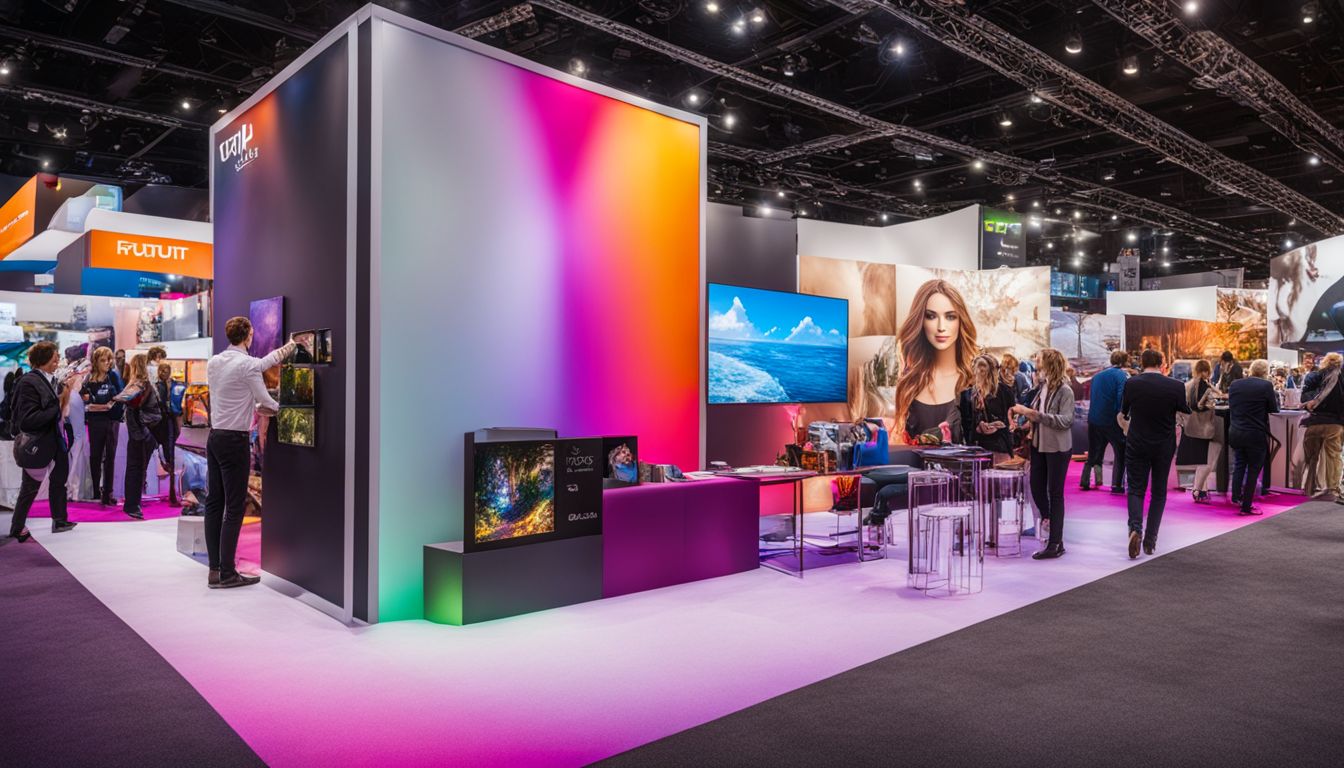
A trade show is an exhibition where companies from a specific industry gather to display their products and services, walk through the latest trends in that industry, and trade knowledge with other people working in it.
Definition
At its simplest, a trade show is a large event where businesses gather to present their newest products and services. Picture a fair, minus the rides, where the attractions are booths filled with what different companies are currently building or selling.
People from across an industry show up under one roof: exhibitors, buyers, journalists, and curious professionals. They walk the floor, see what’s changed since last year, compare notes, and pick up ideas from each other.
History
Trade shows go back a long way. The earliest versions were simple gatherings built around buying and selling goods directly. Over time that format grew into something much larger: today’s shows fill convention centers and expo halls rather than market squares.
As the events grew, so did their role. Companies started using them not just to sell on the spot but to introduce new products and services to a whole industry at once, and some major product announcements have come directly out of trade show floors. The history of trade shows is really a history of that shift, from a marketplace to a showcase.
Modern trade shows
Modern trade shows are large-scale events held in convention centers and expo halls, drawing companies from around the world who set up booths to present their latest products and services.
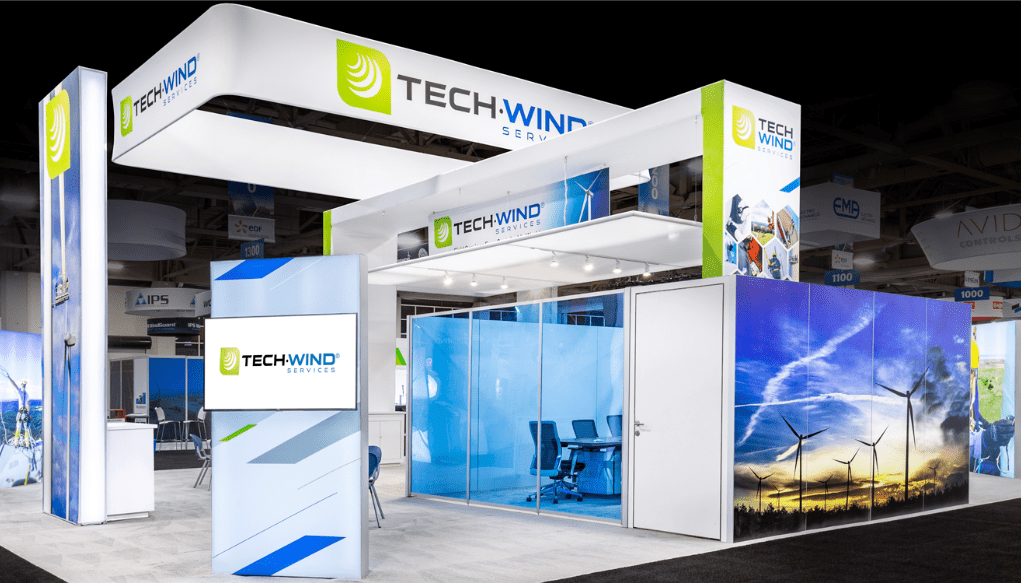
Walk the floor at one and you’ll see large displays with lighting rigs, booths running games or contests to pull people in, and stages hosting talks on where the industry is heading.
They’ve also opened up beyond a strictly business audience. Many modern trade shows welcome the general public as well, letting anyone come in and see what’s new in that industry, not just people buying and selling professionally.
The Purpose of Trade Shows
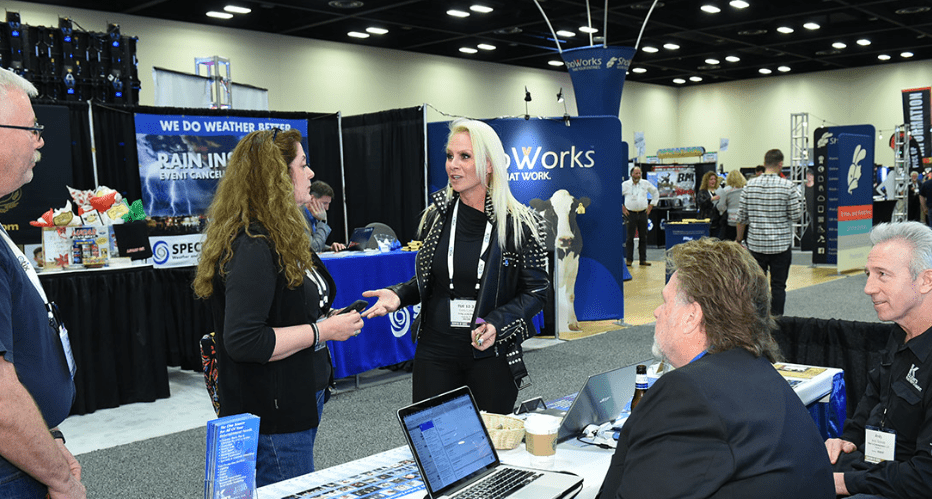
Trade shows exist to give companies a place to display and demonstrate what they’ve built, but that’s only half the picture. They’re also where industry trends get discussed, knowledge gets exchanged, and new business relationships get started, all in a compressed, high-traffic setting.
Benefits for businesses
Trade shows carry real benefits for businesses that go well beyond simply showing up. They put you in the same room as industry professionals, potential customers, and partners you’d otherwise have to chase down individually.
They also double as market research: walking the floor tells you what competitors are shipping and what trends are gaining traction, without needing a formal study. On top of that, they generate leads, since the people who attend are already interested enough in the category to show up in person.
And a well-run booth builds brand awareness that outlasts the event itself, through the impression left by a strong display and a demonstration people actually remember. Taken together, that mix of networking, research, leads, and visibility is why participation tends to pay off for companies looking to grow their reach and their sales.
What happens at trade shows
On the show floor, companies set up displays and run live demonstrations of how their products actually work. Attendees move between booths, talk directly with company representatives, and pick up on where the industry is trending.
It’s also where a lot of the real networking happens, since businesses can connect with potential partners or customers face to face rather than over email. Games, giveaways, and other activities are common too, mainly because they pull foot traffic toward a booth and keep people engaged once they’re there.
How Trade Shows Work
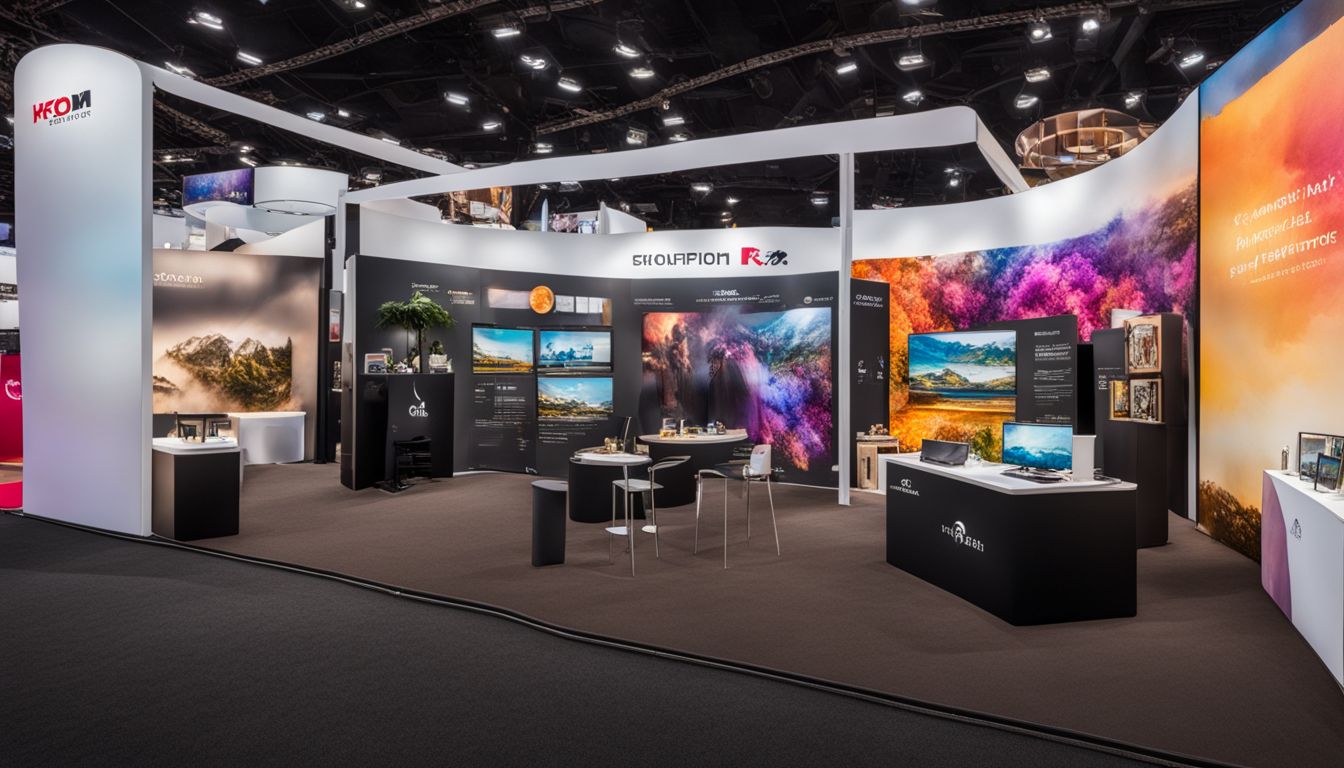
Taking part in a trade show means choosing the right shows to attend, planning and designing a booth, and budgeting for the whole thing before you commit.
Cost of participation
Participating in a trade show comes with a mix of costs: booth space rental, designing and building the booth itself, travel, promotional materials, and staffing. What you’ll actually pay depends heavily on the size and location of the show.
Plan and budget for these expenses before committing to a show. That said, the spend is usually offset by what you get back: access to industry professionals, new leads, a chance to put your products or services in front of potential customers, and more visibility for the brand.
Selecting the right shows
Picking the right show matters as much as anything you do once you’re there. Here are the key factors worth weighing before you commit to one:
| Key Factor | Description |
|---|---|
| Target Audience | Look for shows that attract your target audience, such as industry professionals or potential customers. This will increase the chances of valuable connections and leads. |
| Industry Relevance | Choose trade shows that are specific to your industry or related fields. This ensures that attendees have a genuine interest in your products or services. |
| Size and Scale | Consider the size and scale of the trade show. Larger shows may attract a larger number of attendees, but smaller shows can sometimes provide more intimate networking opportunities. |
| Reputation and Track Record | Research the reputation and track record of the trade show organizers. Look for well-established events with a history of successful exhibitor experiences. |
| Cost and ROI | Evaluate the cost of participation relative to the potential return on investment (ROI). Calculate factors such as booth fees, travel expenses, and potential sales or leads generated. |
| Geographic Reach | Determine if the trade show has a regional, national, or international reach. This can impact your ability to expand your business into new markets. |
Designing and preparing for your booth
Once you’ve picked the show, the booth itself becomes the main thing to get right. Some of the details worth planning for:
- Build a booth design that reflects your brand and actually grabs attention on a crowded floor.
- Use eye-catching visuals, such as large banners or digital displays, to showcase your products or services.
- Arrange your booth layout so it encourages flow and lets attendees move through the space easily.
- Make sure your booth is properly lit so it highlights your offerings effectively.
- Add interactive elements, such as product demos or virtual reality experiences, to engage visitors.
- Choose signage and promotional materials that clearly communicate your message and contact information.
- Provide comfortable seating areas or meeting spaces where visitors can talk with your team.
- Consider technology like tablets or touch screens to gather attendee information or deliver digital content.
- Plan for logistics such as electricity access, internet connectivity, or storage space for samples and materials.
- Train your booth staff to present themselves professionally, interact with attendees, and answer questions about what you offer.
Maximizing Success at a Trade Show
Getting the most out of a trade show comes down to three things: setting clear goals and objectives, preparing thoroughly ahead of time, and actively engaging with attendees once you’re there.
Setting goals and objectives
Clear goals are what separate a trade show that pays off from one that’s just an expensive day out. Here’s what’s worth thinking through before you go:
| Key Point | Description |
|---|---|
| Clearly Define Your Purpose | Determine the trade show’s purpose, whether it’s generating leads, increasing brand awareness, or launching a new product. |
| Research the Target Audience | Understand the attendees’ needs and interests to tailor your goals and messaging accordingly. |
| Set Measurable Goals | Establish specific, quantifiable objectives that can be tracked and evaluated post-event, such as lead collection or sales targets. |
| Create an Engaging Booth Experience | Design your booth layout and visuals to attract attendees and effectively showcase your products or services. |
| Train Your Staff | Equip your team with product knowledge and effective communication skills to engage with potential customers. |
| Develop a Pre-Show Marketing Plan | Promote your participation in advance through various channels like social media, email marketing, and targeted advertising to generate buzz around your brand. |
| Schedule Meetings in Advance | Utilize the trade show’s networking opportunities by arranging meetings with key prospects or industry contacts before the event starts. |
| Track Leads and Follow Up Promptly | Have a system to capture lead information during the event and follow up quickly while engagement is fresh. |
| Evaluate Your Performance | Assess how well you achieved your goals by analyzing metrics like sales, customer feedback, or new partnerships established. |
| Learn from Each Experience | Use insights gained from each trade show to refine your strategies for future events, continuously improving your presence and results. |
Preparing for the show
Good prep work is what makes the actual show run smoothly. Steps worth following:
- Set clear goals and objectives for the trade show.
- Research the trade show to understand the target audience and their interests.
- Design a booth that represents your brand and product or service.
- Create marketing materials, such as brochures and banners, that will actually attract attendees.
- Train staff members on product knowledge and effective communication skills.
- Build a checklist of everything you need for the show, including equipment, samples, and promotional items.
- Promote your participation in the trade show through social media, email marketing, and other channels.
- Schedule meetings with potential clients or partners in advance to make the most of networking opportunities at the show.
- Prepare a script or talking points to help staff members convey key messages about your products or services.
- Test all equipment and technology before the trade show so operations run smoothly.
Engaging with attendees
Once the show is underway, actively engaging with attendees is what turns foot traffic into results. That means interacting and connecting with visitors directly, not just waiting for them to stop and ask questions.
Live demonstrations, informative sessions, and interactive activities at the booth are the usual ways to do this. Done well, engagement is what builds brand awareness, starts relationships, and generates leads.
It also pays to listen. Understanding what attendees actually need, and offering relevant solutions rather than a generic pitch, is what makes a booth stand out from the competition. It also gives you direct feedback you can use to improve the product or service itself.
In short, engaging with attendees means:
- Actively interacting and connecting with attendees
- Offering live demonstrations and informative sessions
- Running interactive activities at your booth
- Listening to attendee needs and providing relevant solutions
After the Show
The work doesn’t end when the booths come down. Following up with attendees and analyzing the results is what tells you whether the show was actually worth the spend.
Follow-up and analysis
Once the trade show wraps up, there’s a specific set of follow-up and analysis steps worth working through:
| Important Step | Description |
|---|---|
| Collect Contact Information | Gather the contact details of potential leads and customers you met at the trade show. |
| Send Personalized Emails | Reach out to each lead individually with a personalized email, thanking them for visiting your booth and expressing interest in their needs. |
| Follow Up Promptly | Don’t wait too long before getting in touch with leads. Promptly respond to inquiries and provide any requested information. |
| Nurture Leads | Create a plan to nurture leads through regular follow-ups, such as sending targeted content or offering exclusive discounts. |
| Analyze Sales Data | Dive into the sales data from the trade show to measure your success. Look at factors like conversion rates, revenue generated, and return on investment (ROI). |
| Review Attendee Feedback | Assess any feedback received during or after the trade show to understand areas where you can improve your future exhibitions. |
| Evaluate Goals and Objectives | Compare your actual results with the goals and objectives you set before the trade show. Identify any gaps or areas for improvement. |
| Adjust Strategies for Future Shows | Use the insights gained from analyzing your trade show performance to refine your strategies for future events. |
| Share Learnings Internally | Communicate your findings and learnings with key stakeholders within your company to inform future marketing efforts and exhibition decisions. |
| Continue Nurturing Relationships | Even after the trade show is over, continue building relationships with leads and prospects through ongoing communication channels like email newsletters or social media engagement. |
Measuring results
Once the show is over, measuring the results tells you whether the investment was worth it. That means looking past a general impression of “it went well” and into the actual metrics: leads generated, sales made during or after the show, and the feedback customers gave you directly.
It’s also worth tracking website visits and social media engagement around the event dates, since those show the online impact of a show that goes beyond whoever physically walked the floor.
Put together, these numbers are what let you decide if the trade show was a worthwhile investment for your company, and they give you something concrete to base future participation decisions on.
Conclusion
A trade show is, at its core, an exhibition where companies gather to present their newest products and services to industry members and, increasingly, the public. It’s a chance to display, demonstrate, and talk through what you’ve built in front of the people most likely to care about it.
Used well, trade shows are a genuine marketing platform: they open up networking opportunities and generate leads that are hard to replicate through other channels. If you’re looking to make an impression in your industry, participating in the right show can be a solid way to do it.
Frequently Asked Questions
What is a trade show?
A trade show is an event where businesses from a specific industry gather to showcase their products or services to potential buyers and customers.
Why should I attend a trade show?
Attending a trade show can provide valuable networking opportunities, allow you to see the latest trends in your industry, and help you promote your own business.
How do I participate in a trade show?
To participate in a trade show, you need to register as an exhibitor or attendee, pay any required fees, and prepare your booth or promotional materials if you are exhibiting.
Are trade shows open to the public?
Trade shows are usually not open to the general public. They are primarily intended for professionals within the industry and require registration or invitation for attendance.
How can I make my booth stand out at a trade show?
You can make your booth stand out by creating an eye-catching display with attractive signage, interactive elements, product demonstrations, and engaging staff members who can effectively communicate with visitors.

- Independent picks for exactly what you just read about
- Matched to your team size & needs
- Vendors don't pay for placement
Step 1 of 4
How big is your team?
We tailor recommendations to companies your size.















Related Articles

E-commerce Platforms
Shopify Statistics 2026: Revenue, Growth, and Merchant Data Insights
Continue reading →

Shopify
Top 5 Virtual Event Platforms (2026)
Continue reading →

Shopify
Virtual Event Platform For Proven Coordination: Detailed Guide (2026)
Continue reading →
Shopify
Aisle Planner Review: Comprehensive Software Solution for Event Management
Continue reading →