

Where is coding headed? Technology keeps moving quickly, so it stays a common question in tech circles, from working developers to teams planning their next few years. This article looks at emerging trends such as low-code/no-code platforms and quantum computing, and it works through what those trends mean for job markets and for the ethics of writing software.
Here is a practical map of what is changing and why it matters.
Key Takeaways
- Low-code/no-code platforms change how software gets built by letting people without programming knowledge create applications.
- Quantum computing can solve certain complex problems faster than classical computers and push forward fields like AI and machine learning.
- Artificial intelligence (AI) is spreading through coding, automating tasks, raising productivity, and making room for more capable software.
- The future of coding will affect job markets, so programmers need to keep developing their skills to stay competitive.
- Ethics matter as AI-generated code becomes a larger part of how software is written.
- Ongoing learning helps coders keep pace with new technologies and stay relevant in a field that changes fast.
Emerging Trends in Coding
Three shifts are reshaping how code gets written: the rise of low-code/no-code platforms, the arrival of quantum computing, and the wider use of artificial intelligence.
The Rise of Low-Code/No-Code Platforms
Low-code/no-code platforms are gaining ground in software development. These tools let people build applications without writing code. Drag-and-drop interfaces handle much of the design and development work, so a project can move from idea to working app quickly.
People without a technical programming background can still assemble functional apps or systems on these platforms. Large tech companies keep investing in low-code/no-code technology, which points to its role in the years ahead.
The value goes beyond making tasks easier. It lets more people take part directly in building applications, from business analysts to operations staff who understand a problem but never learned to program. That broader participation speeds up digital projects across many industries and shortens the distance between an idea and a working tool.
Quantum Computing
Quantum computing could change how coding works at a fundamental level. Classical computers use bits that hold information as either a 0 or a 1. Quantum computers use quantum bits, or qubits, which can exist in multiple states at once.
That property lets them run certain complex calculations at speeds classical machines cannot reach.
A key benefit for coding is solving problems that classical computers cannot handle today. Quantum algorithms, for instance, can factor large numbers far faster than any known classical algorithm.
That carries real weight for cryptography and secure communication systems.
Quantum computing could also speed up machine learning and artificial intelligence (AI) by making data analysis and pattern recognition more efficient. Tasks that take a long time on ordinary hardware might run in a fraction of that time. With that kind of computing behind them, developers could build AI models with greater accuracy and complexity than current machines allow.
Expansion of Artificial Intelligence
Artificial Intelligence (AI) is spreading quickly and changing many industries, coding among them. Developers use AI to automate repetitive tasks, work faster, and improve the accuracy of their code.
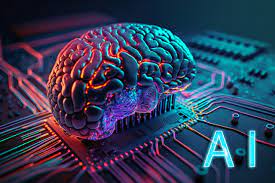
Using machine learning algorithms and deep neural networks, AI can read large amounts of data and produce results that feed back into programming. This wider use of AI shortens the development process and makes room for more capable, more sophisticated software.
By pairing human expertise with generative AI, programmers can write smarter algorithms and work through hard problems more efficiently than before.
Implications and Challenges
Faster progress in coding technology brings its own questions and challenges: the effect on the job market, the ethics of programming, and the need to keep learning new skills.
Impact on Job Market
The future of coding will likely reshape the job market. As new technologies and programming trends appear, demand for certain skills may shift, which changes the employment opportunities open to computer programmers.
Low-code/no-code platforms, for example, have made it easier for non-technical people to build software, which may reduce the need for some traditional programming roles.
Progress in artificial intelligence (AI) and machine learning could also automate parts of programming, affecting work in areas such as data analysis or web development. The likelier outcome is that these roles change rather than disappear, with routine work handled by tools and people focused on judgment, design, and review.
Ethical Considerations
Ethics sit at the center of coding’s future. As artificial intelligence (AI) and generative programming take hold, the ethical side of these technologies needs attention.
One concern is keeping human judgment part of the coding process alongside AI. Programmers have to think carefully about how they use AI-generated code and understand where it falls short.
Generative AI also changes how humans and computers interact, which may call for new guidelines on data privacy and security. These questions will shape how coding gets done and help keep technology aligned with the interests of society.
Ethics also tie back to jobs and employment in computer programming. Low-code/no-code platforms let people with little coding knowledge build software applications.
Opening programming to more people is useful, but it raises questions about the future roles of professional developers and their livelihoods. The task is to balance wider access against the value of programmers who hold specialized skills.
Skills and Education
The right skills and solid education matter for anyone preparing for coding’s future. As technology keeps changing, so does the demand for skilled programmers and developers.
Staying current with trends such as artificial intelligence, quantum computing, and low-code/no-code platforms is worth the effort. The ability to pick up new technologies and keep learning is what carries a career through a fast-changing field.
Upskilling and reskilling programs help professionals stay competitive, whether that means moving into a new specialty or refreshing skills that have aged. Steady learning supports a long career in programming and makes each new shift in the field easier to absorb.
The Importance of Continuous Learning
Learning never really stops in coding. It is what lets programmers pick up new technologies, upskill and reskill, and treat learning as an ongoing habit.
Consider how a steady learning routine can shape your own path as a coder.
Adapting to New Technologies
Coding keeps evolving, so programmers and developers have to adapt to new tools. Rapid progress in AI, IoT, and quantum computing is reshaping how software gets written.
To stay relevant, professionals need to take up these trends and build the skills they call for. Adapting means learning continuously and upskilling to meet the demands of a more digital world.
Staying flexible and open-minded is what keeps developers valuable in a technology-driven society, since the tools that matter most today may not be the same ones that matter a few years from now.
Upskilling and Reskilling
Keeping up with coding’s pace takes ongoing learning and skills development. Upskilling and reskilling have become central for professionals who want to adapt to new tools and stay relevant in their careers.
By picking up new knowledge and learning emerging programming languages, developers widen their skill set and open doors in areas such as artificial intelligence, the internet of things, quantum computing, and low-code/no-code platforms.
Continuous learning helps individual careers grow, and it also keeps developers in step with industry demands and technical progress.
Lifelong Learning
Ongoing learning matters in a field that keeps shifting. As new technologies and programming trends appear, developers have to adapt and stay current. That means following progress in AI, IoT, quantum computing, and low-code/no-code platforms, and building new skills through upskilling and reskilling.
Treating learning as a long-term habit helps programmers stay competitive in the job market and contribute to building genuinely useful solutions.
In a field that changes this fast, steady learning is what keeps a coder ahead and thriving.
Conclusion
Coding’s future is full of movement. With low-code/no-code platforms rising, artificial intelligence spreading, and quantum computing advancing, developers need to keep adapting and upskilling to stay relevant.
Continuous learning carries real weight as programming opens to more people and new technologies reshape the industry.
FAQs
What is the future of coding and how do low-code/no-code platforms fit in?
The future of coding points to more work for computer programmers, new technologies, trends such as quantum computing, and a rise in low-code/no-code platforms that opens coding to more people.
How is generative AI revolutionizing programming?
Generative AI is changing programming by automating many tasks that once needed human expertise, which makes software development quicker and more interesting.
Are there any ethical considerations in generative AI programming?
Yes. As generative AI takes on a bigger role in programming, its use raises ethical questions about fairness, safety, and respect for privacy during automation.
How does quantum computing impact programming?
Quantum computing opens new possibilities in programming because it can run computations at much faster rates than traditional computers ever could.
Will changes in human-computer interaction affect coding?
Changes such as voice recognition bring conversation into the relationship between humans and computers. That shapes how developers structure programs and marks a real change in the dynamics of computer science.

- Independent picks for exactly what you just read about
- Matched to your team size & needs
- Vendors don't pay for placement
Step 1 of 4
How big is your team?
We tailor recommendations to companies your size.















Related Articles
Expert Interviews
SaaS Talks with Carole Winqwist, CMO at GitGuardian – Inside Their Unique Marketing Strategy
Continue reading →
Finance & Billing Software
Best Invoice Home Software for Freelancers & Businesses 2026
Continue reading →
AI Software
How AI Is Revolutionizing Modern Security Infrastructure
Continue reading →
Buyers guide
How To Choose The Best Software Development Analytics Tools For 2026
Continue reading →