

Inventory holding costs quietly eat into profit margins for a lot of businesses, and they don’t always show up as a single obvious line item on the balance sheet. These costs can run as high as 25% of the total value of your inventory, which makes them worth tackling directly rather than treating as a fixed cost of doing business.
This post walks through practical, actionable ways to bring those holding costs down and protect your margins, covering everything from reorder points and order quantities to warehouse layout and the software that ties it all together.
Key Takeaways
- Establishing the correct reorder point is crucial in reducing inventory holding costs.
- Optimizing minimum order quantities can help minimize inventory holding costs and improve profitability.
- Avoid overstocking to minimize stock-carrying expenses and reduce inventory management expenses.
- Getting rid of deadstock helps free up valuable storage space and avoid expenses associated with unsellable items.
How to Reduce Inventory Holding Costs

A good place to start is getting the right reorder point, which helps prevent both overstocking and running out of stock.
Get the right reorder point
Getting the reorder point right is one of the more direct ways to cut inventory holding costs. It’s the stock level at which a new order needs to go out to restock an item before you run short, and getting it wrong in either direction ends up costing you real money.
Calculating these thresholds accurately helps you steer clear of both overstock and understock situations alike. You can work them out by looking at average daily sales volume, supplier lead time, and your maximum and minimum stock levels.
Managing reorder points well keeps production or sales running without interruption, cutting down on costly stockouts while also avoiding the added expense of surplus storage.
Make minimum order quantities work for you
Optimizing minimum order quantities (MOQs) can help businesses minimize inventory holding costs and improve overall profitability. Managing MOQs strategically means storing less stock at any given time, which lowers storage expenses and improves cash flow across the business.
One way to make MOQs work in your favor is by negotiating lower minimum requirements with suppliers directly. That lets you order close to what customer demand actually calls for, instead of more than you need, which cuts the risk of overstocking.
Inventory management software also helps here, letting you track sales patterns and forecast demand more accurately so you can adjust your MOQs as conditions change.
Avoid overstocking

Overstocking is one of the single biggest contributors to high inventory holding costs. Excess inventory sitting on your shelves ties up capital that could be deployed elsewhere and eats into storage space you could be using more productively.
Avoiding overstocking keeps stock-carrying and inventory management expenses down. That means analyzing demand patterns closely and forecasting future demand accurately, so you order the right quantities at the right times rather than guessing.
Efficient inventory management practices, backed by data rather than gut feel, help you keep stock levels in check and avoid the costly mistake of ordering more than you can sell.
Get rid of deadstock

Clearing out deadstock, meaning products that are no longer in demand or have gone outdated, is another crucial step in reducing inventory holding costs. Getting rid of it frees up storage space and stops you from continuing to pay to hold onto items you can’t sell anyway.
Markdowns or discounts are one effective way to move deadstock off your shelves. Selling it to liquidation companies or donating it for tax benefits are other options worth considering.
Businesses should regularly assess their inventory and take proactive steps to clear dead stock rather than letting it accumulate.
Decrease supplier lead time
Cutting supplier lead time is another useful lever for reducing inventory holding costs. The longer suppliers take to deliver goods, the longer that inventory sits in storage tying up capital that could be working for the business elsewhere.
Working closely with suppliers and putting measures like vendor-managed inventory (VMI) or just-in-time (JIT) inventory management in place helps make sure products arrive on time.
This keeps stock holding costs down, improves warehouse efficiency, and strengthens overall supply chain performance. Shorter lead times also mean companies can respond faster to customer demand while carrying less excess inventory and the costs that come with it.
Use inventory management software

Inventory management software is another key strategy for cutting holding costs. It helps businesses keep track of stock levels in real time, so they have the right amount of inventory on hand at all times instead of relying on manual counts and guesswork.
With accurate data and real-time updates, companies can fine-tune their reorder points and cut the risk of overstocking or running out of essential items. It also makes it easier to analyze historical sales data and forecast future demand accurately.
That translates into better planning and ordering decisions, which means less excess inventory and lower carrying costs overall. Pair it with a warehouse management system, and those capabilities extend into the physical storage environment too, improving accuracy, space use, and pick-and-pack efficiency.
Understanding Inventory Holding Costs
Warehousing and logistics, insurance, materials handling, capital, storage, risk, and handling all add up to make up your total inventory holding costs, and each one is worth understanding on its own before you try to cut it down.
Warehousing and logistic costs
Warehousing and logistics make up a large share of inventory holding costs. This category covers rent or lease on the warehouse, utilities, labor wages, packaging materials, transportation fees, and insurance, and often raises the question of how much a freight forwarder cost comes to once shipping volumes start to scale.
To bring these costs down, businesses can make better use of warehouse space by organizing inventory efficiently and putting proper storage systems in place. Negotiating better shipping rates with logistics providers, or exploring alternative transportation methods entirely, also helps cut freight expenses over time.
Managing warehousing and logistics well is one of the more effective ways to lower overall inventory holding expenses without cutting into service levels.
Insurance costs
Insurance is another factor worth watching in inventory holding costs, covering premiums and fees for protecting inventory against theft, damage, or loss.
Reviewing your coverage and shopping around for better rates can save real money here, especially if your policy hasn’t been re-evaluated in a while. Self-insurance or raising deductibles are also worth exploring as ways to further reduce these expenses.
Bringing insurance costs down is one of the more straightforward, low-risk ways businesses can reduce overall inventory holding expenses and protect their bottom line.
Materials handling costs

Materials handling costs cover what it takes to move and transport inventory within a warehouse or facility, including labor, equipment, and the processes involved in receiving, storing, picking, packing, and shipping goods out the door.
Handling these efficiently means optimizing workflow, cutting down manual labor where possible, and streamlining operations generally. Automation and layout redesigns that improve accessibility and shorten travel distances within a facility can lower materials handling expenses while boosting productivity.
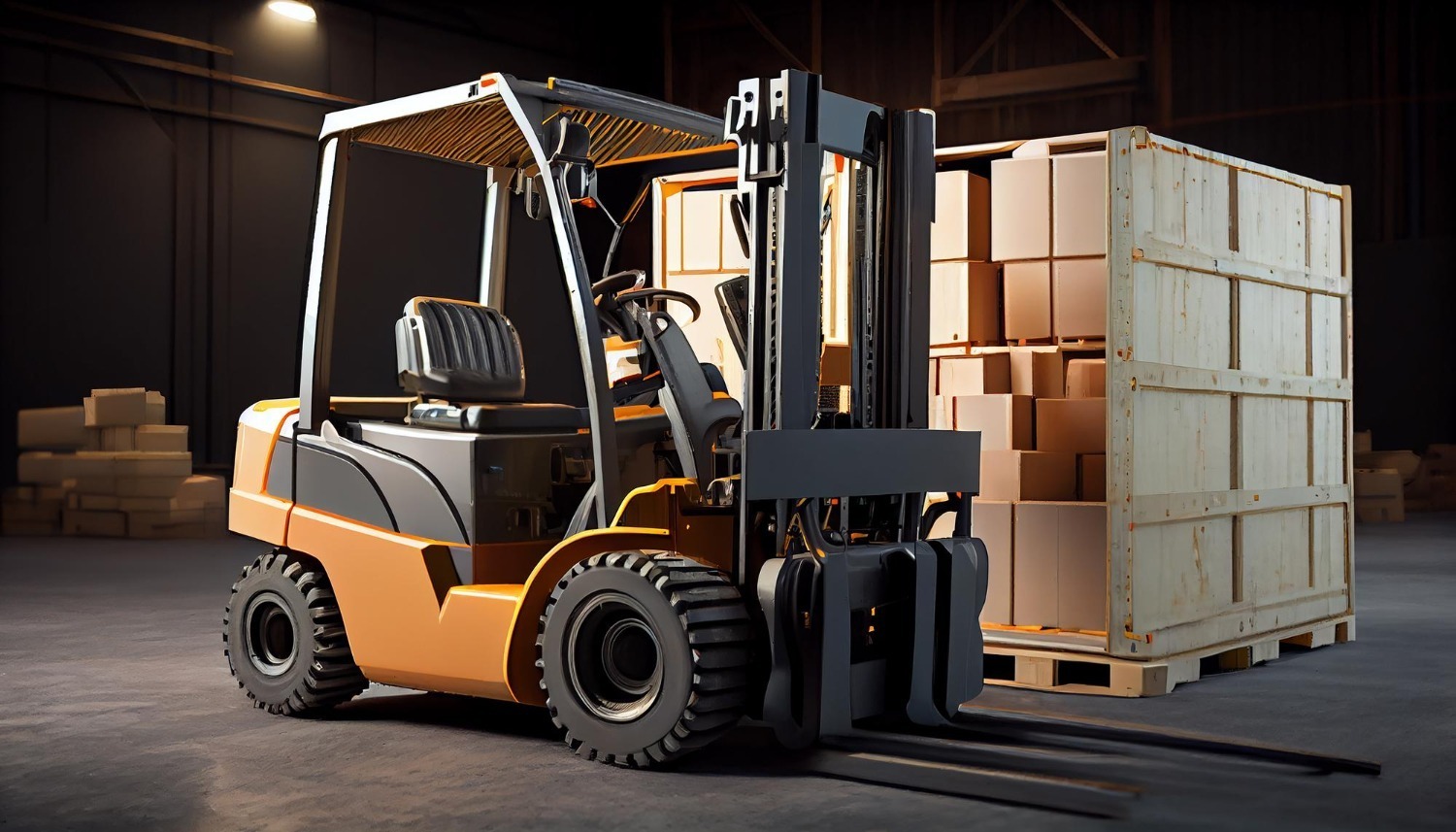
Beyond reducing labor costs through more efficient handling, investing in the right equipment, like forklifts or conveyors, also contributes to cost reduction. Properly trained staff using solid material-handling technology can hit faster order fulfillment times while cutting the risk of damage or loss in transit.
Capital costs
Capital costs matter a lot in inventory holding expenses, covering the upfront investment needed to purchase inventory along with the ongoing costs of financing and maintaining it over time.
Managing capital costs carefully reduces overall inventory carrying costs and frees up resources for other parts of the business. Optimizing order quantities, improving cash flow management, and exploring alternatives such as consignment inventory or vendor-managed inventory (VMI) arrangements can all help.
Lowering capital costs is an essential piece of minimizing stock holding expenses and improving overall profitability across the business.
Storage costs
Storing inventory comes with real costs of its own, even before you factor in the goods themselves. Warehousing and logistics expenses, insurance fees, materials handling charges, capital costs, risk expenses, and handling fees all feed into what it costs to keep stock on hand.
Minimizing storage costs means making efficient use of your storage space and trimming excess inventory wherever it accumulates. Effective inventory management combined with a streamlined supply chain lowers stock holding expenses and brings down storage costs overall.
Risk costs
Managing risk costs matters for reducing inventory holding expenses. These cover potential losses from theft, damage, obsolescence, and shifts in market demand that can catch a business off guard. Regular inventory audits, better warehouse security, adequate insurance coverage, and staying current on market trends all help avoid holding obsolete or slow-moving stock.
Managing these risks proactively, rather than reacting after the fact, lowers overall expenses and improves profitability over the long run.
Handling costs
Handling costs cover the expenses tied to moving, storing, and managing inventory day to day, including labor for handling and packaging products as well as transportation costs for shipping items from one location to another.
Reducing handling costs means streamlining inventory management processes and making better use of the storage space you already have. Efficient handling strategies combined with warehouse technology cut unnecessary expenses and improve efficiency across supply chain operations.
Finding ways to bring handling costs down is essential for lowering inventory carrying expenses overall and protecting profits as volumes grow.
Calculating and Analyzing Inventory Holding Costs
To calculate inventory holding costs, you first need to determine the types of holding costs involved, then apply the inventory holding cost formula to your own numbers.
Types of holding costs
Several distinct types of holding costs feed into inventory management overall: warehousing and logistic costs, insurance costs, materials handling costs, capital costs, storage costs, risk costs, and handling costs.
Warehousing and logistic costs cover storage facilities and transportation together. Insurance costs are the premiums for protecting inventory against potential losses or damage.
Materials handling costs involve moving inventory around within the warehouse. Capital cost includes the interest paid on loans used to finance inventory purchases.
Storage cost refers to fees for storing goods in a warehouse or other facility. Risk cost accounts for potential losses from theft or damage. Handling cost covers labor expenses tied to receiving and shipping goods in and out.
Inventory holding cost formula
The formula itself is fairly straightforward: Inventory Holding Cost = Average Inventory Value x Holding Cost Rate. Average inventory value comes from adding the beginning and ending inventory values for a given period and dividing the total by two.
The holding cost rate is the percentage or dollar amount of carrying costs tied to each unit of inventory. Calculating this accurately shows you where expenses run high, so you can act, whether that means improving inventory management or optimizing storage space.
Inventory holding cost calculation example
Here’s how that plays out in practice, step by step. Say you run a small retail store and have been tracking holding costs over the past year to see where the money is going.
First, you’d identify which cost types actually apply to your business: warehousing and logistic costs, insurance costs, materials handling costs, capital costs, storage costs, risk costs, and handling costs.
Then you’d gather the relevant data: average inventory value over a specific period (say, one month), the total annual holding cost rate expressed as a percentage, and any additional fees tied to storing and managing that inventory.
Strategies to Cut Inventory Holding Costs
Five strategies stand out: improving inventory management, streamlining the supply chain, implementing just-in-time (JIT) inventory management, forecasting demand, and optimizing storage space.
Improve inventory management
Improving inventory management is a foundational strategy for cutting holding costs and running leaner operations overall. Efficient inventory control systems let businesses track stock levels more closely, avoid overstocking or stockouts, and optimize order fulfillment across the board.
That includes tools like inventory management software and warehouse app inventory receiving software, which automate tasks like tracking stock as it arrives, verifying shipments, and generating reorder alerts. Adopting just-in-time (JIT) inventory management principles on top of that further trims excess stock and storage expenses.
With better inventory management practices in place, businesses can lower their overall holding costs while still keeping enough stock on hand to meet customer demand.
Streamline the supply chain
Streamlining the supply chain is another lever for reducing inventory holding costs. That means optimizing the flow of goods from suppliers all the way to customers, and cutting down on delays and bottlenecks that show up along the way.
Better communication and coordination with suppliers helps ensure timely deliveries and avoid both stockouts and excess inventory. Efficient transportation and logistics systems also help reduce lead times and lower storage expenses.
A streamlined supply chain lets businesses minimize inventory carrying costs while improving cost efficiency overall.
Implement just-in-time (JIT) inventory management
Just-in-time (JIT) inventory management is an effective way to reduce inventory holding costs. JIT means ordering and receiving inventory only when it’s genuinely needed, which minimizes the amount of excess stock sitting around in storage.
With a precise read on customer demand and close coordination with suppliers, you can get the right quantity of materials or products to arrive exactly when it’s needed for production or order fulfillment.
This approach minimizes storage and carrying costs tied to excess inventory, while also cutting the risk of obsolescence or loss from damaged goods.
JIT also lets you optimize the supply chain by eliminating unnecessary lead times in procurement and production. Streamlining operations through efficient supplier communication and strategies like vendor-managed inventory (VMI) helps decrease supplier lead time and improve overall efficiency in material flow.
Forecast demand

Forecasting demand accurately is a genuinely crucial part of reducing inventory holding costs. Predicting how much inventory you’ll actually need, rather than guessing, helps you avoid both overstocking and understocking your products.
A solid grasp of market trends, historical data, and customer behavior helps companies make better-informed decisions about inventory levels going forward. Reliable demand forecasting techniques ultimately lead to more optimized inventory management and lower expenses tied to carrying excess stock.
Optimize storage space
Making efficient use of storage space is essential for lowering inventory carrying costs. Organizing and maximizing the space you already have reduces the need for additional warehouse or storage facilities down the line.
Vertical racking systems, pallets, and shelving units all help you make the most of available space. A first-in-first-out (FIFO) system ensures older inventory moves before newer stock, reducing the risk of obsolescence.
Regular audits and re-evaluating your layout every so often can also surface unused or underutilized space that could be put to more efficient use.
Conclusion
Reducing inventory holding costs comes down to a handful of connected moves: tightening up inventory management, streamlining the supply chain, and forecasting demand accurately, all of which work together to lower storage expenses and overall carrying costs.
Tools like just-in-time inventory management and vendor-managed inventory add to that by minimizing stock holding expenses and improving warehouse efficiency at the same time. Put together, these steps lead to real, measurable cost reduction and stronger profitability over time.
FAQs
What are some ways to reduce inventory holding costs?
You can minimize the storage expense by implementing strategies like Just-in-Time inventory, Lean manufacturing, and Vendor-managed inventory.
How does Just-In-Time (JIT) inventory help in reducing stock storage costs?
Just-In-Time inventory system allows retailers to order and receive goods only as needed, which reduces warehouse storage costs and minimizes the risk of overstocking items.
Can vendor-managed inventory (VMI) lower stock-holding costs?
Yes. With a VMI strategy, your supplier maintains your product levels, which means you only hold what’s needed for sales or production, helping to decrease unnecessary expenses related to excessive stockholding.
What role does Lean Manufacturing play in minimizing inventory holding expenses?
Lean Manufacturing focuses on reducing waste within a manufacturing system, which often leads to cost reduction by eliminating unnecessary steps that contribute to high stock storage expenses.
Could improving my stock turnover rate benefit my business cost-wise?
Yes. Higher stock turnover rates mean more frequent sales at lower storage costs, which contributes directly to cost optimization, including reducing overall inventory holding costs.

- Independent picks for exactly what you just read about
- Matched to your team size & needs
- Vendors don't pay for placement
Step 1 of 4
How big is your team?
We tailor recommendations to companies your size.















Related Articles

Employee Engagement
How HR Software Improves Employee Engagement and Retention in 2026
Continue reading →

Best Tools
Best Employee Engagement Software in 2026: Top Platforms to Improve Culture and Retention
Continue reading →

Employee Engagement
How to Improve Company Culture: Actionable Tips for a Stronger Workplace
Continue reading →

Employee Engagement
Best Employee Engagement Software in 2026: How to Choose the Best Employee Engagement Tools
Continue reading →