


CNC programmers know the cost of adapting programs to different machines and reworking code when production conditions change. NCSIMUL 4CAM, built on over two decades of development, addresses this by bridging the gap between CAM systems and real-world machine execution.
This article covers how the software improves CNC programming accuracy, reduces machine downtime, and keeps production moving when machine conditions change.
Key Takeaways
- NCSIMUL 4CAM lets you switch part production between different CNC machines, saving time and reducing machine downtime.
- The software generates native CNC code that is error-free, reducing time spent fixing mistakes and rewriting programs for different machines.
- Real-time collision detection and automatic optimization of feeds and speeds protect equipment and shorten cycle times.
- CAD/CAM integration simplifies the transition from design to actual production by importing existing toolpaths directly.
- In discreet manufacturing, NCSIMUL 4CAM improves productivity, lowers operational costs, and supports a competitive edge.
Enhancing CNC Programming with NCSIMUL 4CAM
NCSIMUL 4CAM improves CNC programming by delivering flexibility and efficiency on the shop floor while producing error-free programs in native CNC code. Its feature set addresses the practical challenges of discreet manufacturing, where part variety and machine diversity create constant programming overhead.
Flexibility and Efficiency on the Shop Floor
NCSIMUL 4CAM gives machinists the ability to move part production between different CNC machines without rewriting programs from scratch. When production schedules shift or a machine goes down unexpectedly, the software’s advanced toolpath reengineering capabilities allow quick adaptation rather than a full reprogramming cycle.
The software also optimizes existing CNC programs for new machine conditions and reduces cycle times through feed and speed optimization. These adjustments lower tooling wear and keep throughput consistent when work moves between machines.
For manufacturers working against tight delivery schedules, redirecting work to an available machine without a full reprogramming cycle is a direct operational advantage. Real-time collision detection runs during simulation, catching potential crashes before any material is cut and protecting tooling and workpieces from damage.
The result is a leaner operation: less time waiting for programs to be rewritten, fewer errors found at the machine, and better utilization of equipment across the shop floor.
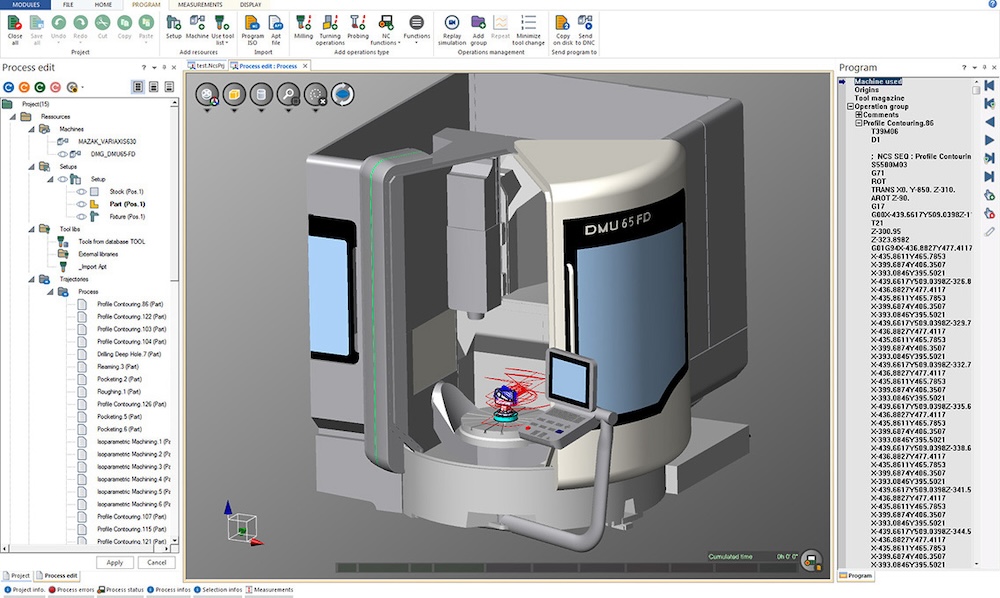
Error-Free Programming in Native CNC Code
A recurring source of shop floor problems is the translation layer between CAM output and the machine controller. Third-party postprocessors introduce errors that programmers then spend time tracking down and correcting. NCSIMUL 4CAM removes this layer by generating native CNC codes that machines read directly — no translation errors, no manual corrections required.
The software handles different machines without requiring programmers to maintain separate postprocessor configurations for each controller. Program compatibility is managed internally through dynamic rest material management and hybrid programming features.
Legacy programs are brought into the workflow without manual re-entry. Older machining data integrates with current projects regardless of the target machine, so shops can keep using proven programs when upgrading equipment or taking on new work.
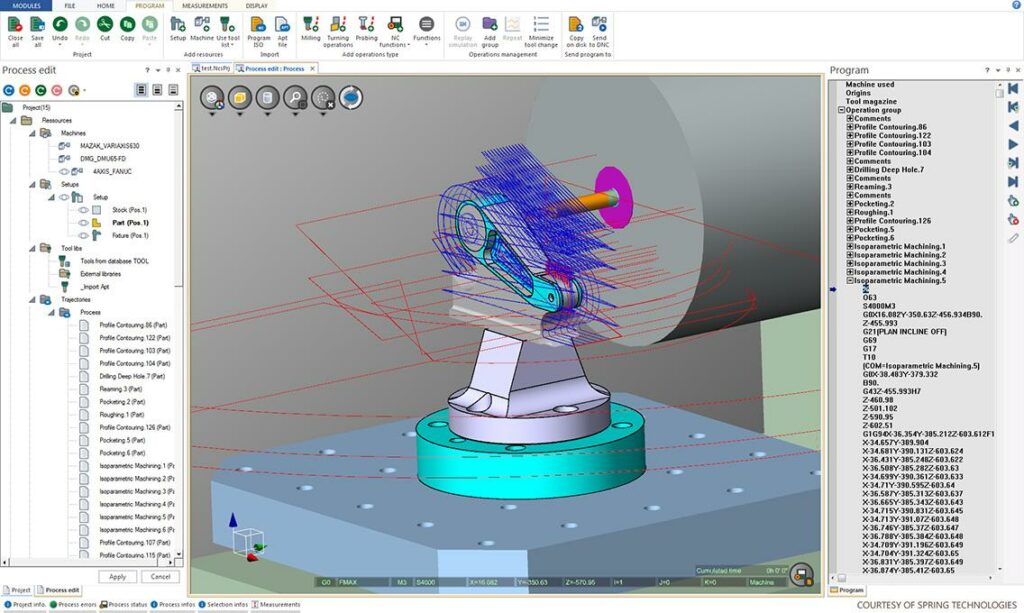
Notable Features of NCSIMUL 4CAM
NCSIMUL 4CAM includes a focused set of features designed to improve CNC programming accuracy and shop floor adaptability. Each addresses a distinct problem in the programming-to-production pipeline.
- Real-time CNC collision detection predicts and prevents potential crashes during simulation, protecting equipment before any cut is made.
- Optimization of cutting tool feeds and speeds maximizes efficiency and reduces machinery wear, saving time and extending tool life.
- CAD/CAM integration imports existing toolpaths and machining data directly, removing manual re-entry between design and production.
- Error-free programming in native CNC code eliminates translation errors common with third-party postprocessors, so machines operate exactly as programmed.
- Dynamic rest material management visualizes remaining material in real time, supporting precision across subsequent machining passes.
- Hybrid programming capability recovers legacy programs and merges older machining data with current technology without manual re-coding.
- Automatic generation of new machine programs translates CAD files into machine-ready code without manual intervention, reducing setup time for new parts.
- Flexibility to switch part production between different CNC machines lets shops respond to changing production demands without reprogramming delays.
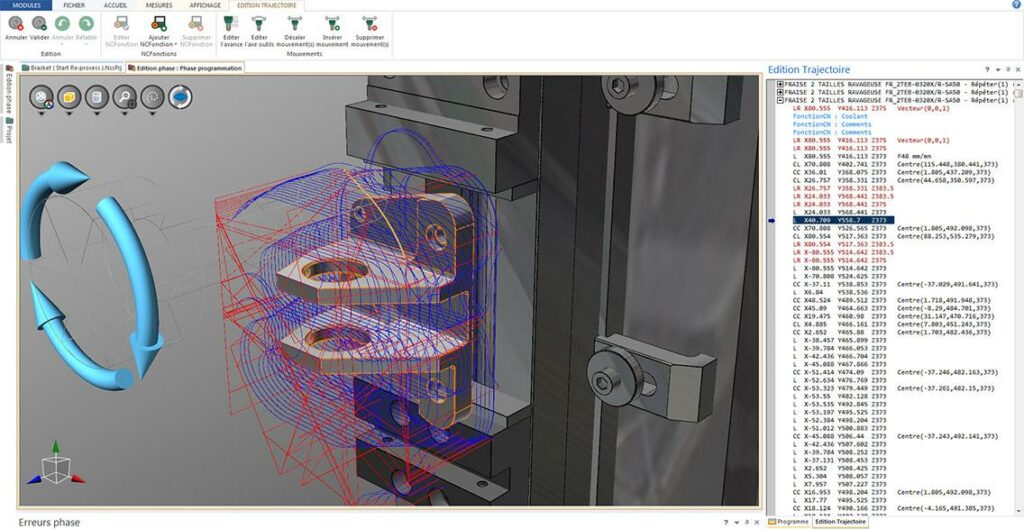
Benefits of NCSIMUL 4CAM in the Discreet Manufacturing Industry
The practical benefits of NCSIMUL 4CAM in discreet manufacturing follow directly from its core capabilities. By generating new CNC machine programs automatically and enabling part machining to move between different CNCs without reprogramming, the software reduces the downtime that typically accompanies machine changeovers or unplanned equipment substitutions.
The dynamic rest material management feature keeps material utilization accurate across multi-pass operations, reducing scrap and improving part quality. The “Hybrid” programming mode brings legacy programs back into active use rather than requiring shops to rebuild proven processes from scratch.
Taken together — error-free native CNC code, direct integration with various CAM solutions, and the ability to shift work between machines without reprogramming — NCSIMUL 4CAM gives discreet manufacturers a measurable path to higher productivity and lower operational costs.
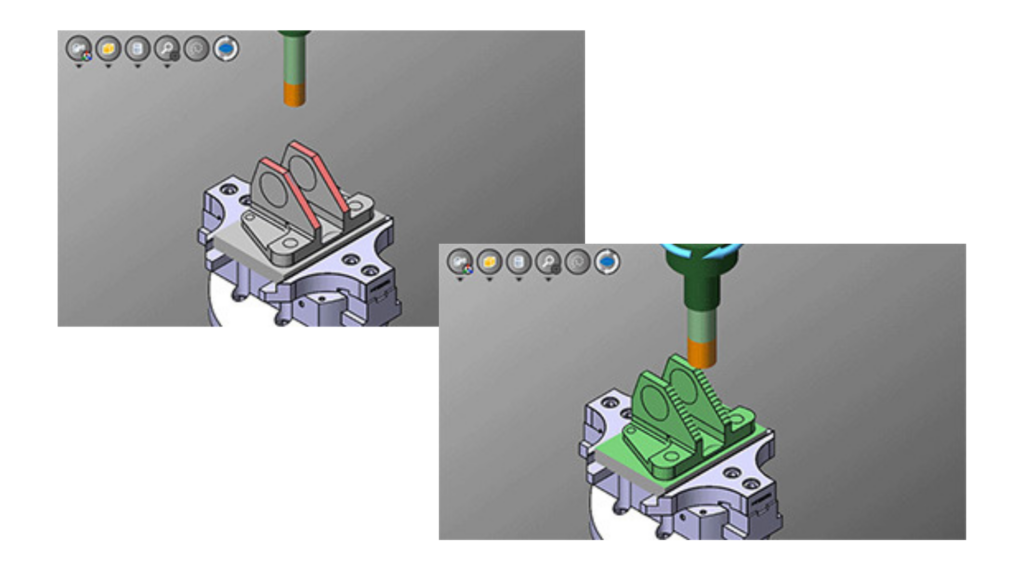
Conclusion
NCSIMUL 4CAM addresses the core problems in CNC programming: program portability across machines, translation errors between CAM and controller, and the overhead of maintaining separate programs for different setups. Its native code generation, collision detection, feed and speed optimization, and hybrid programming features work together to reduce errors, shorten cycle times, and keep production running when machine conditions change.
For shops competing on delivery speed and part quality, that combination translates into a more reliable manufacturing operation with less time lost to programming rework.
(Image Source: ncsimul.com)

- Independent picks for exactly what you just read about
- Matched to your team size & needs
- Vendors don't pay for placement
Step 1 of 4
How big is your team?
We tailor recommendations to companies your size.















Related Articles

Expert Interviews
SaaS Talks with Carole Winqwist, CMO at GitGuardian – Inside Their Unique Marketing Strategy
Continue reading →

Buyers guide
How To Choose The Best Digital Banking Platforms For 2026
Continue reading →

Buyers guide
How To Choose The Best Software Development Analytics Tools For 2026
Continue reading →

Buyers guide
How To Choose The Best Invoice Management Software For 2026
Continue reading →