

Cyber threats keep growing, and companies need stronger defenses against phishing and social engineering attacks. KnowBe4 is a security awareness platform that combines human vigilance with technical protection.
This article walks through KnowBe4’s training tools and how to use them to educate your workforce and strengthen your defenses against everyday attacks.
Key Takeaways
- KnowBe4 training programs improve security by teaching staff to recognize and react to threats like ransomware and CEO fraud with interactive modules, simulated attacks, and personalized feedback.
- Regular phishing simulations with KnowBe4 let users work through realistic scenarios, which builds vigilance against real-world cyberattacks and a proactive culture of security awareness.
- Detailed analysis of the results from KnowBe4’s training lets organizations identify weak spots in their defenses and gives insight for ongoing improvements in cybersecurity practices.
- Adaptive learning through KnowBe4 keeps employees up-to-date on the latest phishing tactics and the cybersecurity measures needed to protect sensitive data and company assets.
- Meeting compliance requirements such as GDPR, HIPAA, or PCI DSS is critical; KnowBe4 helps organizations hold these standards while avoiding costly penalties for non-compliance.
Understanding Knowbe4
Building on the idea of security awareness, KnowBe4 is a security awareness training and simulated phishing platform. It helps organizations tackle phishing attacks and improve IT security through interactive education and simulated experiences.
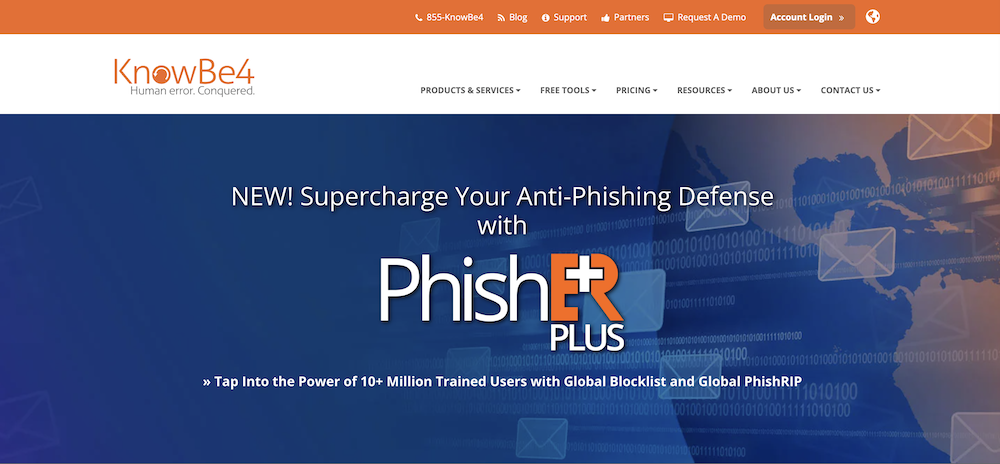
KnowBe4 offers tools such as PhishER and PhishER Plus, giving users strong defenses against phishing schemes that often bypass traditional antivirus suites.
KnowBe4 sets the foundation for solid information security practices by curating content on key topics like social engineering and multi-factor authentication. The goal is to apply that knowledge in real situations, not simply to memorize it during training, turning every email into a potential lesson on vigilance.
Enterprises and SMBs both find resources suited to their own cybersecurity challenges, including e-books, webinars, and customer reviews. These materials help teams of any size keep up with the new tactics attackers use each year.
Importance of Security Awareness Training
Security awareness training is essential to protect organizations from the growing threat of ransomware and CEO fraud, and to keep them compliant with data security regulations. It teaches employees about the risks and how to identify and respond to malicious threats.
The Threat of Ransomware
Ransomware is a real and growing danger for organizations of every size. Hackers use this malicious software to lock up valuable data and demand payment for its release, which causes serious and lasting disruptions to business operations along with direct financial loss and operations that can last for days.
Without security awareness training, organizations stay vulnerable to these attacks. KnowBe4 gives employees the knowledge to recognize and stop ransomware threats before they take hold.
Employees trained with KnowBe4 become an active line of defense against ransomware instead of a weak point attackers can exploit. Through simulated phishing attacks, users learn to spot the dangerous emails that could carry ransomware into the organization.
This preparation matters because a single click on a bad link can freeze entire systems, causing costly downtime and potential leaks of sensitive information. Consistent, repeated training keeps your workforce alert and vigilant against the shifting tactics that hackers use to breach corporate defenses.
Check more 6 Ninja Moves That Will Make Any DDoS Attack Surrender to Your Router’s Superior Protection
The Risk of CEO Fraud
CEO fraud, also known as Business Email Compromise (BEC), is a significant threat to organizations of all sizes. This scam involves cybercriminals impersonating company executives to trick employees into transferring money or sensitive information.
They carefully spoof email addresses and use social engineering tactics to create messages that look and sound legitimate to the person reading them. This type of attack can bypass traditional security measures because it relies on human error rather than technical vulnerabilities in the systems themselves.
KnowBe4’s security awareness training prepares your team to recognize the red flags of CEO fraud. With real-world examples and simulated phishing exercises, employees learn to check email messages carefully before acting on them.
Even experienced professionals in private equity, Silicon Valley firms, or any tech-savvy setting are not immune to these scams, so vigilance matters at every level. KnowBe4’s training gives staff members the critical knowledge and reflexes they need to guard against these spear-phishing attempts before money or data leaves the company.
The Necessity of Compliance
Compliance with security policies and regulations is essential. Organizations face substantial risks if they fail to meet compliance requirements such as GDPR, HIPAA, or PCI DSS.
Non-compliance can lead to severe penalties, damaged reputations, and financial losses that follow from data breaches or privacy violations. By putting compliance measures first, companies show a commitment to safeguarding sensitive information and keeping the trust of their customers and stakeholders over the long term.
Effective Use of Knowbe4 Training Programs
Getting the most from KnowBe4 security training programs means actively engaging users, running phishing simulations, and analyzing the results to find areas to improve.
The sections below show how to use these strategies to raise your organization’s security awareness.
Training Users
KnowBe4’s training programs give users the knowledge and skills to recognize and respond to security threats. This happens through:
| Feature | Benefit |
|---|---|
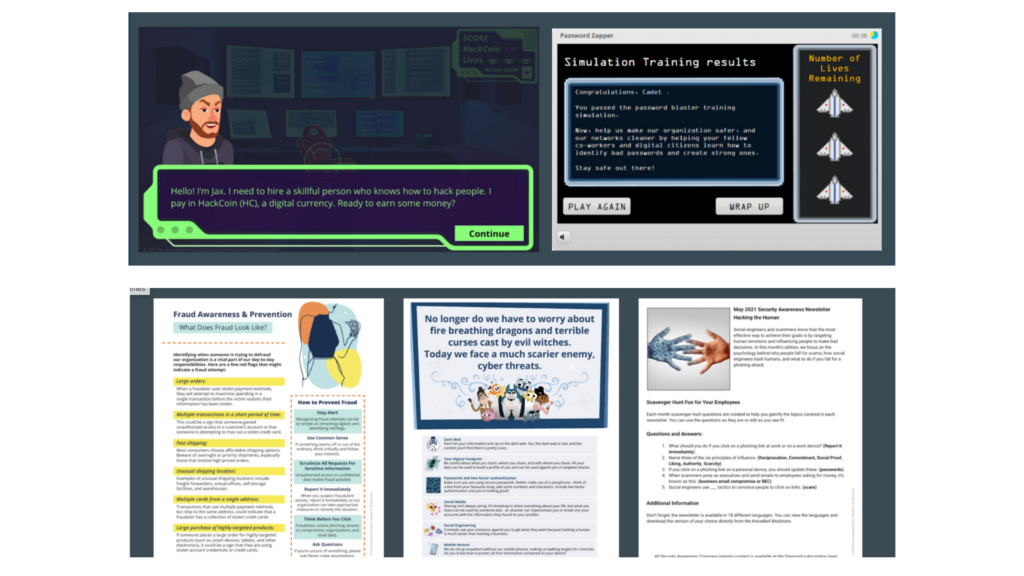
| Interactive Modules | Engages users in real-world scenarios to improve risk identification skills. |
| Simulated Attacks | Lets users experience realistic scenarios and build vigilant habits against threats. |
| Personalized Feedback | Reinforces learning and encourages continuous improvement with individual feedback. |
| Gamification Elements | Improves engagement and motivation through game-like elements in training activities. |
| Ongoing Support Resources | Provides extra resources like e-books and webinars to reinforce training and inform about new threats. |
Phishing Your Users
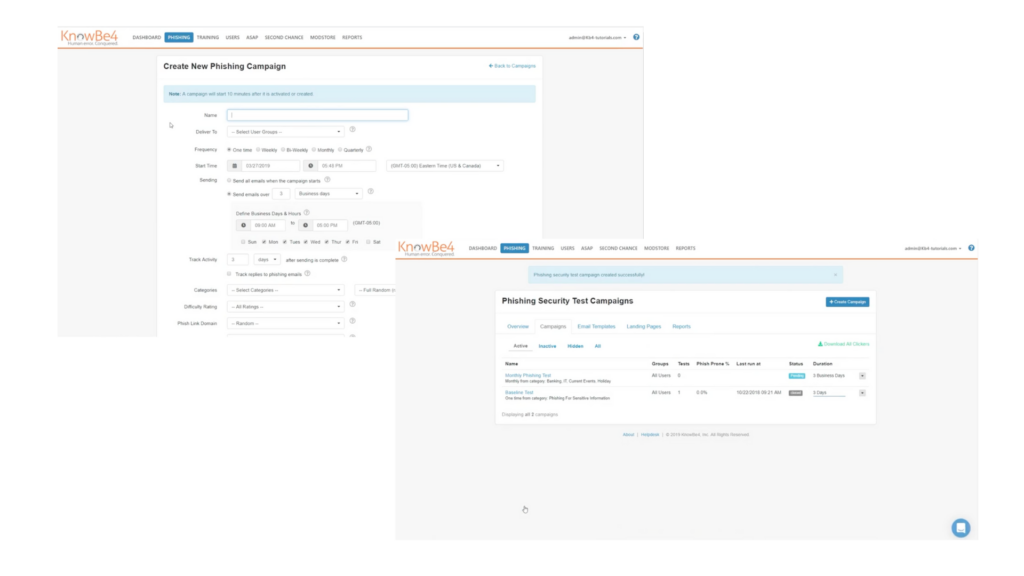
KnowBe4’s phishing training programs let organizations educate and prepare their users for potential phishing attacks ahead of time.
| Strategy | Description |
|---|---|
| Create Simulated Phishing Campaigns | Test user vigilance with regular campaigns using customized phishing templates that mimic real threats. |
| Tailored Training Modules | Deliver targeted training based on user responses to reinforce good security practices. |
| Real-Time Feedback and Teachable Moments | Provide instant coaching with PhishER and PhishER Plus when risky behavior is detected. |
| Measure User Vulnerability | Analyze simulated campaign results to find areas for improvement and track user trends. |
| Build a Culture of Security Awareness | Encourage reporting of suspicious activity and stress the role of each employee in cyber defense. |
| Continuous Improvement Initiatives | Run ongoing training sessions on new phishing tactics and provide updates on emerging cyber threats. |
Analyzing the Results
Once the training and phishing simulation are done, analyze the results carefully. Here are the key steps to follow:
| Step | Description |
|---|---|
| Examine User Interaction | Identify patterns and vulnerabilities in how users interact with simulated phishing emails to pinpoint training needs. |
| Utilize Data Analytics | Assess response rates and other metrics to understand susceptibility levels within the organization. |
| Categorize and Prioritize Results | Classify incidents by severity and frequency to tailor remedial actions. |
| Generate Detailed Reports | Provide insight into user behavior for informed decisions and targeted security improvements. |
Conclusion
Getting the most from KnowBe4 security awareness and phishing training means actively using all the resources it offers rather than leaving them idle. With a full, well-planned training strategy backed by PhishER and PhishER Plus, organizations can strengthen their defenses against the cyber threats that keep changing over time.
The many educational materials and security tools that KnowBe4 provides raise user vigilance, strengthen ongoing compliance efforts across the business, and improve overall organizational resilience to potential security breaches.
By reinforcing knowledge through practical application and ongoing education, companies can build a culture of strong security awareness that protects against malicious attacks and keeps their teams prepared as threats keep changing.
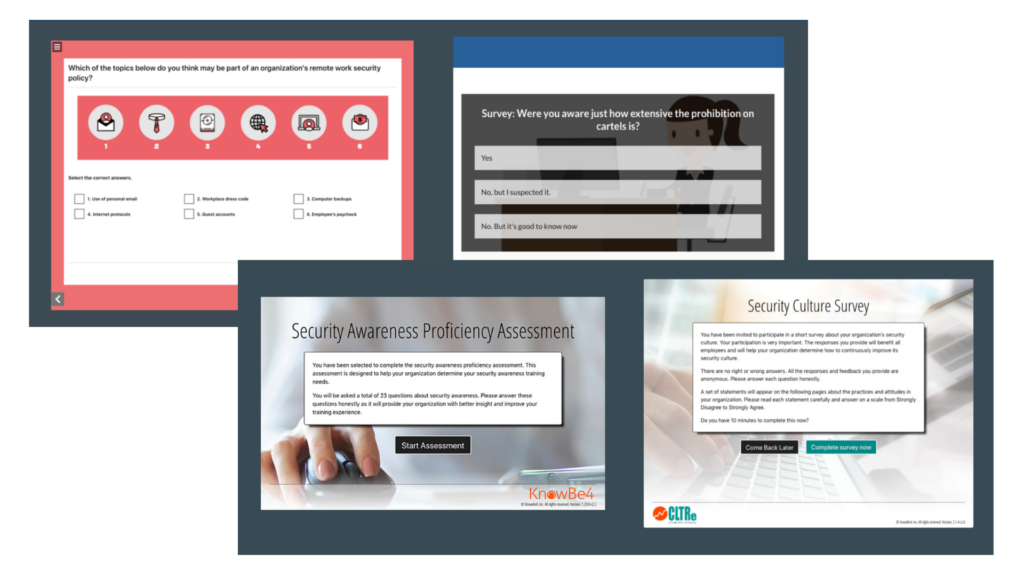
(Image Source: Knowbe4 website)
Measuring Whether Awareness Training Worked
Completion rate is the metric most programmes report and the least informative one available. It measures attendance, not behaviour.
The three numbers that matter
Click rate on simulated phishing, tracked over time against your own baseline rather than an industry average. Report rate — the proportion who actively flag a suspicious message — which matters more, because an organisation where people report gives the security team early warning no tool provides. And time to first report, since a real campaign is contained by how fast the first person raises it.
A programme where click rate falls but report rate stays flat has taught people to ignore suspicious mail rather than act on it. That is a worse outcome than it looks.
Segmenting by risk
Exposure is not evenly distributed. Finance staff receive invoice fraud, executives receive impersonation attempts, and IT receives credential harvesting dressed as system alerts. A single generic programme under-serves all three.
Look for the ability to run different simulation content by department, and to escalate difficulty for people who consistently pass. Repeating the same easy test produces a flattering number and no learning.
What not to do with the results
Publicly naming people who clicked reliably destroys the reporting culture you need. If failing a simulation is embarrassing, the rational response is to say nothing when a real one arrives — which is precisely the behaviour that turns an incident into a breach.
Building the Programme Around the Platform
Awareness platforms supply content and simulation. Whether behaviour changes depends on decisions the platform cannot make for you.
Set a baseline before any training
Run a simulation against everyone before delivering content, and record click rate and report rate. Without that number, later results are unanchored and you will be reduced to reporting completion percentages.
Make reporting effortless and safe
A one-click report button in the mail client, and a policy that reporting is welcomed even when the message turns out legitimate. If reporting is awkward or embarrassing, people simply delete suspicious mail and the security team learns nothing.
Acknowledge reports, including the false alarms. People who feel their report vanished into nothing stop sending them.
Vary the difficulty and the content
Repeating similar simulations produces improving numbers that reflect familiarity rather than learning. Rotate themes, raise difficulty as performance improves, and tailor scenarios by department — invoice fraud for finance, credential harvesting for IT.
Decide what happens after a failure
The response should be immediate, brief, private education rather than punishment. Public shaming reliably destroys the reporting culture, and repeat clickers usually need a conversation about workload and context rather than another module.
Report outcomes, not activity
Take click rate, report rate and time-to-first-report to leadership rather than completion percentages. Those three describe whether the organisation would notice a real campaign, which is the only question worth asking of the programme.
Compliance Training Versus Behaviour Change
Many organisations buy an awareness platform to satisfy a requirement rather than to change behaviour, and the two goals pull in different directions.
Compliance rewards completion — everyone finishes the module, the certificate is filed, the auditor is satisfied. Behaviour change rewards difficulty, repetition and measurement, and it produces uncomfortable numbers along the way.
Both are legitimate, but be explicit about which you are buying. If the requirement is evidential, prioritise reporting and record-keeping. If the goal is fewer successful phishing attacks, prioritise simulation realism and reporting culture, and accept that the early metrics will look worse before they look better.
Frequently Asked Questions
What is Knowbe4’s role in enhancing cyber security awareness?
KnowBe4 gives individuals and organizations the knowledge to recognize and defend against phishing emails, keeping inbox safety a top priority against evolving cyber-attacks.
Why are phishing training programs vital for staff using platforms like Android and iOS?
Phishing training programs matter because they prepare staff across all devices, including Android and Apple (AAPL) products, to identify malicious attacks before they reach the spam folder or put sensitive data at risk.
Can Knowbe4 help protect against sophisticated cyber threats like zero-day exploits?
Yes. Comprehensive training from KnowBe4 raises vigilance across your team, helping them detect even advanced threats such as zero-day exploits quickly.
Is there an advantage of integrating AI tools like ChatGPT with Knowbe4’s security awareness approach?
Adding AI resources such as ChatGPT to your strategy improves the learning experience through interactive scenarios and strengthens your defenses against phishing schemes.
How does cloud computing intersect with Knowbe4’s phishing training effectiveness?
KnowBe4 uses cloud computing to provide scalable solutions that keep pace with fast-changing internet security threats, helping teams respond quickly wherever they work.
Related Articles
Buyers guide
Best MFA Software in 2026: 12 Multi-Factor Authentication Tools Compared
Continue reading →
Best Tools
9 Best SailPoint Alternatives in 2026 (IGA Tools Compared)
Continue reading →
Cybersecurity
1Password vs Bitwarden for Business (2026): SSO, SCIM and Cost Per User
Continue reading →
Cybersecurity
Teleport vs StrongDM (2026): Infrastructure Access Compared, Plus Alternatives
Continue reading →