

Biweekly pay is the most commonly used pay period among employers, but the mechanics still trip a lot of people up when they’re trying to calculate or budget around it.
This guide breaks down exactly how the biweekly pay schedule works, step by step, so you can calculate and budget your earnings with more confidence going forward.
Key Takeaways
- Biweekly pay refers to getting paid every two weeks, with 26 pay periods in a year.
- Pros of biweekly pay include regular and consistent paychecks, easier payroll management for employers, and the potential for longer overtime periods.
- Cons of biweekly pay include more frequent payroll processing for employers and potentially disrupting workers’ financial management if they are used to a different pay schedule.
- Biweekly pay offers benefits such as easier budgeting around consistent paydays, regular pay frequency, extra paychecks twice a year, and the opportunity for longer overtime periods.
Understanding Biweekly Pay
Biweekly pay refers to a pay schedule in which employees are paid every two weeks, resulting in 26 pay periods throughout the year.
Definition and explanation
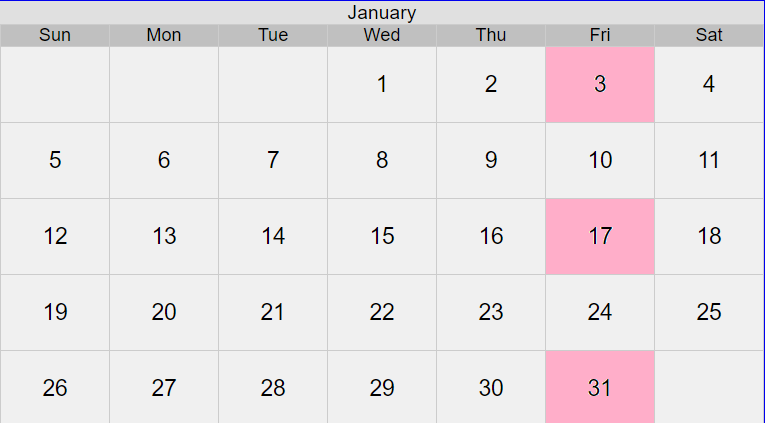
With biweekly pay, your salary lands every two weeks. Your employer picks a recurring day, such as every other Friday, to issue payment. To work out how much lands in each paycheck, start with your gross annual salary before taxes.
Then divide that number by 26, since there are 26 (or, in some years, 27) pay periods in a year. It’s the most common pay schedule companies use to pay their workers.
Pros and cons
The biweekly pay system comes with its own set of advantages and disadvantages. Here’s a complete table that deals with the pros and cons of biweekly payments:
| Pros | Cons |
|---|---|
| Biweekly pay offers regular and consistent paychecks every two weeks. This is beneficial for budgeting and financial planning. | For employers, handling payroll biweekly means more frequent payroll processing, which can increase administrative costs and workload. |
| From an employer’s perspective, biweekly pay periods are easier for HR and supervisors to manage as it splits the year into 26 or 27 separate pay periods. | Biweekly pay might disrupt workers’ financial management if they are used to a different pay schedule. The transition may require a period of adjustment. |
| Employees could potentially have longer overtime periods due to the biweekly pay system. | With biweekly pay, employees don’t always get paid on the same date each month, which can make budgeting harder for some. |
| Biweekly pay can be easily calculated by dividing the gross annual salary by 26. | Differences between biweekly and semi-monthly pay schedules may confuse employees, especially when transitioning from one system to another. |
Taken together, these pros and cons give both employers and employees a balanced picture for deciding whether the schedule fits.
How many biweekly pay periods in a year
A standard year has 26 biweekly pay periods, meaning a paycheck every two weeks. A leap year can push that to 27 pay periods instead of the usual 26, depending on where the pay dates fall on the calendar.
Within each two-week period, a full-time worker will usually log about 80 hours.
Benefits of Biweekly Pay
Biweekly pay provides several benefits, including easier management for HR and supervisors, the ability to budget around consistent paydays, regular pay frequency for employees, the opportunity for extra paychecks twice a year, and the potential for longer overtime periods.
Easier for HR and supervisors
Biweekly pay makes it easier for HR and supervisors to manage payroll. A consistent every-other-week schedule means salaries and expense budgets can be calculated the same way each cycle, instead of juggling shifting monthly dates.
That regular frequency also supports planning, since employees can count on receiving their paychecks on time. And because the year splits into 26 or 27 periods not 12, there are two occasions when employees receive an extra paycheck.
Overall, this structure lets HR and supervisors run payroll smoothly without reinventing the calculation each time.
Easy to budget around paydays
Biweekly pay makes budgeting simpler for employees because the paycheck lands on a predictable two-week rhythm. With that consistency, employees can plan around bills, groceries, and other recurring expenses without guessing when money will arrive.
Knowing the exact payday in advance removes the surprises that come with less predictable schedules. And since biweekly pay produces two extra paychecks a year, there’s some built-in room to cover unexpected costs or save for something specific.
That predictability is what makes biweekly pay easier to plan around than schedules with shifting dates.
Regular pay frequency
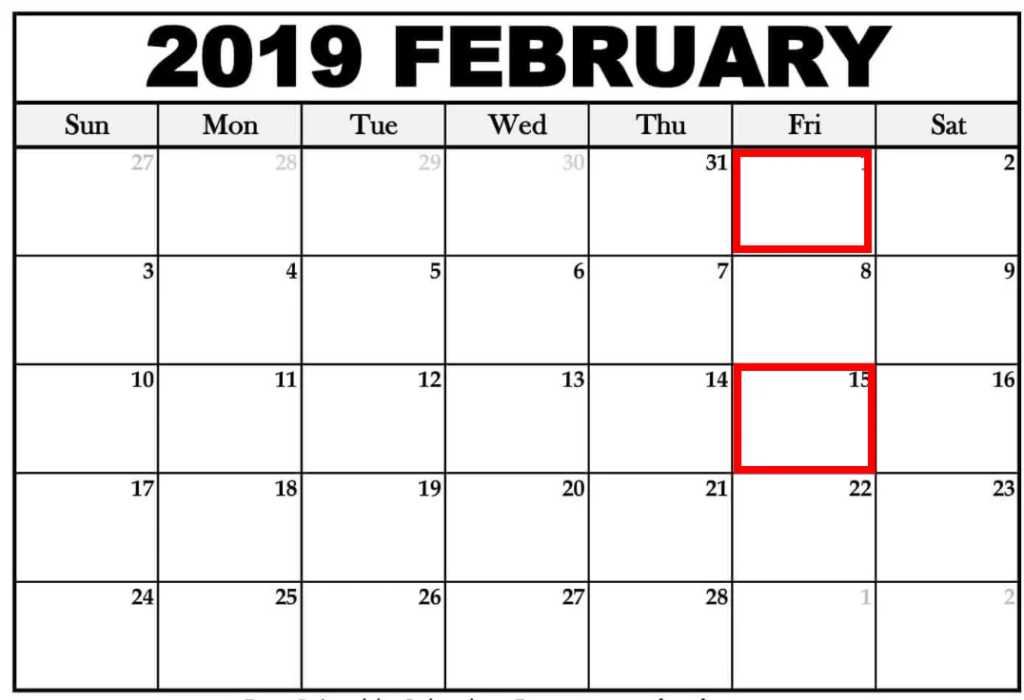
Because biweekly pay follows a fixed every-other-week rhythm, employees know exactly which day of the week their paycheck will land, even if the calendar date shifts. With 26 pay periods in a year, that day repeats reliably.
This consistency is different from monthly or semimonthly schedules, where the payday can fall on a different day of the week each time. A steady two-week income rhythm gives employees more day-to-day financial stability.
Extra paychecks twice a year
With a biweekly pay schedule, employees have the advantage of receiving extra paychecks twice a year. Since there are 26 pay periods in a year for this type of payment plan, there are two occasions where employees receive an additional paycheck.
These extra paychecks can be a useful financial boost. This gives employees more flexibility to cover expenses or set money aside. Keep in mind they aren’t a bonus on top of your annual salary — they’re calculated at the same per-pay-period amount as any other check, just spread across two more pay dates than a monthly or semimonthly plan would give you.
Still, it’s a perk worth factoring in when comparing pay schedules.
Possible longer overtime periods
Because each pay period spans two full weeks, biweekly pay can open the door to longer overtime windows. Extra hours worked during either of those two weeks get folded into the same paycheck.
For example, if you work 50 hours in one week and only 30 hours the next, the overtime pay applies to those 20 extra hours. So with biweekly pay, there’s more opportunity to earn overtime whenever you put in additional work during a particular week.
Differences Between Biweekly and Semimonthly Pay
Biweekly pay is a schedule where employees are paid every two weeks, while semimonthly pay is a schedule where employees are paid twice a month, usually on specific dates such as the 15th and 30th.
Definition and comparison
Biweekly pay divides the year into 26 pay periods, producing a paycheck every two weeks on a fixed day. Semimonthly pay works differently: it occurs twice a month on set calendar days, like the 1st and 15th, instead of on a fixed day of the week.
Because it’s tied to the day of the week instead of the calendar date, biweekly pay offers more consistency — employees can expect a regular paycheck every two weeks, while semimonthly paychecks can land on a different weekday depending on the month.
Getting paid early
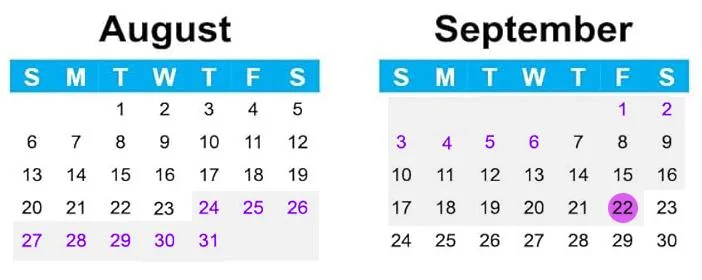
Biweekly pay can occasionally mean getting paid a little early, which works in employees’ favor. Because the schedule is tied to the calendar week not the calendar month, there are times a paycheck lands before the date you’d expect on a monthly system.
That can help if unexpected expenses come up or you need extra cash for something specific. It’s worth noting this doesn’t happen every pay period, and the exact timing depends on your employer’s specific payroll schedule.
Overall, though, this quirk of biweekly pay adds a bit of flexibility and convenience to managing your finances.
Transitioning from weekly to biweekly payroll
Transitioning from weekly to biweekly payroll can be a smooth process if you follow these steps:
- Communicate the change: Inform employees about the upcoming transition and provide clear explanations of how biweekly pay works.
- Adjust the pay schedule: Determine the new start date for the biweekly pay schedule and ensure that all employees are aware of it.
- Update employee contracts: Make necessary changes to employment agreements, specifying the new pay frequency and any other relevant details.
- Calculate prorated payments: If the transition occurs in the middle of a pay period, calculate prorated payments for affected employees to ensure they receive their appropriate wages.
- Facilitate budgeting adjustments: Help employees adjust their budgeting strategies by providing guidance on managing expenses during longer periods between paychecks.
- Address questions and concerns: Be available to answer any questions or address concerns that employees may have during this transition period.
Conclusion
Understanding how biweekly pay works matters for both employers and employees. It delivers a consistent, predictable paycheck every two weeks, which makes budgeting easier on both sides.
With 26 pay periods in a year, it also builds in two extra paychecks most years. Knowing how the schedule works puts you in a better position to manage your finances and keep payroll running smoothly.
(Image credit: Biweekly pay)
Frequently Asked Questions
1. What is biweekly pay?
Biweekly pay refers to a payment schedule in which employees are paid every two weeks, typically on the same day of the week.
2. How does biweekly pay differ from monthly or weekly pay?
Unlike monthly or weekly pay, biweekly pay occurs every two weeks, resulting in 26 pay periods per year instead of 12 or 52.
3. When can I expect to receive my paycheck with biweekly pay?
With biweekly pay, you can expect to receive your paycheck on a consistent day every two weeks, such as every other Friday.
4. How do taxes and deductions work with biweekly pay?
Taxes and deductions are typically calculated based on each paycheck for employees who are paid biweekly.
5. Are there any benefits or drawbacks to receiving biweekly pay?
Benefits of receiving biweekly pay include more frequent income and potential alignment with bill due dates, while drawbacks may include budgeting challenges due to varying numbers of working days within each two weeks.
How do you calculate payroll?
Start with gross pay — hours multiplied by rate for hourly staff, or the annual salary divided by the number of pay periods for salaried staff. Subtract pre-tax deductions such as retirement contributions and health premiums to reach taxable wages. Apply federal income tax withholding using the employee’s W-4, then Social Security and Medicare, then state and any local tax. Subtract post-tax deductions like garnishments. What is left is net pay.
Run separately from that, the employer owes its own share of Social Security and Medicare plus federal and state unemployment, which is a cost on top of gross pay instead of a deduction from it. Budgeting from gross pay alone understates the true cost of an employee by roughly eight to ten percent.
How do I do my own payroll taxes?
Register for a federal EIN and for withholding and unemployment accounts in every state where an employee works. Withhold the right amounts each pay run, deposit them on the schedule the IRS assigns you — monthly or semi-weekly, set by your lookback period — and file Form 941 each quarter, Form 940 annually, and W-2s by 31 January.
The deposit schedule is where self-filers most often come unstuck, because it is assigned not chosen and it can change between years. Penalties start at 2% for deposits one to five days late and rise steeply from there, which is why a single missed deposit typically costs more than a year of payroll software.
How do I pay an international employee?
It depends entirely on whether you have a legal entity in their country. If you do, you run local payroll there with local registrations, local withholding and local filings — your domestic payroll product almost certainly cannot do this.
If you do not have an entity, you have three options: an employer of record, which employs the person on your behalf and is the usual answer; opening an entity, which is slow and only justified at several hires; or engaging them as a genuine contractor, which is legitimate only if the relationship really is contracting. Paying an overseas worker through your domestic payroll as though they were local is the one approach that is not available, and it is the one people try first.
How do I move payroll from one provider to another?
Time it for the start of a quarter or year if you can, because a mid-quarter move splits the Form 941 between two filers and someone has to own that. Export year-to-date figures per employee before you give notice — access usually ends with the subscription — and confirm whether the new provider will import them as a successor employer or start you from zero, because that decides whether employees get one W-2 or two.
Run one parallel cycle before going live, comparing gross pay, each withholding, deductions and employer contributions line by line. And revoke the old provider’s third-party authorisation with the tax agencies once final filings clear, or notices keep routing to a provider that no longer works for you.
Compare alternatives to the tools in this post

- Independent picks for exactly what you just read about
- Matched to your team size & needs
- Vendors don't pay for placement
Step 1 of 4
How big is your team?
We tailor recommendations to companies your size.















Related Articles
HR software
Paycor Pricing in 2026: What It Actually Costs
Continue reading →
HR software
UKG Pro Pricing in 2026: What It Actually Costs
Continue reading →
Payroll Software
Deel Pricing in 2026: What It Actually Costs
Continue reading →
HR software
ADP Pricing in 2026: What It Actually Costs
Continue reading →