

Choosing the right Learning Management System (LMS) can feel like navigating a complex maze. In fact, over 700 different LMS platforms are available on the market! This article will simplify your selection process. This offers key insights and practical steps to help you pick the perfect fit for your needs.
Ready to find your ideal LMS? Let’s dive in.
Key Takeaways
- User experience is a essential factor when selecting a Learning Management System (LMS). It should be easy for students, teachers, and administrators to navigate the platform.
- Integration capabilities are important in an LMS. Look for one that can smoothly connect with your existing systems and applications to enhance productivity.
- Consider whether you prefer open-source or proprietary software when choosing an LMS. Open-source offers flexibility while proprietary provides reliable support.
- Configuration allows you to customize the LMS to fit your organization’s needs. This enhances user satisfaction and creates a smooth learning experience.
- Good technical support is essential in selecting an LMS. Look for vendors who offer complete customer support options and training resources.
- Define your requirements before choosing an LMS. Consider factors like the number of users, customization needs, integration with other systems, and technical specifications.
- Explore the market by conducting market research on different LMS platforms before making a decision.
- Evaluate vendors based on user – friendliness, integration capabilities, configuration options, and level of customer support provided throughout implementation process.
- Consider technical specifications such as compatibility and system requirements when selecting an LMS.
- Choose the best – suited LMS by evaluating usability, integration capabilities, technical specifications, features offered, and how well it aligns with your specific requirements.
Factors to Consider When Selecting an LMS
Consider the user experience, integration capabilities, open-source vs. proprietary software options, configuration flexibility, and available support when selecting an LMS.
User experience (UX)

One of the most essential aspects to assess in a Learning Management System is user experience (UX). This encompasses how easily students, teachers, and administrators can navigate the platform.
A high-quality UX design ensures that users don’t have to struggle with technical difficulties when trying to access course materials or track progress. Smooth operation is especially significant for online learning where direct assistance may not always be reachable instantly.
An intuitive LMS interface enhances learners’ satisfaction and enables instructors to focus more on teaching than trouble-shooting tech problems. Moreover, a good UX should work smoothly across various devices since many users access their courses through smartphones or tablets as well as computers.
Integration
Integration is a essential factor to consider when selecting a learning management system (LMS). An LMS that integrates smoothly with your existing systems and applications can simplify your training processes and enhance productivity.
Whether it’s integrating with HR software for easy user management or smoothly connecting with content creation tools, integration capabilities can make your overall learning experience more efficient.
When evaluating potential LMS options, be sure to assess the integration possibilities and ensure compatibility with your organization’s current infrastructure.
Opting for an LMS platform that offers strong integration features can also enable you to use third-party applications and services. This flexibility allows you to enrich your training program by incorporating various e-learning tools, virtual classrooms, and other relevant resources.
By having direct integration between these different components, you create a cohesive ecosystem where learners have access to all the necessary tools in one centralized location.
Open-source vs. proprietary software
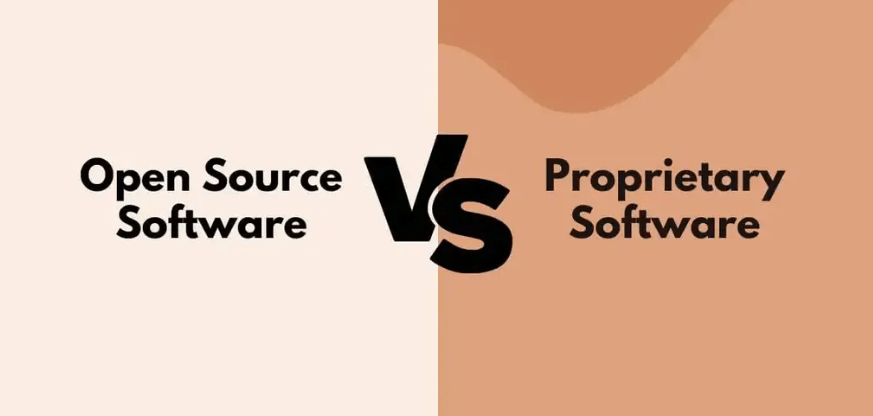
Open-source software refers to programs that are freely available for use, modification, and distribution. This type of software is developed by a community of volunteers who contribute their knowledge and expertise.
On the other hand, proprietary software is created and owned by a specific company or organization, with restrictions on its use and access. When choosing an LMS, it’s important to consider whether you prefer the flexibility and customization options offered by open-source software or the reliability and support provided by proprietary solutions.
Both have their pros and cons, so carefully evaluate which option aligns better with your organization’s needs before making a decision.
Configuration
Configure your learning management system (LMS) to fit the specific needs of your organization. Customize the platform by adjusting settings, adding modules or features, and tailoring the user interface.
This flexibility allows you to align the LMS with your training program requirements. This makes it easier for learners to navigate and engage with the content. By configuring the LMS to meet your unique needs, you can enhance user satisfaction and ensure a smooth learning experience for all users.
Support
The level of support provided by the learning management system (LMS) vendor is a essential factor to consider when selecting an LMS. Good technical support ensures that any issues or challenges with the system can be addressed quickly and efficiently. This reduces disruptions to your training program.
Look for vendors who offer complete and responsive customer support, including email, phone, and live chat options. Additionally, check if they provide training resources such as user guides and tutorials to help you maximize the potential of your LMS.
Reliable support will ensure that you have a smooth experience with your chosen LMS platform.
Step-by-Step Guide for Choosing an LMS (Learning Management System)
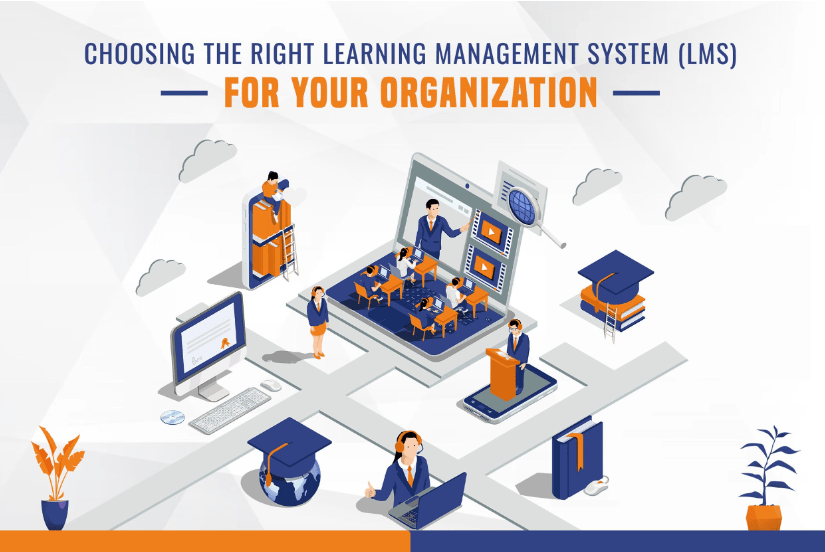
To choose the right Learning Management System (LMS) for your needs, follow this step-by-step guide: define your requirements, explore the market, evaluate vendors, consider technical specifications, and select the best LMS for your organization.
Define your needs and requirements
To select the right Learning Management System (LMS), it is essential to define your needs and requirements. This involves identifying what you want the LMS to accomplish and what features are necessary for your organization or educational institution.
Consider factors such as the number of users, types of courses or materials you will be offering, desired level of customization, integration with other systems, and technical specifications.
By clearly defining your needs and requirements, you can narrow down your options and find an LMS that aligns perfectly with your goals.
Explore the market
To select the right Learning Management System (LMS), it is essential to explore the market and gather information about different options available. Conducting market research allows you to compare features, functionalities, and pricing of various LMS platforms.
By exploring the market, you can identify which vendors offer solutions that align with your organization’s specific needs and requirements. This step helps in making an informed decision by considering a range of options before choosing the best-suited LMS for your training program.
Evaluate vendors
Evaluating vendors is a essential step in selecting the right Learning Management System (LMS) for your organization. Look for vendors that offer easy-to-use platforms with intuitive navigation and customizable interfaces to enhance the overall user experience.
Consider their ability to integrate with existing systems, such as HR or CRM software, to ensure smooth data flow and efficient operations. Assess whether you prefer an open-source LMS that allows flexibility and customization or a proprietary software with dedicated support services.
Don’t forget to evaluate the vendor’s configuration capabilities and level of customer support they provide throughout the implementation process.
Consider technical specifications
When selecting a learning management system (LMS), it is essential to consider the technical specifications. These specifications include factors such as compatibility, hosting options, and system requirements.
Assessing the technical specifications ensures that the LMS integrates directly with your existing tools and infrastructure. This saves you time and effort in implementation. It also guarantees that the LMS meets the needs of your organization in terms of scalability and flexibility.
Taking into account these technical aspects will help you make an informed decision about which LMS best suits your requirements.
Select the best LMS
Evaluate the LMS platforms based on their user experience, integration capabilities, and technical specifications. Consider how easy it is to navigate and use the platform, as well as how well it can integrate with your existing systems.
Additionally, ensure that the LMS meets your specific requirements and has the necessary features to support your training program. Compare different vendors and their offerings before selecting the best LMS for your organization’s needs.
Importance of Choosing the Right LMS
Choosing the right Learning Management System (LMS) is essential for improved user satisfaction, enhanced training effectiveness, cost and time savings, as well as scalability and flexibility.
Improved user satisfaction

Choosing the right learning management system (LMS) can lead to improved user satisfaction. When learners have a positive experience with an LMS, they are more likely to engage with the training materials and complete their courses successfully.
An intuitive and easy-to-use interface, easy navigation, and access to relevant resources all contribute to a satisfying learning experience. Additionally, when an LMS meets the specific needs of the users, such as providing personalized learning paths or integrating with other tools they use regularly, it enhances their overall satisfaction.
By prioritizing user satisfaction in your LMS selection process, you can create a positive learning environment that promotes engagement and success.
Enhanced training effectiveness
Enhanced training effectiveness is a key benefit of choosing the right Learning Management System (LMS). By selecting an LMS that aligns with your organization’s training objectives and requirements, you can ensure that your employees receive high-quality and targeted learning experiences.
An effective LMS will provide tools for content creation, delivery, and tracking. This allows you to design engaging courses that cater to different learning styles. Additionally, features like assessments and quizzes within the LMS enable you to measure learners’ progress and identify areas for improvement.
With an LMS that enhances training effectiveness, you can optimize employee performance and drive better business results.
Cost and time savings
Choosing the right Learning Management System (LMS) can lead to significant cost and time savings for organizations. By automating administrative tasks like course registration, tracking learner progress, and generating reports, an efficient LMS simplifies operations and reduces manual workloads.
Additionally, a well-designed LMS allows for easy content creation and updates, eliminating the need for expensive third-party developers or frequent outsourcing. With centralized training materials accessible anytime and anywhere through the LMS platform, employees can also complete their learning at their own pace. This reduces disruptions to their workflow and maximizing productivity.
Scalability and flexibility

Scalability and flexibility are essential factors to consider when selecting a learning management system (LMS). A scalable LMS can easily accommodate an increasing number of users and courses without compromising performance.
This is especially important for organizations that anticipate growth or have fluctuating training needs. Additionally, a flexible LMS allows customization and integration with other software systems. This enables smooth workflows and improves user experience.
By choosing an LMS that offers scalability and flexibility, organizations can ensure their training programs can adapt to changing requirements and effectively meet the needs of their learners.
Conclusion
The right learning management system directly impacts training outcomes and user engagement. When evaluating options, prioritize user experience, integration capabilities, configuration flexibility, vendor support quality, and technical specifications that align with your organization’s infrastructure.
A well-matched LMS reduces implementation costs, shortens time-to-value, and positions your training program to scale as your organization grows.
FAQs
What should I consider when selecting the right Learning Management System?
While selecting the right Learning Management System, it is essential to consider LMS requirements analysis, evaluate its features and technical specifications and assess if it suits your intended LMS audience.
How do I explore the LMS market?
Exploring the LMS market involves evaluating various online training platforms, investigating instructional design trends, examining different eLearning solutions and comparing course management systems from several vendors.
What are some key Learning Management System features for Education?
Education-focused LMS features include blended learning options, integrated learning analytics for student engagement tracking, support for various elearning system requirements while ensuring compatibility with virtual learning environments.
How can I evaluate different LMS vendors?
You can evaluate multiple LMS vendors by analyzing their offerings based on factors like integration capabilities in your already applied educational technology framework, meeting specific system needs including opensource options as well as their standing in terms of reliability amongst other users.
Why would one need to identify specific LMS needs before selecting an appropriate platform?
Identifying particular needs helps you choose a platform offering tailored services that align perfectly with your educational or training goals; this could range from enabling blended learning environmentssupporting advanced interfaces for improved student engagement.

- Independent picks for exactly what you just read about
- Matched to your team size & needs
- Vendors don't pay for placement
Step 1 of 4
How big is your team?
We tailor recommendations to companies your size.















Related Articles
Buyers guide
How To Choose The Best Online Learning Platform For 2026
Continue reading →

Education Software
Best LMS Software in 2026: Complete Guide for Every Team Size
Continue reading →
Buyers guide
How To Choose The Best Assessment Software For 2026
Continue reading →
Buyers guide
How To Choose The Best Online Course Providers For 2026
Continue reading →