
What Is an Online Learning Platform and How Does It Work?
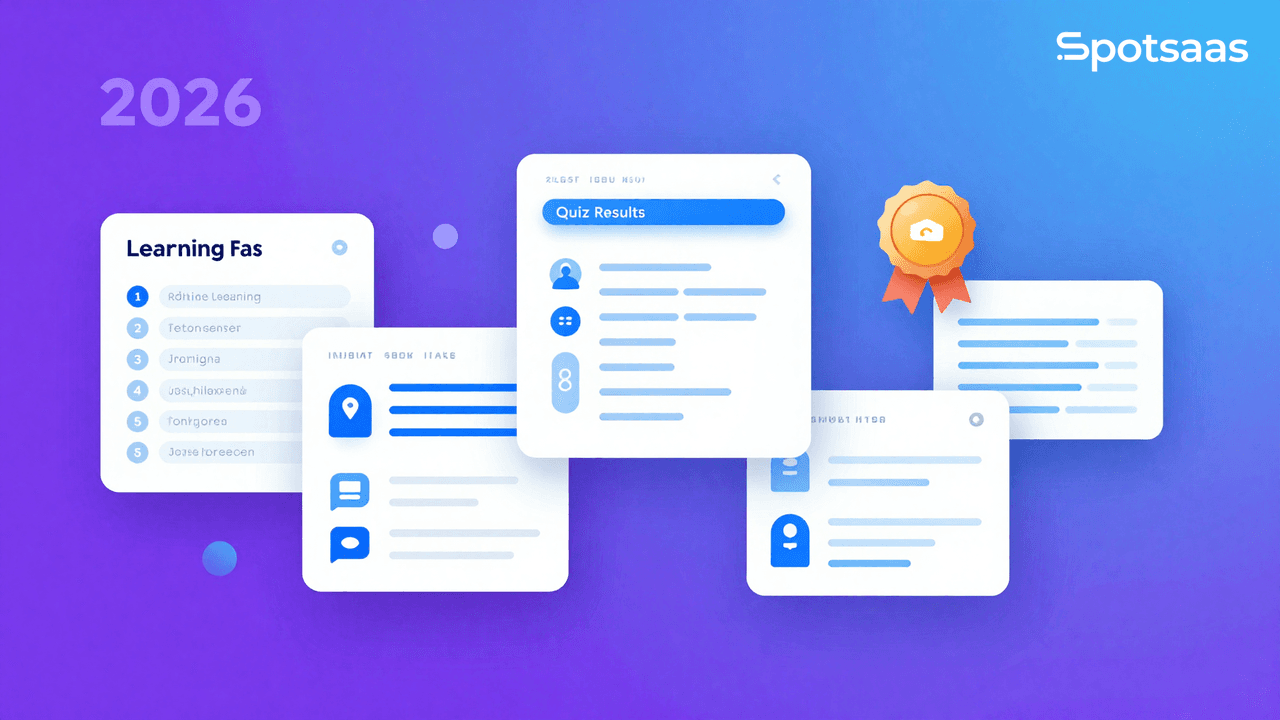
An online learning platform is a web-based system built to deliver educational content, courses, and training programs over the internet. These platforms serve individuals, companies, and academic institutions, offering structured learning experiences with features like video lessons, quizzes, discussion forums, and certifications.
They support self-paced learning, which makes education accessible, flexible, and cost-effective for users around the world. Many platforms build in AI-driven recommendations, progress tracking, and gamification to improve engagement and retention. Course subjects and skill levels are broad, letting learners pick courses that match their personal or professional interests, whether that means a single short lesson or a full multi-module program.
Why Should You Use Online Learning Platforms in 2026?
Online learning platforms give individuals, businesses, and institutions access to flexible, affordable education. They offer both self-paced and instructor-led courses across a wide range of subjects, supporting upskilling and formal qualifications. Because they remove the need for a physical classroom, they make learning accessible to people regardless of location.
Flexible and self-paced learning
Online learning platforms let learners study on their own schedule, with options for self-paced courses or instructor-led sessions. This flexibility helps people balance education with work, family, or other commitments. Many platforms provide lifetime access to course materials, so learners can revisit and review lessons whenever they need to.
Diverse course offerings
These platforms cover a wide range of topics, from technology and business to healthcare, arts, and personal development. Students can choose short courses, certification programs, or even full degree programs. Because content is updated regularly, users get access to current industry trends and skills.
Cost-effective education
Online learning is generally more affordable than traditional education. Platforms offer free courses, subscription models, and one-time payment options, putting high-quality education within reach of a wider audience. Some platforms also provide financial aid or discounts for students and professionals.
Access to expert-led instruction
Courses are typically structured and taught by experienced professionals, university professors, and industry experts. They come with structured curriculums, real-world insights, and hands-on projects that build practical skills. Many platforms also host guest lectures and partner with leading companies in their field.
Interactive and engaging content
To keep learners engaged, online courses typically include video lectures, quizzes, assignments, and discussion forums. Some platforms add gamification, interactive simulations, and real-life case studies to boost engagement and help learners retain what they study.
Certifications and career advancement
Platforms issue certificates, diplomas, and accredited degrees that carry real weight on resumes and LinkedIn profiles. These qualifications help professionals stand out in a competitive job market and, in some cases, open doors to new career opportunities. Many courses are recognized by industry leaders and universities.
Corporate training for employees
Companies use online learning systems to train staff, build leadership skills, and support ongoing professional development. To raise productivity, a company can build a customized training program, track employee progress, and measure performance over time.
LMS integration
Most online learning platforms integrate with LMS software, which makes them well suited for schools, universities, and companies. This integration lets organizations manage learning resources, track student progress, and run training programs more efficiently.
What Are the Key Features of an Online Learning Platform?
Online learning platforms typically offer an extensive course library, interactive multimedia content, self-paced and instructor-led learning, and certification programs. Many include quizzes, discussion forums, mobile accessibility, and AI-driven progress tracking. A good number also support corporate training and integration with learning management systems (LMS), which matters most once a business is training more than a handful of people at once.
Course library and curriculum design
Strong course libraries offer multiple learning paths, letting learners choose from beginner to advanced levels. Courses come with well-structured curriculums, clear learning objectives, modules, and assessments. Many platforms offer expert-curated pathways that help learners build knowledge systematically. Course libraries are refreshed regularly to keep pace with emerging trends and skills.
Self-paced and instructor-led learning
Self-paced courses give learners the flexibility to complete lessons on their own time. Instructor-led courses, by contrast, offer real-time interaction, live lectures, and structured guidance from educators. Most platforms offer hybrid models that combine self-paced lessons with live Q&A sessions for higher engagement. Features like discussion forums and peer feedback add to a more immersive learning experience.
Multimedia learning tools
Online courses draw on a range of content formats, including video tutorials, downloadable PDFs, audio lectures, and simulations, since different learners respond to different formats. Quality video and animation make complex topics easier to follow, and some platforms include practical sessions, like coding environments where learners can work directly with the material. Many of these resources can be downloaded for offline use, so learning can continue without an internet connection.
Certification and accreditation
Many online courses provide certifications upon completion, some industry-recognized and others accredited by universities or professional organizations. Certifications let learners show their skills to employers and add credibility to their resumes. Some platforms offer micro-credentials that stack toward full professional qualifications. Accredited programs may even count toward degree credits, making online learning a realistic path to formal education.
Community and peer collaboration
Online learning platforms encourage social learning through discussion forums, peer-to-peer mentoring, and collaborative assignments. Students can interact with instructors and other students, join Q&A sessions, and exchange information through virtual communities. Most platforms include social learning features that let students connect with peers, get career information, and share experiences. Collaborative assignments and study groups help sustain motivation and deepen critical thinking.
Mobile learning friendliness
Nearly all online learning platforms offer a mobile app, so learners can access courses conveniently, whether they’re commuting, on a break, or traveling. Many apps support offline downloads, course update notifications, and mobile-friendly quizzes. Responsive design keeps content usable on smaller screens, so the experience holds up across devices.
Quizzes, tests, and tracking progress
Built-in quizzes and assessments help learners check their understanding of course material. Many platforms use adaptive testing, where difficulty adjusts based on performance, keeping the experience personalized. Progress tracking dashboards show completed lessons, quiz scores, and course milestones, which helps learners stay motivated. Some platforms also offer AI-driven recommendations based on past performance to point learners toward relevant topics.
Corporate and business learning solutions
Many platforms offer enterprise solutions that let companies run customized training programs for employees. Companies can assign courses, track progress, and measure team performance through analytics dashboards. Online training scales well, letting businesses upskill employees across different locations without added overhead. Industry-specific learning paths help companies train staff in compliance, leadership, software, and other critical skills.
What Are the Benefits of Online Learning Platforms?
These platforms improve learning by offering flexible schedules, affordability, and access to expert-led instruction. Learners can earn industry-specific certifications, advance their careers, and work with interactive content built for better knowledge retention.
Borderless global learning
Online learning lets people anywhere in the world access quality education without the constraint of physical distance. These platforms partner with well-known universities and industry professionals, making education more widely available. There’s no need to relocate; learners can study from home, on the road, or anywhere else. Many platforms also offer support in multiple languages, widening access to a broader audience and removing another barrier that traditional, campus-based education often carries.
Career advancement and skill upgrading
Taking online courses helps professionals pick up new skills, certifications, and industry-specific knowledge to move their careers forward. Many platforms offer specialized training in high-demand fields like artificial intelligence, business management, and software development. Employers recognize certifications from well-known platforms, which makes them valuable resume additions. Some courses even include career coaching, networking opportunities, and job placement assistance. Learning new skills online gives professionals an edge and opens doors to better opportunities.
Affordable education with flexible pricing
Online learning costs considerably less than traditional education. There are free courses, subscription models, and pay-per-course options, and learners don’t need to cover travel, accommodation, or physical textbooks. Many platforms also offer scholarships, financial aid, or employer-sponsored training to cut costs further. Flexible payment plans let learners invest in courses that match their budget, so cost doesn’t have to be a barrier to gaining new knowledge.
Learning at your own pace
Online education fits around a person’s work schedule, academic calendar, and personal life. Whether someone prefers studying late at night, over weekends, or in short bursts, online courses can accommodate that. Many platforms offer lifetime access to course materials, so learners can revisit content whenever they need to. Mobile-friendly platforms let students study on the go, so they don’t miss out on learning opportunities. This flexibility is especially valuable for working professionals and busy people trying to upskill without disrupting their routine.
Engaging and interactive content
Many online learning platforms use multimedia elements, like video lessons, quizzes, discussion forums, and real-world projects, to make learning more engaging. Gamification, interactive simulations, and AI assessments help learners stay motivated and track their own progress. Online learning goes beyond watching lectures; it includes hands-on exercises, group discussions, and problem-solving tasks that build deeper understanding. Peer interaction through study groups and instructor feedback adds a sense of community, which helps with both retention and involvement.
Scalability for businesses and institutions
Organizations and institutions use online learning to run training across large numbers of employees or students at once. Training that would otherwise require a physical classroom seating thousands of attendees can instead be delivered over the internet. Tailor-made modules can track progress and measure how much each learner has absorbed, and because there’s no need to expand physical infrastructure, scaling up is far easier.
What Are the Types of Online Learning Platforms?
There’s a platform for nearly every kind of learning: MOOCs for university-level education, skill-based platforms for industry-specific training, and corporate learning platforms for employee development. There are also technology-focused platforms for coding and IT skill-building, and hobby-based platforms for personal growth and creative skills.
Massive open online courses (MOOCs)
MOOCs offer both free and paid courses from universities, professionals, and experts, putting high-quality education within reach for a wide audience. Most provide certificates for learners who complete their courses, which can support career growth. MOOCs cover subjects across every domain, including technology, business, science, and the humanities, and learners can enroll in university-level courses without formal admission.
Examples: Coursera, edX
Platforms for industry-specific skills
These platforms focus on career-oriented skills such as digital marketing, graphic design, leadership, and coding. Courses tend to be short and project-based, helping learners pick up practical knowledge quickly. Many platforms run on a subscription model that gives users unlimited access to multiple classes. Learners can build a portfolio through real-world projects, which makes them more job-ready.
Examples: Udemy, Skillshare
Academic and university-led platforms
These platforms partner with educational institutions to offer accredited degrees, diplomas, and certificates. Students can pursue higher education across various fields without needing to be on campus. Many courses come with structured curriculums, instructor support, live sessions, and peer discussions. Some platforms even allow credits to transfer into formal university programs.
Examples: FutureLearn, Harvard Online
Corporate training and professional development platforms
These platforms are built for businesses that want to upskill employees and deliver role-specific training. They let companies build customized courses, track employee performance, and certify skill development. Employers use them to train teams on compliance, leadership, communication, and technical skills, and many include analytics tools to measure learning outcomes and support continuous improvement.
Examples: LinkedIn Learning, Udacity
Technology and coding-focused platforms
Tech-focused platforms offer structured learning in programming, cybersecurity, machine learning, and cloud computing. Many feature an interactive coding environment where students can practice skills in real time. Courses are designed by industry professionals and leading companies to keep learners current on in-demand skills, and the resulting certifications can improve a learner’s chances of landing a technical role.
Examples: Codecademy, Pluralsight
Platforms for personal development and hobbies
These platforms focus on non-academic skills like photography, music, fitness, creative writing, and cooking. Courses taught by experts and professionals offer practical insight and hands-on learning. Many include step-by-step tutorials, interactive assignments, and community engagement, letting learners pursue their interests or build personal skills in a structured but enjoyable way.
Examples: MasterClass, CreativeLive
How to Choose the Best Online Learning Platform?
The right online learning platform matters for individuals, businesses, and educational institutions alike when the goal is building skills and knowledge. A good platform should offer engaging courses, easy-to-use tools, and a well-rounded learning experience. Whether the goal is personal growth, professional development, or corporate training, the platform chosen will have a real effect on the learning experience and its outcomes.
Defining Online Learning Platform Goals
Before selecting a learning platform, it’s worth clearly defining your learning goals. Knowing what you want to achieve makes it easier to choose a platform that fits your needs and offers the features required for success.
Meeting Professional Development Needs
The platform should offer courses recognized by industry leaders for career advancement, with certifications or credentials on completion.
Improving Personal Knowledge & Skills
For personal enrichment or self-paced learning, the platform should offer a range of courses aligned with your interests and goals.
Supporting Corporate Training & Development
The platform should offer scalable training solutions for businesses, track employee progress, and integrate with HR systems to build customized learning paths.
Ensuring Accessible & Flexible Learning
The platform should support diverse learning styles and offer courses accessible anytime, from any device, with pricing flexible enough to fit different budgets.
What Types of Online Learning Platforms Are Available?
Understanding the different pricing models of online learning platforms makes it easier to choose the right one, whether you’re an individual learner or a business.
Subscription-Based Learning Platforms
These platforms offer access to a range of courses for a fixed monthly or annual fee, a good fit for learners who want continuous access to multiple topics.
Pay-Per-Course Platforms
These platforms let users pay for courses as needed, which suits learners who want to focus on specific skills or subjects without committing to a subscription.
Corporate Training Platforms
For businesses, platforms that offer group training, employee progress tracking, and customizable learning paths are essential for getting the most out of a training investment.
Free Learning Platforms
Many platforms offer free courses, though they may not include certificates. These can be a solid option for learners seeking affordable or introductory knowledge.
How to Assess Course Content and Quality?
Not all online courses are created equal, so it’s worth evaluating the quality of the content a platform offers to make sure it meets your learning goals.
Experienced Instructors
The best platforms feature instructors with real industry experience and expert knowledge. Look for platforms with courses taught by recognized professionals.
Accredited Courses
For learners seeking formal qualifications, choose platforms that offer accredited courses recognized by industry bodies or educational institutions.
Structured Courses With Clear Outcomes
Each course should have a clearly defined structure, learning objectives, and measurable outcomes, so you know upfront what skills or knowledge you’ll gain by finishing it.
Engaging & Interactive Content
Interactive elements, like quizzes, assignments, videos, and group discussions, help reinforce learning and keep engagement up throughout the course.
What Features Should an Online Learning Platform Have?
A learning platform should be easy to navigate, offer tools that support the learning experience, and work well across multiple devices.
Core Features
→ User-Friendly Interface – A clean, easy-to-navigate interface lets learners find courses, track progress, and interact with instructors and peers.
→ Mobile Compatibility – Mobile access to courses lets learners take classes on the go and from any device.
→ Progress Tracking & Certificates – The platform should include tools to track learning progress and issue certificates upon completion.
→ Community and Collaboration Tools – Forums, discussion boards, and social features encourage peer learning and interaction.
Advanced Platform Features
→ Gamification & Rewards – Badges, points, or rewards can help keep learners motivated and engaged.
→ AI-Powered Personalized Learning – AI-driven recommendations can build customized learning paths based on a user’s progress and goals.
→ Live Sessions & Webinars – Real-time Q&A, webinars, or live sessions with instructors make the learning process more engaging.
→ Integration With Other Tools – Platforms should integrate with calendars, productivity apps, or HR systems to improve usability.
How to Assess Reporting and Analytics in Learning Platforms
Analytics tools let learners and businesses track progress, engagement, and performance, providing actionable insight into the learning process.
Granular Reporting
→ Progress & Completion Reports – The platform should track course completion, quiz scores, and assignments.
→ Engagement Reports – Analytics should measure activity levels and flag areas needing improvement.
→ Team or Organizational Reporting – For businesses, reports should show employee learning outcomes and milestones.
Visualization Tools
→ Custom Dashboards – Dashboards should summarize progress visually, letting users track goals at a glance.
→ Exportable Reports – Reports should be downloadable in PDF, CSV, or Excel formats for external analysis.
How Much Does an Online Learning Platform Cost?
Choosing the right pricing model ensures you get value from an online learning platform without overspending.
Subscription-Based Pricing
This is a common model where users pay a recurring fee for access to a course library. It suits learners who want continuous access.
Pay-Per-Course Pricing
Users pay for individual courses. This works well for those focused on specific skills.
Free Courses With Paid Upgrades
Some platforms offer free learning but charge for extras like certificates or premium features.
Corporate & Group Pricing
Businesses can opt for enterprise pricing that includes progress tracking and large-scale enrollments.
Can the Platform Scale With Your Learning Needs?
As learning needs grow, a platform should support more learners, more content, and more resources without running into performance issues.
Multi-User & Multi-Group Support
The platform should support team-based learning with role-based access and group paths.
Expanding Course Catalogs
Platforms should update courses regularly or allow custom content creation.
Resource Allocation & Management
For businesses, tools should manage users, assign courses, and track employee training effectively.
Why Is Support and Training Important for Learners?
Reliable support and thorough training resources make sure learners and administrators can get the most out of the platform.
Customer Support
Platforms should offer technical assistance through live chat, email, or phone.
Training Resources
Video tutorials, FAQs, and guides help users get familiar with platform features quickly.
Which Online Learning Platforms Compare Best?
Online learning platforms offer courses for students, professionals, and businesses alike. Coursera and edX offer university-credited programs, while Udemy and Skillshare focus on skill-based learning. LinkedIn Learning and Udacity specialize in corporate and tech education, while MasterClass focuses on expert-led personal development. Together, these platforms cover flexible learning, certifications, and career growth opportunities.
| Platform | Pricing | Key Features | Best For | Customers |
|---|---|---|---|---|
| Coursera | Free to $399/year | University courses, degrees, certifications | Academic learning, career advancement | Universities, professionals |
| Udemy | Pay per course | Wide range of courses, lifetime access | Skill-building, self-paced learning | Individuals, businesses |
| edX | Free to premium | Harvard, MIT courses, accredited degrees | Higher education, professional growth | Students, universities |
| LinkedIn Learning | $39.99/month | Professional training, corporate learning | Business, leadership, software skills | Companies, professionals |
| Skillshare | $13.99/month | Creative skills, animation, design courses | Artists, designers, entrepreneurs | Creatives, hobbyists |
| Udacity | Custom Pricing | Tech and programming nanodegrees | Coding, AI, cybersecurity | Tech professionals, companies |
| Pluralsight | $29/month | IT and software development training | Developers, IT specialists | Corporations, programmers |
| MasterClass | $15/month | Celebrity-taught personal growth courses | Creative arts, personal development | Artists, creatives |
Final Verdict on Online Learning Platforms
Online learning platforms have changed how people access education, with easier accessibility, flexible study options, and lower costs than traditional routes. The most popular platforms give learners many ways to build professional skills and pursue academic and personal development, and the range of formats now on offer means there’s rarely a single “right” choice for everyone.
Choosing among them comes down to a handful of factors: subject specialization, certification needs, price, and preferred learning style. With the right online learning platform, individuals and organizations alike can unlock more educational and career-focused opportunities, whether the goal is a single new skill or a long-term plan for professional growth.

- Independent picks for exactly what you just read about
- Matched to your team size & needs
- Vendors don't pay for placement
Step 1 of 4
How big is your team?
We tailor recommendations to companies your size.















Related Articles
Best Tools
SaveFrom.Net Review (2026): Is It Safe, Legal & Worth Using?
Continue reading →
Buyers guide
How to Choose Healthcare Software: A Complete Buyer’s Guide (2026)
Continue reading →
Buyers guide
How to Automate HR Processes: A Practical Guide for 2026
Continue reading →
Applicant Tracking Software
How to Set Up an ATS: Step-by-Step Implementation Guide (2026)
Continue reading →