
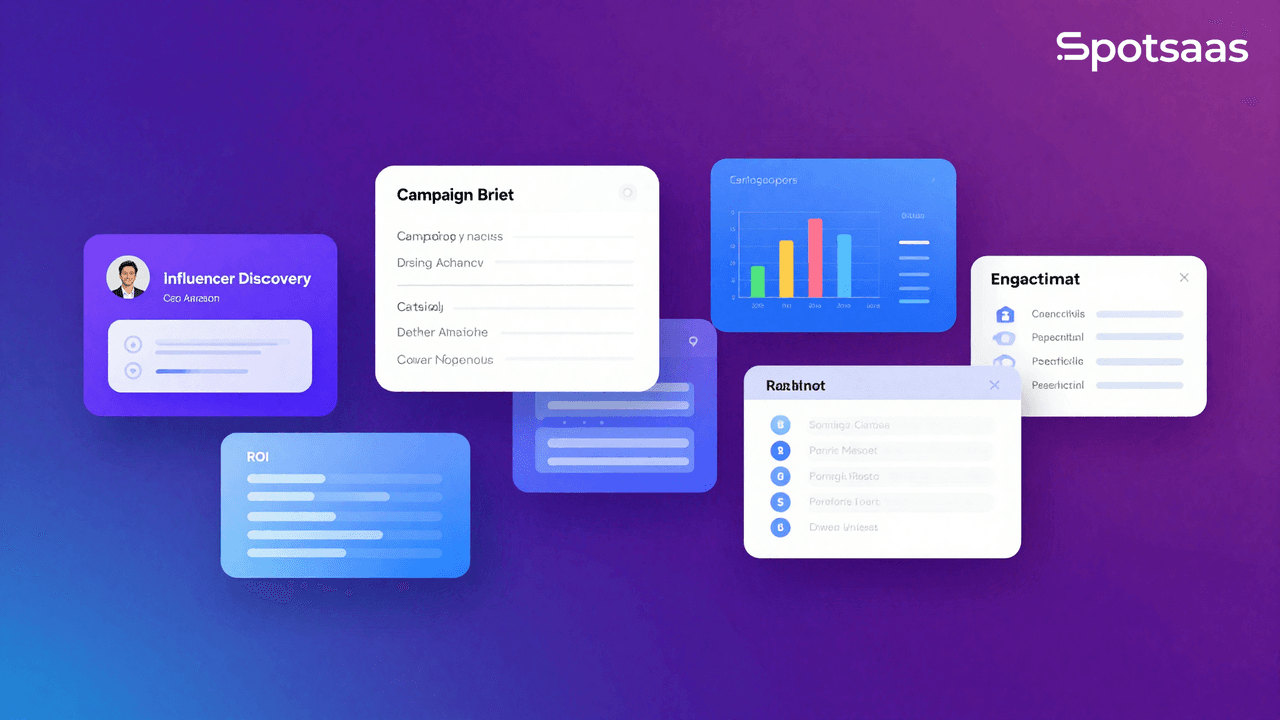
What Is an Influencer Marketing Platform and How Does It Work?
An influencer marketing platform is software that streamlines collaboration between brands and influencers. It helps manage the core pieces of a campaign: finding the right influencers, running the campaign itself, tracking performance, and enabling direct communication between the brand and the creators it works with.
These platforms matter because they help brands identify suitable influencers and build marketing strategies that actually align with business goals, instead of guessing at who might be a good fit.
Why Should Brands Use Influencer Marketing Platforms?
Social media has given content creators real influence over purchase decisions, and brands that build the right relationships with them can reach their target audiences more sustainably than through traditional advertising alone. Platforms built for this purpose enable brands to do the following:
Reducing Time Spent on Influencer Outreach and Selection
Automating influencer discovery and outreach cuts down on the manual research and vetting that used to eat up a campaign manager’s week, letting brands select influencers from large databases in a fraction of the time. With less time spent on administrative legwork, the person running the campaign has more room to focus on creative strategy.
Providing Performance and Audience Data Insights
Beyond communication, influencer marketing platforms give brands data on an influencer’s past performance, audience demographics, and engagement trends.
That data lets brands decide precisely who to target, which in turn improves campaign outcomes instead of leaving the choice to guesswork.
Improving Campaign Outcomes Through Performance Optimization
With tools that measure and monitor return on investment, platforms help brands see which parts of a campaign worked and which didn’t, so they can make the necessary adjustments mid-campaign rather than only after the fact.
Metrics like reach, promotion activity, and engagement show brands exactly where to refine their campaigns for better results next time.
Enhancing Communication Between Brands and Influencers
Built-in communication tools make influencer interactions smoother, which helps turn one-off collaborations into long-term partnerships. Shared task lists, centralized checklists, and in-platform messaging keep everyone on schedule, so campaigns get implemented correctly and on time.
What Are the Main Benefits of Using Influencer Marketing Platforms?
Simplifying Influencer Discovery and Selection
Advanced platforms, with large databases and detailed filters, make influencer discovery far easier than manual searching.
Instead of manually checking potential candidates one by one, brands can quickly reach influencers aligned with their target audience, cutting down selection time and increasing the odds of a good fit with marketing goals.
Enhancing Campaign Management and Efficiency
Brands that use influencer marketing platforms can manage campaigns more efficiently because planning, outreach, and tracking are automated instead of handled manually.
This frees the team to focus on developing and executing creative ideas and content, while the platform handles the logistics of keeping the project organized, resulting in higher overall productivity.
Supporting Data-Driven Strategy Development
With access to in-depth analytics, brands can assess influencer performance, audience makeup, and campaign ROI. That visibility supports smarter decisions, letting marketers refine their strategies and put resources where they’ll have the most effect.
Promoting Transparent and Collaborative Workflows
Built-in communication tools and shareable dashboards make collaboration between brand and influencer far more transparent than back-and-forth email threads.
These features help both sides manage expectations, align on goals, and build long-term partnerships, which in turn keeps campaigns on track and helps them actually hit their objectives.
Ensuring Authentic Engagement and Preventing Fraud
Built-in fraud and manipulation detection helps brands avoid partnering with influencers who rely on fake followers or manipulated engagement metrics. That keeps relationships genuine and makes campaigns land more naturally with real audiences.
Offering Flexibility for Brands of All Sizes
Whatever your brand’s size, these platforms flex to fit whether you’re running a single campaign or several at once with different influencers. They support a range of campaign sizes and budgets, making them workable for startups, SMEs, and large enterprises alike.
What Are the Key Features of Influencer Marketing Platforms?
Influencer Search and Filtering Capabilities
Brands can search comprehensive databases to find influencers active on major social networks like Instagram, TikTok, and YouTube.
Detailed filters break the data down by geo-location, niche, audience engagement rate, and demographics, so brands can zero in on the creators most relevant to them.
Campaign Planning and Management Tools
Brands can use built-in tools to plan, launch, and manage influencer campaigns end to end.
Task assignments, progress tracking, and centralized dashboards make collaboration easier, since everyone can see the whole campaign at a glance and know it’s staying organized and on track.
Built-In Analytics and Reporting Features
Reports covering metrics like exposure, interaction, conversion rates, and return on investment let brands analyze how a campaign is actually performing.
Audience insights turn into data-driven recommendations, so companies can adjust campaign strategy and focus their effort where it’s paying off.
Integrated Contract and Payment Management
Ready-made templates make it easier to manage agreements, payment schedules, and compliance. Using these tools matters because it protects both brands and influencers from legal and logistical disputes down the line.
Social Media Platform Integration
Through API integration with each social platform, these tools let brands publish posts and pull real-time performance data without switching between separate systems. That direct integration is a big part of why operations run more efficiently.
Automated Influencer Fraud Detection
Algorithms scan for fake followers, bots, and artificially inflated engagement, helping guarantee that partnerships are genuine and actually add value. That gives brands confidence they aren’t paying influencers who can’t deliver a real audience.
What Types of Influencer Marketing Platforms Are Available?
Platforms Specializing in Influencer Discovery
Brands can establish direct communication with suitable influencers through these platforms. They tend to have large databases and filters built around traits like audience demographics, dwell time, and niche.
That lets brands quickly and effectively find creators who match their campaign goals, saving the time and resources that manual selection would otherwise take.
Solutions Designed for Campaign Management
These platforms focus on making the entire campaign process as easy as possible, giving brands the tools to plan, execute, and track influencer campaigns from one place.
Core functions include task assignments, content approval workflows, performance monitoring, and running multiple campaigns at once, all while keeping execution consistent and professional.
Platforms for Influencer Relationship Management (IRM)
IRM platforms focus specifically on building and maintaining long-term ties with influencers. They let brands track a creator’s performance history, organize partnerships, and identify which relationships are worth expanding into repeat campaigns.
Used well, relationship management helps brands earn creator loyalty and build more authentic, lasting alliances instead of one-off transactions.
Comprehensive All-in-One Platform Solutions
All-in-one platforms combine the strengths of the other categories, bundling influencer collaboration, campaign management, analytics, and reporting into a single system.
They give brands one solution for everything tied to their influencer marketing program, which is especially useful for businesses running complex, large-scale influencer strategies.
How Do You Choose the Best Influencer Marketing Platform?
Choosing the right influencer marketing platform is a strategic decision that can significantly affect a campaign’s success. Companies typically follow a structured framework to make sure they pick a platform that aligns with their goals, audience, and operational needs.
What Goals Should You Set Before Choosing a Platform?
Defining Campaign Objectives
→Are you aiming to build brand awareness, increase sales, or generate user-generated content?
→Clearly defined goals guide which platform features actually matter for your campaign.
KPIs to Track with Influencer Platforms
Examples: Engagement rates, impressions, follower growth, click-through rates (CTR), or ROI.
Platforms with strong built-in analytics make it easier to track these metrics accurately.
Why Audience Understanding Matters When Choosing a Platform
Important Audience Data to Evaluate
Evaluate the age, gender, location, and interests of your target audience, then choose platforms that let you search for influencers based on those same criteria.
Evaluation of a Platform’s Influencer Network
Make sure the platform’s influencer database has creators active in your niche or industry, and confirm it covers the social channels that matter to you, such as Instagram, TikTok, YouTube, or LinkedIn.
Capabilities That an Influencer Platform Should Offer
Discovery and Search Functionality
→ Advanced filters for niche, location, language, follower count, engagement rates, or content type
→ Access to verified profiles to confirm influencer authenticity and screen out fraud
Essential Campaign Management Tools
→ Workflow automation for tasks like influencer outreach, negotiation, and content approval
→ Tools for managing deliverables, timelines, and influencer payments within the platform
Useful Analytics and Reporting Features
→ Real-time data on impressions, reach, engagement, and conversions
→ Side-by-side comparisons of influencer performance to identify your top creators
→ Integration with Google Analytics or e-commerce platforms to measure ROI accurately
Content Collaboration Support Tools
→ Built-in content approval workflows that simplify back-and-forth between brand and influencer
→ Tools to track content drafts, approvals, and publishing schedules so nothing slips past deadline
Tool Integration Compatibility
→ Compatibility with CRMs (like HubSpot), email marketing tools, and social media management platforms
→ Integration with payment systems for straightforward financial management
Pricing Options for Influencer Platforms
When to Use a Subscription Plan
→ Flat-rate pricing that includes a set number of features and campaigns
→ Suitable for brands running influencer campaigns on an ongoing basis
When a Pay-as-You-Go Model Fits Best
→ Charges based on campaign size, influencer reach, or number of collaborations
→ A better fit for brands running only occasional campaigns
When Enterprise Pricing is the Right Choice
Custom pricing built around specific needs, such as advanced analytics, API integrations, or multiple user accounts.
Scalability of the Platform for Expanding Campaigns
Support for Multi-Channel Campaigns
Make sure the platform supports the social platforms you actually use, such as Instagram, TikTok, YouTube, and Twitter.
Capability for Large Team Collaboration
→ Look for multi-user accounts
→ Role-based access control for teams managing large-scale campaigns
Advanced Features for Scaled Campaign Management
→ Predictive analytics
→ Audience insights
→ Campaign automation to manage scaling campaigns efficiently
Platform Support and Training Resources
Reliable Support Services Offered
→ Look for 24/7 customer support via chat, email, or phone
→ Dedicated account managers can be worth it for enterprise users needing personalized assistance
Onboarding and Training Experience
Platforms that offer detailed training sessions, help centers, and tutorials help teams get up and running quickly.
Learning from Case Studies and Testimonials
Insights from Platform Success Stories
→ Look at case studies from companies in your industry
→ Look for examples that show real ROI, time savings, or specific campaign outcomes
Value of Review Platforms Like Spotsaas or G2
Platforms like Spotsaas, G2, Capterra, or Trustpilot give you unbiased user reviews worth reading before you commit to a platform.
Running a Pilot Before Committing to a Platform
Evaluating Platform User Experience
Evaluate the interface, features, and overall functionality during a trial period before rolling it out to your full team.
Testing Campaign Success Capabilities
Test the platform’s ability to find the right influencers, manage workflows, and report on campaign performance before you commit to it long term.
Compliance Features in Influencer Marketing Platforms
Handling of Data Security and Privacy
Make sure the platform complies with GDPR, CCPA, and other applicable local data protection laws.
Legal and Contract Management Tools
Verify that the platform provides templates or support for influencer contracts, and that it processes payments securely.
Top Influencer Marketing Tools
The table below compares top influencer marketing platforms by their main features, prices, use cases, and prominent customers, so you can see at a glance which platform fits your needs, whether you’re focused on discovery, campaign management, or performance tracking.
Use it to check which solution lines up best with your objectives and budget.
| Platform Name | Key Features | Pricing | Best For | Customers |
|---|---|---|---|---|
| Upfluence | Advanced influencer search, campaign tracking | Starts at $795/month | Brands with extensive campaigns | Spotify, Microsoft |
| GRIN | End-to-end influencer relationship management | Custom pricing | E-commerce and DTC brands | Allbirds, MVMT |
| AspireIQ | Creative campaign management, community building | Starts at $500/month | Niche and community-driven brands | Ruggable, Tatcha |
| Influencity | Real-time analytics, performance tracking | Starts at $49/month | Budget-conscious brands | SMEs and startups |
| HypeAuditor | Fraud detection, audience analysis | Starts at $299/month | Brands focusing on authentic reach | Dior, L’Oreal |
What Are the Latest Trends in Influencer Marketing Platforms?
Influencer marketing platforms are evolving quickly, driven by new technology and shifting consumer behavior. Here are the key trends shaping where influencer marketing software is headed.
Increasing Focus on Authenticity and Niche Engagement
More brands are working with nano- and micro-influencers, whose audiences are smaller but often more engaged than a mega-influencer’s. These creators tend to build more authentic relationships with their audiences, which shows up directly in campaign results.
AI-Powered Automation in Influencer Marketing
AI is increasingly handling routine influencer marketing tasks, from identifying the right influencers to managing campaigns. That automation makes the process more efficient and allows for more precise targeting than manual selection ever could.
Rise of Virtual Influencers in Digital Campaigns
Computer-generated virtual influencers are gaining traction, giving brands a way to promote products in a fully controlled, risk-free manner. Their growing popularity reflects a broader shift toward more experimental digital marketing.
Use of Advanced Analytics for Smarter Measurement
More data analytics companies are building tools that go beyond basic metrics, helping brands understand detailed engagement patterns and measure ROI more accurately than surface-level numbers allow.
That visibility makes it possible to trace the actual effect of influencer marketing spend, from consumer interaction all the way through to sales.
Growth in Platform Consolidation and Acquisitions
Big marketing companies are investing heavily in influencer marketing platforms so they can offer complete services that combine influencer content with traditional advertising. Publicis Groupe’s roughly $500 million purchase of Influential is a clear example of this trend.
Impact of Short-Form Video on Campaign Strategy
The rise of platforms like TikTok has made short-form video the format of choice, pushing brands to use it to reach audiences in a way that feels quick and entertaining rather than like an ad.
Conclusion: What Makes the Right Influencer Marketing Platform?
The right influencer marketing platform connects brands with the influencers best suited to reach their audience. These tools lean on data for fraud detection, campaign management, and performance tracking, which makes them useful for small teams and large marketing departments alike.
Small businesses get faster, more streamlined execution out of these platforms, while larger companies gain precise control over more complex campaigns. With AI and short-form video reshaping the space, picking a platform aligned with your specific goals matters more than ever for getting ROI-driven results.
Prioritize platforms that simplify influencer management, campaign execution, and tracking. They should enable authentic collaborations, build audience trust, and support sustainable growth. Choosing well keeps your marketing agile, effective, and ready for what comes next.

- Independent picks for exactly what you just read about
- Matched to your team size & needs
- Vendors don't pay for placement
Step 1 of 4
How big is your team?
We tailor recommendations to companies your size.















Related Articles
Buyers guide
Twilio Alternatives 2026: 6 Compared and What They Cost
Continue reading →
Buyers guide
How To Choose The Best Auto Dialer Software For 2026
Continue reading →
Buyers guide
How To Choose The Best Freelance Platforms For 2026
Continue reading →
Buyers guide
How To Choose The Best Audience Response Software For 2026
Continue reading →