

Data is only useful when it reaches the place where people can analyze it. For a business to make good use of its data, that data has to move efficiently, and moving it from scattered sources into one central system is hard to do by hand. ETL platforms are built to handle that job through automation, taking most of the manual work out of a task that would otherwise slow teams down.
This article explains how these systems work and looks closely at Fivetran, one of the more capable tools in the category and a strong option for data integration. We cover what it does, the benefits it brings, and how it affects day-to-day business operations, so you can judge whether it fits the way your team works with data.
Read on to see where an ETL platform fits into your data management approach and what it can change about the way you handle your information.
Key Takeaways
- Fivetran is a widely used ETL platform for automated data movement, with over 400 pre-built connectors that make integration straightforward.
- It supports real-time replication and change data capture, so businesses that depend on current analytical data stay up to date.
- With automatic schema drift handling and log-based change data capture, Fivetran cuts down the manual work in the ETL process.
- Companies like MVF, Strava, and Square have used Fivetran to raise income, gain customer insights, and free up engineering resources respectively.
- Compared with other ETL platforms such as Talend, Pentaho, and AWS Glue, Fivetran is easier to use and comes with strong automation features.
Understanding ETL Platforms
ETL platforms handle the extraction, transformation, and loading of data that business processes and analysis depend on. This section explains what ETL means and why it matters for automated data movement.
The concept of ETL (Extraction, Transformation, Load)
ETL stands for Extraction, Transformation, Load, and it sits at the core of data warehousing and analytics. It works in three steps. First, ETL tools pull raw data from many sources — databases, CRM systems, marketing platforms, and whatever else a business runs.
The extraction step collects all of this scattered information in one place.
Transformation comes next. Here the process cleans the data, reformats it, and applies business rules so that everything is consistent and accurate. It turns messy input into something an analyst can trust.
Loading is the final step: the clean data is written into a warehouse or database so it is ready to query later. From there, analytics tools read it and help teams make decisions based on data that has already been processed and stored.
Because Fivetran runs all three of these steps automatically and ships with over 400 pre-built connectors, it lifts the extraction, transformation, and loading work off your team’s shoulders. That means people spend their time on insight-driven strategy and analysis instead of wiring up complex technical setups.
The role of ETL in data movement
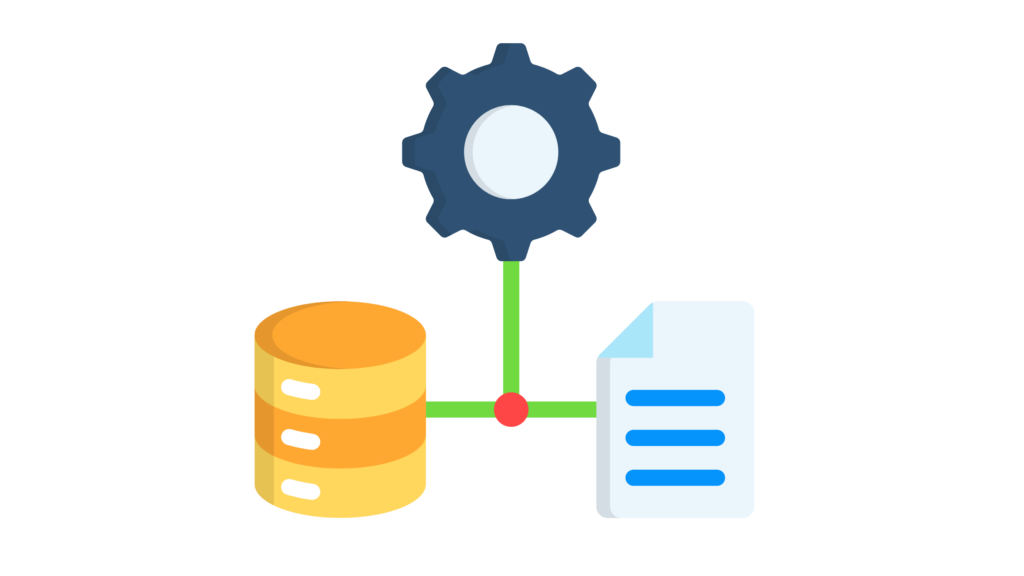
ETL keeps data moving reliably. It pulls information from many sources, converts it into a usable format, and loads it into the target systems where analysis happens.
The process connects data formats and storage systems that would otherwise not talk to each other, so a business ends up with data that is consistent, reachable, and clean. Fivetran adds to this with data pipelines that support real-time replication and change data capture.
A dependable ETL tool like Fivetran speeds up decisions because teams can readily analyze current, up-to-date information instead of waiting for a batch job to finish. As we look more closely at what Fivetran offers, it is worth noting how its particular features stand out against other ETL platforms on these core parts of data integration.
Introduction to Fivetran: Automated Data Movement Platform
Fivetran is a widely used ETL platform that automates data movement for businesses of any size. Its feature set and usage-based pricing make it a practical option for data integration.
Fivetran’s unique features
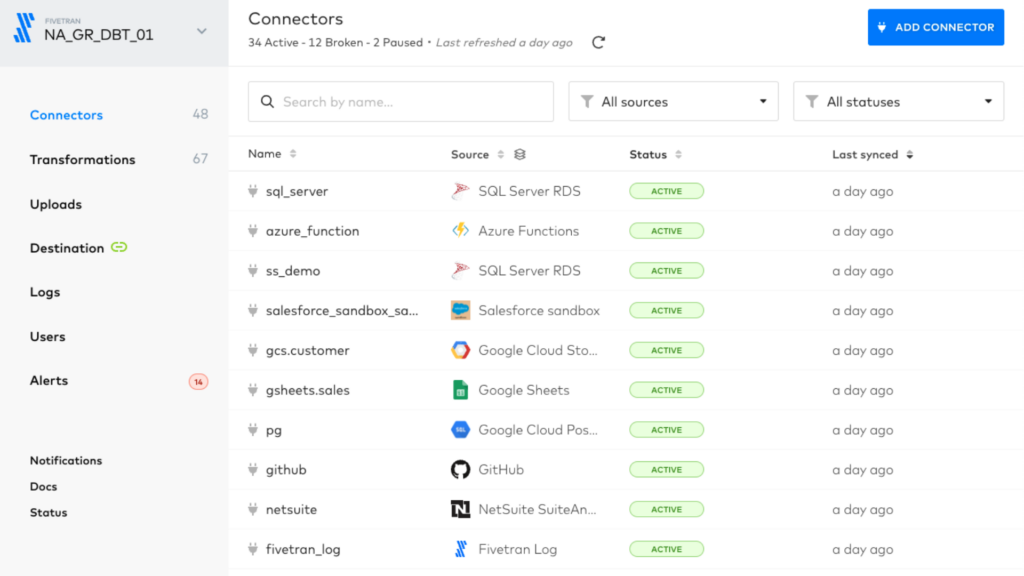
Fivetran’s strongest asset is its library of over 400 pre-built source connectors, which handle data integration without requiring any code.
With those connectors in place, pulling large amounts of data from different systems takes little effort. Its schema drift handling means that when databases change over time, Fivetran adjusts on its own and keeps data flowing without breaking.
Using both log-based and log-free change data capture (CDC), Fivetran runs real-time replication that holds up under heavy workloads. That matters for organizations that need current analytics and reporting.
Deployment is flexible too, and this is another point that sets Fivetran apart. You can run it as a fully managed service if you want the vendor to handle everything, or choose self-hosted deployment when you need tighter control over security. Either way, the setup can be tailored to match what your company requires.
The platform also lets teams run custom SQL queries and apply dbt (data build tool) transformations directly inside their pipelines, which gives them more control over how data is shaped.
How Fivetran stands out among ETL platforms
What sets Fivetran apart is its collection of over 400 pre-built, no-code source connectors. That library connects to a wide range of data sources and takes much of the work out of data migration.
Its high-speed database replication also handles large workloads well, delivering real-time database replication for operations that cannot afford stale data.
Fivetran gives you flexible deployment options — fully managed, hybrid, or self-hosted. It was named a Challenger in the 2023 Gartner® Magic Quadrant™ for Data Integration, which reflects its standing in the market.
Detailed Review of Fivetran
Fivetran pulls relevant, reliable data into the system with little setup. Its cleaning tools handle messy or unstructured input, and its transformation and synchronization features make sure the right data is ready when it is needed for analysis and decisions.
Data Extraction capabilities
Fivetran covers a broad set of data extraction capabilities through its 400-plus pre-built, no-code source connectors. That range lets it connect to many source systems and run ETL extraction efficiently.
It also supports real-time database replication for large workloads and offers both log-based and log-free change data capture. These options keep data moving cleanly across platforms and make the extraction step faster.
The broad connector set shows how well Fivetran simplifies pulling data from different sources. On top of that, real-time database replication points to Fivetran’s strength in handling large workloads effectively while supporting more than one change data capture method at the same time.
Data Cleaning Process
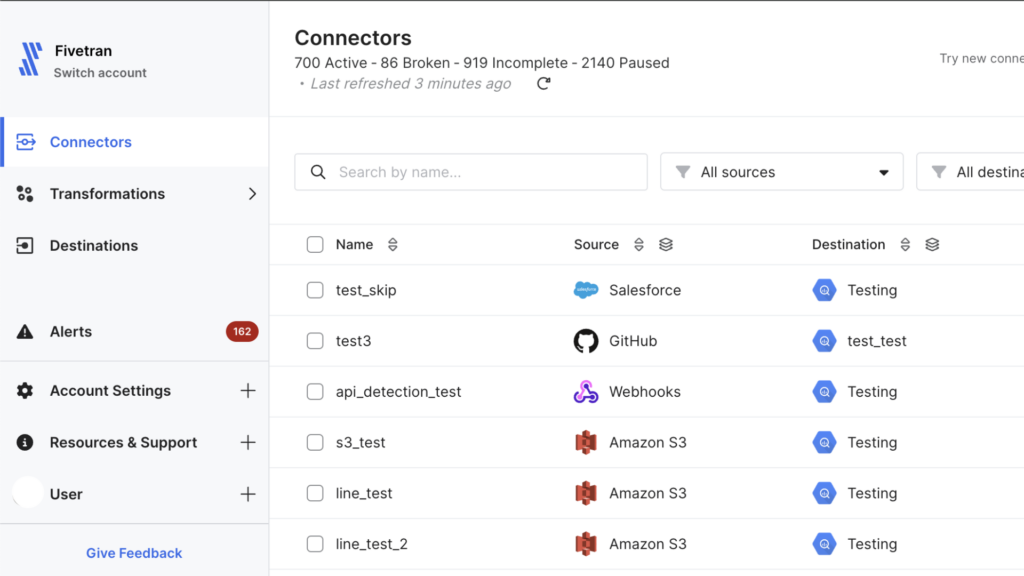
Once data is extracted, the next step in ETL is data cleaning. Fivetran does this automatically, with schema management and centralized data integration that keep infrastructure tidy.
Through real-time replication and self-service analytics — including data preprocessing and analytics tooling — Fivetran delivers accurate, high-quality data ready for the next stage.
Its automatic schema drift handling speeds up cleaning by spotting and managing changes in the structure of incoming data. That lets it combine data from separate sources and keep the information consistent across databases.
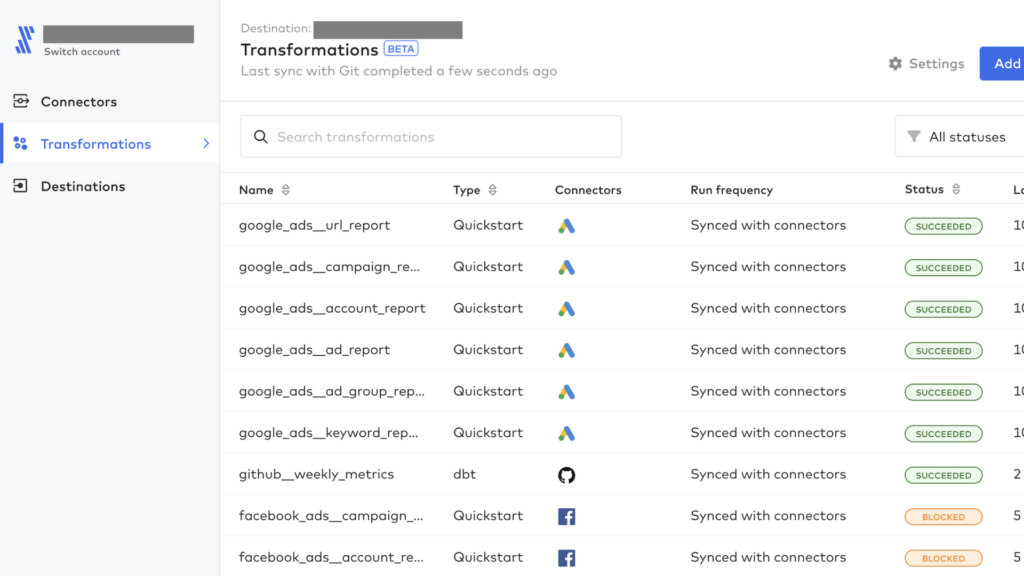
Transformation and Data Sync in Fivetran
After the data is clean, Fivetran transforms and synchronizes it with little effort. Its automation moves and reshapes data across platforms without anyone stepping in by hand.
Its support for real-time replication pushes updates through quickly, so the most current data is always on hand for advanced analytics and decision-making. Fivetran also simplifies data governance by keeping management centralized in one place, which helps teams work together efficiently while relying on accurate, actionable information they can trust.
Exploring Fivetran Data Connectors
Fivetran provides connectors for both pushing and pulling data, plus transformation and scheduling controls. Together they let it connect to many data sources, which makes it a capable tool for automated data movement and analysis.
Pushing and Pulling Data Connectors
Fivetran’s connectors move data from a wide range of sources. They support both pushing and pulling data, handle real-time updates, and keep data logic and dashboards running on current information.
With nearly a hundred different data sources reachable through Fivetran’s push and pull connectors, organizations can pull together broad data integration on a platform built for synchronization, extraction, and transformation.
Push connectors such as Webhooks and Snowplow send data in real time, which keeps a business current with its information. Teams can then build dynamic data logic and put together dashboards that show the latest numbers.
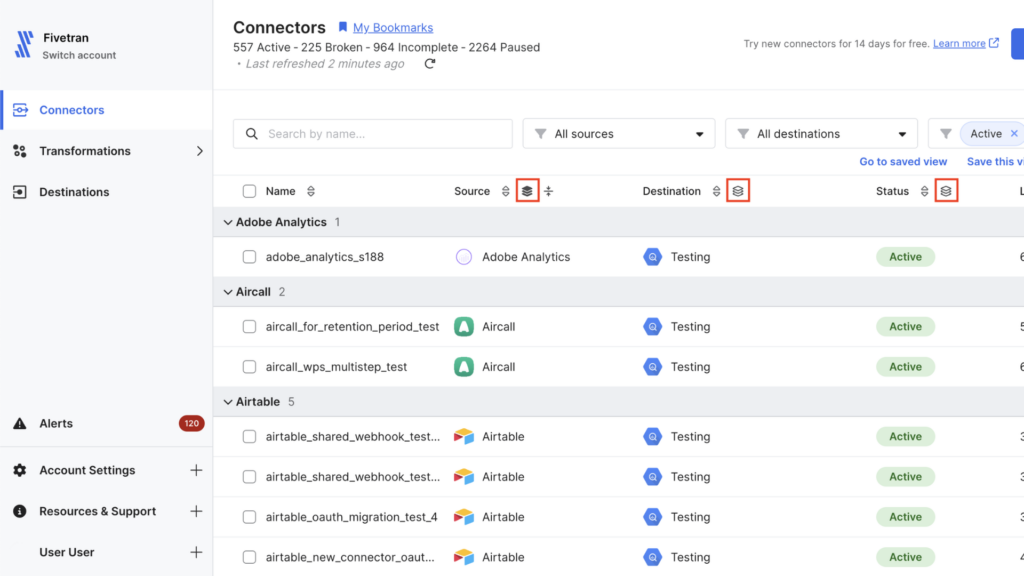
Fivetran Transformations and Data Scheduling
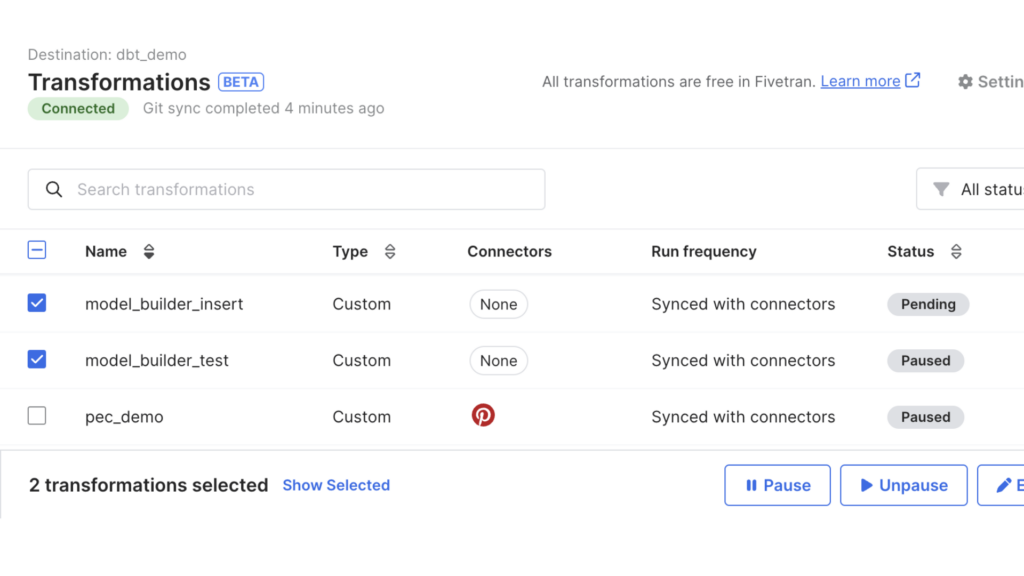
Fivetran supports custom data transformations, letting teams apply the SQL and dbt transformations their business needs. Scheduling is simple: you set sync intervals, or trigger an update whenever new data lands in the source database.
A connection to the source database supports the first full load and then incremental updates for new or changed records. This keeps the transformation step lean and gives a business current data without manual work.
Fivetran: Case Studies
Here are three real examples of Fivetran at work: how MVF raised its monthly income, how Strava learned more about its customers, and how Square freed up its engineering resources.
Each case gives concrete evidence of what automating data movement did for a specific business and how it contributed to that company’s success.
MVF’s increased monthly income
Fivetran helped MVF raise its monthly income by £400,000. By putting Fivetran to work, MVF grew its revenue by a meaningful margin.
That lift came alongside lower operational costs, which improved profitability as well as top-line income and gave the business a healthier bottom line overall.
Fivetran also cut MVF’s maintenance costs, giving the team a leaner, cheaper way to run its data operation. Taken together, these results show the effect Fivetran can have on monthly earnings and overall performance for a company like MVF.
Strava’s customer insights
With Fivetran, Strava automated its data movement and learned more about its customers. That work improved operational efficiency and saved the company $120,000.
Fivetran’s data integration let Strava produce customer analytics it could act on, giving the team a clearer read on how users behave and what they prefer.
By using Fivetran’s data management features to extract, transform, and load data cleanly, Strava was able to improve its decision-making and act on current, real-time customer information rather than out-of-date reports.
Square’s optimized engineering resources
Square used Fivetran for data integration and freed up its engineering resources in the process. That let the company put development effort toward new work instead of the time-consuming job of maintaining data pipelines.
Because Fivetran scales with demand, Square could push harder on its product development initiatives while keeping its operations running smoothly and its data pipelines dependable.
With a dependable platform handling data movement for them, Square’s engineering team could give more of their attention to driving innovation inside the company and less to the upkeep of data pipelines.
Comparing Fivetran with Alternatives
Among ETL platforms, Fivetran is known for being easy to use and quick to connect, which makes it a common pick for businesses. The sections below compare it with three alternatives.
Fivetran vs. Talend
Fivetran and Talend are both well known in automated data integration. Fivetran takes a direct, modern approach to extract, transform, and load (ETL).
Talend, by contrast, ships a full suite of ETL tools for extraction and transformation, with a focus on flexibility and customization. Fivetran’s automatic schema drift handling is one clear edge over Talend, since it copes with changes to source database structures on its own.
Fivetran also keeps complex transformations simple through its pre-built connectors, so less setup is required to get running. Talend, meanwhile, is built for detailed, heavy data processing and gives teams room to shape intricate workflows.
Fivetran vs. Pentaho
Comparing Fivetran with Pentaho comes down partly to setup and ease of use. Fivetran offers a fully managed option that connects quickly, whereas Pentaho asks for more manual configuration and upkeep.
Fivetran’s edge is its real-time data movement and automated updates, which cut down on hands-on work compared with Pentaho.
That simpler approach leaves users free to focus on pulling valuable insights from their data rather than babysitting the day-to-day intricacies of the ETL process.
Fivetran also brings extraction, loading, and transformation together on one platform. Pentaho may need extra modules or tooling to reach the same result.
Fivetran vs. AWS Glue
Fivetran and AWS Glue both cover data integration and ETL, but they differ in a few ways. Fivetran focuses on end-to-end automation, reliability, and scale, and keeps data moving efficiently and securely.
AWS Glue is a fully managed extract, transform, load (ETL) service that helps customers prepare and load data for analytics. It runs ETL jobs in a serverless environment, so there is no infrastructure to manage.
That gives AWS Glue an advantage in flexibility and cost for teams that want a straightforward path to data transformation.
AWS Glue supplies connectors for many different systems along with strong security features that cater to a range of enterprise needs. Fivetran, for its part, takes the load off ELT processing by automating tasks that are otherwise complex, such as schema drift handling and transformations at scale.
Conclusion
Fivetran is a strong option for automated data movement. It connects to more than 400 pre-built connectors and puts reliability and scale first.
Users get real-time database replication and a range of deployment options to match their security needs. Having run high-speed database replication for thousands of customers, Fivetran has the track record to back up automating this work.
Want to see how ETL platforms pay off in practice and what the business advantages look like? The comparisons above weigh Fivetran against the main alternative solutions so you can decide which one suits your needs.
(Image Credit: Fivetran)
Frequently Asked Questions
What is an ETL platform for automating data movement?
An ETL platform is a software tool that helps extract, transform, and load (ETL) data from various sources into a target destination, such as a database or data warehouse.
How does Fivetran streamline the process of data movement?
Fivetran uses pre-built connectors and automated pipelines to integrate with different data sources, allowing for efficient and reliable data extraction and synchronization.
What types of businesses can benefit from using ETL platforms like Fivetran?
Businesses of all sizes and industries that rely on accurate, timely, and integrated data can benefit from using ETL platforms like Fivetran to automate their data movement processes.
Are there any potential challenges in implementing an ETL platform for automating data movement?
The functionality is powerful, but some challenges can come up: getting configuration settings right, managing large volumes of varied datasets efficiently, and putting strong security measures in place.
Can integrating an ETL platform improve overall business efficiency and decision-making processes?
Yes. By automating repetitive tasks and giving people timely access to current information across systems, businesses can run more efficiently and make better-informed decisions.

- Independent picks for exactly what you just read about
- Matched to your team size & needs
- Vendors don't pay for placement
Step 1 of 4
How big is your team?
We tailor recommendations to companies your size.















Related Articles
Best Tools
Best Order Management Software in 2026 (Including Small Business Picks)
Continue reading →
E-commerce Platforms
Brightpearl vs NetSuite (2026): Retail Order Management or Full ERP?
Continue reading →
E-commerce Platforms
What Is an Order Management System (OMS)? A 2026 Guide
Continue reading →
AI Software
AI in Retail (2026): 8 Use Cases, Tools and How to Start
Continue reading →