
Spotsaas Editorial
Understanding the Characteristics of Different Generations in the Workplace in 2026
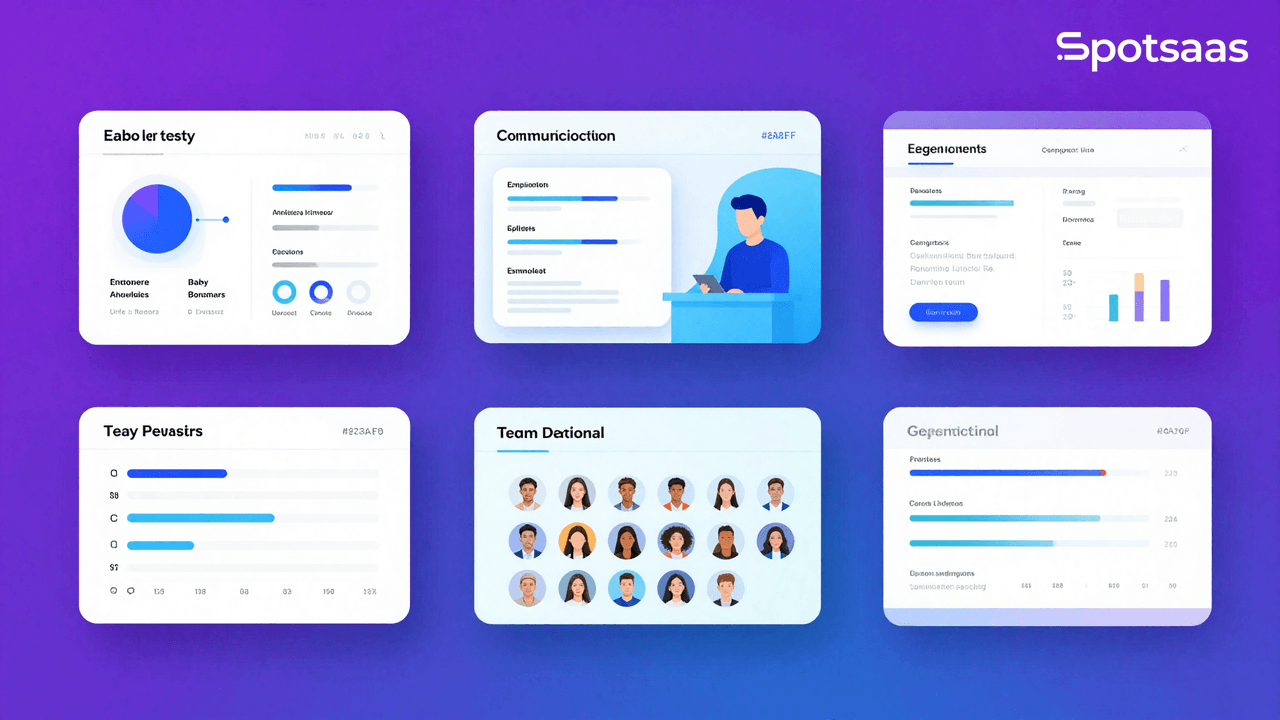
The workplace in 2024 holds five distinct generations working side by side, from Traditionalists born before 1945 to the digitally fluent Generation Z. Each group brings its own values and its own habits for getting work done and talking to colleagues.
Baby Boomers, for example, take pride in loyalty and a steady work ethic, having held an average of 12 jobs across their careers. Millennials tend to chase career growth and personal development instead, and they switch roles more often to get there.
Communication habits split along similar lines. Gen X might send you an email to sort something out, while Gen Z reaches for an instant-messaging app to say the same thing in a fraction of the words.
Reading these generational traits is more than a curiosity for managers. Companies that recognize different communication styles and different levels of comfort with technology can build strategies that close gaps and hold teams together.
Many are also designing benefit packages with perks like remote-work options and wellness programs that appeal across age groups, since flexibility and health support are things most people want regardless of when they were born.
Key Takeaways
- The 2024 workforce spans Traditionalists born before 1945 through Generation Z, and each group carries its own strengths, from respect for authority to digital fluency.
- Communication preferences shift with age. Baby Boomers lean toward direct conversation, while Millennials and Gen Z pick digital tools like email and instant messaging for quick exchanges.
- Mentorship connects the generations, pairing experienced professionals with younger colleagues to trade knowledge and keep learning going, which matters in the tech industry.
- Leaders have to adjust their approach to fit each generation, from varying their management style to offering benefits that work for every age.
- The future of work leans on collaboration across generations toward shared goals, using their combined insight for better ideas and results.
The Five Generations of the Workforce in 2024

The 2024 workplace mixes long experience with new thinking, as five generations work in the same offices and on the same teams. That mix pairs older, proven methods with fresh viewpoints, which helps a business keep up as the market changes.
Traditionalists (Silent Generation)
Members of the Silent Generation bring a strong sense of discipline and respect for authority to a mixed workplace. Born between 1928 and 1945, these traditionalists value loyalty to their employers and put stability ahead of change.
They do their best work where job expectations are clear and hours are fixed, which gives them the structured routine they prefer.
These experienced workers set an example with their steady work ethic and their commitment to traditional standards. They may not push for rapid change the way younger colleagues do, but their preference for a stable, structured setting gives a team a firm base to build on when combining proven methods with newer ones.
Their loyalty to the company usually shows up as careful attention to quality and detail in the work they take on, and in a willingness to see a task through properly rather than rush it.
Baby Boomers
Baby Boomers have shaped the current workforce with a strong work ethic and clear leadership preferences. They bring years of experience to a team, having held an average of 12 jobs over their working lives.
This generation values dedication and treats a long career as both an accomplishment and proof of commitment. With most Baby Boomers now at or nearing retirement age, many hold senior positions where their knowledge is a real asset for mentoring others.
Baby Boomers are comfortable with technology, but they favor direct methods like face-to-face or phone conversation over text-based tools. Their liking for authoritative leadership shows in how they run teams, where they expect respect for hierarchy and a clear chain of command.
Used well, these traits let organizations draw on Baby Boomers’ depth of experience and dependable approach to responsibility.
Generation X
Generation X professionals stand out for wanting independence and a work culture that respects diversity. Born between 1965 and 1980, they bring a mix of experience and adaptability to the job.
They are known for a solid work ethic and for being highly self-sufficient, which sets them apart across the workforce.
Members of Generation X have lived through major technological change over their careers, from the arrival of personal computing to today’s digital workplaces. That comfort with technology, paired with deep professional experience, makes them valuable in any tech-heavy setting.
These seasoned workers often excel at problem-solving, and they are well placed to mentor younger colleagues while adding to workplace innovation.
Millennials (Generation Y)
After Generation X come the Millennials, also known as Generation Y, who add a different dynamic to the 2024 workforce. This generation has reset expectations around work-life integration, valuing flexibility and putting real weight on keeping a balance between their jobs and their personal lives.
Those priorities often push them toward roles that allow movement, so they can shift jobs or industries without giving up their well-being.
Millennials are skilled with digital tools and prefer quick communication through email, texts, or instant messaging over older methods. They grew up during a stretch of fast technological progress, which makes them handy with digital platforms for working together.
Those skills help communication flow between generations at work, lifting team productivity while supporting a respectful culture across a range of ages.
Generation Z
Generation Z is reshaping the workplace with a viewpoint formed by growing up during fast technological change. This generation makes up a large share of the population and brings a wide range of perspectives into professional settings.
Their ease with digital tools and platforms sets them apart. They often prefer texting, social media, and instant messaging over traditional face-to-face contact.
New tools come naturally to them, which helps them handle economic pressures in resourceful ways.
This tech-fluent group picks up new software and devices quickly, showing a flexibility that mixed teams can put to use. They are not only aiming to climb the corporate ladder; they look for meaningful work and social impact too.
That outlook makes Generation Z a driver of business practices that match current values and current technology. Looking next at work ethic and values across the generations gives a clearer sense of how these traits shape workplace dynamics.
Understanding Key Characteristics of Each Generation

Knowing the traits and tendencies that define each generation is the key to putting their combined strengths to work on a busy team. That means looking closely at Traditionalists’ perseverance, Baby Boomers’ resourcefulness, Generation X’s independence, Millennials’ inventiveness, and Generation Z’s digital fluency, and setting them up to work well together.
Work Ethic and Values
The generations bring different work ethics and values to a job, and each shapes company culture in its own way. Traditionalists often show a strong commitment to duty and loyalty, holding to firm standards of professionalism.
Baby Boomers tend to prize success and hard work, and they expect recognition for what they deliver. Generation X members value independence and work-life balance, and they look for efficient systems that support flexibility.
Millennials add a focus on purposeful work alongside mentorship that builds their skills and job satisfaction. They back innovation as their way of contributing to positive change at work.
Generation Z, meanwhile, puts transparency and social responsibility first, which drives honest and meaningful conversation between generations. Each group’s approach helps team collaboration when everyone lines up behind shared goals, even with their differences.
Leaders matter a great deal here, since they set the tone for inclusive teams where every voice can contribute. Encouraging learning across generations keeps a company adaptable as technology shifts, and investing in career-development programs supports growth at every level.
Communication Styles
From work ethic and values, the next piece is communication style, which carries real weight in a workplace shaped by technology. Baby Boomers often value face-to-face discussion or a phone call, showing a preference for more direct contact.
That contrasts with Millennials and Generation Z, who lean toward digital channels like email, texts, or instant messaging and favor speed and convenience over formality.
Differences in these preferences can shape how trust and collaboration form across ages at work. Older generations may look for formal protocols and personal contact, while younger ones gravitate toward fast digital exchanges and informal conversation.
Spotting these tendencies lets a team adjust its approach and improve communication between generations. Offering targeted communication training is a smart investment that closes gaps and draws on the strengths each generation brings.
Adaptation to Technology
Comfort with technology varies widely across the generations at work. Millennials and Generation Z grew up with technology all around them and usually take to new tools with real ease.
They pick up digital communication tools quickly and often prefer texting or messaging apps to get work done. Baby Boomers, by contrast, may be more hesitant or need a longer stretch to grow comfortable with fast technological change.
Leaders have to account for these differences and find ways to keep everyone engaged and productive. In a mixed workforce, good engagement means offering a range of communication options and training resources that fit each person’s comfort level.
Matching the tool to the person helps close the gap between a Traditionalist who wants a detailed instruction manual and a Gen Z worker who prefers an interactive online tutorial. With careful use of technology in daily practice, a company can get the most out of its multigenerational teams.
Bridging the Generational Gap
Building a setting that respects a range of viewpoints matters, and closing the generational gap gives a workplace a stronger, more connected dynamic. Drawing on every generation’s strengths lets an organization work through hard problems with better ideas, so no useful insight gets missed.
Promoting Inclusive Communication
Inclusive communication means actively involving every team member, whatever generation they belong to. In tech, where good ideas come from a range of thinking and experience, it is important to make sure all voices get heard.
Encourage staff to share what they know by setting up mentorship programs that pair younger workers with industry veterans. These relationships can start conversations that blend established knowledge with fresh views and break down barriers between age groups.
Use approaches like training sessions built around different learning preferences to fit the range of people on your team. Set up open channels so ideas and feedback can move freely.
Watch out for bias and value each generation for what it adds; that builds a culture rooted in respect and shared understanding. Aim for a setting where people feel confident speaking up, because a company that listens to all of its employees puts itself in a stronger spot for new ideas and progress.
Emphasizing Team Collaboration
Team collaboration is what moves good ideas forward in a workforce with a range of generations. Open communication and training for mixed teams build empathy at work, so every voice gets heard and respected regardless of age or background.
By putting the weight on working together, companies close generational gaps and build cohesive teams that are more inventive, quicker to respond, and more competitive.
A respectful workplace is not only about noticing differences; it is about using them for shared success. Give your teams the tools to communicate across generations, and they turn varied perspectives into a single plan for growth.
With every project handled together, the dynamics of a multigenerational team get stronger, and the group gets better at lining up on common goals.
Aligning on Common Goals
Building on team collaboration, agreeing on shared goals is a key step in closing generational gaps. It calls for clear objectives that make sense across age groups and put the workforce’s diversity to work toward one outcome.
Leaders need to run conversations where everyone adds a viewpoint, so each goal reflects a blend of insight from Traditionalists through Generation Z.
Through that alignment, people see their part in the bigger picture and how their work feeds into shared milestones. Setting these common targets drives productivity and also builds a sense of unity across the staff.
When people from every generation work toward the same aims, respect grows and inclusion takes hold, which leads to a workplace marked by empathy and understanding.
Leveraging the Strengths of a Multigenerational Workforce
Putting the distinct abilities and perspectives of each generation to work can turn a workplace into an active, inventive one. The sections below show how making room for generational diversity supports success and growth.
Creating Diverse Teams
Building strong, mixed teams taps into the creativity and new ideas that a multigenerational workforce offers. Companies that understand and value different generations can put together solid strategies for hard tech problems.
By combining Traditionalists’ seasoned judgment with Gen Z’s digital fluency, an organization gets a nimble team ready to take on new technology.
Encouraging mentorship across ages builds a culture where experience meets fresh thinking, which leads to unexpected solutions and more chances to learn. Teams that draw on generational diversity get a wider set of skills, viewpoints, and problem-solving tactics, all of which count in a competitive tech industry.
As these varied groups work together, they close gaps in knowledge and build bonds that turn individual strengths into shared strength.
Encouraging Mentorship Across Ages
Mentorship connects different generations at work, mixing knowledge with experience. Older employees pass along industry insight and proven methods, while younger staff add new ideas and fresh viewpoints.
That two-way exchange lifts productivity and also builds strong working relationships that reach across age groups and last beyond a single project.
Setting up mentorship programs between generations nudges employees out of their usual circles. These programs give age groups a clear way to connect, learn from one another’s strengths, and build mutual respect.
Shaping the office to support these exchanges can make for a more inclusive space where everyone feels valued and difference is welcomed. The next section looks at building a culture of continuous learning within that setting.
Fostering a Culture of Continuous Learning
Building a culture of continuous learning is essential for staying ahead in a fast-moving tech market. Companies have to invest in ongoing education and skill-building to keep their teams inventive and competitive.
That commitment to professional development can spark creativity, raise engagement, and produce forward-looking solutions. Training built for different generational needs makes sure every employee, whatever their age or experience, has a path to grow.
Getting employees to cross-train across generations builds a culture where sharing knowledge is normal. Traditionalists can offer wisdom from years of practice, while Gen Z brings fresh reads on technology trends.
Diversity training supports that exchange by lowering barriers and opening channels for people to work together. A setting that values lifelong learning helps everyone keep up with new technology, which makes the whole organization steadier and quicker to adapt when new challenges come.
The Role of Leadership in a Multigenerational Workplace
In today’s workplace, leadership is the thread that runs across generational divides and brings a range of experiences and viewpoints together. Capable leaders in 2024 understand their part in shaping a connected team where every voice is heard and every career path has room to grow.
Adapting Leadership Styles
Good leaders know that running a multigenerational team calls for flexibility in how they lead. They are quick to read the distinct values and working preferences of each generation and adjust their management style to fit.
That can mean varying how they communicate, from the face-to-face contact Baby Boomers appreciate to the instant digital connection Millennials and Gen Z favor.
Building training to raise technical skill matters for some employees and less so for those who grew up with technology already in hand. Mentorship programs also link the generations, letting people trade experience and skills in a way that strengthens teamwork across ages.
Leaders who want this kind of team have to earn trust through steady action and a real grasp of how the generations work together, so every member feels valued for what they bring.
Conflict Resolution Strategies
Leaders have a central part in handling conflict and keeping a setting where every generation can work well together. They build ways to manage disagreements by opening room for honest dialogue and showing empathy toward everyone involved.
That proactive approach means recognizing the distinct viewpoint each generation carries, building mutual respect, and inviting team members to speak their minds freely.
To settle tensions between generations, leaders have to steer collaboration that turns these different views into better solutions. They guide teams toward compromise without picking one generation’s approach over another’s.
By keeping the focus on shared goals, they keep progress moving while holding the team together. This kind of conflict resolution makes sure all voices are heard and valued, which keeps the workplace connected across age groups.
Customizing Benefits and Incentives
Strong leaders know the value of tailored benefits and incentive programs. A one-size-fits-all plan falls short in a multigenerational workplace where employees have different needs and goals.
Instead, a mix of flexible work options, competitive healthcare, career-development opportunities, wellness programs, and childcare help can land across generations.
That kind of customization attracts strong talent, and over time it also builds loyalty and steady job satisfaction among the people already on the team.
Putting together an appealing benefits package means listening to what employees want and understanding what each generation values. Baby Boomers may appreciate more traditional healthcare plans or retirement contributions, while Millennials might rank flextime higher for a better work-life balance.
Gen Z could be drawn to companies that offer upskilling through career-development programs. By matching incentives to employees’ life stages and values, leaders can lift engagement and productivity across a mixed workforce.
Preparing for the Future of Work
As employment keeps changing quickly, organizations need to see coming trends and adjust to stay steady and competitive.
Preparing for the future of work means building flexible structures that support ongoing skill development, look after employee well-being, and make room for modern, changeable work arrangements.
Embracing Flexibility and Hybrid Models
Workplaces are changing and taking up hybrid models that blend in-office and remote work. That shift accounts for the different preferences across generations, from Traditionalists to Generation Z.
Leaders like Miro Miroslavov back these adaptable setups, seeing that flexibility is becoming the new norm in employment. Hybrid models are not just a passing trend; they are a deliberate response to a mixed workforce that wants balance and choice in how it works.
Companies that put flexible work in place often end up ahead on new ideas and employee satisfaction. These setups play to individual strengths and let people manage their time well while staying productive.
Making room for a range of perspectives keeps an organization ready for what comes next, adjusting smoothly as expectations around work keep shifting.
Prioritizing Mental Health and Wellbeing
Building a workplace that supports mental wellness is no longer optional; it is central to the future of work. With 60% of job seekers ranking well-being at the top of their priorities, companies have to rethink how they hold on to talent.
That means writing stress management and work-life balance into company culture. Employers who offer real support systems raise employee satisfaction and also become more appealing to people looking for a job.
Recognizing the needs of employees with family responsibilities is another key part of putting health and well-being first. Since nearly half of all parents with young children have left jobs over inadequate childcare support, organizations should consider flexible hours or childcare benefits.
Steps like these show genuine concern for employees’ lives outside work and build loyalty and commitment. Going forward, this rounded approach will be important for readying workplaces for tomorrow’s challenges, and investing in career-development programs becomes part of raising a workforce equipped to meet them.
Investing in Career Development Programs
Investing in career-development programs is a smart way to prepare for the future of work, especially in technology, where tools and skills change fast.
These programs give employees what they need to do well and keep up in a shifting market. They can learn new technologies, sharpen the skills they have, and stay current with industry trends.
By offering these chances, companies show they are committed to their people’s growth over the long run, which can improve retention and keep hard-won knowledge inside the business.
Training built for the specific needs of a multigenerational workforce also acknowledges those differences. For traditionalists who value structure, clear paths for advancement within a program can be a real motivator.
For younger employees eager to move up, accelerated learning tracks may work better. Career-development programs support individual success and also strengthen a respectful workplace culture by showing that every generation’s ambitions count equally.
Forward-looking organizations recognize that spending on employee growth has a direct effect on loyalty and overall job satisfaction.
Backing this kind of steady personal and professional improvement sets the stage for a smoother move as organizations shift toward hybrid models and flexible work arrangements, which is the natural next focus after building a solid career-development base.
Conclusion
Making the most of a multigenerational workforce brings out potential that often goes unused and drives new ideas in a fast-changing work setting. Recognize the strengths each generation offers, from Traditionalists’ wisdom to Generation Z’s tech skill.
Leaders who adjust their approach to fit this range will build a lively workplace culture and lift the organization’s results. A collaborative future is ahead, where generational lines soften and lay the groundwork for new gains in productivity and growth.
Make room for flexibility as we look ahead and prepare for changing trends in employee engagement and workplace satisfaction.
In a tech-driven workplace, mixed teams have become a strong source of new ideas, lifting performance by as much as 30%. Leaders have to draw on the strengths of every generation to build a setting where Traditionalists, Baby Boomers, Generation X, Millennials, and Generation Z can all do well.
Think about how different communication styles, from Baby Boomers’ preference for direct conversation to Gen Z’s taste for quick digital exchanges, shape the way a team works.
To attract and keep skilled people across all generations in 2024, companies are building broad benefits shaped around what employees need. Flexible work arrangements stand out as a big part of job satisfaction, letting people balance personal life with work demands.
Employees now look past the paycheck; gym memberships and advanced career programs signal a commitment to their overall well-being. Keep in mind that childcare support stays critical, since nearly half of parents reported leaving jobs mainly over inadequate childcare options in the recent past.
To look at tools that fit the range of needs in a multigenerational workforce, see our detailed review of Zeffy’s latest pricing and features.
Frequently Asked Questions
1. What are the different generations in the workplace in 2024?
The different generations in the workplace in 2024 include Baby Boomers, Generation X, Millennials, and Generation Z.
2. Can different generations work well together?
Yes, different generations can work well together when there is mutual respect and effective communication.
3. Why is it important to understand generational characteristics at work?
Understanding generational characteristics helps improve teamwork and creates a more productive work environment.
4. Do all people in a generation have the same characteristics?
No, not all individuals fit their generation’s common traits, since everyone has their own experiences and perspectives.
5. How can workplaces cater to different generational needs?
Workplaces can meet a range of generational needs by offering diverse benefits, flexible schedules, and development opportunities that suit each group.

- Independent picks for exactly what you just read about
- Matched to your team size & needs
- Vendors don't pay for placement
Step 1 of 4
How big is your team?
We tailor recommendations to companies your size.


Related Articles
Employee Engagement
How to Improve Company Culture: Actionable Tips for a Stronger Workplace
Continue reading →
Best Tools
Best Employee Engagement Software in 2026: Top Platforms to Improve Culture and Retention
Continue reading →
Employee Engagement
Best Employee Engagement Software in 2026: How to Choose the Best Employee Engagement Tools
Continue reading →
Employee Engagement
PerkSpot Review 2026: Is It Really the Leading Employee Discount Platform?
Continue reading →