
Is your sales team struggling to reach its targets? On average, salespeople spend only 34% of their time actually selling. This post offers practical guidance on using account mapping to improve your sales efficiency.
Here is how to put it to work and open up new sources of revenue.
Key Takeaways
- Gauge the potential of your territory by analyzing market size, customer demographics, and buying patterns so you can prioritize your sales efforts.
- Sharpen sales planning by allocating resources based on account mapping, which improves forecasting accuracy and revenue.
- Map sales goals visually to align your team around a common target and track progress more clearly.
- Generate new leads by identifying target accounts, understanding their needs, and tailoring your approach to their specific requirements.
What is Account Mapping?
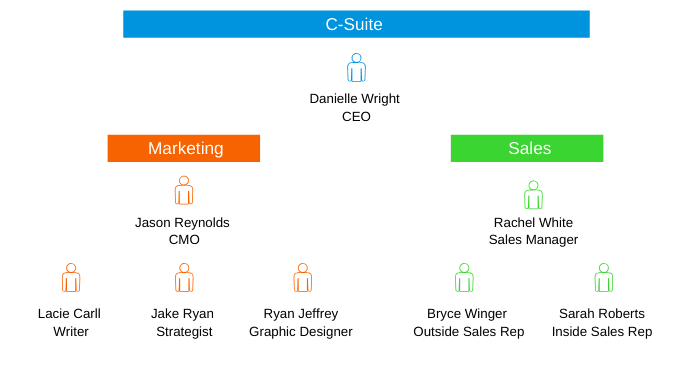
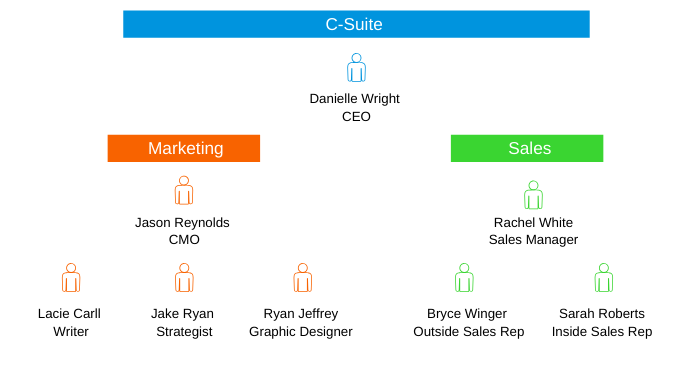
Account mapping is a strategic process of creating visual representations of customer accounts, their relationships, and potential sales opportunities.
Individual account mapping
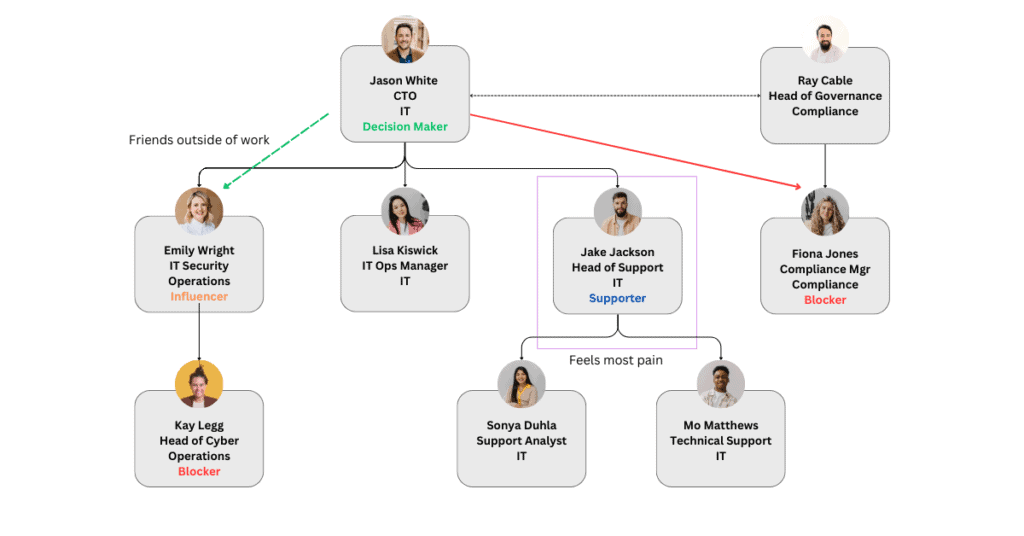
Individual account mapping is a precise method for getting the most out of each client. It means building a detailed profile for every customer or prospect so you can tailor your sales strategies and interactions.
The technique helps companies understand their clients more deeply, with insight into their buying habits and preferences. A well-built individual account map can reveal chances to upsell, cross-sell, and nurture long-term relationships.
With a solid system in place, it becomes easier to match your products or solutions to the needs of specific customers. When each offer lines up with what a customer is trying to do, conversations get shorter and sales outcomes improve.
Partner account mapping
Partner account mapping is a key step in improving sales efficiency. By identifying and mapping your partner accounts, you gain a clear view of how to work with them to grow revenue.
The process means analyzing your partner relationships, including their strengths, weaknesses, and areas of expertise. With that information, you can align your sales strategies and resources so you are working toward shared goals.
Done well, partner account mapping strengthens your partnerships, raises customer acquisition rates, and lifts overall sales performance. It also shows where a partner already has a relationship you can build on, so you spend less time on cold introductions.
Benefits of Account Mapping
Account mapping gives sales teams several benefits: the ability to visualize sales goals, understand territory potential, improve sales planning, strengthen forecasting and revenue generation, and generate new leads.
Visualize sales goals
Visualizing sales goals is a key step in improving efficiency through account mapping. When you create visual representations of your targets, they become easier to understand and communicate.
This aligns your team around a common goal, motivates people, and makes progress easier to track. With clear visuals, everyone can see the bigger picture and stay focused on both individual and collective goals. A shared view also cuts down on status meetings, since the map already shows who owns what and how far along it is.
Visualizing goals also surfaces gaps and opportunities in your pipeline. When a target or a stage is falling behind, you can see it early and make timely adjustments instead of finding out at the end of the quarter.
Understand territory potential
To improve sales efficiency, understand the potential of your territory. A thorough analysis helps you spot opportunities for growth and prioritize where to spend your effort.
Look at factors such as market size, customer demographics, and buying patterns to find untapped markets and shape your sales strategies around them. This helps you raise revenue and allocate resources where they pay off.
Take the time to understand your territory, and you will open up new paths to success in sales. The same effort also tells you which segments to skip, so your team is not stretched thin across accounts that will never buy.
Improve sales planning
Improve sales planning with account mapping. Mapping your accounts lets you allocate resources and prioritize the efforts that matter most. By identifying key prospects, understanding their needs, and analyzing territory potential, you can build a targeted plan that fits your sales goals.
This raises forecasting accuracy and revenue while also helping you find new leads and opportunities. With better planning through account mapping, you can simplify your processes and make your sales team more efficient. It also makes it clear which accounts deserve extra attention and which can be handled with a lighter touch.
Enhance forecasting and revenue
Account mapping is a strong tool for improving forecasting and revenue. By mapping accounts and their potential visually, sales professionals understand the opportunities in front of them.
That makes it easier to forecast future sales and revenue. With a clear picture of each account’s value, sales teams can focus on high-potential prospects, which raises efficiency and improves results.
Using account mapping as part of a sales strategy helps businesses tighten their forecasting and grow revenue. Over time, the maps also give managers a shared view of where each deal stands, which makes pipeline reviews faster and less guesswork.
Generate new leads
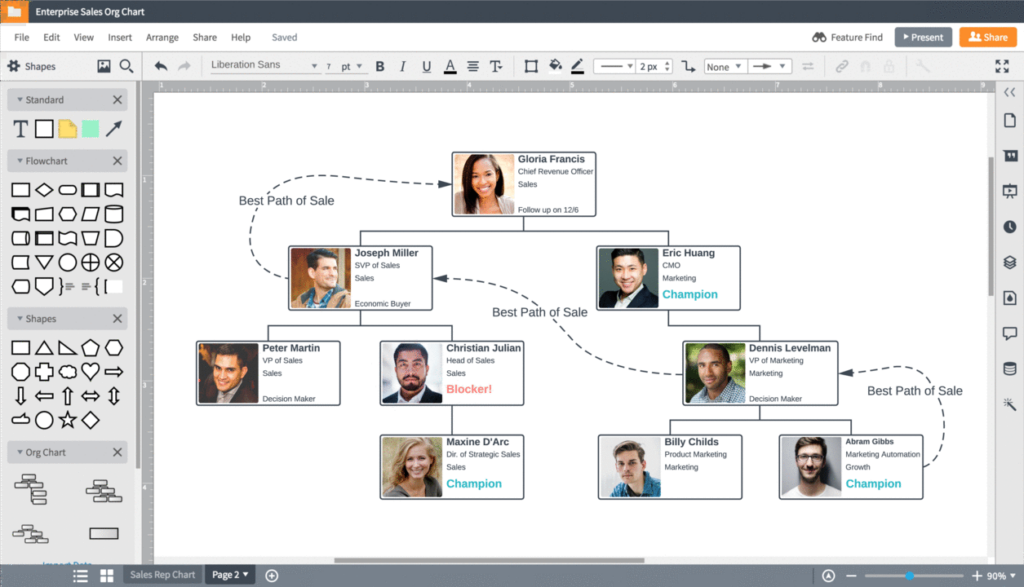
Account mapping also helps generate new leads. By identifying your target accounts and the key decision-makers within them, you can focus on leads with a higher chance of converting into customers.
Account mapping gives you a full view of each account’s needs, pain points, and opportunities. That lets you tailor your approach and messaging to what each account actually cares about, which raises your odds of generating leads and closing deals. It also helps you reach several people inside the same account, so a single champion leaving does not stall the deal.
Steps to Account Mapping
To start account mapping, gather and list all relevant contacts from your target accounts. Then add prospecting details such as previous interactions or potential pain points.
Finally, keep monitoring and adjusting so you stay engaged with each account.
Gather and list contacts
Gathering and listing contacts is the first step in account mapping. Start by identifying customers or prospects that fit your sales goals. These could be existing clients, leads from marketing campaigns, or people within partner organizations.
Build a full list of these contacts, including their names, contact information, and any details that help you personalize your approach. A well-organized list makes it easy to track who to reach out to and keeps opportunities from slipping through the cracks.
Use contact management tools or a CRM to simplify this step and keep an up-to-date database for account mapping.
Include prospecting details
To get more from account mapping, include prospecting details. This step means gathering and listing the contacts that matter to your sales goals. By identifying key decision-makers within target accounts, you can focus on building relationships with the right people.
Prospecting details also help you gauge the potential of each territory and plan accordingly. They support more accurate forecasting and revenue by giving you real information about potential leads.
With thorough prospecting details, you can monitor and adjust your approach to close more deals and manage accounts well.
Monitor and strategize
Monitor and adjust to keep your sales efficiency high. Review the progress of your mapped accounts regularly, watching key metrics such as lead generation, revenue generation, and closed deals.
Spot areas to improve or roadblocks ahead so you can adjust your strategy. By tracking real-time data and acting on it, you keep refining your approach to drive results. Treat the map as a living document rather than a one-time exercise, and revisit it whenever an account’s situation changes.
Common Mistakes to Avoid
Focusing on the wrong people wastes time and resources, while failing to standardize the account mapping process creates inconsistency and confusion. Neglecting to update maps can also hurt sales efficiency.
Focusing on the wrong people
Focusing on the wrong people drains your sales efficiency and wastes time and resources. Identify and prioritize the right accounts to make your effort count.
By understanding your target audience, their needs, and their pain points, you can shape your sales approach to fit. Do not chase leads that are a poor fit for your product or service.
Instead, focus on prospects who have real interest in what you offer and are more likely to become paying customers. This tightens your sales process and improves your chances of closing deals.
Not standardizing the process
To get the most from account mapping, standardize the process. A standard approach keeps sales teams consistent and accurate. It avoids confusion and makes sure everyone maps accounts the same way.
Standardization supports clear communication among team members and a more efficient workflow. Without it, you risk misalignment and wasted effort, which leads to missed revenue.
Take the time to set standard procedures for account mapping, and your sales results will improve. A shared template also makes it easier to onboard new reps, since they can follow the same steps as the rest of the team from day one.
Neglecting to update maps
Neglecting to update maps hurts sales efficiency. As territories shift, new leads appear, and customer information changes, you need to refresh your account maps regularly.
Skip this step and you risk working from stale data, missing opportunities, and losing leads. Stay proactive and update your maps so your information about prospects and customers stays accurate.
That way you stay ahead and make informed decisions that drive sales. A short, regular review of your maps is usually enough to keep the data current and worth the time it takes.
Conclusion
Account mapping is a key step toward hitting your sales goals. By visualizing your targets, understanding territory potential, and improving planning and forecasting, you can grow revenue and generate new leads.
Avoid common mistakes such as focusing on the wrong people or letting your maps go stale. With these steps in place, you can improve sales performance and close more deals.
Frequently Asked Questions
1. What is account mapping in sales efficiency?
Account mapping is a strategic process in a sales organization that boosts productivity by managing accounts and optimizing sales tasks.
2. How can I improve my business with the help of account mapping?
By using an account mapping tool for customer relationship management (CRM), you can improve prospecting, close deals, and raise your overall sales performance.
3. Does the use of a sales map contribute to task automation?
Yes. A well-structured sales map helps automate repetitive tasks, which improves sales efficiency and frees up time for high-priority work such as closing deals.
4. What are some benefits from an enhanced Sales Process through Account Mapping?
Following these 7 steps to boost your sales efficiency via account mapping leads to better account segmentation, stronger sales enablement, and clearer measurement of sales performance metrics.
5. Can implementing Account-based selling with a focus on Sales analytics help my business grow?
Yes. Account-based selling that uses detailed sales analytics enables sharper targeting and higher conversion rates, which grows revenue.

- Independent picks for exactly what you just read about
- Matched to your team size & needs
- Vendors don't pay for placement
Step 1 of 4
How big is your team?
We tailor recommendations to companies your size.















Related Articles

Buyers guide
How To Choose The Best Auto Dialer Software For 2026
Continue reading →
Best Tools
Best Sales Enablement Software in 2026: Top Tools for Content, Training, and Revenue Intelligence
Continue reading →

Sales Enablement
Turbo-Charging Revenue: The Power of Sales Velocity
Continue reading →
Buyers guide
Best CRM for Sales Teams in 2026: Top Sales CRM Platforms for Pipeline Management
Continue reading →