

Comparing payment gateway options can feel overwhelming, since each provider lists a long set of features that are hard to tell apart, and it is not always clear which ones actually matter for your store.
This guide is written for online ecommerce merchants who want a clear place to start rather than a marketing pitch from every vendor.
Below, we break down the top 5 features to look for in the best payment gateway software of 2023, and explain why each one is worth checking before you commit.
The aim is to replace confusion with a short, practical checklist you can use to compare providers and pick the one that fits your business.
What Are Online Payment Gateway Software? ✍️
To support online transactions, payment gateway software securely transmits payment information from a website or mobile application to a bank or other financial institution.
It often provides services such as fraud detection, encryption of private information, and connection with other payment options like bank transfers, e-wallets, and credit cards.
Ecommerce businesses and merchants use payment gateway software to receive payments from customers and clients securely and dependably.
To simplify transactions further, companies can integrate their systems with an ecommerce merchant account, which lets them accept many online payment methods efficiently.
It is essential to e-commerce and online businesses because it lets them run transactions instantly, around the clock, and internationally.
Want to learn more about Payment Gateway Software? Here is the complete GUIDE!
How Does Payment Gateway Software Work? 👉🏻
Payment gateway software works by securely transmitting payment information between a website or mobile application and a bank or other financial institution.
Here is a general overview of how it works:
- The customer starts a transaction by submitting their payment information (e.g. credit card details) on the merchant’s website or app.
- The software encrypts the payment data to keep it secure during transmission.
- The encrypted payment data is then sent to the payment gateway provider’s servers for processing.
- The gateway provider communicates with the bank or financial institution that issued the customer’s payment method to verify the transaction details and confirm there are sufficient funds.
- Once the transaction is verified, the gateway provider sends an approval or decline message back to the merchant.
- If the ecommerce transactions are approved, the payment solution in Pakistan provider transfers the funds from the customer’s account to the merchant’s account.
- Finally, the payment process provider sends a confirmation message back to the merchant account, and the transaction is complete on reaching the payment page.
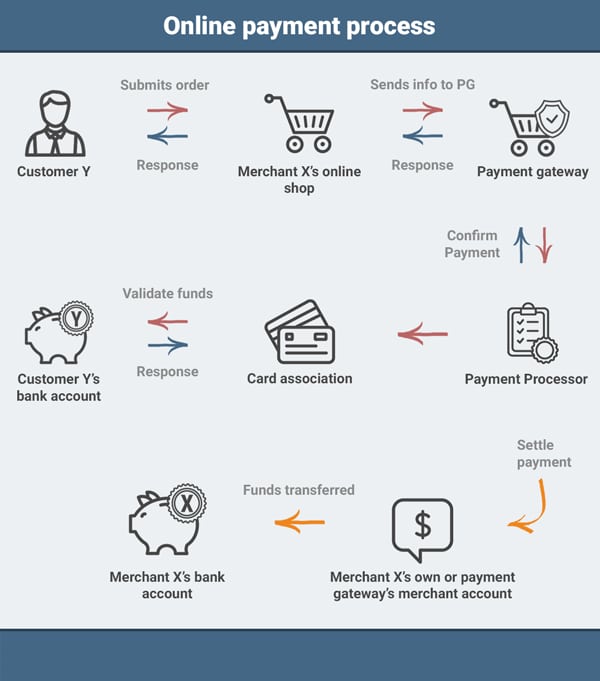
Throughout this process, the software also typically provides fraud detection and prevention measures, such as checking for unusual transaction patterns or suspicious activity. This helps protect both the customer and the merchant from fraudulent transactions.
Want to learn about the best Payment Gateway Software? Here are the Top 5 in the category!
5 Essential Features To Look Out For Payment Gateway Software? 📚
Top 5 features to look out for in payment gateway software in 2023:
Security- A Key Priority ⏳
Security is a key part of payment gateway software, because it keeps confidential payment information shielded from fraud and unauthorized access.
Without strong security features, such software can put merchants and customers at risk of money losses and reputational harm.
Example: Take a look at payment process software that doesn’t support encryption or tokenization. In this situation, it is simple to intercept sensitive payment details, such as credit card numbers, and use them for unauthorized transactions.
The payment information is easily accessible to hackers, who can then use it to make fraudulent transactions or withdraw money from the user’s account.
Strong security features in payment processing software, such as fraud detection and real-time monitoring, help prevent fraudulent transactions. They can identify suspicious behaviour and notify the merchant and the customer, prompting them to take appropriate action, including disabling the card or getting in touch with the bank.
For Instance: The payment gateway software can identify fraudulent behavior and deny a transaction if a consumer tries to use a stolen credit card to make a purchase. This prevents the merchant from suffering losses. The merchant and the consumer can then take the appropriate precautions to protect their accounts after being alerted of the suspicious behaviour by the software.
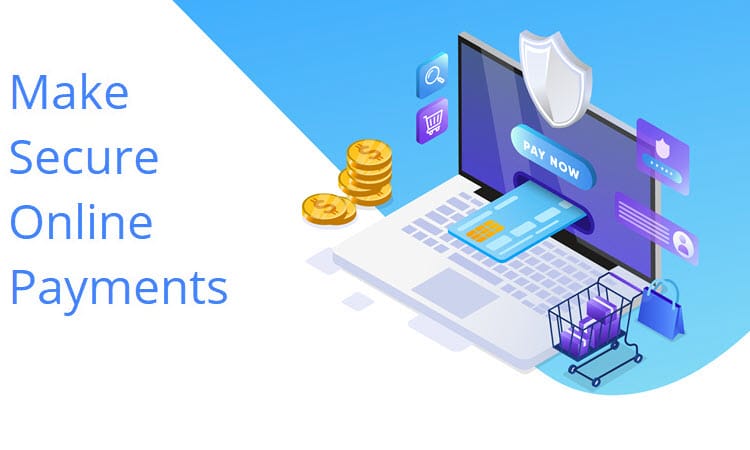
In short, safety is an essential feature of payment gateway software because it keeps sensitive payment data protected from fraudulent activities. The stronger the safety features, the more secure the payment gateway software, and the greater the trust and confidence customers place in the merchant’s brand.
Smart Integration 🛠
Smart integration is a key part of payment gateway software, and it makes connecting the payment gateway to a merchant’s website or mobile application easier.
It lets businesses accept customer payments without technical hiccups or delays.
Choose a payment gateway that supports smart integration via API, SDKs, or plugins. In this case, the merchant can integrate the software with their website or mobile application using a few lines of code, without deep technical knowledge.
This integration has a number of advantages:
- The merchant can start collecting payments quickly, because the tool takes less time and effort to set up.
- It also confirms that the payment gateway is fully compatible with the merchant’s website or mobile application, avoiding technical difficulties or mistakes during payment processing.
- Integration also makes it simple to adapt the payment gateway software to the merchant’s particular requirements. To give customers a payment experience that matches the merchant’s brand, the software can be configured to show the merchant’s logo and branding.
Smart integration also lets merchants access useful payment data and insights, such as transaction history, payment trends, and customer behavior.
This data can be used to improve the payment process, improve customer experience, and make informed business decisions.
Overall, smart integration is an important feature of payment gateway software because it simplifies the payment process, keeps the tool compatible and customizable, and provides useful payment data and insights.
By offering smart integration, payment gateway software providers can make payment processing more efficient and convenient for merchants, which raises satisfaction and loyalty.
Payment Methods- Don’t Let This Be A Hiccup 🧲
Support for multiple payment methods is an important feature of payment gateway software, because it lets merchants accept payments from a wide range of customers with different payment preferences.
By supporting several payment acceptance methods, payment gateway software providers can grow their market reach, customer satisfaction, and revenue streams.
For example, consider a payment software that supports multiple payment methods such as credit cards, debit cards, e-wallets, and bank transfers. In this case, the merchant can offer their customers the flexibility to choose the payment method that best suits their needs and preferences.
For instance, some customers may prefer to pay with their credit card, while others may prefer to use their e-wallet such as PayPal or Apple Pay. By offering multiple online payment methods, the software can cater to the diverse payment preferences of customers, thereby improving their payment experience and satisfaction.
Multiple payment methods can also improve the conversion rates of the merchant’s website or mobile application.
For instance, if a customer is unable to pay with their preferred online payment method, they may abandon the purchase and look for alternative options. By offering multiple payment methods, the merchant can reduce the chances of cart abandonment and increase their conversion rates.
Multiple payment methods can also give customers more security options.
For example, a customer who is uncomfortable sharing their credit card information can choose to pay through an e-wallet, which may provide an additional layer of security and privacy.
Overall, support for multiple payment methods is an important feature of payment gateway software, because it lets merchants cater to the diverse payment preferences of customers, improve their payment experience, and increase their conversion rates.
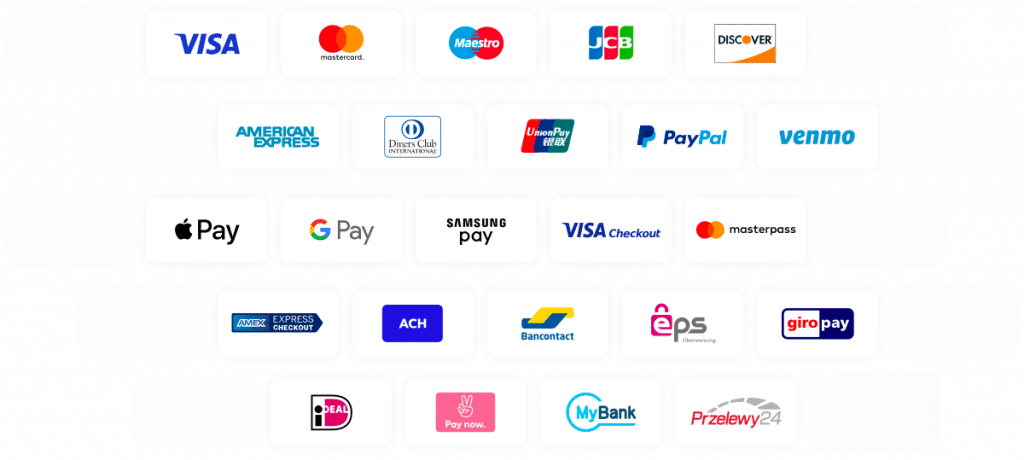
By offering multiple payment methods, software providers can set themselves apart from their competitors and provide greater value to their customers, which helps them win and keep more business over time.
User Experience- The User Journey Is Critical 🛒
User experience (UX) is an essential aspect of any software product, including payment gateway software. The UX of a tool refers to the user’s overall satisfaction and perception of the software when performing payment transactions.
A well-designed payment gateway should provide a smooth and intuitive user experience, so customers can complete their transactions quickly and easily without hitting obstacles or confusion.
Here are a few examples of how UX can affect the performance of a payment software:
- Simplifying the Payment Process: A payment gateway with strong UX simplifies the payment process by cutting the number of steps needed to complete a transaction. A good example is PayPal, which requires only a few clicks to complete a transaction.
- Clear and Concise Instructions: Payment gateways with clear and concise instructions let customers navigate the system easily, reducing the chances of user errors. For instance, Stripe provides helpful tooltips and clear instructions throughout the payment process.
- Responsiveness: Responsive software adjusts to the device and screen size of the user. A responsive design lets users access the software from their smartphones, tablets, or desktop computers, giving a consistent experience regardless of the device being used.
- Security: The UX of a software should also prioritize security features, such as two-factor authentication, data encryption, and fraud detection. These security features help build customer trust in the tool and reduce the likelihood of fraudulent activities.
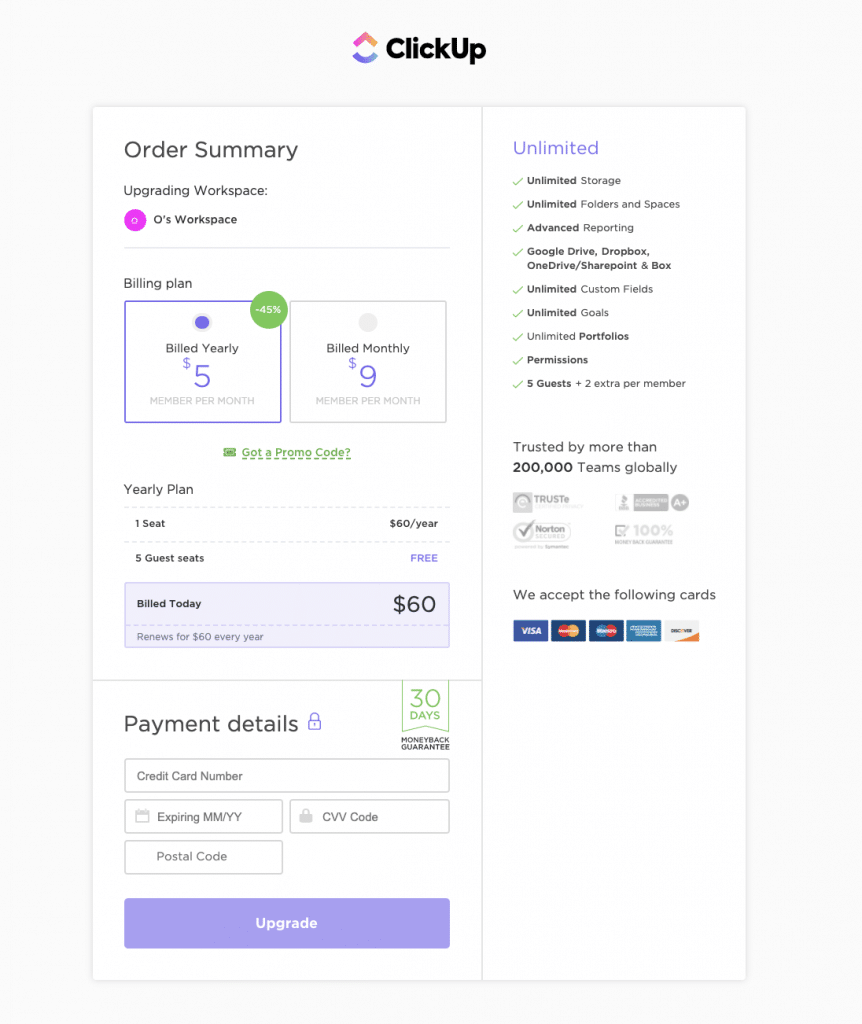
In short, the UX of payment gateway software is a crucial factor that can affect customer satisfaction, retention, and loyalty over the long run.
Software with strong UX can simplify the payment process, provide clear instructions, stay responsive, and prioritize security features. These qualities can lead to more successful transactions, fewer abandoned carts, and ultimately, more revenue for merchants.
Transaction Fees: Competitive Wins! 💰
Low and competitive transaction fees are a critical feature of payment gateway software because they directly affect a merchant’s profit margin. A payment gateway that charges high transaction fees can cut into a merchant’s profits, making it less attractive to use that gateway.
Here are a few examples of how low and competitive transaction fees can benefit both merchants and customers:
- Attracting More Merchants: Payment gateway software with low transaction fees can attract more merchants to the platform. For example, PayPal charges a flat fee of 2.9% plus $0.30 per transaction, which is relatively low compared to other software.
- Encouraging More Transactions: When transaction fees are low, merchants are more likely to accept credit card payments, which can lead to more transactions. This benefits both merchants and customers, as it provides a convenient and secure way to complete transactions online.
- Competitive Pricing: Software that offers competitive pricing can help merchants save money on transaction fees, which can be passed on to customers as discounts or lower prices. This can help merchants stay competitive in their industry, attracting more customers and increasing sales.
- Greater Transparency: Software that offers low and transparent transaction fees can help build trust between merchants and customers. When customers see that the transaction fees are fair and competitive, they are more likely to complete their transactions without hesitation.
In short, low and competitive transaction fees are an essential feature of such software because they can attract more merchants, encourage more transactions, offer competitive pricing, and promote greater transparency.
These benefits can ultimately lead to more sales and revenue for merchants, while also giving customers a better experience.
Conclusion ⚖️
To choose the best payment gateway software, merchants should look for a platform that offers a smooth user experience, low and competitive transaction fees, strong security features, reliable customer support, and many payment options.
Finding the right payment software can be the difference between a successful online business and one that struggles to attract and retain customers, since payment is one of the last steps in every sale.
So take the time to compare options carefully and select the software that best suits your own business needs.
Choosing the best payment gateway software is no small task, but with these five key features in mind, you should be able to weigh your options and find the right match for your business in 2023 and beyond.
Read More
Learn How To Do CRM And Marketing Automation Integration In 2023
4 Ways To Accept Payments Online
Frequently Asked Questions (FAQs)
What is the importance of payment gateway?
Here are some key reasons why payment gateways are important:SecurityConvenienceGlobal reachIntegrationPayment options
What are the types of payment gateway system?
There are several types of payment gateway systems available for businesses to choose from. Here are some of the most common types:
Hosted Payment GatewayIntegrated Payment GatewaySelf-Hosted Payment GatewayMobile Payment GatewayDirect Payment GatewayVirtual Terminal Payment Gateway
Is Google pay a payment gateway?
Google Pay is a digital wallet and payment system developed by Google, which can be used to make payments online, in stores, and in apps. While Google Pay does facilitate transactions and can be used as a payment method, it is not a payment gateway in the traditional sense.
However, Google Pay also supports integration with payment gateways, which allows businesses to accept Google Pay as a payment option on their website or app
So, while Google Pay itself is not a payment gateway, it can be integrated with payment gateways to facilitate online payments.
Who uses payment gateway software?
Here are some of the industries and businesses that commonly use payment gateway software:
E-commerceTravel and hospitalitySubscription-based businessesNon-profit organizationsGovernment agenciesHealthcare providers

- Independent picks for exactly what you just read about
- Matched to your team size & needs
- Vendors don't pay for placement
Step 1 of 4
How big is your team?
We tailor recommendations to companies your size.















Related Articles
Best Tools
10 Best Acumatica Alternatives in 2026 by Industry and Size
Continue reading →
Best Tools
10 Best Coupa Alternatives in 2026: Enterprise and Mid-Market
Continue reading →
Best Tools
10 Best Procurify Alternatives in 2026 for Purchasing Teams
Continue reading →
Best Tools
10 Best SAP Ariba Alternatives in 2026 for Procurement Teams
Continue reading →